Manifest Destiny
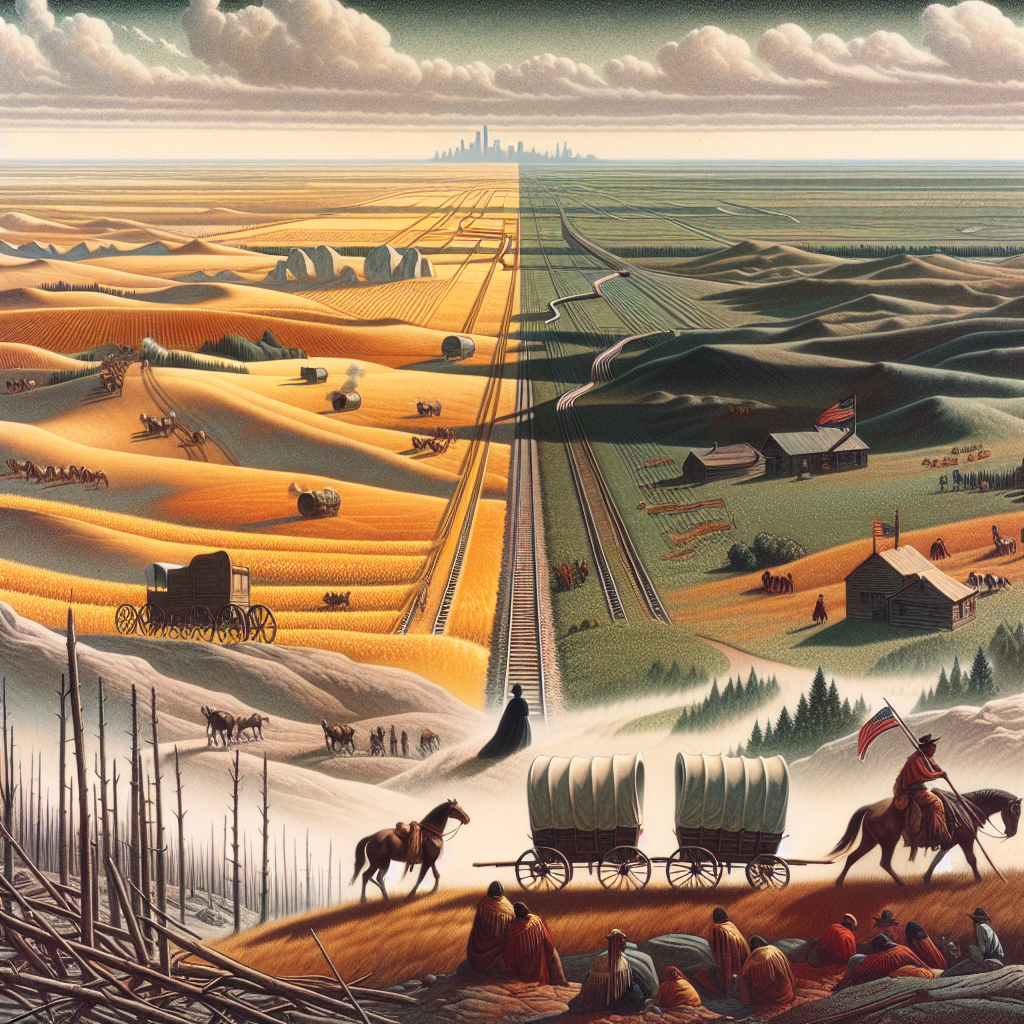
The phrase was coined by journalist John L. O'Sullivan in 1845, but the idea had been operating for decades before he named it. "Manifest Destiny" — the conviction that the United States was divinely ordained to stretch from the Atlantic to the Pacific — gave ideological cover to a continental land seizure that dispossessed, killed, or forcibly relocated hundreds of thousands of Native people, seized half of Mexico in a war of aggression, and remade the North American landscape in a single century. It was the operating theology of American expansion, equal parts religious mission, racial hierarchy, and real estate ambition.
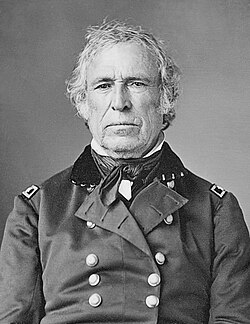
The concept did political work that naked conquest could not. When President Polk maneuvered the United States into war with Mexico in 1846 — provoking a border skirmish to justify an invasion that stripped Mexico of California, Nevada, Utah, Arizona, and New Mexico — he described it as America fulfilling its destiny rather than stealing its neighbor's territory. A young Illinois congressman named Abraham Lincoln introduced the "Spot Resolutions" demanding to know exactly where American blood had been shed on American soil, correctly suspecting the answer. He was ignored. The Mexican Cession added 525,000 square miles to the United States in 1848.
Manifest Destiny's relationship to slavery was its central political crisis. Every new territory raised the question: free or slave? The Missouri Compromise, the Compromise of 1850, Bleeding Kansas, and ultimately the Civil War were all downstream consequences of westward expansion. The ideology also provided the conceptual scaffolding for American imperial ambitions after the continent was settled — the Spanish-American War of 1898 extended the logic to Cuba, Puerto Rico, and the Philippines. The phrase fell out of polite use after the early 20th century, but the underlying conviction that American power is inherently beneficent has never entirely disappeared from foreign policy discourse.



| Term coined | 1845, by journalist John L. O'Sullivan |
| Peak era | 1820s–1890s |
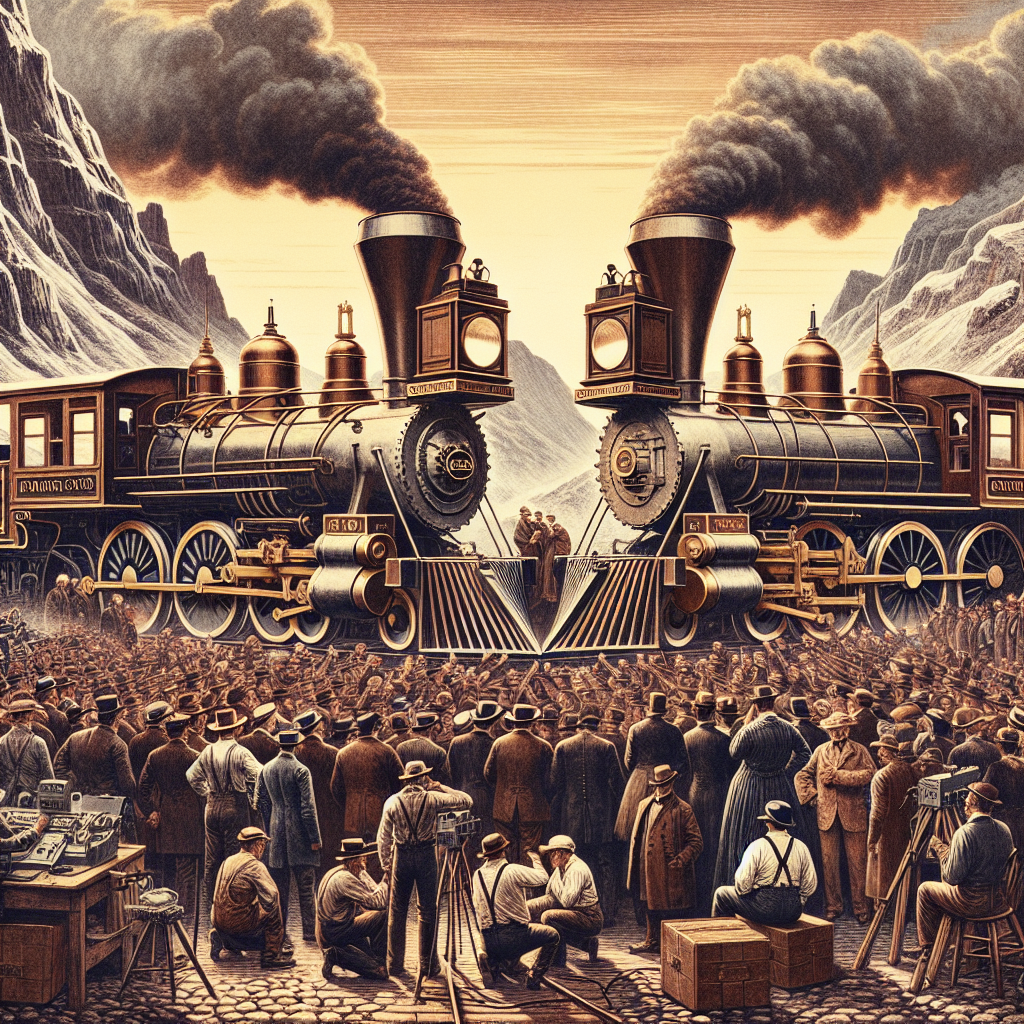
| Key events | Indian Removal Act (1830), Mexican-American War (1846–48), Transcontinental Railroad (1869) |
| Territory | ~3 million square miles acquired 1803–1853 |
| Extended to | Spanish-American War (1898), Philippines, Puerto Rico |
| Years | 1845–1890 |
| Location | United States |