People
All People
Presidents
Military Leaders
Founding Fathers
Scientists & Inventors
Civil Rights Leaders
Explorers
Artists & Writers
Business Leaders
Outlaws & Lawmen
Statesmen & Politicians
Supreme Court Justices
Indigenous Leaders
First Ladies
Athletes
Musicians
Places
All Places
States
Cities
Battlefields
Landmarks & Buildings
National Parks
Territories
Indigenous Lands
Natural Features & Geography
Infrastructure & Transportation
Colonial Settlements
Eras
Events
All Events
Wars & Conflicts
Treaties & Agreements
Disasters
Milestones & Firsts
Assassinations
Elections
Protests & Movements
Discoveries & Inventions
Crises & Standoffs
Scandals & Constitutional Crises
Financial Crises & Panics
Documents
All Documents
Founding Documents
Laws & Acts
Supreme Court Decisions
Speeches
Concepts
All Concepts
Political Movements
Economic Systems
Social Issues
Foreign Policy Doctrines
Religion & Society
Organizations
All Organizations
Government Agencies
International Organizations
Military
Business & Labor
Advocacy & Social Organizations
Culture & Knowledge
Media & Publishing
Symbols
Technology
Guides
On This Day
America250
— 250 years since 1776. Explore two and a half centuries of American history.
Start the tour
Home
/
People
People
196 entries
Featured
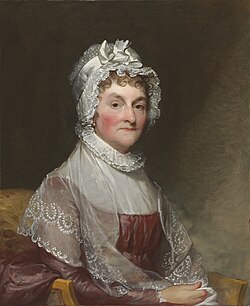
Abigail Adams
First Lady, political advisor, and the founding era's most insistent voice for women's rights
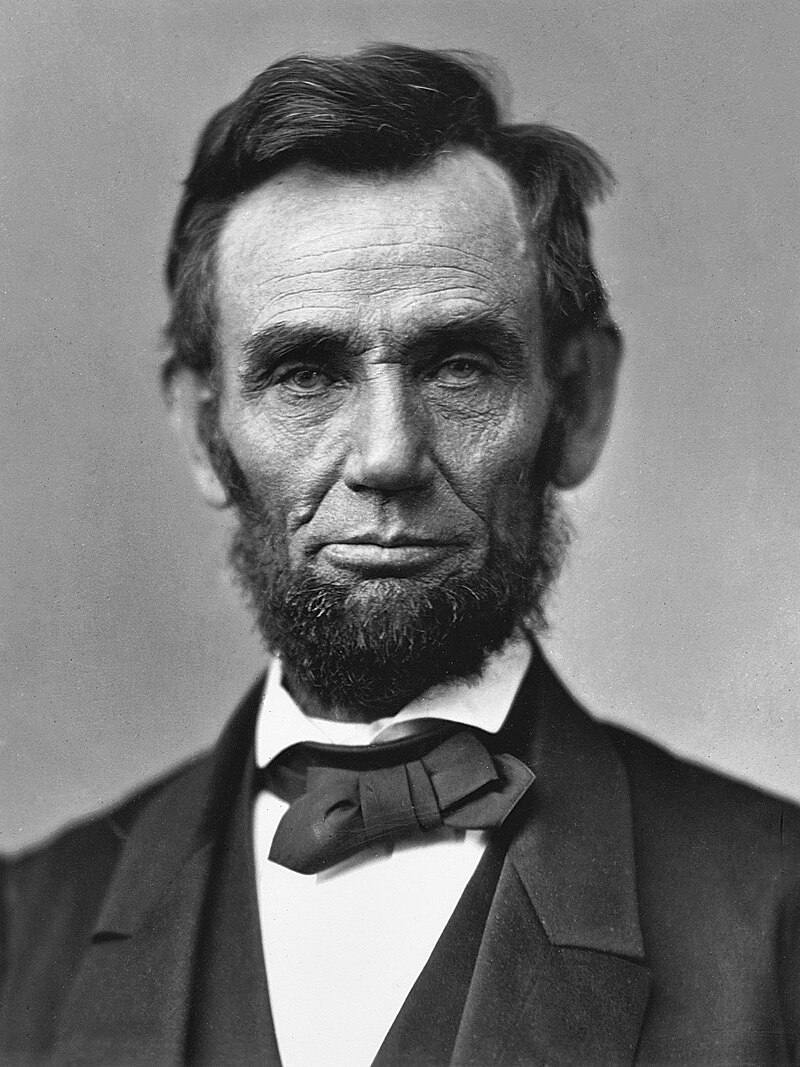
Abraham Lincoln
16th President of the United States, who held the Union together through civil war
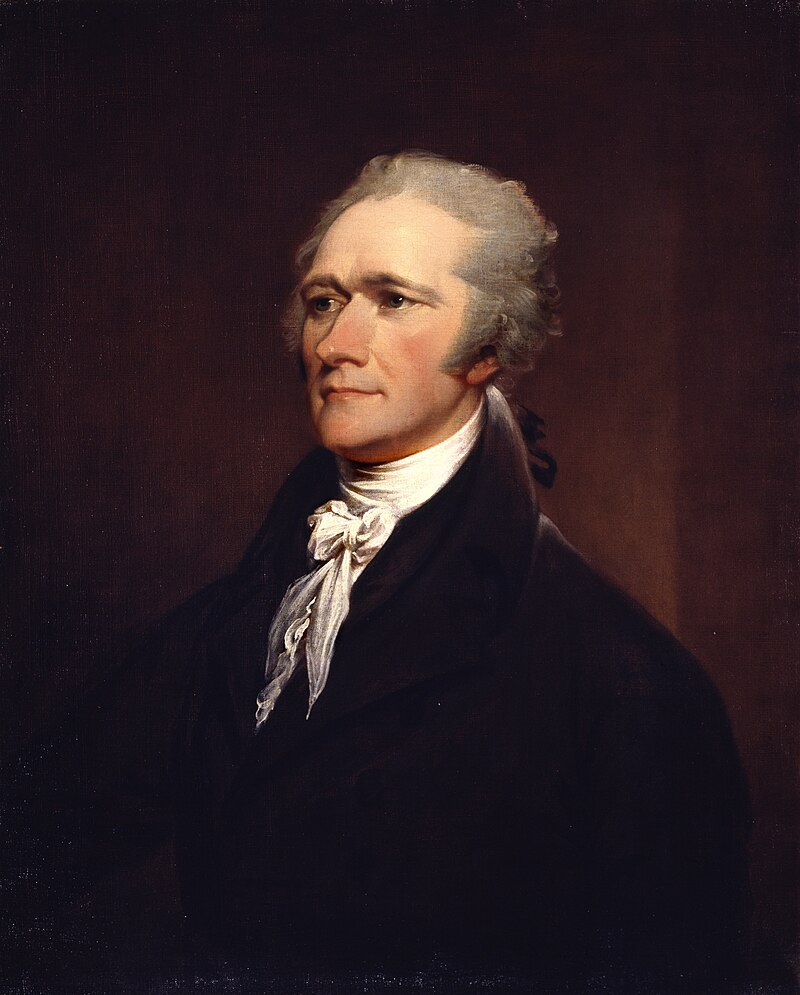
Alexander Hamilton
Founding Father, first Secretary of the Treasury, and architect of American capitalism
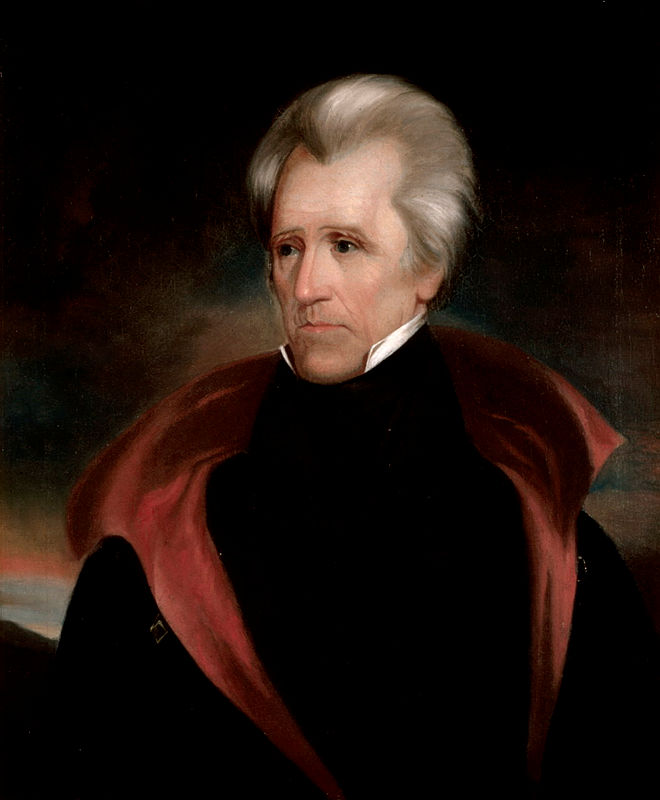
Andrew Jackson
Frontier general, champion of the common white man, and 7th President of the United States
Browse by Subcategory
Presidents
45 entries
Men who served as President of the United States, the office that defines the executive branch and the American political tradition.
Military Leaders
10 entries
Generals, admirals, and battlefield commanders whose tactics and decisions shaped the outcome of America's wars.
Founding Fathers
14 entries
The statesmen, soldiers, and thinkers who declared independence from Britain and drafted the Constitution that followed.
Scientists & Inventors
10 entries
Researchers, engineers, and inventors whose discoveries and machines transformed American industry, medicine, and daily life.
Civil Rights Leaders
31 entries
Activists, organizers, and reformers who led the long American struggle to extend equal rights to all citizens.
Explorers
6 entries
Pathfinders, surveyors, and adventurers who mapped the continent and opened the American interior to settlement.
Artists & Writers
18 entries
Novelists, poets, painters, and performers whose work defined America's artistic voice and recorded its self-image.
Business Leaders
8 entries
Industrialists, financiers, and entrepreneurs whose enterprises built and reshaped the American economy.
Outlaws & Lawmen
1 entries
Frontier criminals and the marshals, sheriffs, and Pinkertons who chased them — the violent edge of American expansion.
Statesmen & Politicians
15 entries
Influential senators, congressmen, diplomats, and political figures who shaped American policy without serving as president.
Supreme Court Justices
5 entries
Justices of the United States Supreme Court whose decisions defined constitutional law and American society.
Indigenous Leaders
7 entries
Native American leaders — political, military, and diplomatic — who shaped the course of Indigenous and American history.
First Ladies
5 entries
Wives of U.S. presidents who left their own mark on American politics, culture, and public life.
Athletes
5 entries
Sports figures whose achievements shaped American culture
Musicians
6 entries
The composers, singers, and players who built America's popular music, from the blues and jazz of the segregated South to the soul, rock, and folk of the twentieth century.
All People (A–Z)
A–Z
By date
A
B
C
D
E
F
G
H
I
J
L
M
N
O
P
R
S
T
U
W
Z
A
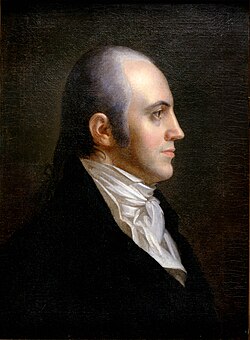
Aaron Burr
Third Vice President of the United States — and Alexander Hamilton's killer
Abigail Adams
First Lady, political advisor, and the founding era's most insistent voice for women's rights
Abraham Lincoln
16th President of the United States, who held the Union together through civil war
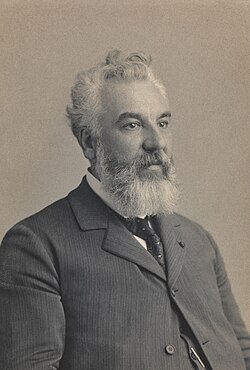
Alexander Graham Bell
Scottish-American inventor of the telephone, 1847–1922
Alexander Hamilton
Founding Father, first Secretary of the Treasury, and architect of American capitalism
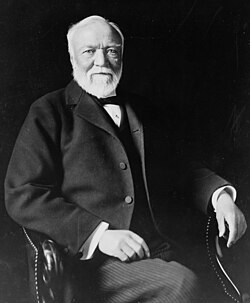
Andrew Carnegie
Scottish-born steel magnate and America's greatest philanthropist
Andrew Jackson
Frontier general, champion of the common white man, and 7th President of the United States
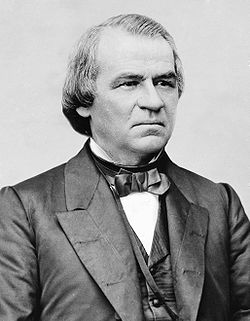
Andrew Johnson
17th President of the United States and the first to be impeached
Aretha Franklin
The voice that carried the church into American popular music, 1942-2018
B
Babe Ruth
The slugger who remade baseball and became America's first sports superstar
Barack Obama
44th President of the United States, 2009–2017
Benedict Arnold
Revolutionary War hero turned traitor, 1741–1801
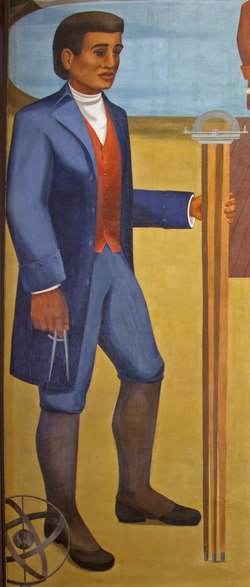
Benjamin Banneker
Self-taught astronomer, mathematician, and the first Black man to receive a presidential appointment
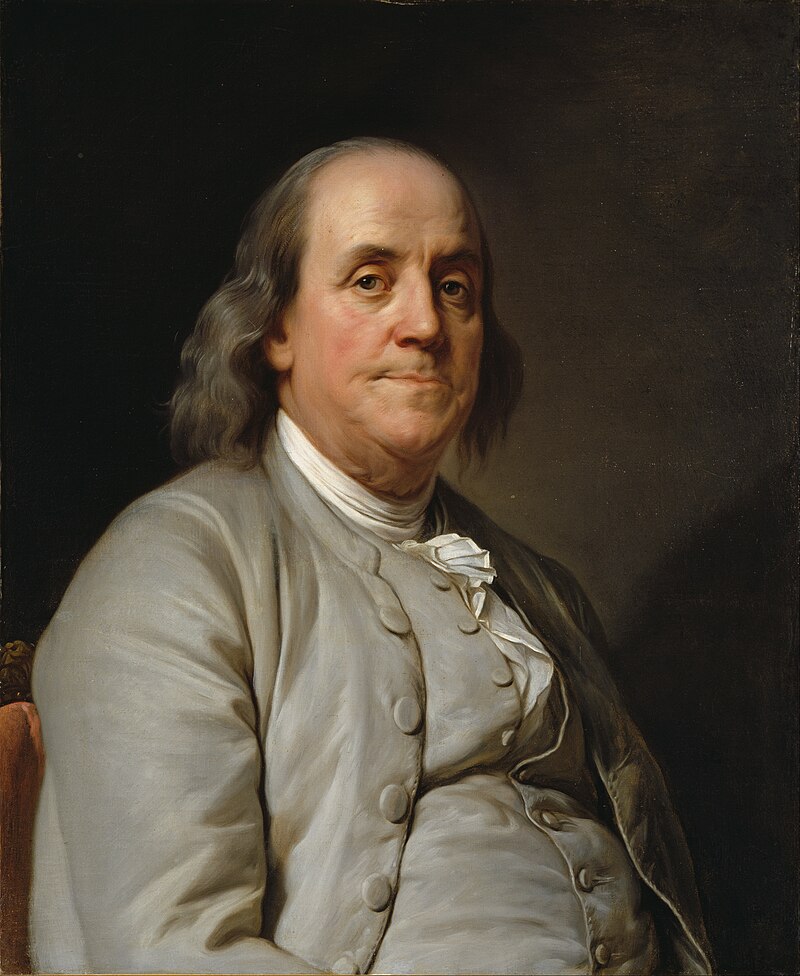
Benjamin Franklin
Printer, diplomat, and scientist who helped engineer American independence
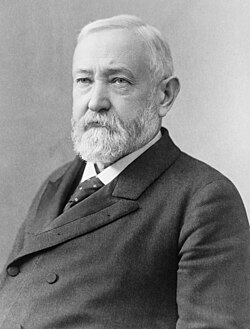
Benjamin Harrison
23rd President of the United States, 1889–1893
Bessie Smith
The Empress of the Blues and the highest-paid Black entertainer of the 1920s, 1894-1937
Betty Friedan
Author of The Feminine Mystique and Founder of Second-Wave Feminism, 1921–2006
Bill Clinton
42nd President of the United States, 1993–2001
Billie Jean King
The tennis champion who won the "Battle of the Sexes" and equal pay
Black Hawk
Sauk leader whose 1832 return to Illinois became the last armed Native resistance east of the Mississippi
Bob Dylan
The folk singer who broke folk music, born 1941
Bonnie and Clyde
The Depression-era couple whose two-year crime spree ended in a Louisiana ambush
Booker T. Washington
Educator, founder of Tuskegee Institute, and architect of the Atlanta Compromise
Brigham Young
Mormon prophet and colonizer who led 70,000 people into the desert and built a civilization
C
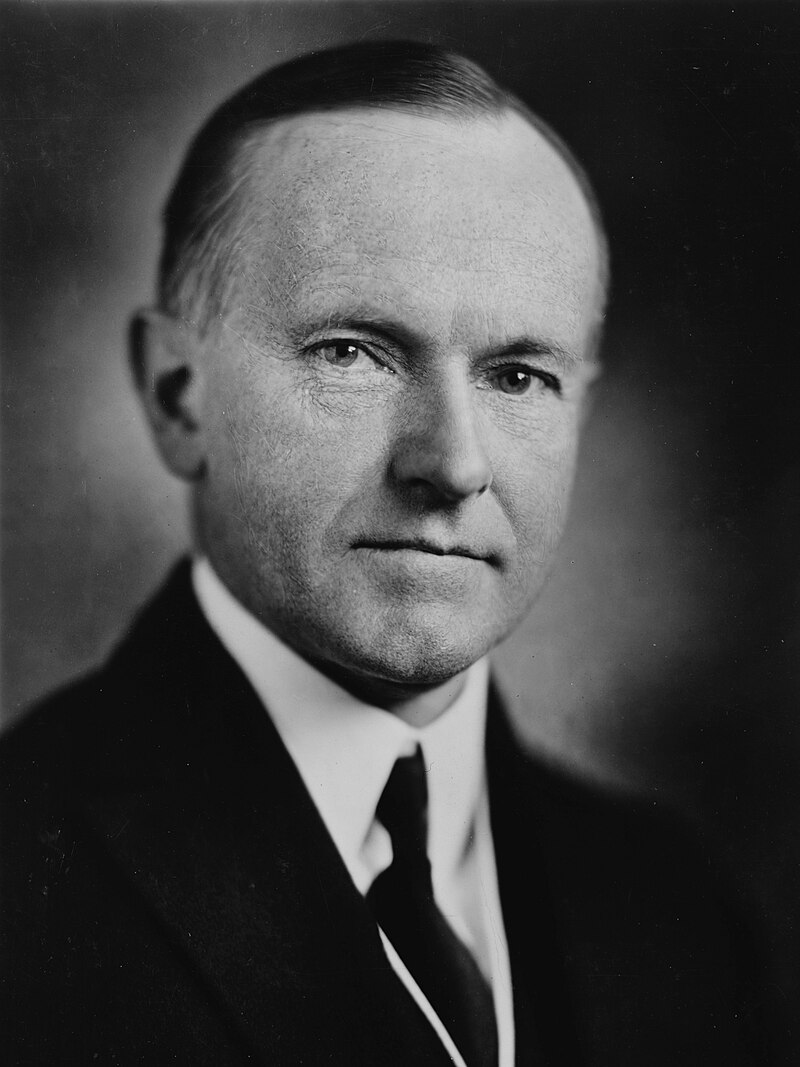
Calvin Coolidge
30th President of the United States, 1923–1929
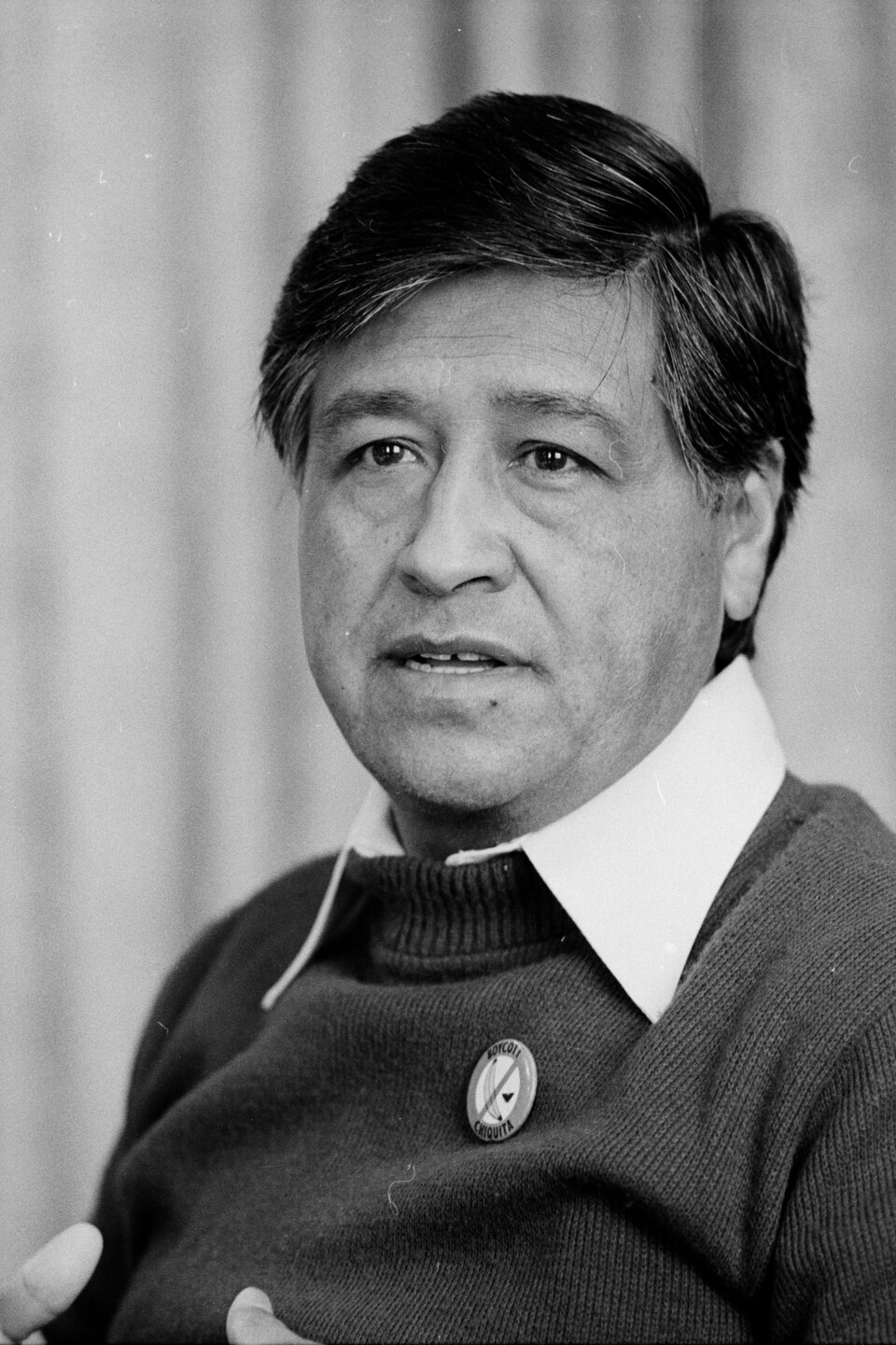
Cesar Chavez
Labor organizer who won rights for America's farmworkers
Charles Curtis
The Kaw Nation senator who rose to the vice presidency
Charles Sumner
Abolitionist Senator Beaten on the Senate Floor, 1811–1874
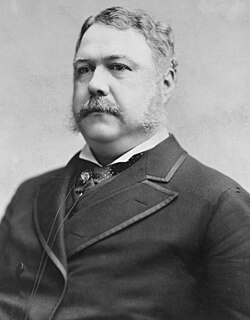
Chester A. Arthur
21st President of the United States, the machine politician who became an unlikely reformer
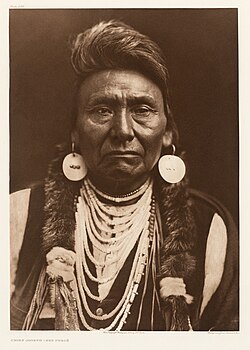
Chief Joseph
Nez Perce leader whose 1877 flight became a symbol of Native resistance
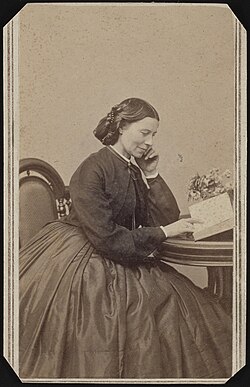
Clara Barton
Civil War nurse and founder of the American Red Cross
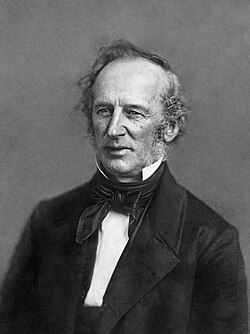
Cornelius Vanderbilt
The railroad and shipping baron who built the template for American monopoly capitalism
Crazy Horse
The Lakota war leader who defended the Plains and never surrendered to the reservation
D
Daniel Webster
Senator, Orator, and Champion of American Union
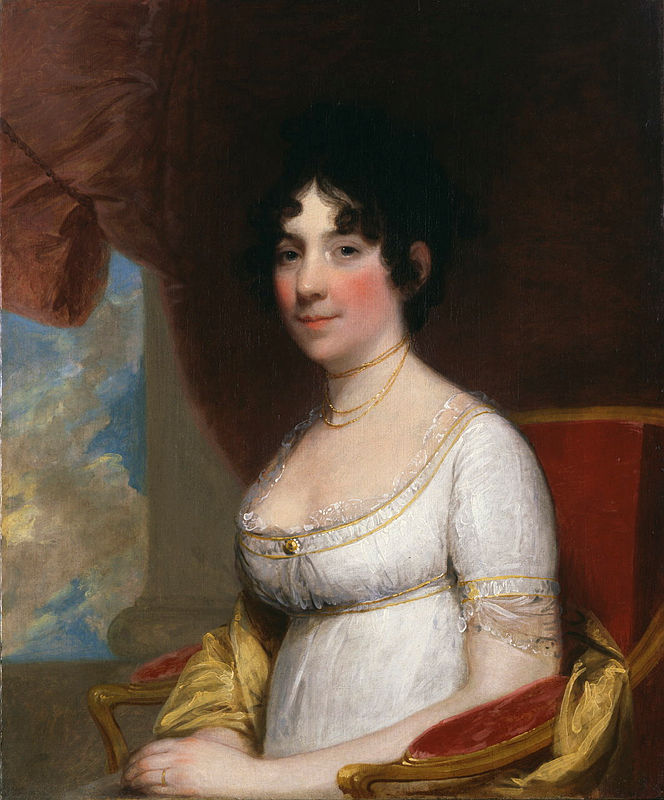
Dolley Madison
The First Lady who saved Washington's portrait and defined the social power of the presidency
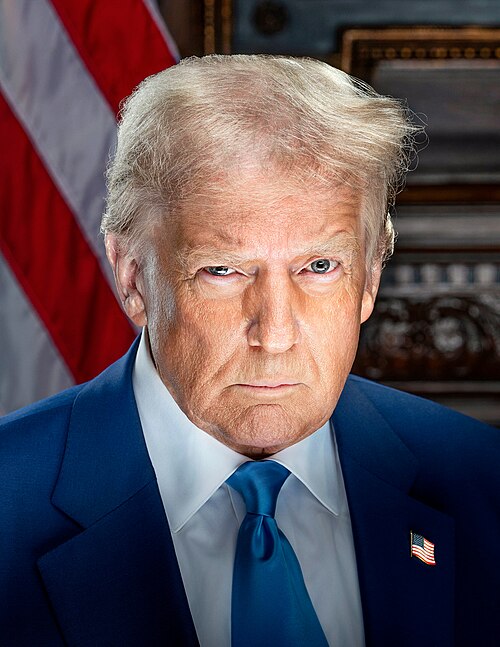
Donald Trump
45th and 47th President of the United States
Dorothea Dix
Reformer who transformed the treatment of the mentally ill in America
Dorothea Lange
Documentary Photographer Who Gave the Depression a Human Face, 1895–1965
Dred Scott
Enslaved man whose lawsuit for freedom produced the Supreme Court's most condemned decision
Duke Ellington
The composer who wrote for an orchestra of specific human beings, 1899-1974
Dwight D. Eisenhower
Supreme Allied Commander, 34th President, and the man who warned America about itself
E
Earl Warren
Chief Justice whose Court transformed American civil rights, 1953–1969
Edward Hopper
American light and the painter of Nighthawks, 1882-1967
Eleanor Roosevelt
First Lady, diplomat, and the human rights conscience of the 20th century
Eli Whitney
Inventor of the cotton gin who accidentally expanded slavery and deliberately built American mass production
Elizabeth Cady Stanton
Suffragist, abolitionist, and primary architect of the American women's rights movement
Elvis Presley
The Memphis truck driver who carried Black Southern music into white America, 1935-1977
Emilio Aguinaldo
The first president of the Philippine Republic, ally then adversary of the United States
Emily Dickinson
Reclusive genius whose poetry redefined American literature — mostly after her death
Emma Lazarus
The poet whose words gave the Statue of Liberty its voice
Ernest Hemingway
Nobel laureate whose spare prose remade American fiction
Eugene V. Debs
Labor Leader, Socialist Presidential Candidate, and Prisoner of Conscience, 1855–1926
F
F. Scott Fitzgerald
Chronicler of the Jazz Age and author of the Great American Novel
Fannie Lou Hamer
Sharecropper, Voting Rights Activist, and Voice of the Mississippi Freedom Movement, 1917–1977
Frank Lloyd Wright
Organic architecture across seventy years, 1867-1959
Franklin D. Roosevelt
Four-term president who led America through the Great Depression and World War II
Franklin Pierce
14th President of the United States, 1853–1857
Frederick Douglass
Abolitionist, orator, and the 19th century's most powerful voice against American slavery
Frederick Law Olmsted
The man who invented American landscape architecture, 1822-1903
G
George H.W. Bush
41st President of the United States, 1989–1993
George Mason
Author of the Virginia Declaration of Rights and the conscience of the Constitutional Convention
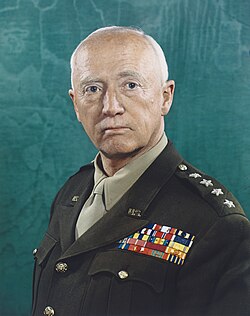
George S. Patton
America's most aggressive — and most controversial — World War II commander
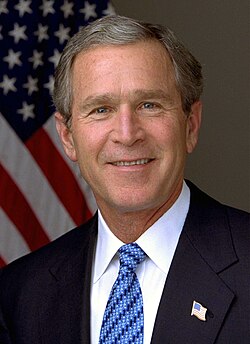
George W. Bush
43rd President of the United States, 2001–2009
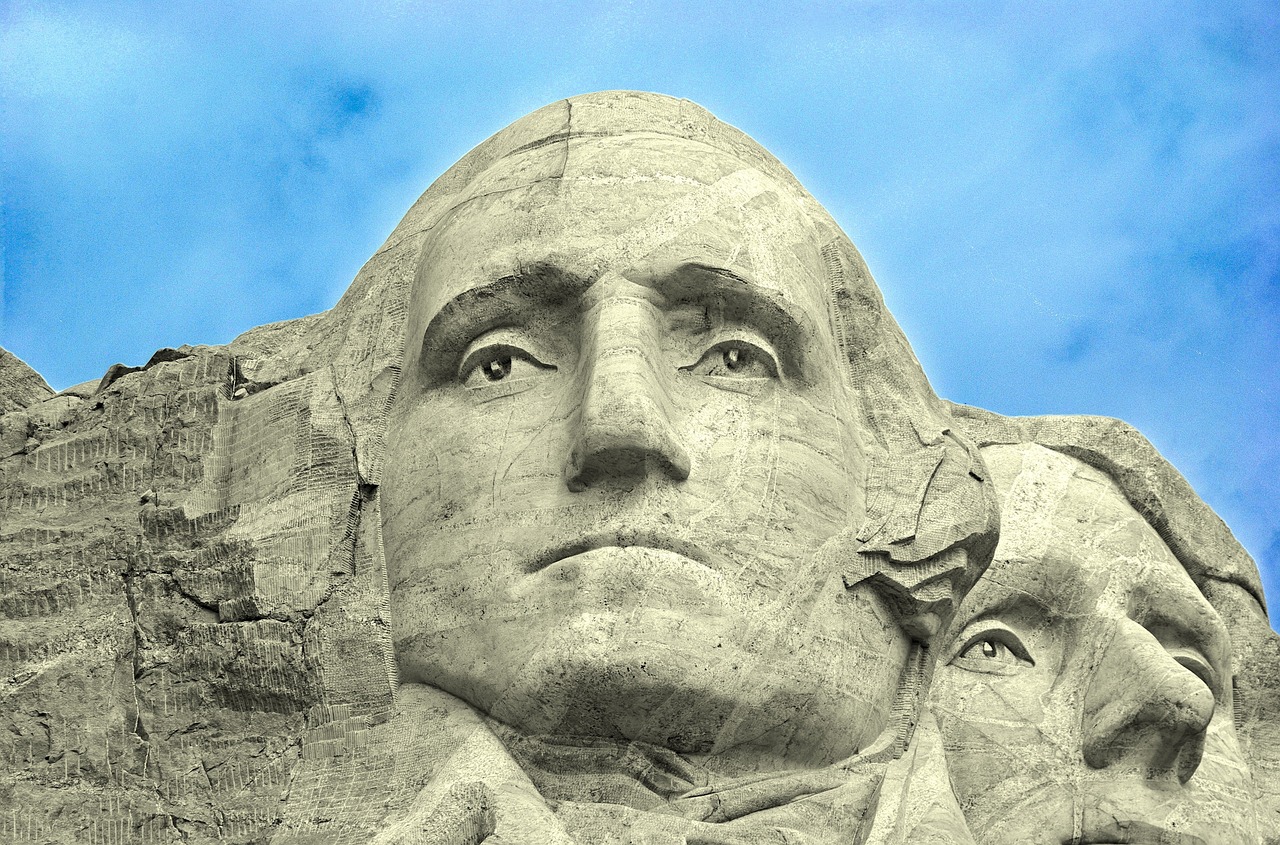
George Washington
Commander of the Continental Army and First President of the United States
George Westinghouse
The air-brake inventor who bet his fortune on alternating current, 1846-1914
Georgia O'Keeffe
Skyscrapers, flowers, and the New Mexico desert, 1887-1986
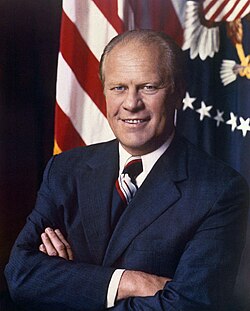
Gerald Ford
38th President of the United States, 1974–1977
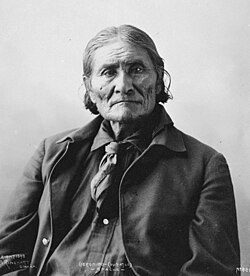
Geronimo
The Apache leader whose final surrender in 1886 ended the last armed Native resistance in the American Southwest
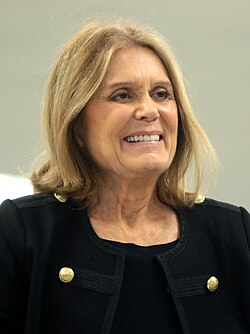
Gloria Steinem
Journalist and activist who became the defining public voice of second-wave American feminism
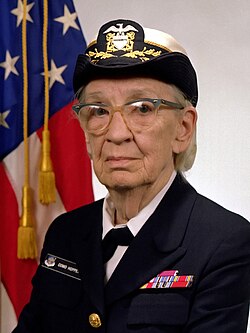
Grace Hopper
Pioneer of computer programming and inventor of the first compiler
Grover Cleveland
22nd and 24th President of the United States
H
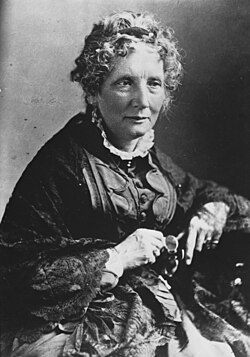
Harriet Beecher Stowe
Author of Uncle Tom's Cabin and the novelist who sharpened the nation's conscience on slavery
Harriet Tubman
Abolitionist, Union spy, and conductor of the Underground Railroad
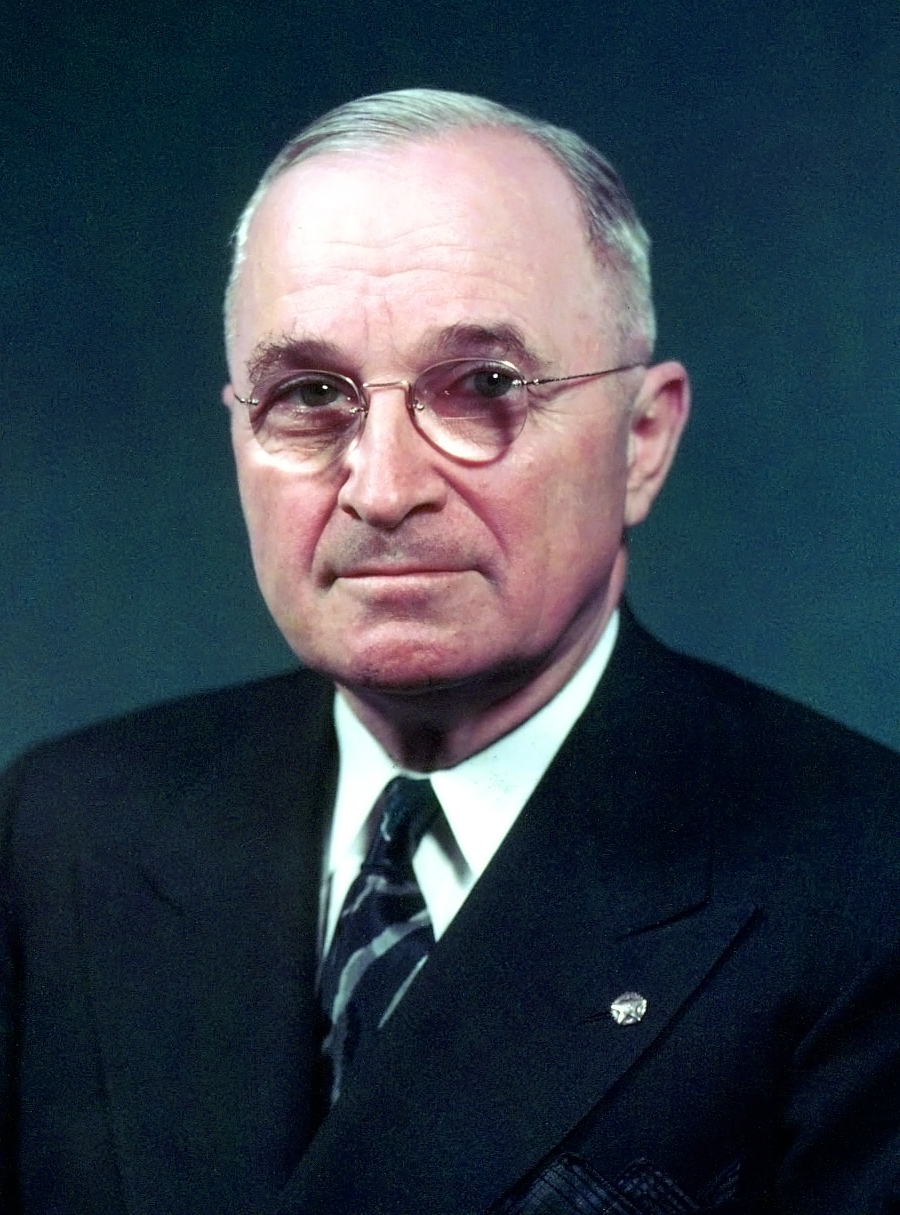
Harry S. Truman
The haberdasher from Missouri who dropped the bomb, integrated the military, and contained the Soviets
Helen Keller
Deaf-blind author and activist whose radicalism the 20th century spent decades trying to forget
Henry Clay
The Great Compromiser who held the Union together — and delayed its reckoning
Henry Ford
Industrialist who put the automobile within reach of ordinary Americans
Herbert Hoover
31st President of the United States, 1929–1933
Huey Newton
Co-founder of the Black Panther Party and Revolutionary of the Black Power Era, 1942–1989
I
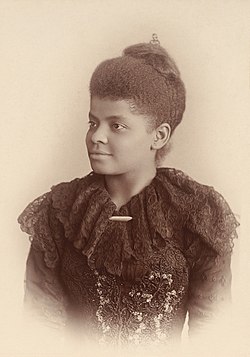
Ida B. Wells
Journalist, anti-lynching crusader, and one of the founders of the NAACP
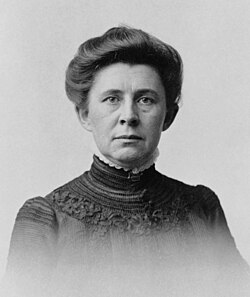
Ida Tarbell
Investigative Journalist Who Broke Standard Oil, 1857–1944
J
J. Edgar Hoover
The director who ruled the FBI for half a century — and amassed unrivaled power
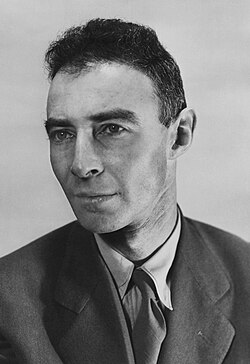
J. Robert Oppenheimer
Director of the Manhattan Project and father of the atomic bomb
J.P. Morgan
Banker, Financier, and Architect of American Industrial Power
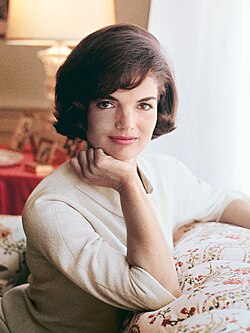
Jackie Kennedy
First Lady whose grace under catastrophe defined a generation's image of the American presidency
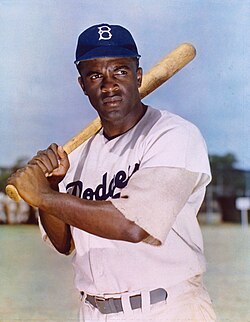
Jackie Robinson
The Man Who Broke Baseball's Color Line, 1919–1972
Jackson Pollock
The poured canvases and the short fame, 1912-1956
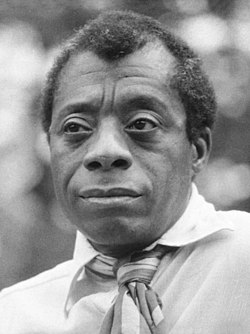
James Baldwin
Novelist and essayist who bore witness to race in America with unmatched clarity
James Buchanan
15th President of the United States, 1857–1861
James Garfield
20th President of the United States, who was killed not by a bullet but by his doctors
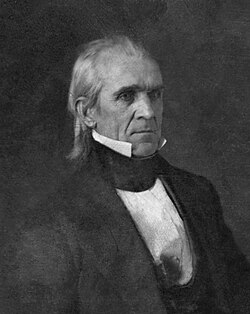
James K. Polk
11th President of the United States and the architect of continental expansion
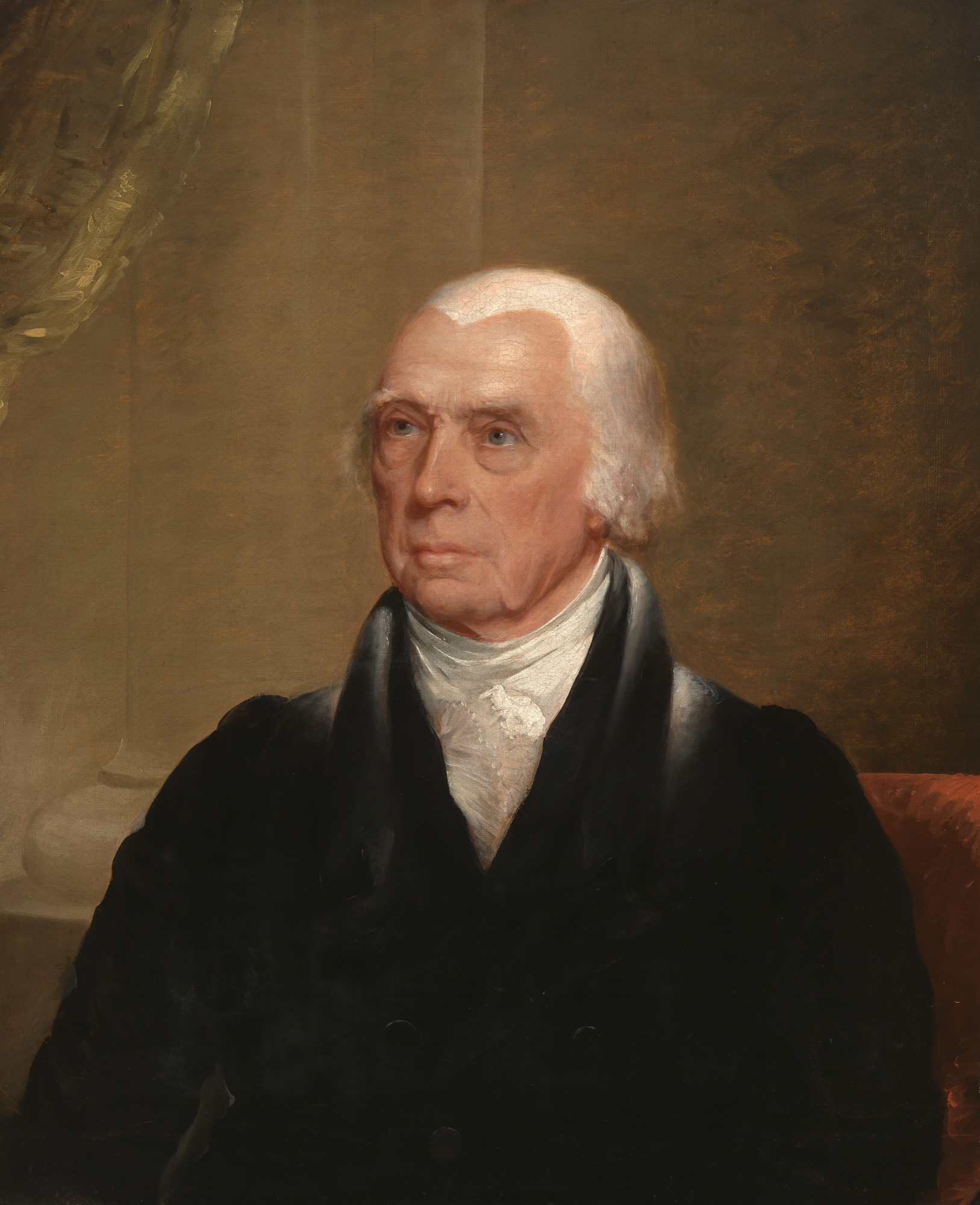
James Madison
Father of the Constitution and fourth President of the United States
James McNeill Whistler
The expatriate who made art about itself, 1834-1903
James Monroe
5th President of the United States and the last of the Founding Fathers to hold the office
Jane Addams
Social reformer, Nobel laureate, and founder of Hull House
Jefferson Davis
President of the Confederate States of America, 1861–1865
Jesse Owens
Four Gold Medals at Hitler's Olympics, 1913–1980
Jim Thorpe
The Native American athlete often called the greatest of the 20th century
Jimmy Carter
39th President of the United States, whose post-presidency eclipsed his time in office
Joe Biden
46th President of the United States, 2021–2025
Joe Louis
The heavyweight champion whose 1938 fight became a battle of nations
John Adams
Second President of the United States, 1797–1801
John Brown
Militant abolitionist who brought the war over slavery to a boil
John C. Calhoun
Senator, Vice President, and the intellectual architect of Southern secessionism
John C. Frémont
The Pathfinder of the West whose maps drew settlers into California and Oregon
John D. Rockefeller
Founder of Standard Oil and the wealthiest private citizen in American history
John F. Kennedy
35th President of the United States, 1961–1963
John Hancock
President of the Continental Congress and the bold first signer of the Declaration
John Jay
First Chief Justice of the United States and co-author of The Federalist Papers
John Marshall
Chief Justice who forged the Supreme Court into a coequal branch of government
John Muir
Naturalist, Writer, and Father of the American Conservation Movement
John Quincy Adams
6th President of the United States, diplomat, and antislavery congressman
John Tyler
10th President of the United States, 1841–1845
John Wesley Powell
The one-armed Civil War veteran who ran the Colorado River through the Grand Canyon
Jonas Salk
Developer of the first effective polio vaccine, 1955
Joseph McCarthy
U.S. Senator whose anti-Communist crusade defined — and disgraced — an era
Joseph Pulitzer
The immigrant publisher who built the New York World, 1847-1911
L
Langston Hughes
Poet, Playwright, and Voice of the Harlem Renaissance
Louis Armstrong
The trumpeter who turned a collective folk music into an art of the individual voice, 1901-1971
Louis Sullivan
The architect who gave the tall building a form, 1856-1924
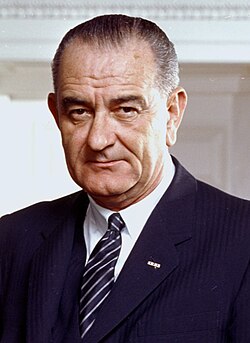
Lyndon B. Johnson
The Texas dealmaker who built the Great Society and broke himself on Vietnam
M
Madam C.J. Walker
The washerwoman who built a beauty empire and a Black fortune
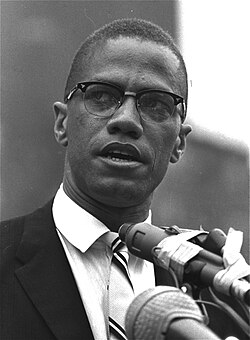
Malcolm X
The civil rights era's most uncompromising voice for Black self-determination and human dignity
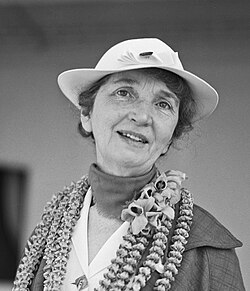
Margaret Sanger
Birth control pioneer whose crusade for reproductive rights is inseparable from her eugenicist ideology
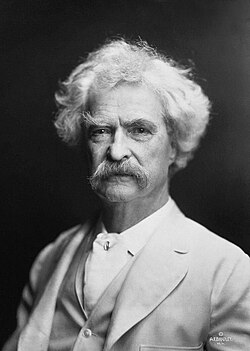
Mark Twain
The Mississippi River humorist who became America's sharpest social critic
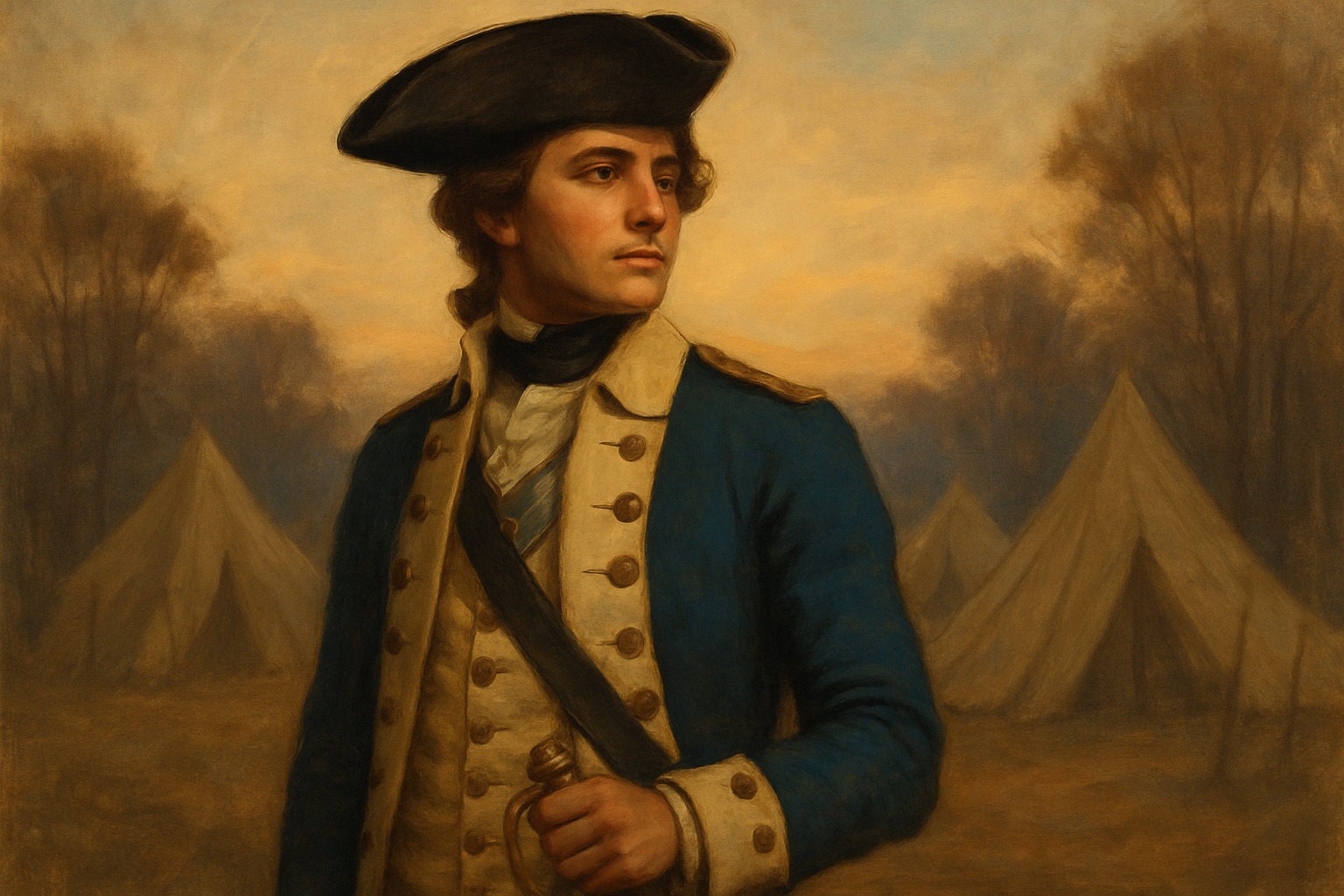
The Marquis de Lafayette
The young French aristocrat who became a hero of the American Revolution
Martha Washington
The first First Lady — a wealthy widow who built the presidency alongside her husband
Martin Luther King Jr.
Baptist minister who led the American civil rights movement
Martin Van Buren
8th President of the United States, 1837–1841
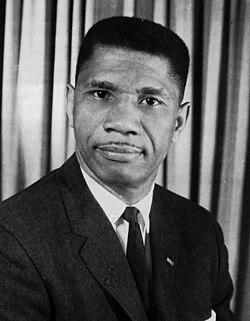
Medgar Evers
NAACP Field Secretary in Mississippi, Assassinated June 12, 1963
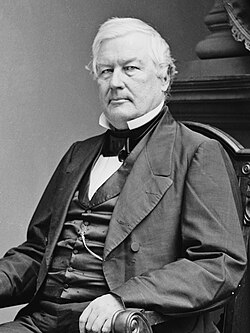
Millard Fillmore
13th President of the United States, whose compromise bought a decade and cost a nation
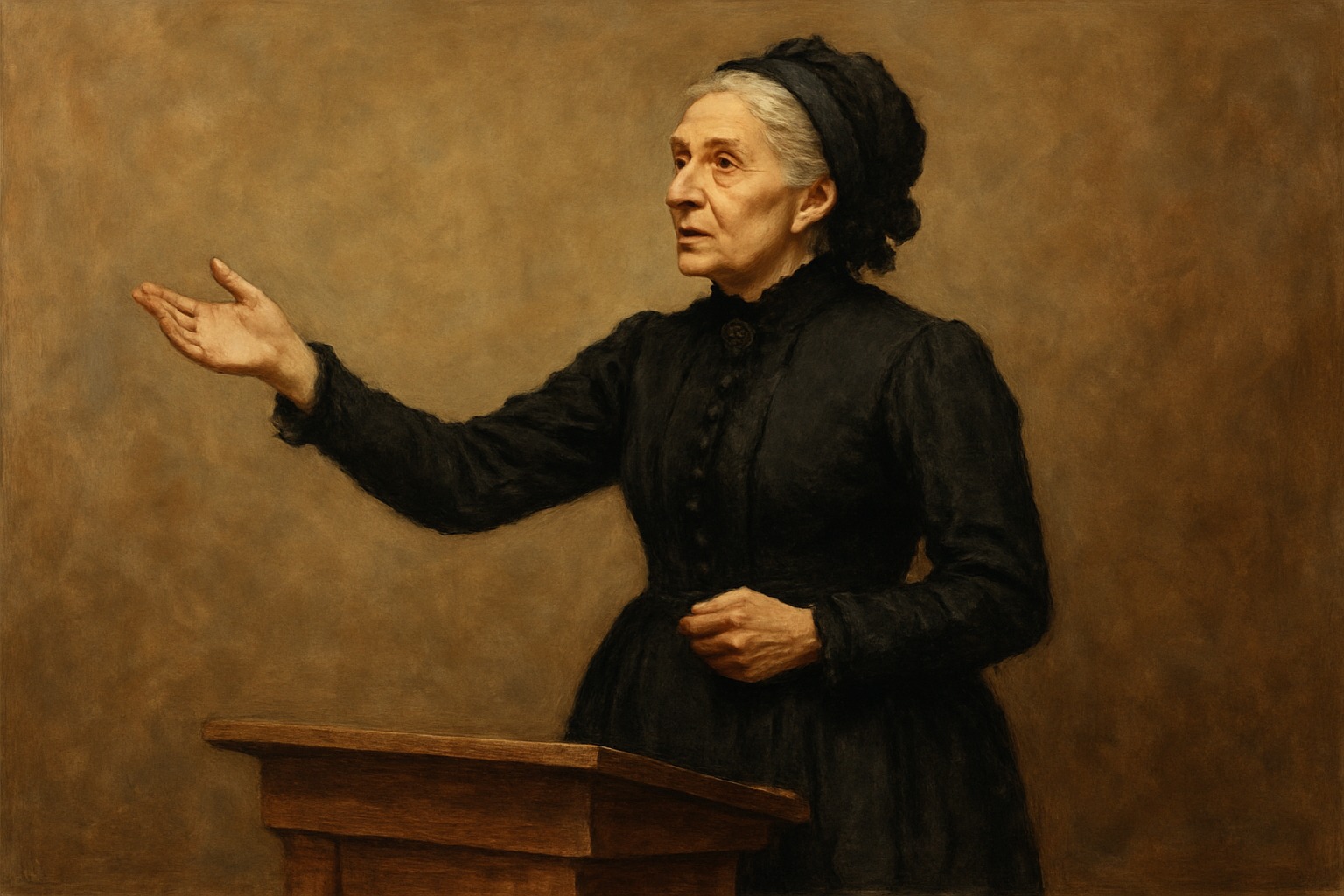
Mother Jones
The fearless organizer once called "the most dangerous woman in America"
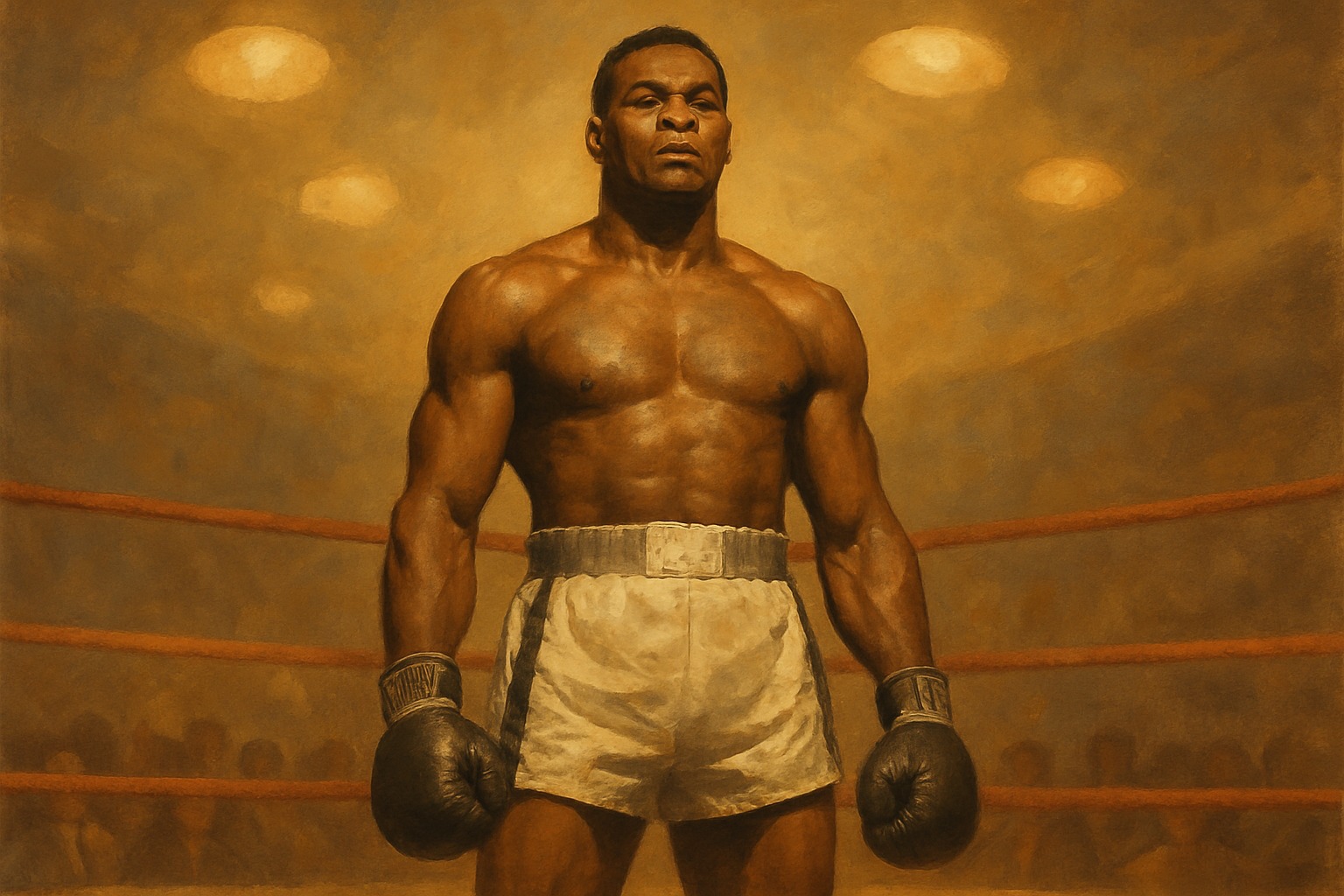
Muhammad Ali
The champion who refused the draft and became a global symbol of conscience
N
Nathan Hale
Continental Army Spy and American Martyr, 1776
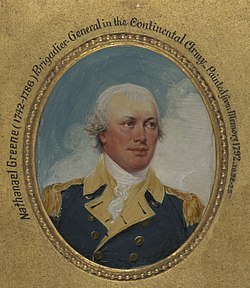
Nathanael Greene
Self-taught general who drove the British from the American South
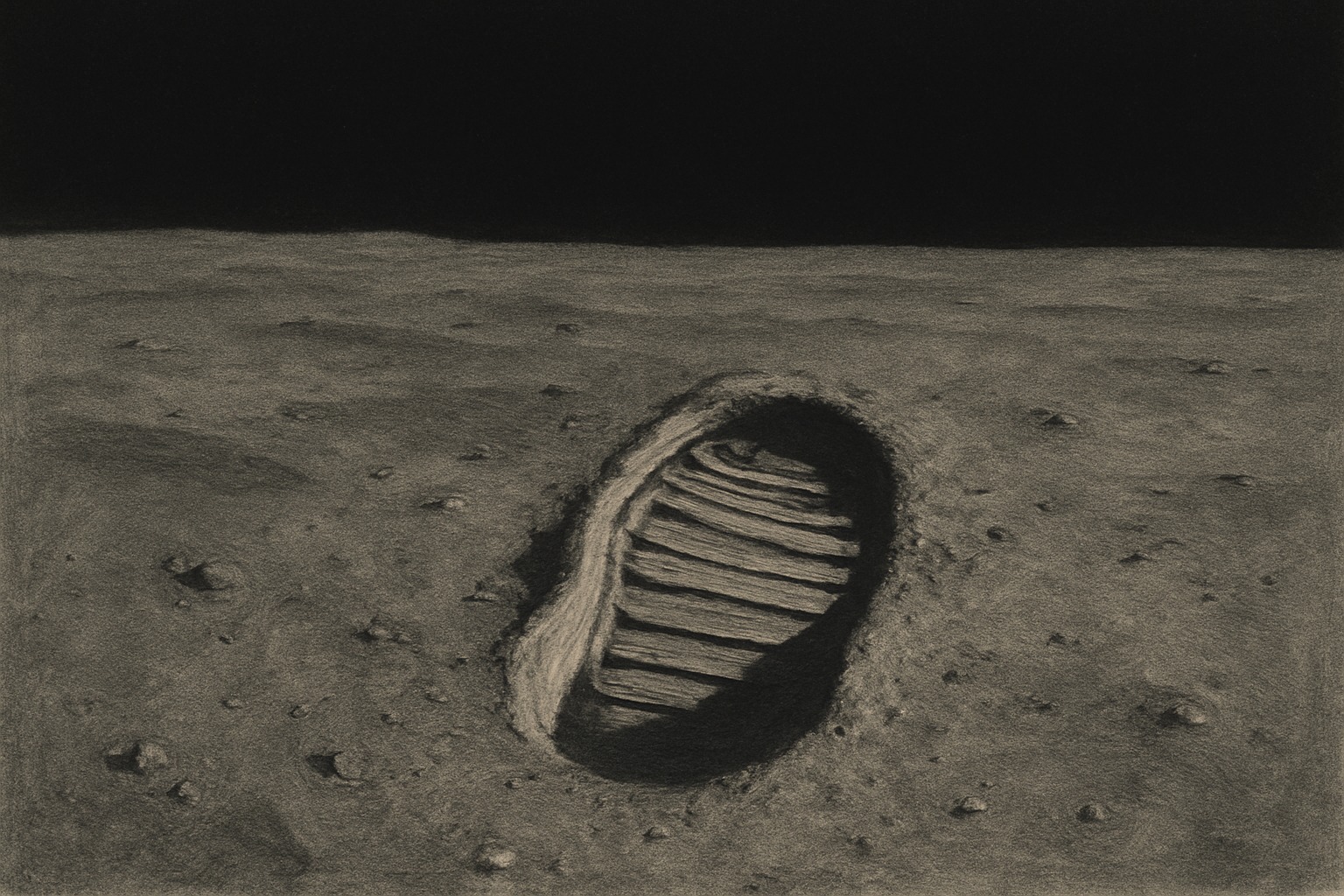
Neil Armstrong
The first human to set foot on the moon
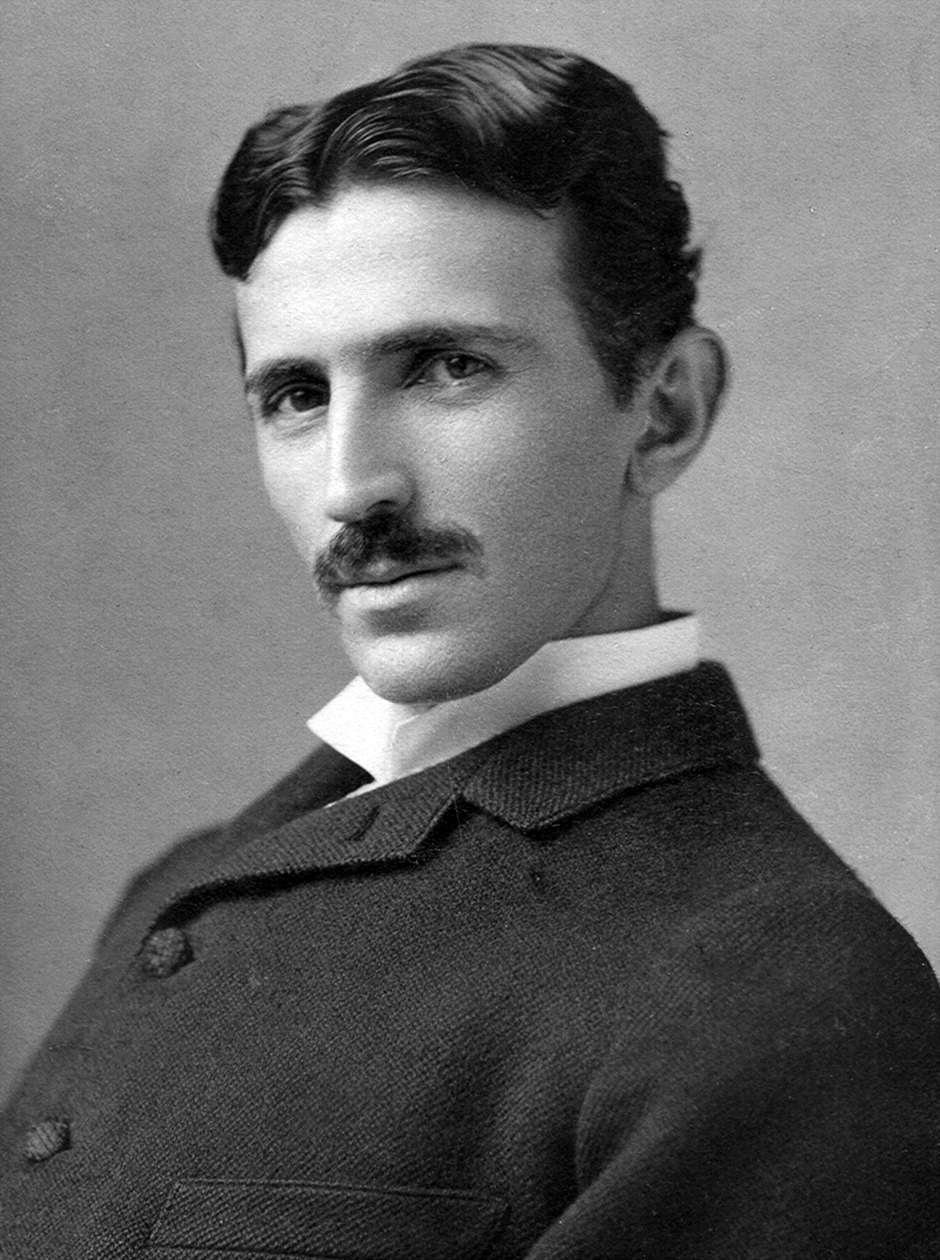
Nikola Tesla
Serbian-American inventor who built the modern electrical world
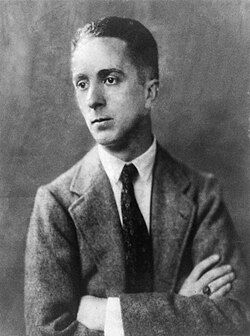
Norman Rockwell
America's most beloved illustrator — and a more complicated artist than his reputation suggests
O
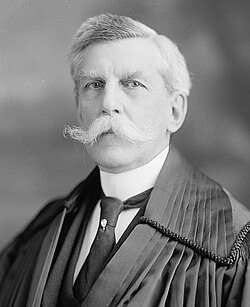
Oliver Wendell Holmes Jr.
The Great Dissenter — Supreme Court Justice and philosopher of American law, 1902–1932
P
Patrick Henry
The orator whose words gave the American Revolution its voice
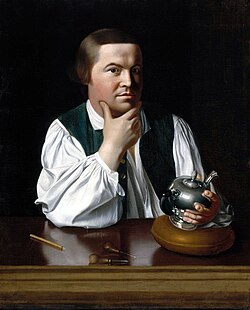
Paul Revere
Boston silversmith and the most famous midnight rider of the American Revolution
Peter Minuit
The man who founded two colonies for two rival powers
Peter Stuyvesant
The last director-general of New Netherland, 1647-1664
Phyllis Schlafly
The conservative organizer who stopped the Equal Rights Amendment
R
Rachel Carson
Marine Biologist and Author Whose Silent Spring Launched the Environmental Movement, 1907–1964
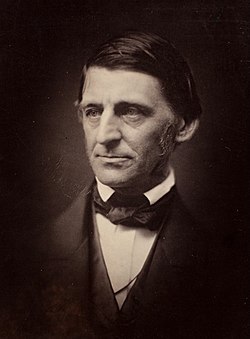
Ralph Waldo Emerson
Father of American Transcendentalism and prophet of self-reliance
Richard Henry Lee
The Virginian who moved the resolution for independence in 1776
Richard Nixon
The 37th President who opened China, ended the draft — and became the only president to resign
Robert E. Lee
Confederate general and the South's most celebrated — and most contested — military commander
Robert F. Kennedy
Attorney General, Senator, and presidential candidate assassinated in 1968
Robert Goddard
Pioneer of modern rocketry who launched the world's first liquid-fueled rocket in 1926
Robert R. Livingston
The Committee of Five member who helped draft the Declaration — and later bought Louisiana
Roger Sherman
The only person to sign all four of the great founding documents
Roger Taney
Chief Justice who wrote the Dred Scott decision — the worst ruling in the Court's history
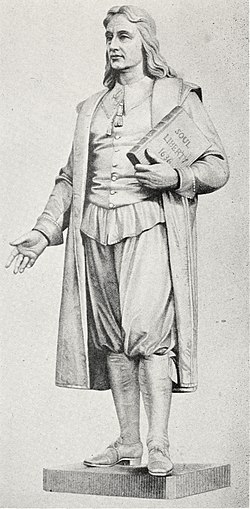
Roger Williams
Puritan exile who founded Rhode Island and first argued that church and state must be separate
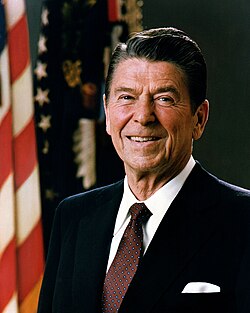
Ronald Reagan
40th President of the United States, 1981–1989
Rosa Parks
Civil rights activist whose 1955 arrest sparked the Montgomery Bus Boycott
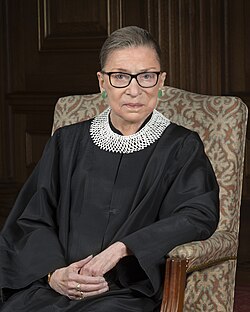
Ruth Bader Ginsburg
Supreme Court Justice and architect of American gender equality law, 1993–2020
Rutherford B. Hayes
19th President of the United States, whose disputed election ended Reconstruction
S
Sacagawea
Shoshone guide and interpreter whose knowledge made the Corps of Discovery possible
Sally Ride
The first American woman in space
Sam Houston
President of Texas, U.S. Senator, and the man who refused to take the Confederacy's oath
Samuel Adams
Founding Father, master agitator, and the man who made revolution seem inevitable
Samuel Gompers
Founder of the American Federation of Labor and father of the U.S. labor movement
Sandra Day O'Connor
First woman to serve on the Supreme Court, 1981–2006
Sequoyah
Cherokee polymath who invented a writing system and made his nation literate in a single generation
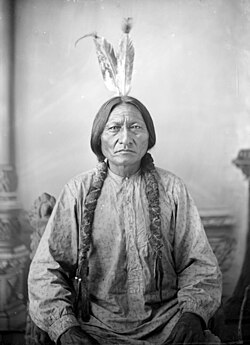
Sitting Bull
Hunkpapa Lakota chief who united the Plains nations against American expansion
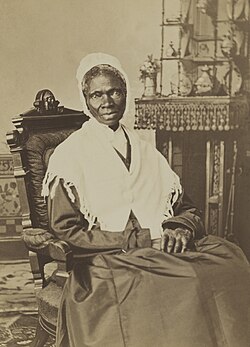
Sojourner Truth
Abolitionist, suffragist, and orator who escaped slavery to become its most forceful living refutation
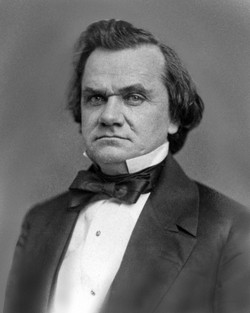
Stephen A. Douglas
The "Little Giant" Whose Kansas-Nebraska Act Fractured the Union, 1813–1861
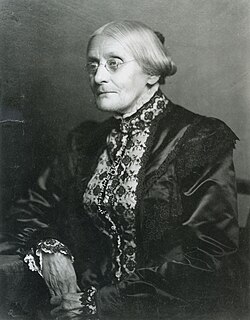
Susan B. Anthony
The suffragist whose half-century of organizing made the 19th Amendment possible
T
Tecumseh
Shawnee leader who built the most powerful Indigenous confederacy in American history
Thaddeus Stevens
Radical Republican Congressman and Architect of Reconstruction
Theodore Roosevelt
26th President who broke trusts, conserved millions of acres, and remade American power
Thomas "Stonewall" Jackson
Confederate General, Army of Northern Virginia, 1861–1863
Thomas Edison
Inventor of the phonograph, the practical light bulb, and the modern research laboratory
Thomas Jefferson
Author of the Declaration of Independence and Third President of the United States
Thomas Paine
The radical pamphleteer who talked a continent into revolution
Thurgood Marshall
The lawyer who dismantled segregation in court and became the first Black Supreme Court Justice
U
Ulysses S. Grant
Commanding general of the Union Army and 18th President of the United States
Upton Sinclair
Muckraking Author of The Jungle Who Accidentally Reformed the Food Supply, 1878–1968
W
W.E.B. Du Bois
Sociologist, co-founder of the NAACP, and theorist of Black identity in America
Walt Whitman
The poet who gave America a democratic literature and witnessed its bloodiest war
Warren G. Harding
29th President of the United States, 1921–1923
William Henry Harrison
9th President of the United States, 1841
William Howard Taft
27th President and 10th Chief Justice of the United States
William Jennings Bryan
The Great Commoner — three-time presidential candidate and prairie populist
William Lloyd Garrison
Publisher, abolitionist, and the loudest moral voice against American slavery
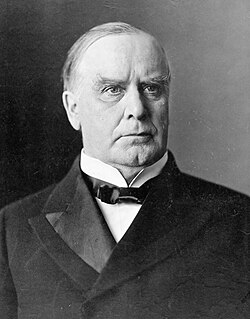
William McKinley
25th President of the United States, who led America into empire and was killed for it
William Randolph Hearst
The publisher who bought his way to a newspaper empire, 1863-1951
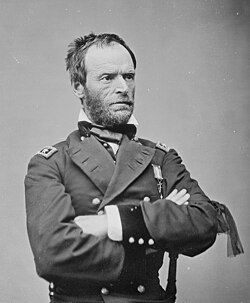
William Tecumseh Sherman
Union general whose March to the Sea broke the Confederacy's will to fight
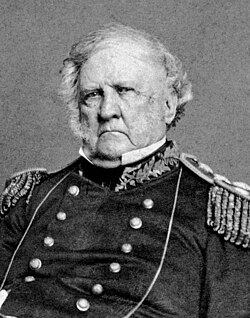
Winfield Scott
General-in-Chief of the U.S. Army and the Soldier Who Defined an Era, 1786–1866
Winslow Homer
The painter of the sea, 1836-1910
Woodrow Wilson
Progressive reformer, World War I president, and architect of the modern international order
Wright Brothers
Wilbur and Orville Wright, pioneers of powered flight
Z
Zachary Taylor
12th President of the United States, a war hero who died before the crisis could break
Zebulon Pike
The Army officer who explored the southern Louisiana Purchase and never climbed Pikes Peak