Marbury v. Madison
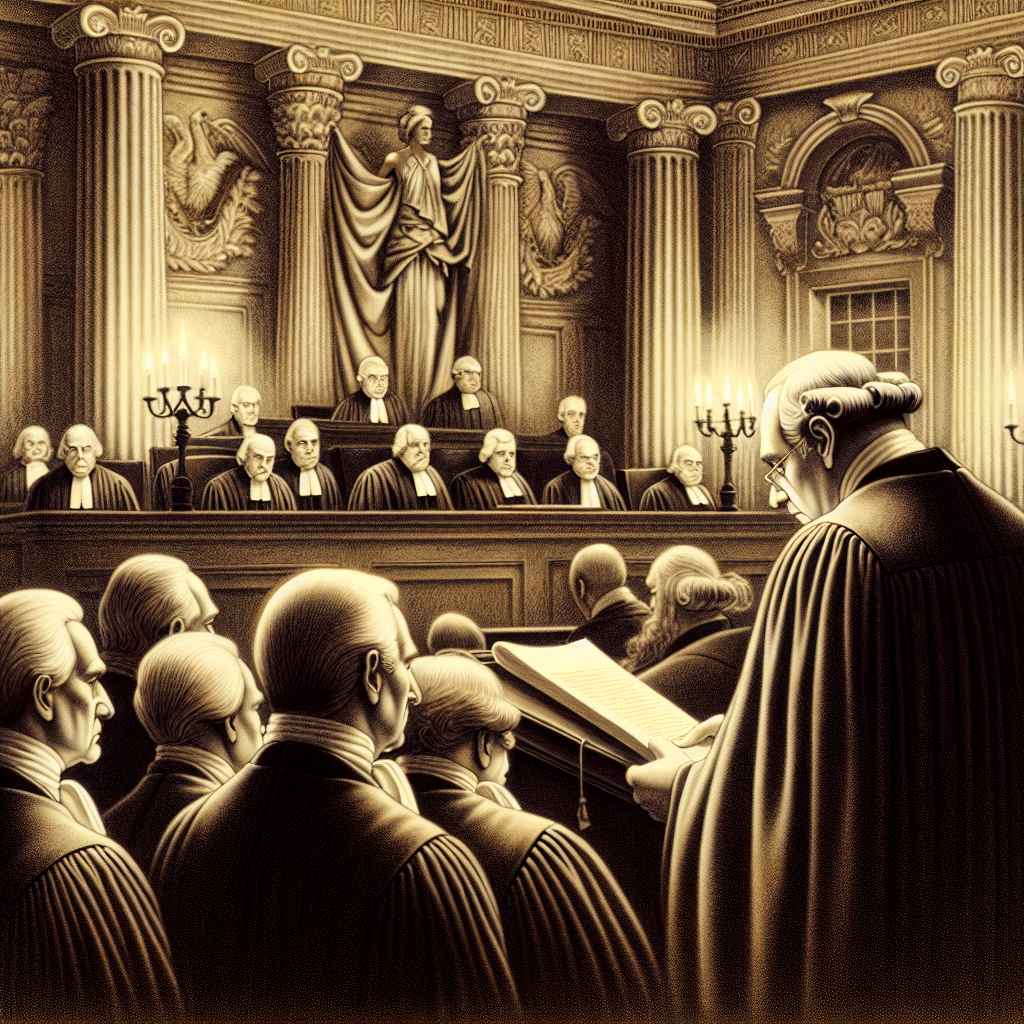
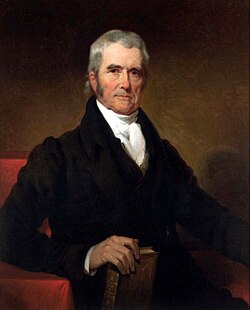
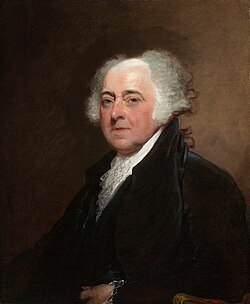
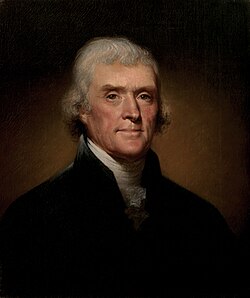
Marbury v. Madison is the foundational case of American constitutional law — the moment when the Supreme Court claimed the authority to declare acts of Congress unconstitutional and made that claim stick. The facts were almost comically petty: William Marbury was a minor judicial appointee confirmed in the final hours of John Adams's presidency, whose commission was withheld by the incoming Jefferson administration. He sued Secretary of State James Madison to force its delivery. Chief Justice John Marshall, writing for a unanimous Court in February 1803, gave Marbury nothing — and in doing so, gave the Court everything.
Marshall's reasoning was a masterwork of strategic jurisprudence. He ruled that Marbury was legally entitled to his commission, then ruled that the law granting the Supreme Court authority to issue the order Marbury requested was itself unconstitutional. By striking down a minor provision of the Judiciary Act of 1789, Marshall established the principle of judicial review — the power of the courts to nullify legislation that conflicts with the Constitution — without giving Jefferson anything to defy or Marbury anything to enforce. Jefferson was furious but trapped.
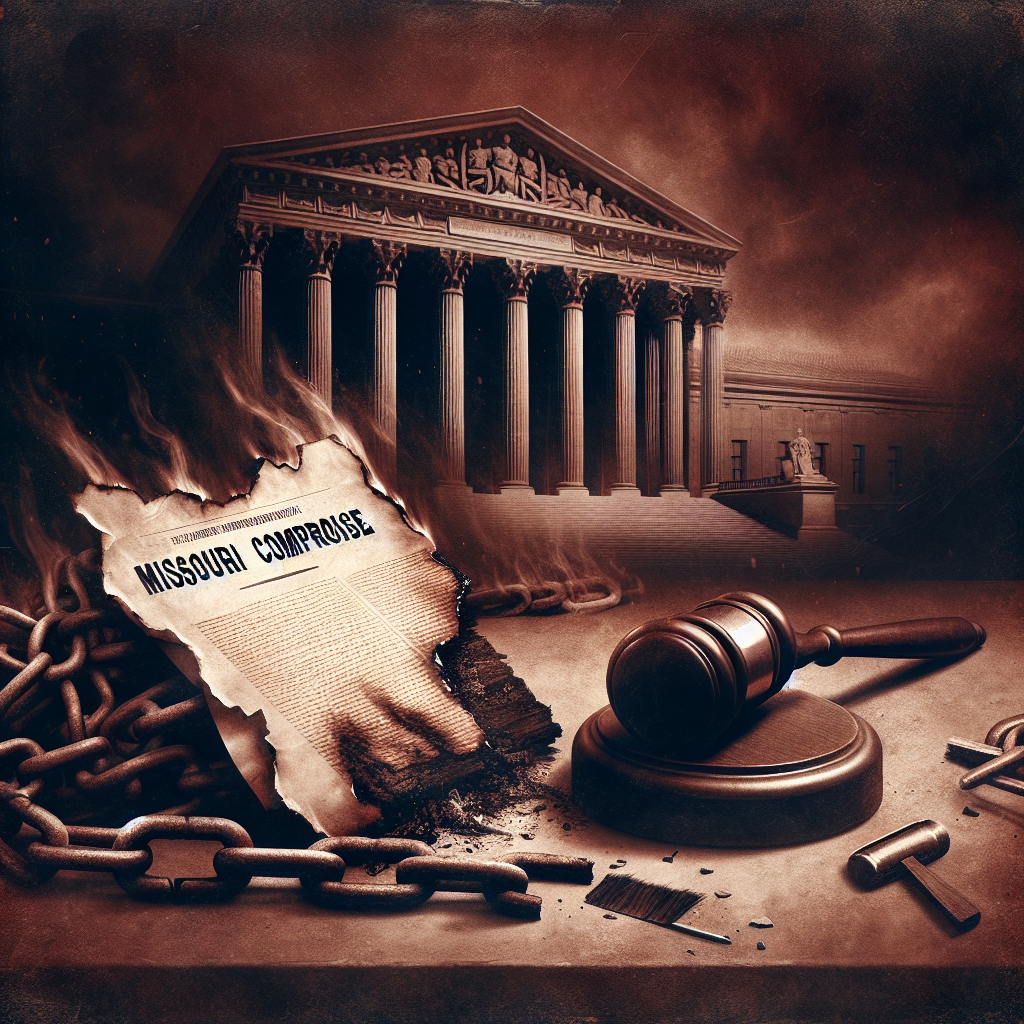
The decision went essentially unchallenged as precedent for the next 54 years. When the Supreme Court next struck down an act of Congress, it was in the Dred Scott decision of 1857 — one of the most disastrous rulings in the Court's history, which suggests that Marshall's restraint in selecting his moment had been wise. Judicial review is now so embedded in American constitutional practice that it is difficult to imagine the legal system without it — which is precisely what Marshall intended.

| Decided | February 24, 1803 |
| Chief Justice | John Marshall |
| Vote | Unanimous |
| Petitioner | William Marbury |
| Respondent | Secretary of State James Madison |
| Principle | Judicial review — federal courts may strike down unconstitutional laws |
| Next Use | Dred Scott v. Sandford (1857) — 54 years later |
| Date | February 24, 1803 |
| Location | Washington, D.C. |