Boston Massacre
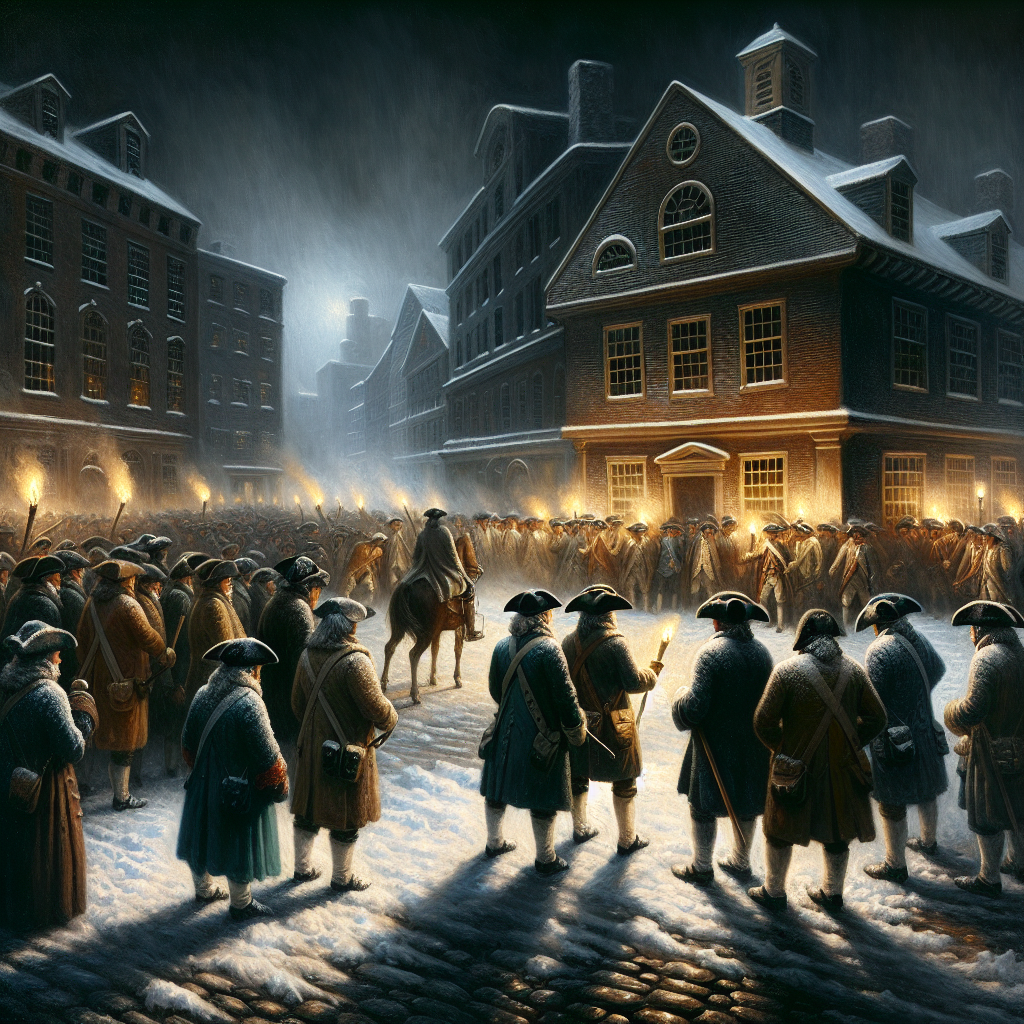
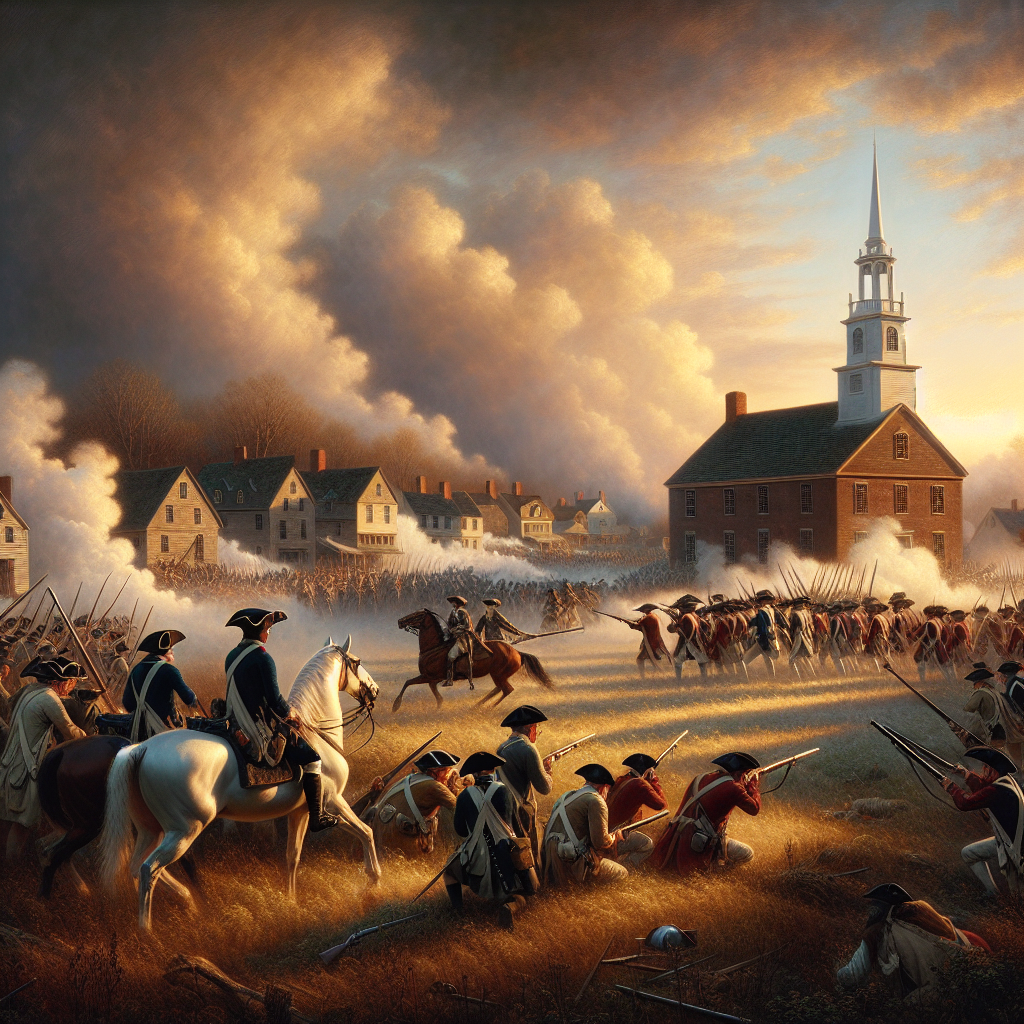
On the evening of March 5, 1770, a crowd of Bostonians — dockworkers, apprentices, and rope-makers, many of them drunk and all of them furious — surrounded a small detachment of British soldiers outside the Custom House on King Street. They threw rocks, ice, and oyster shells. Someone fired. When the smoke cleared, five colonists lay dead or dying on the frozen cobblestones. The British called it a riot. The Patriots called it a massacre. Samuel Adams called it a gift.
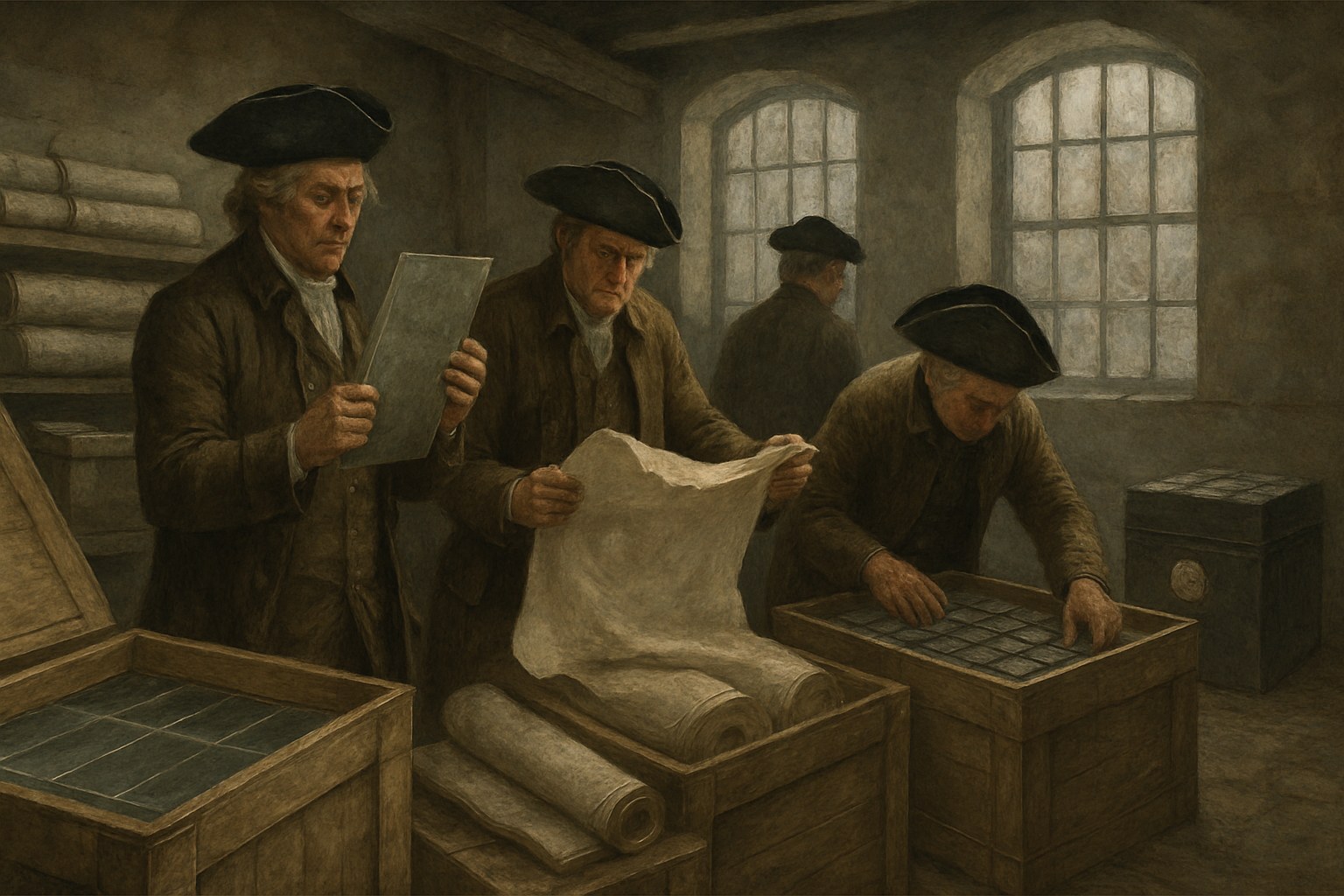
The dead included Crispus Attucks, a man of African and Native American descent who became the first fatality of what would eventually be recognized as the American Revolution. The episode was immediately turned into propaganda by Paul Revere, whose engraving — depicting disciplined British soldiers firing in cold blood into a peaceful crowd — was factually inaccurate and enormously effective. It circulated throughout the colonies within weeks, radicalizing opinion in ways no pamphlet alone could have managed.
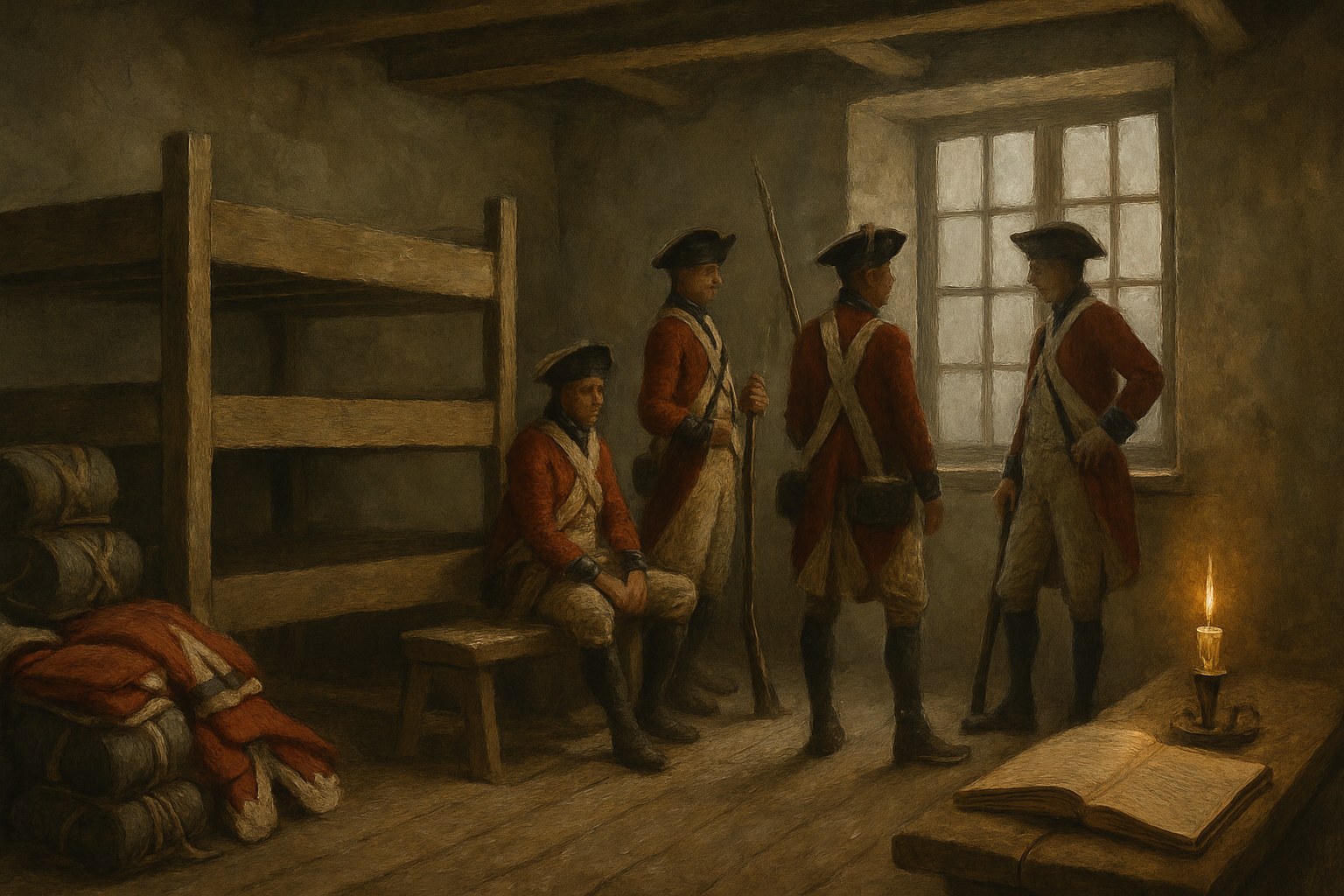
The soldiers were tried for murder. Their defense attorney was John Adams, who took the case deliberately — believing no man should be denied counsel and that acquittals would demonstrate colonial commitment to the rule of law. Six of the eight soldiers were acquitted; two were convicted of manslaughter and branded on the thumb. Adams considered it one of the greatest acts of his career. The British withdrew their troops from Boston shortly after, but the damage to the imperial relationship was permanent.

| Date | March 5, 1770 |
| Location | King Street (now State Street), Boston, Massachusetts |
| Dead | Crispus Attucks, Samuel Gray, James Caldwell, Samuel Maverick, Patrick Carr |
| British Soldiers Tried | 8 soldiers; 6 acquitted, 2 convicted of manslaughter |
| Defense Attorney | John Adams |
| Propaganda | Paul Revere's engraving widely circulated, 1770 |
| Date | March 5, 1770 |
| Location | Boston, Massachusetts |