Louisiana Purchase
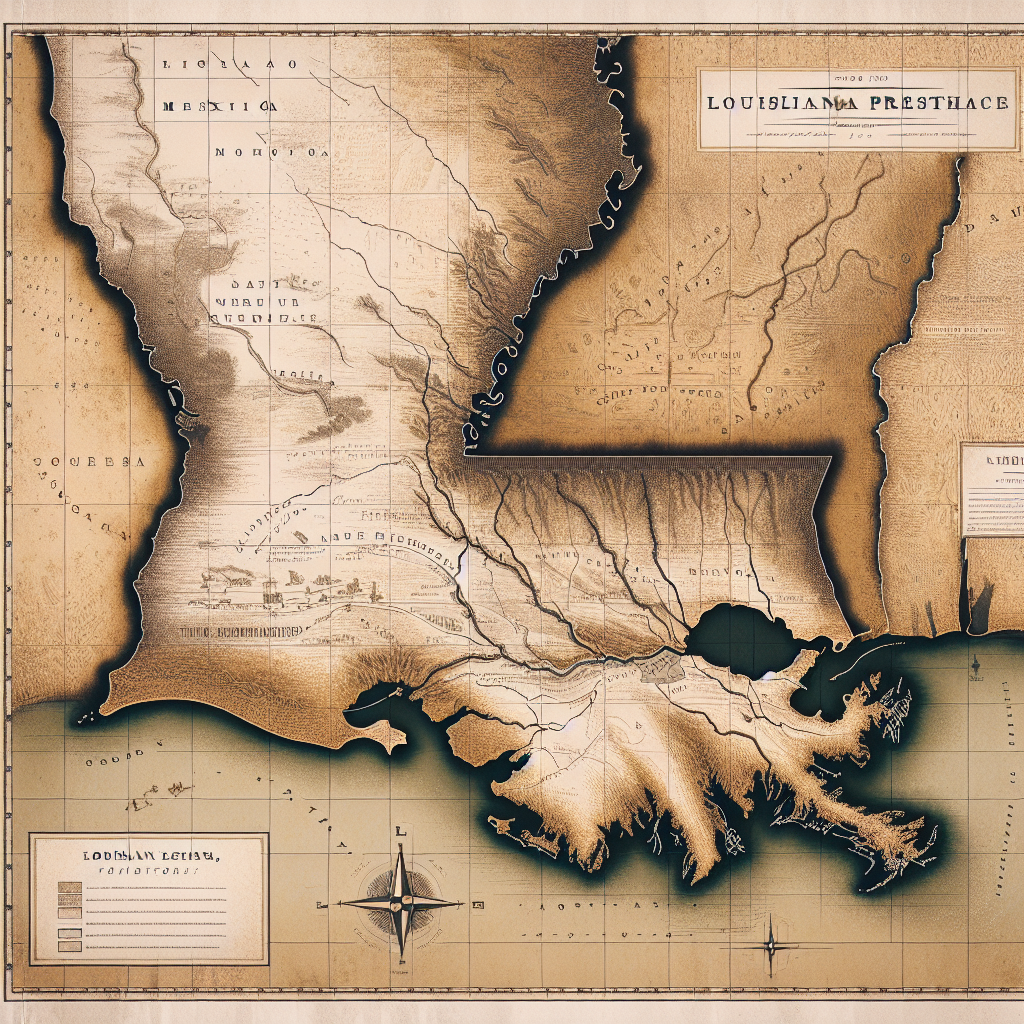
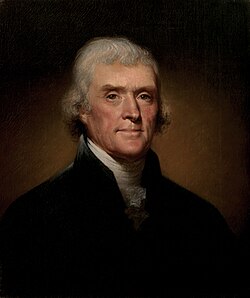
Thomas Jefferson had no constitutional authority to do it — and he knew it. When Napoleon Bonaparte offered to sell the entire Louisiana Territory in the spring of 1803, roughly 828,000 square miles stretching from the Gulf of Mexico to the Canadian Rockies, for $15 million, Jefferson swallowed his strict-constructionist principles and bought it anyway. The purchase doubled the size of the United States overnight, at approximately three cents an acre, without a single shot fired.
The deal materialized because Napoleon's ambitions in the Western Hemisphere had collapsed. The Haitian Revolution — the only successful slave revolt in history to produce an independent nation — had destroyed his expeditionary army and ended his dream of a French empire in the Americas. Needing cash for his European wars, he sold a continent. American envoys James Monroe and Robert Livingston had been authorized to spend $10 million for New Orleans alone; they came home with the whole territory for $15 million.
The purchase launched Lewis and Clark's Corps of Discovery, transformed the United States into a continental power, and set the conditions for the removal and destruction of the dozens of Native nations who already inhabited the territory. The constitutional question Jefferson had agonized over was never cleanly resolved — Congress ratified the treaty and appropriated the funds, establishing by precedent that presidents can acquire vast territory without an explicit constitutional grant, a precedent the executive branch has found useful ever since.



| Signed | April 30, 1803 |
| Purchase price | $15 million (~$342 million today) |
| Area acquired | ~828,000 square miles |
| Cost per acre | ~3 cents |
| Negotiators | James Monroe, Robert Livingston |
| Seller | Napoleon Bonaparte (France) |
| States created | All or part of 15 U.S. states |
| Date | April 30, 1803 |
| Location | New Orleans, Louisiana |