The 13 Colonies: A Guide to Each One
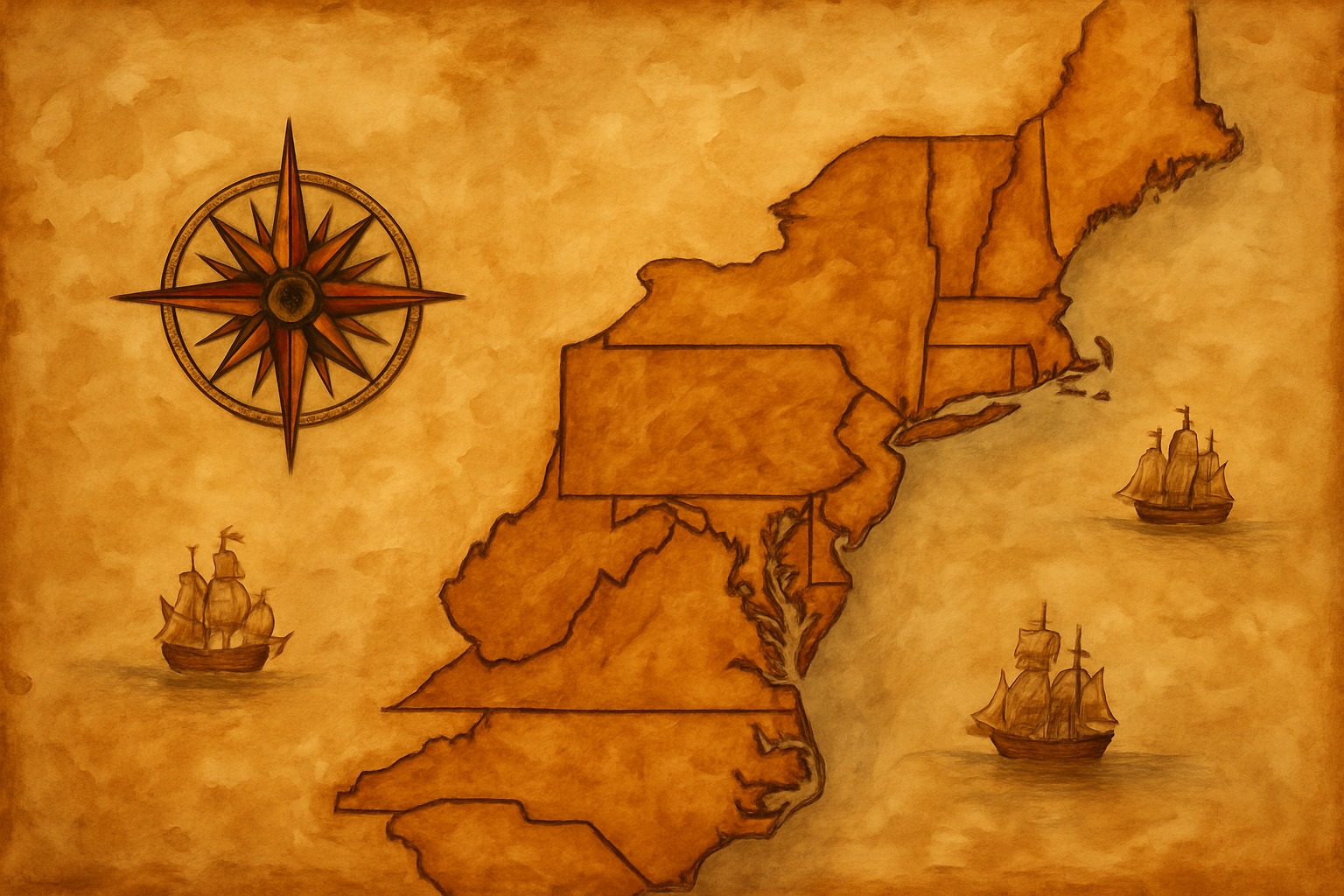
The United States grew out of thirteen separate British colonies strung along the Atlantic seaboard — founded across more than a century for reasons as different as profit, religious refuge, and military defense. They were never a single project; they were rivals as often as neighbors, and welding them into one nation was the hard work of the Revolution and the Constitution.
This guide covers all thirteen, grouped into the three regions historians use — New England, the Middle Colonies, and the Southern Colonies. Each links to a full account of its founding and its road to statehood.
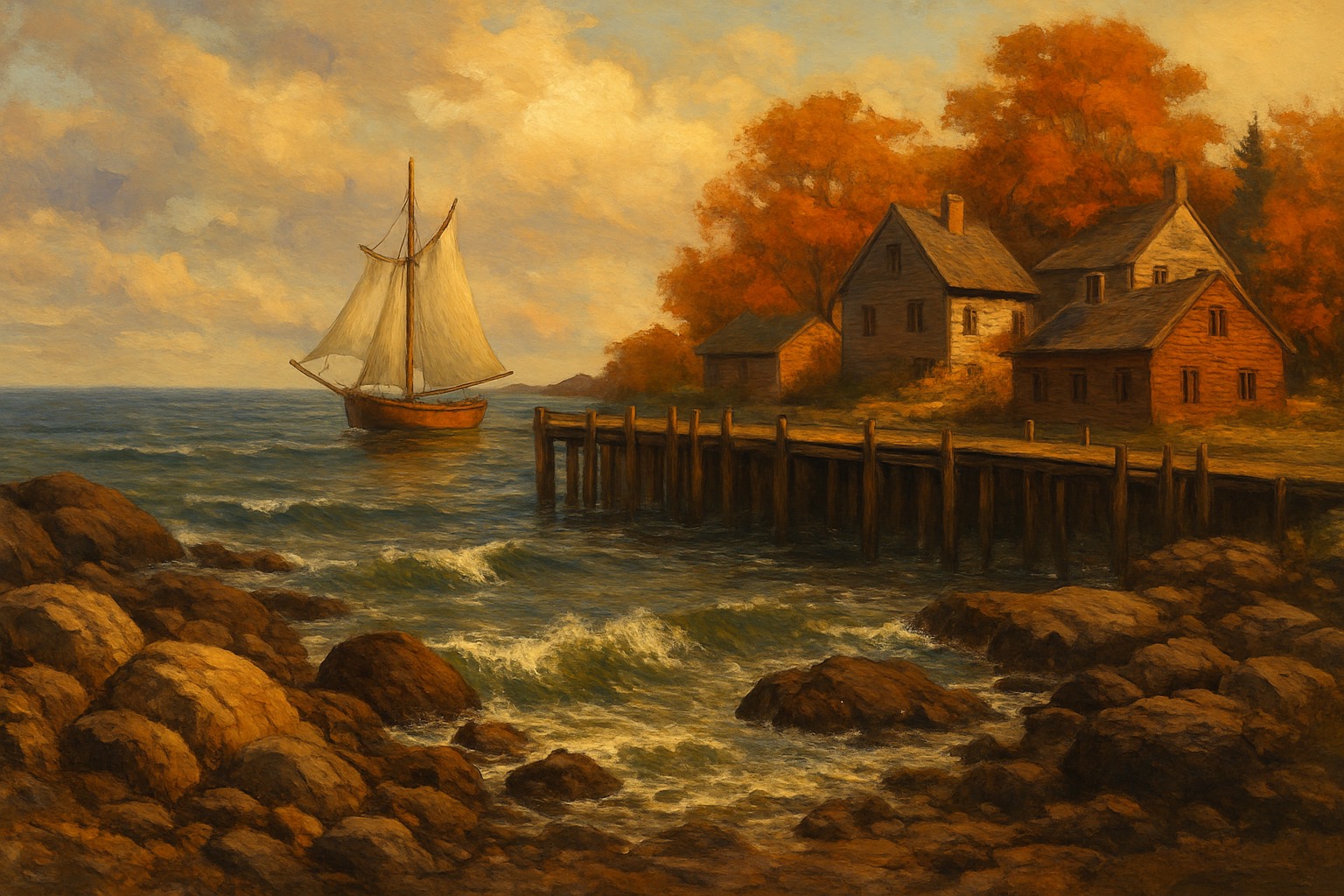
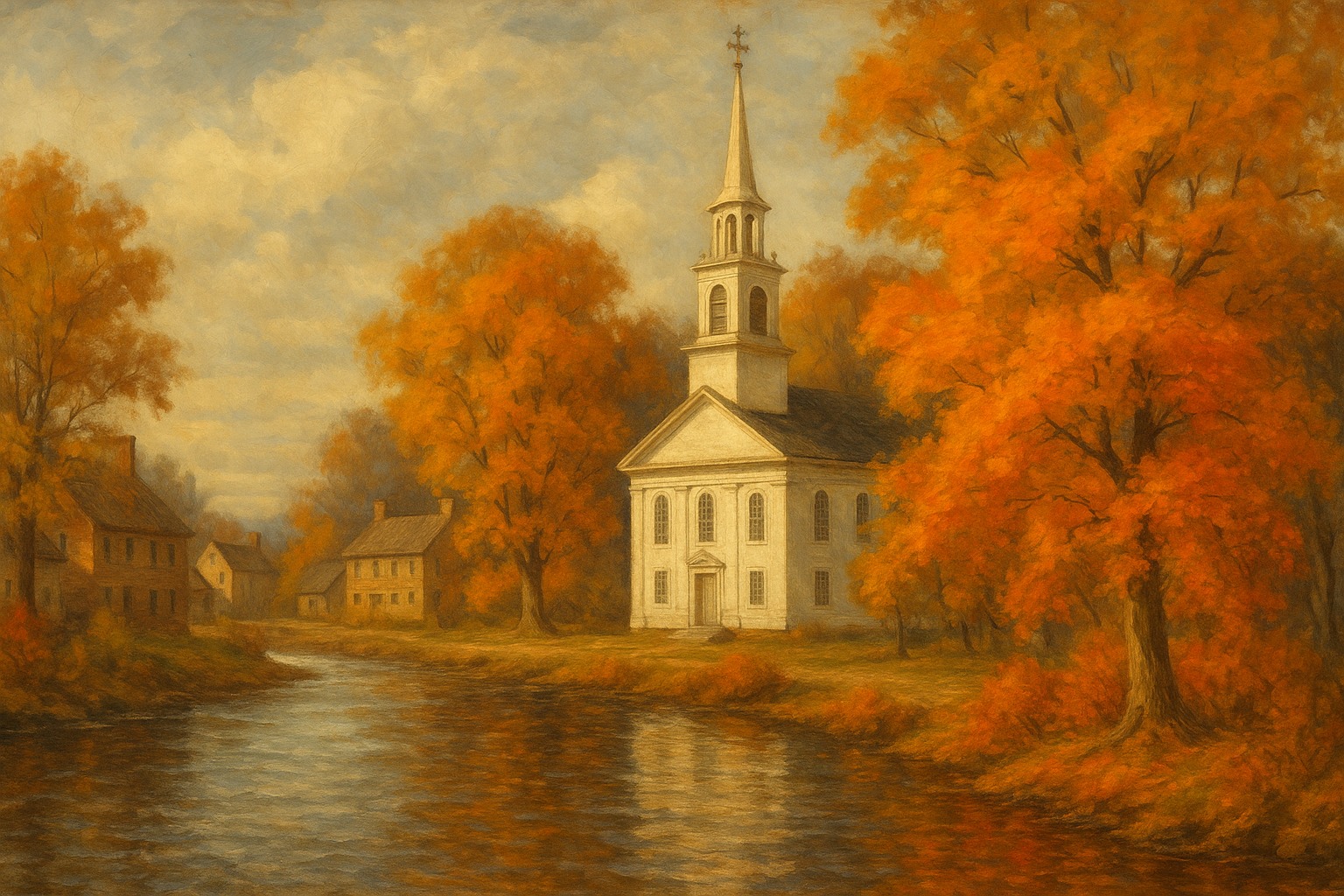
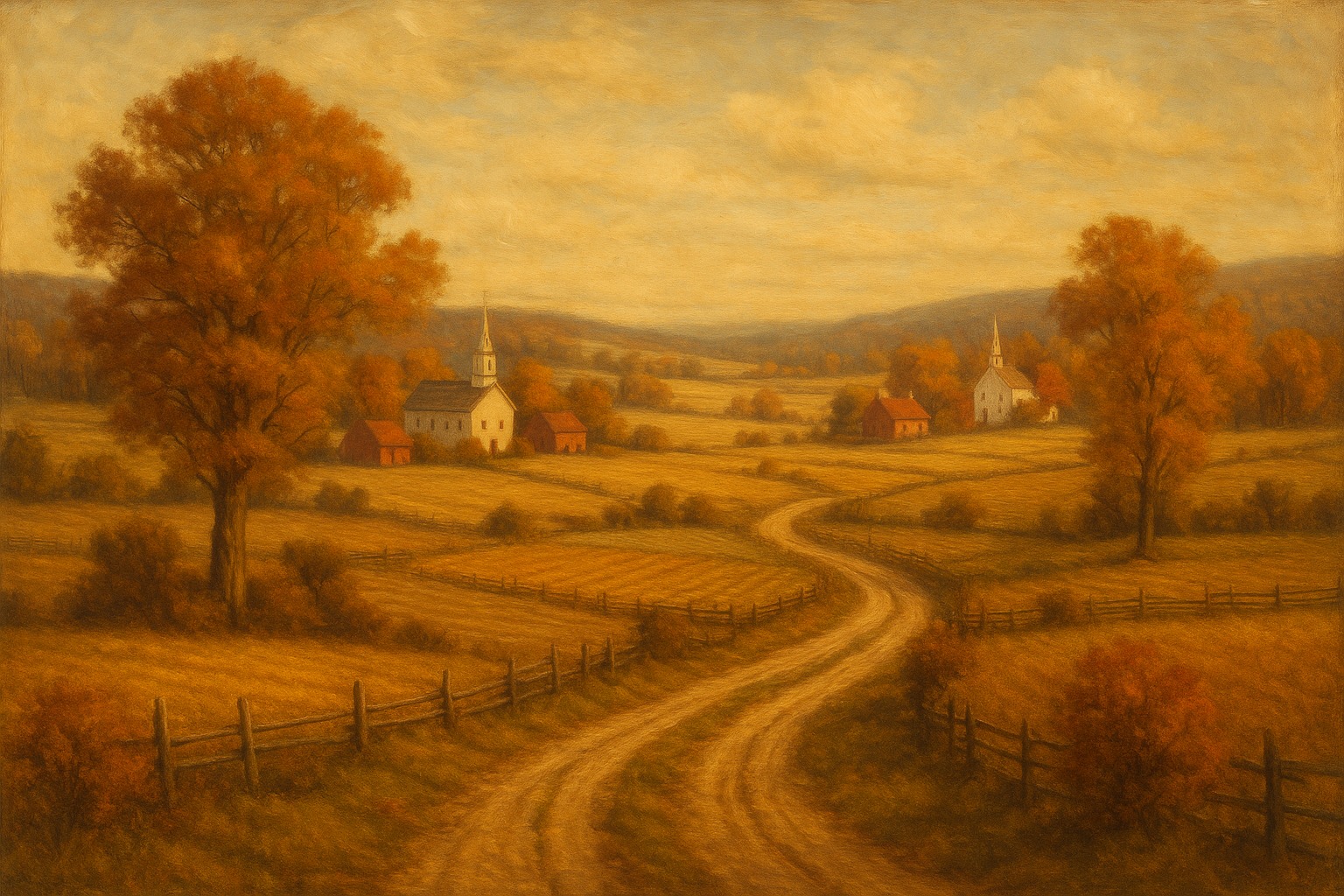
The northern colonies were founded largely on faith. Settled by religious dissenters seeking to build their own communities, they grew into towns of small farms, shipping, and self-government that shaped the region's distinct character.

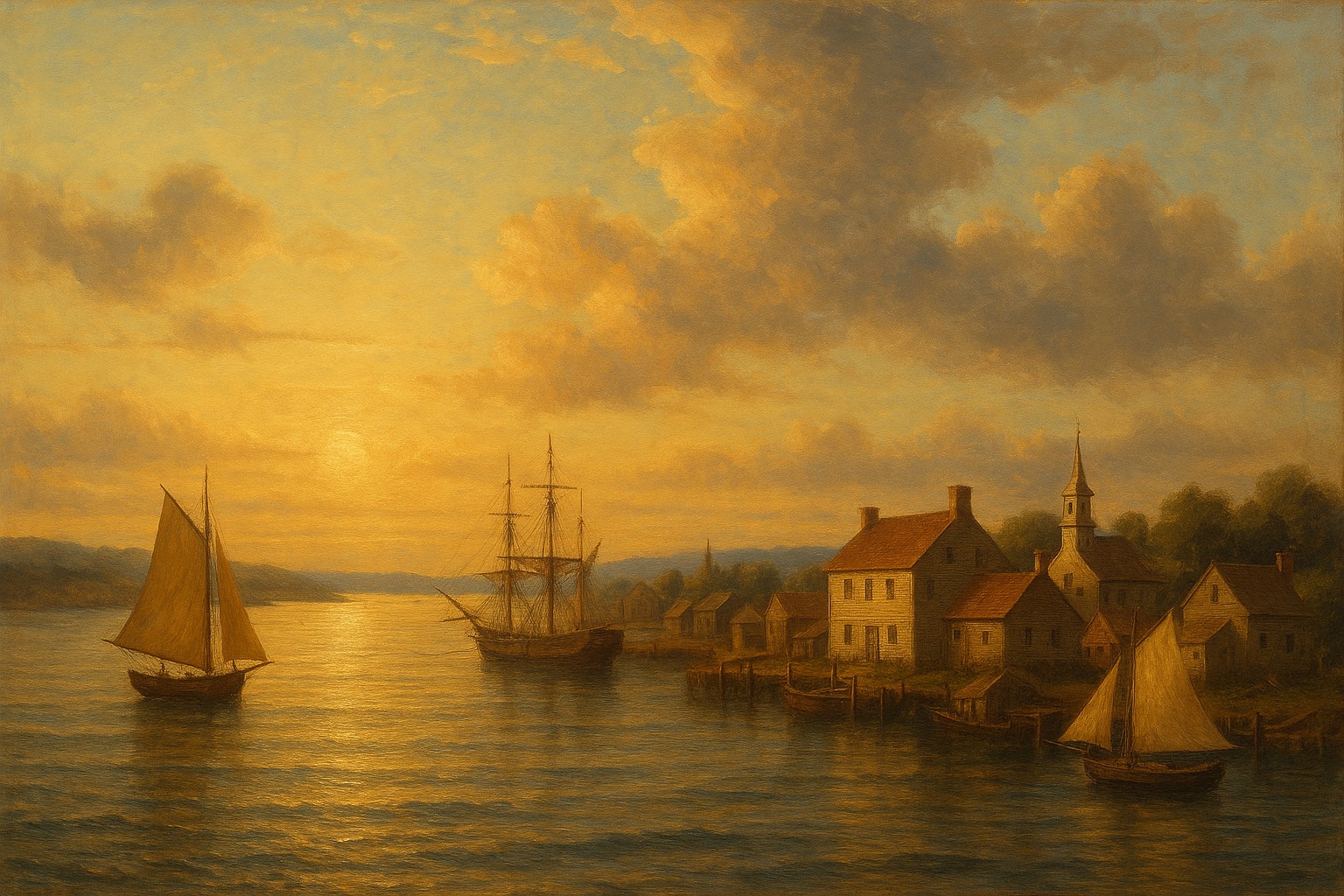
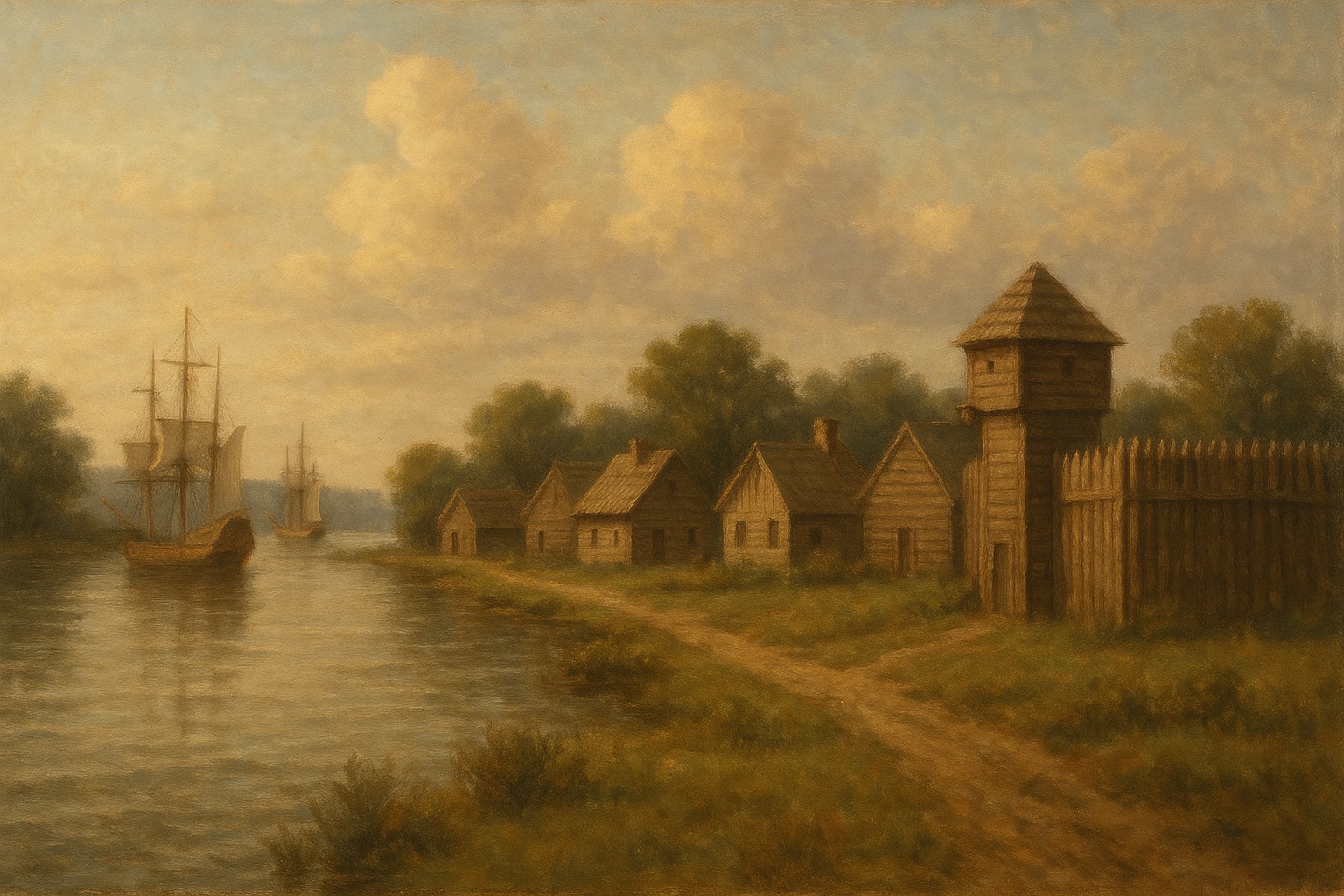
The colonies between were the most diverse in early America - mixed in religion, language, and origin, and oriented toward trade. Their tolerance and commerce made them the most cosmopolitan corner of the colonial world.


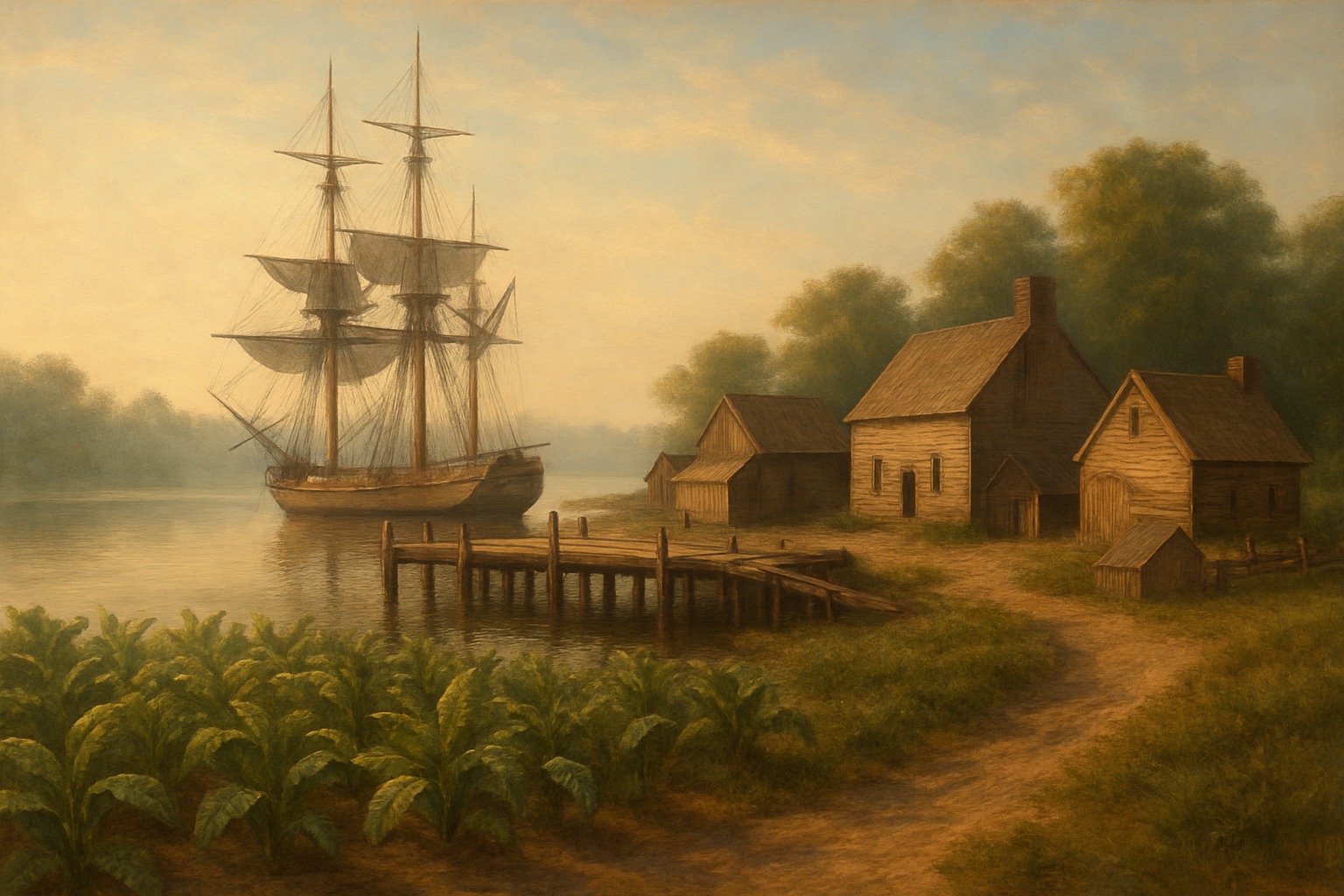
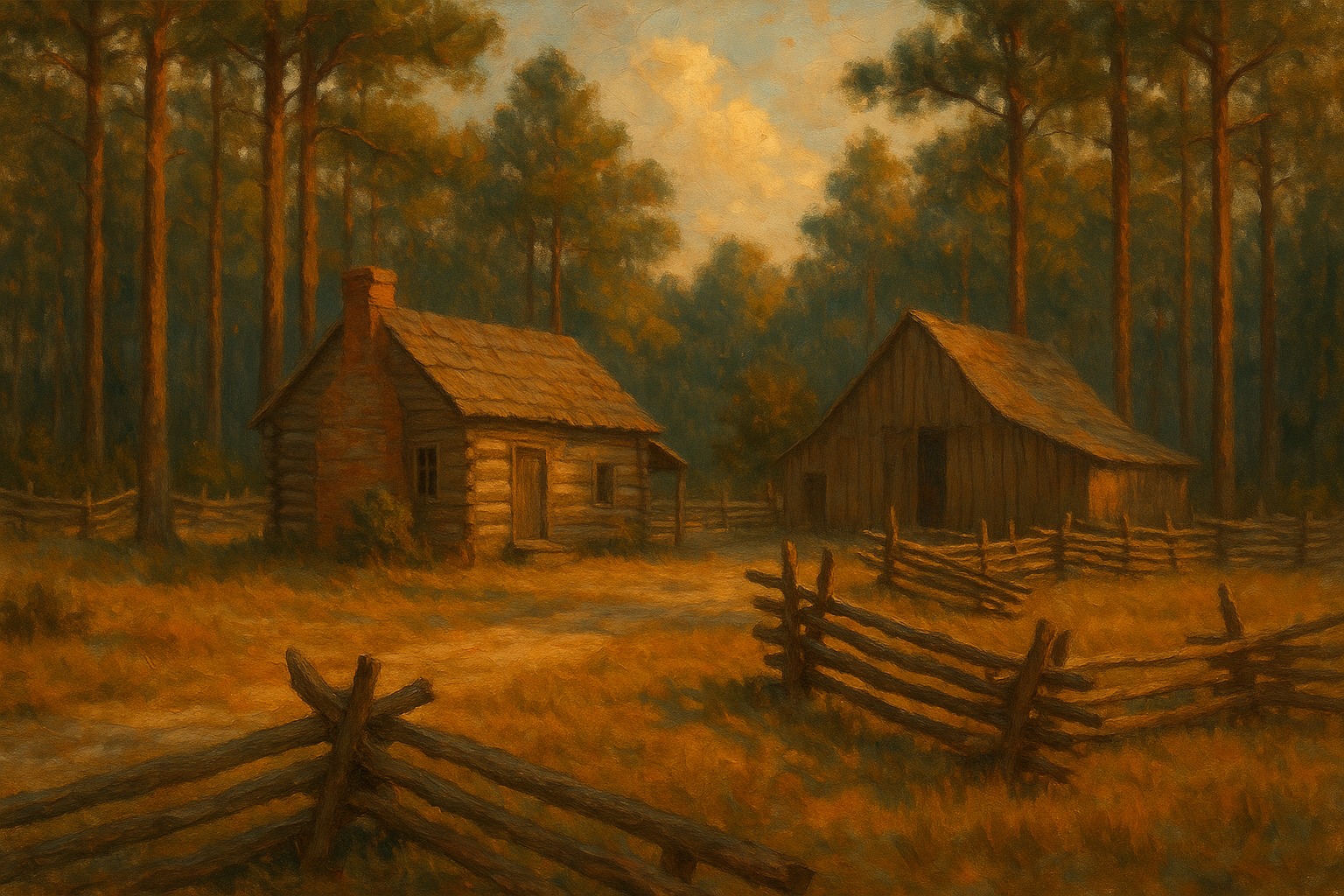
The southern colonies were built on staple crops and, increasingly, on slavery. Their plantation economies produced great wealth for a few and bound the region to a labor system whose consequences shaped the nation for centuries.

For what they built together, see the American Revolution timeline and the guide to the Founding Fathers.