America's Worst Disasters: Fire, Flood, Plague, and Catastrophe
Disasters have punctuated American history and, again and again, changed it. Cities burned, rivers drowned whole towns, plagues killed hundreds of thousands, and the failures of modern technology exposed the dangers of a complex nation. Each catastrophe is a story of loss — but also of the reforms, the rescues, and the resolve that followed. This guide gathers the worst of them.
It groups them by kind: the great fires and earthquakes, the storms and floods, the epidemics, the industrial and technological failures, and the deliberate catastrophes of terrorism. Each entry links to a full account.
Start here for the larger story - how catastrophe, natural and man-made, has tested American cities and reshaped the rules meant to keep people safe. The sections that follow group the disasters by kind.
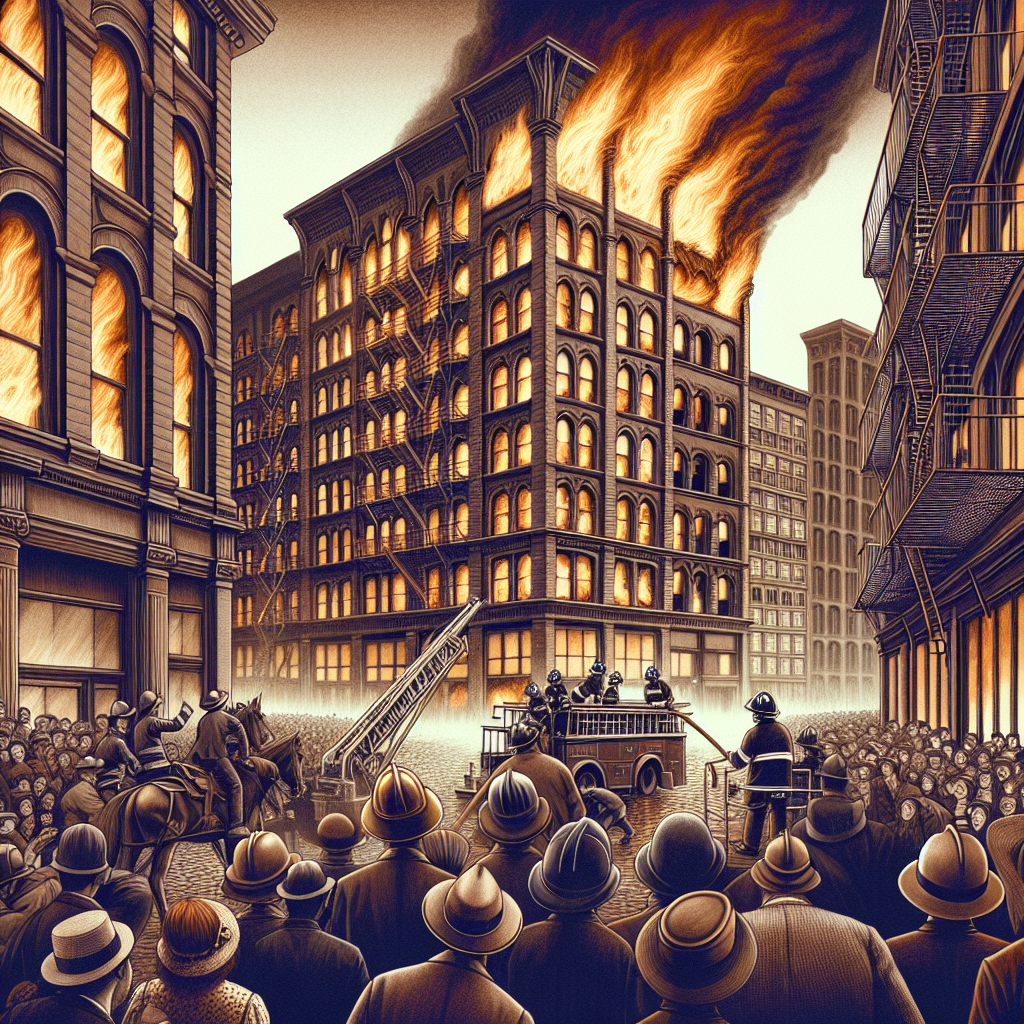
Some disasters arrive in an instant. These entries cover the great fires and earthquakes that leveled American cities and forced the country to rebuild - and to rethink how it builds.
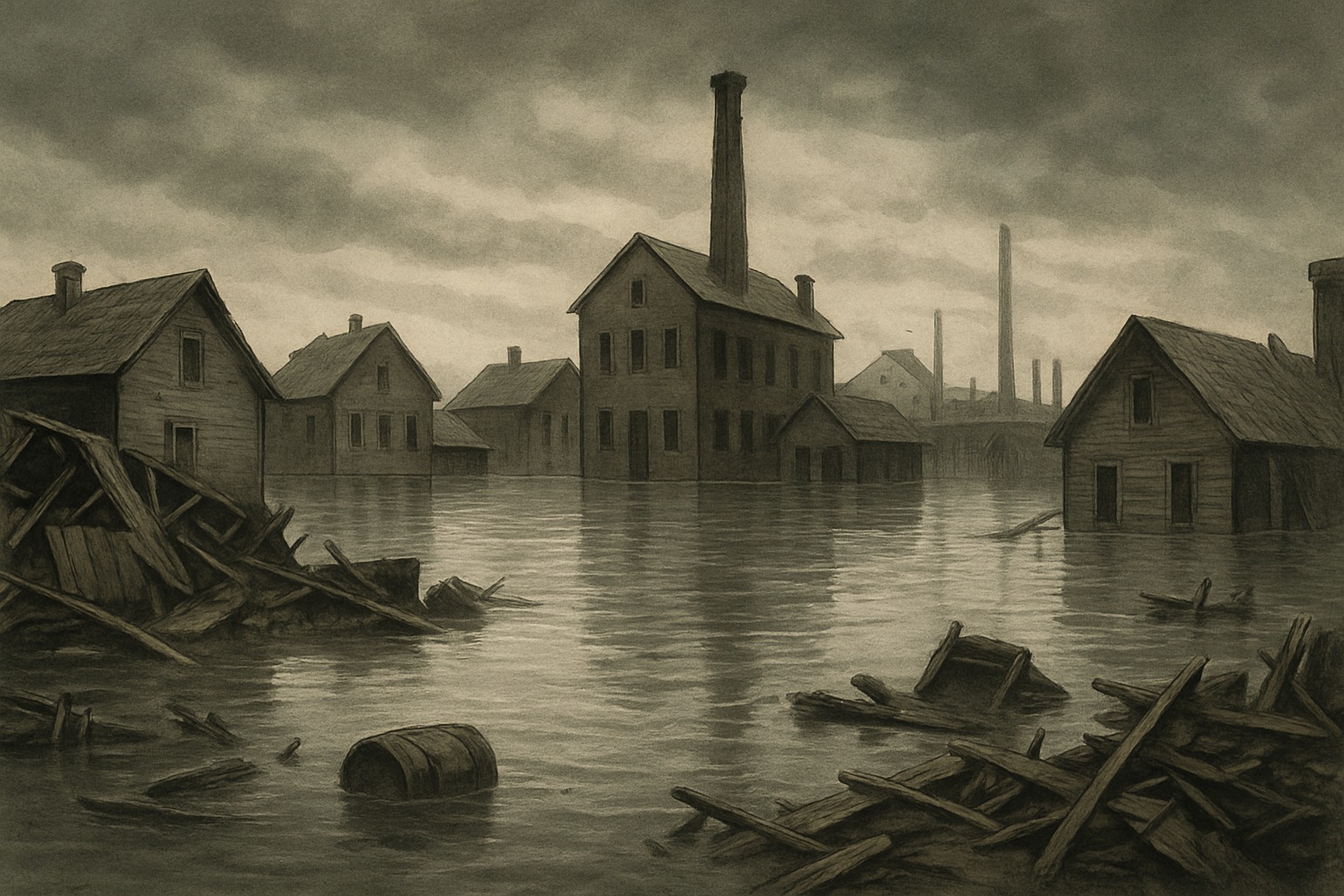
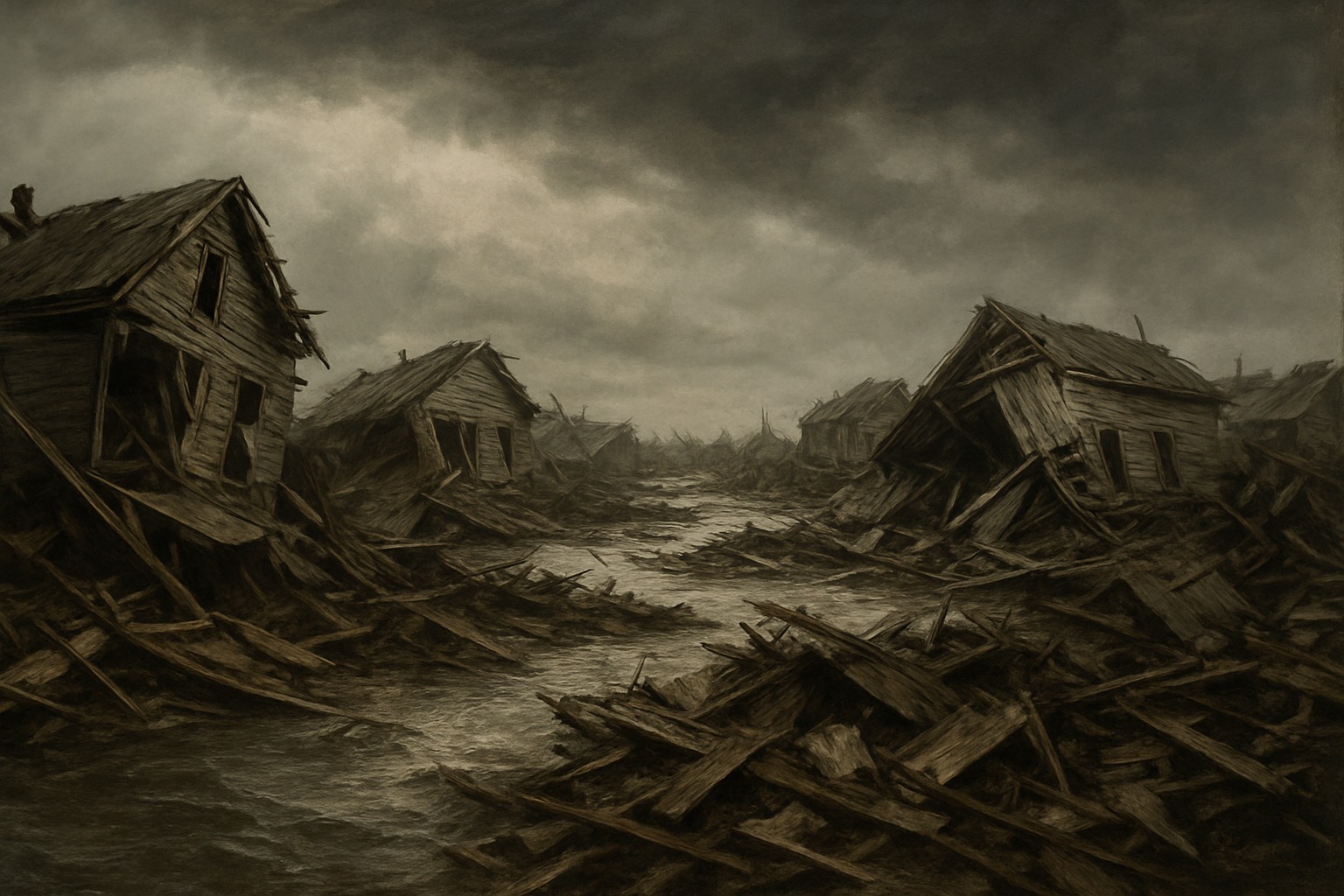
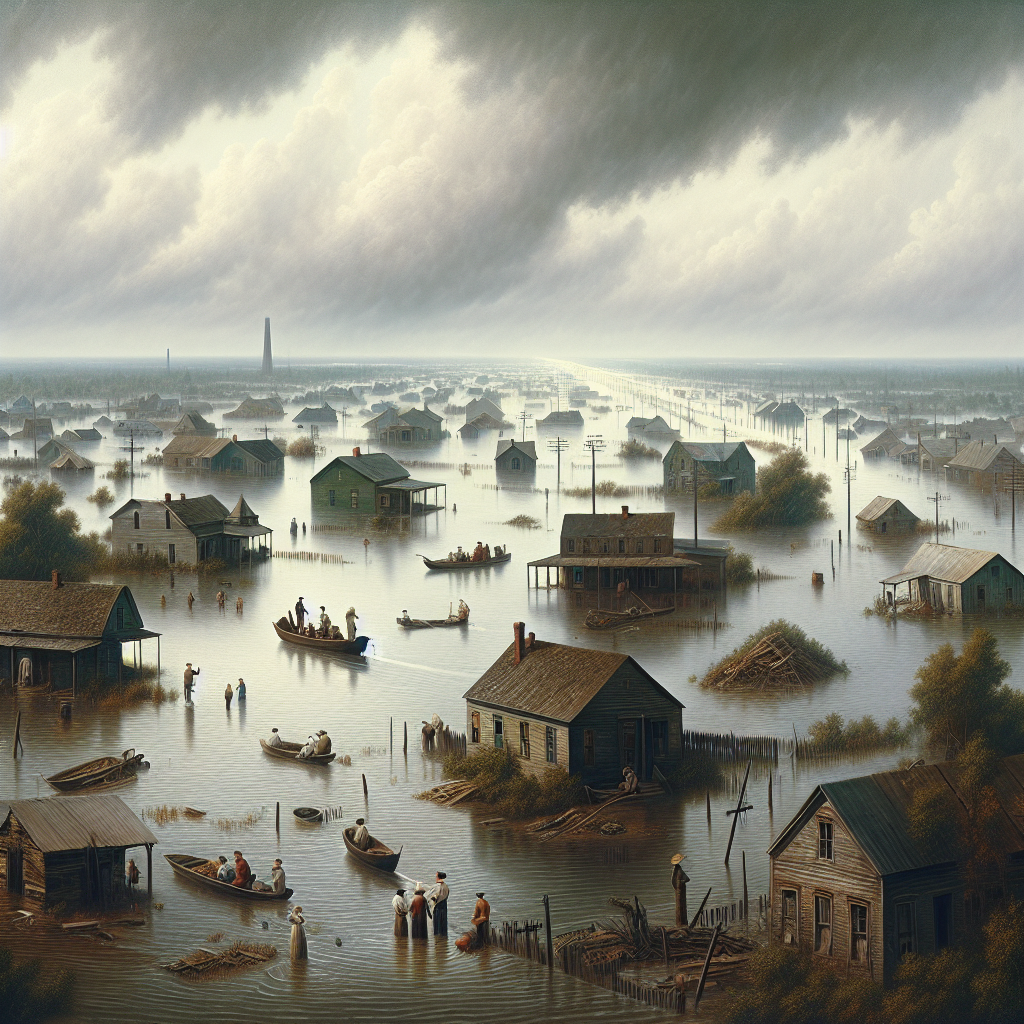
Water has been among the deadliest forces in American history. These entries cover the hurricanes and floods that drowned cities and coastlines, exposing the limits of the defenses built against them.
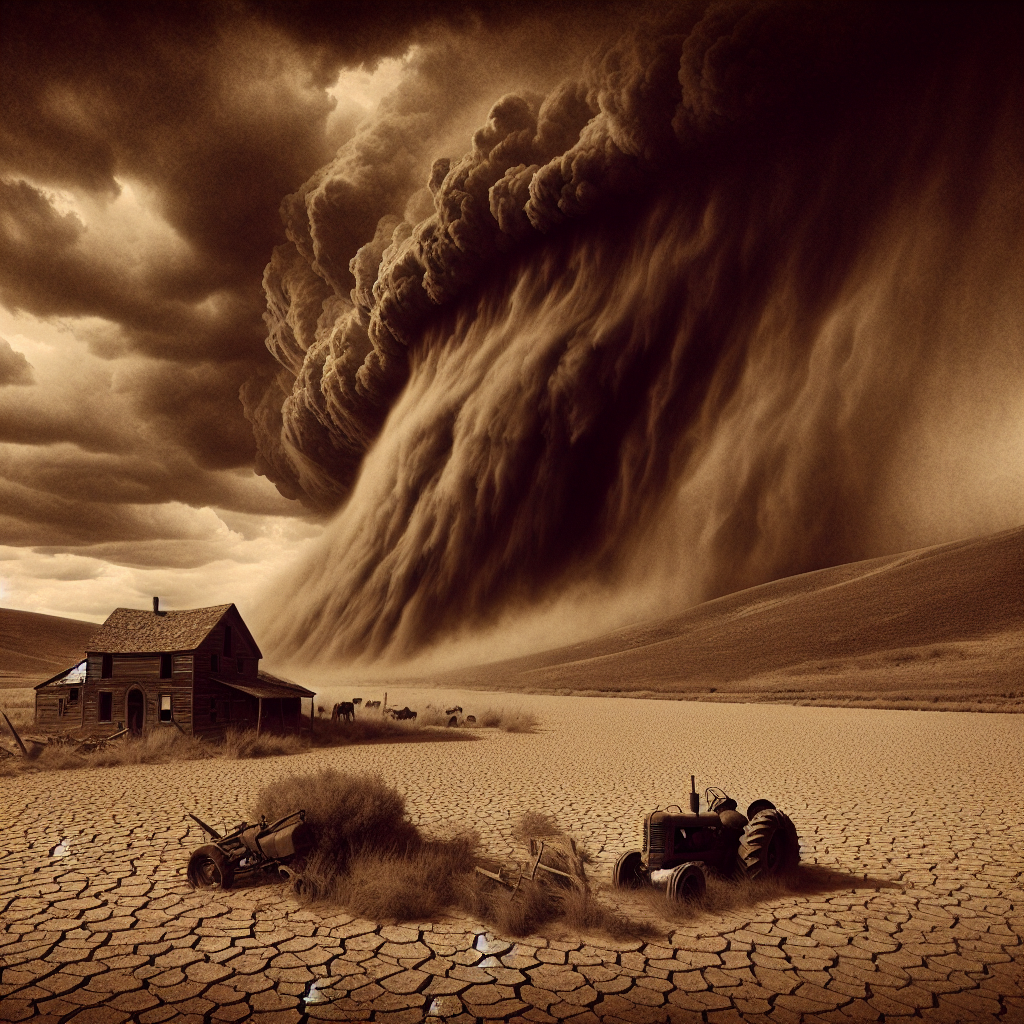
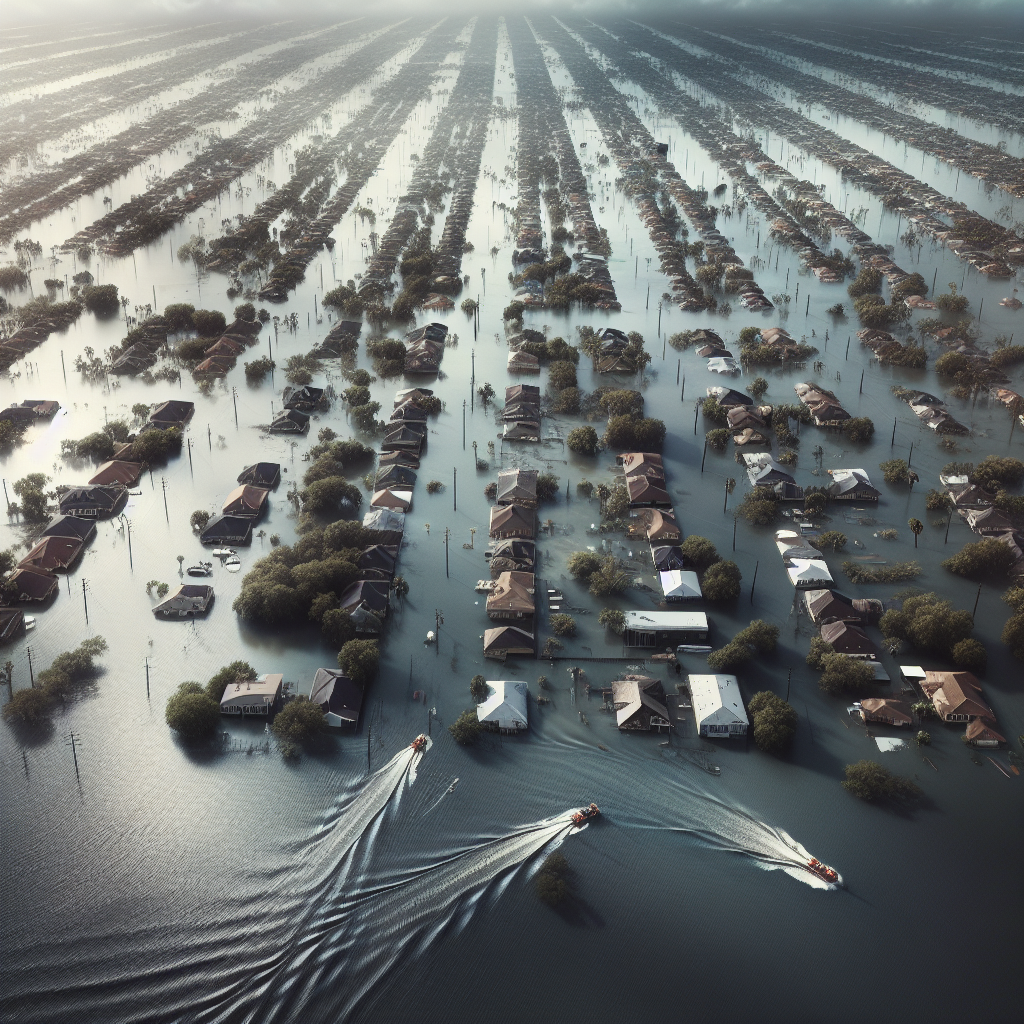
Disease has killed on a scale that rivals any war. These entries cover the epidemics that swept the country, overwhelming its hospitals and reshaping daily life.
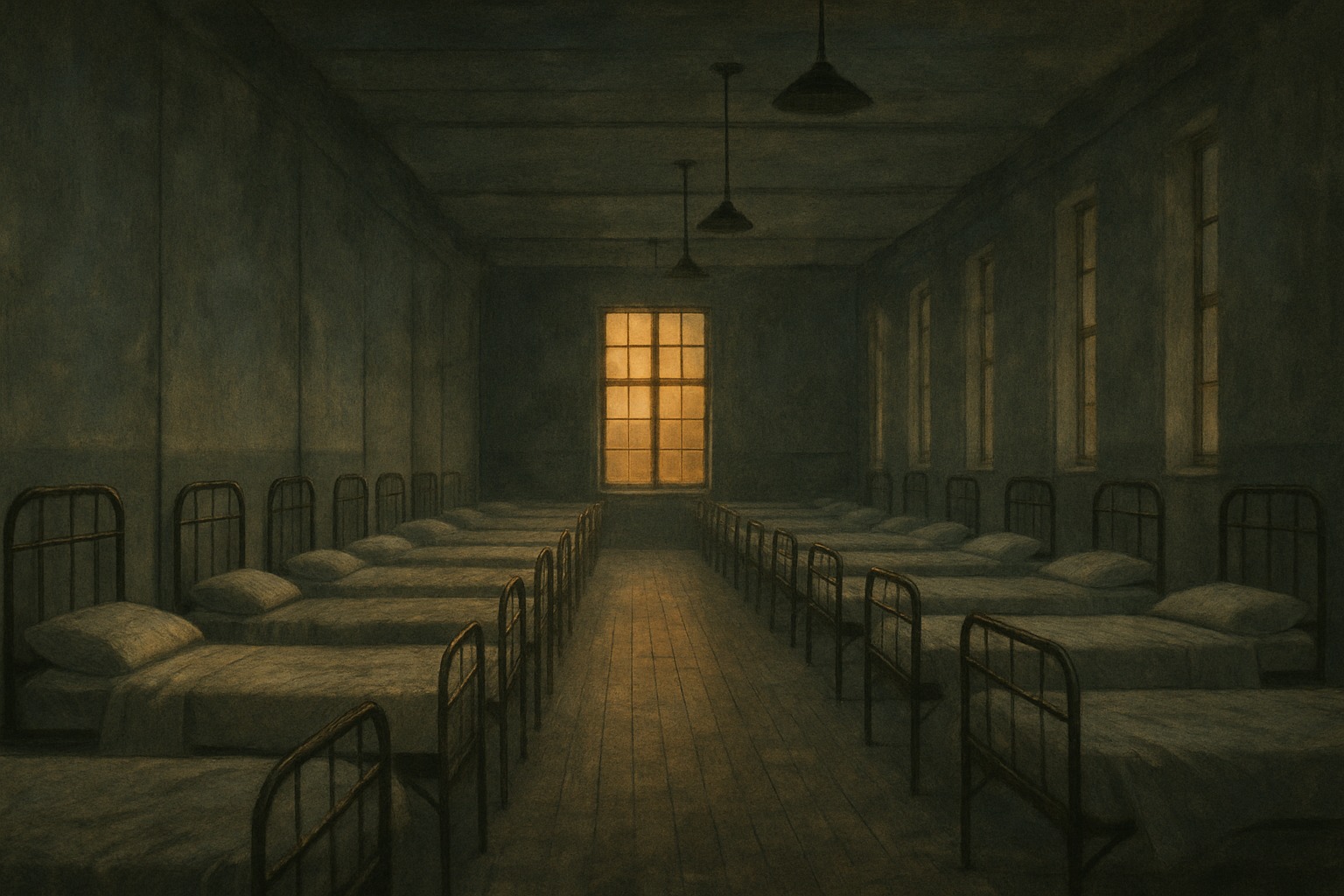
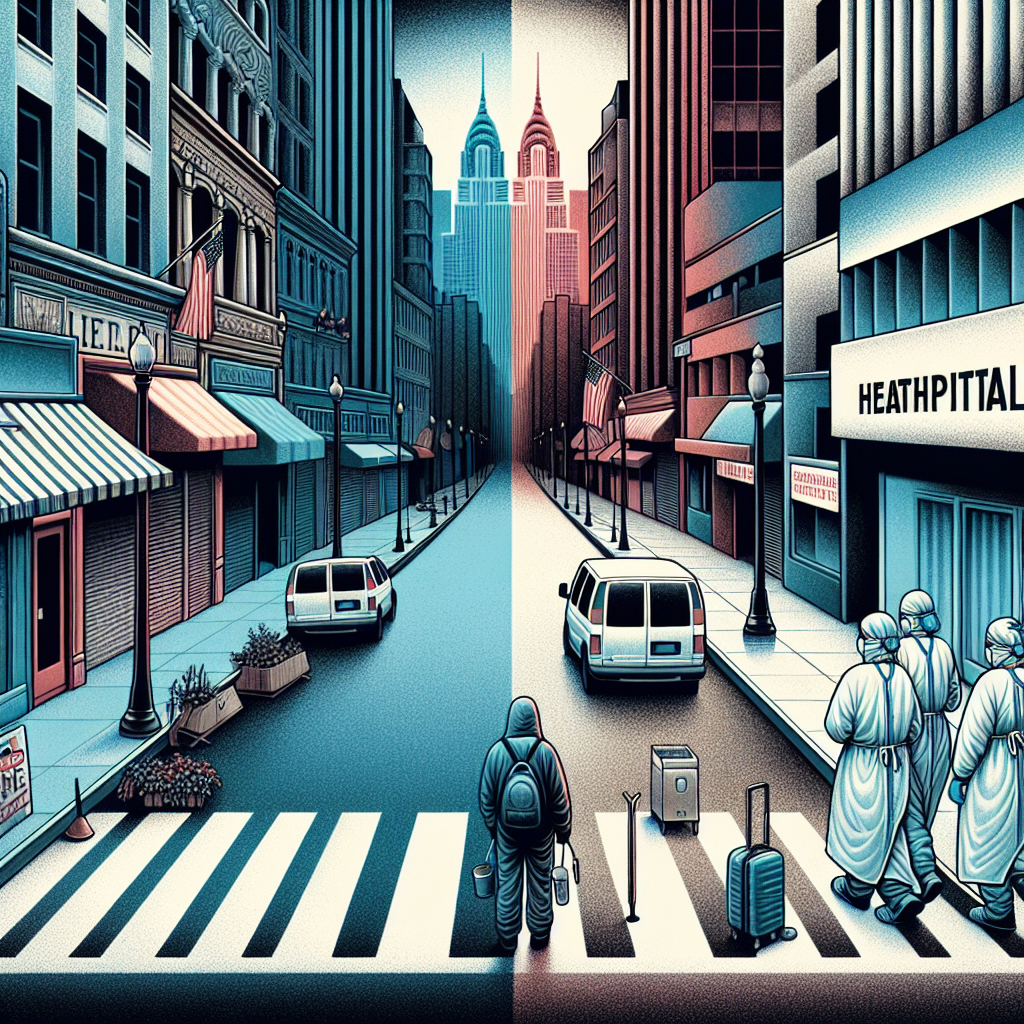
Some disasters are the price of progress. These entries cover the failures of modern technology - the accidents and meltdowns in which the systems Americans relied on turned against them.
The deadliest disasters of the modern era were deliberate. These entries cover the attacks that killed Americans on their own soil and reshaped the country's sense of security.
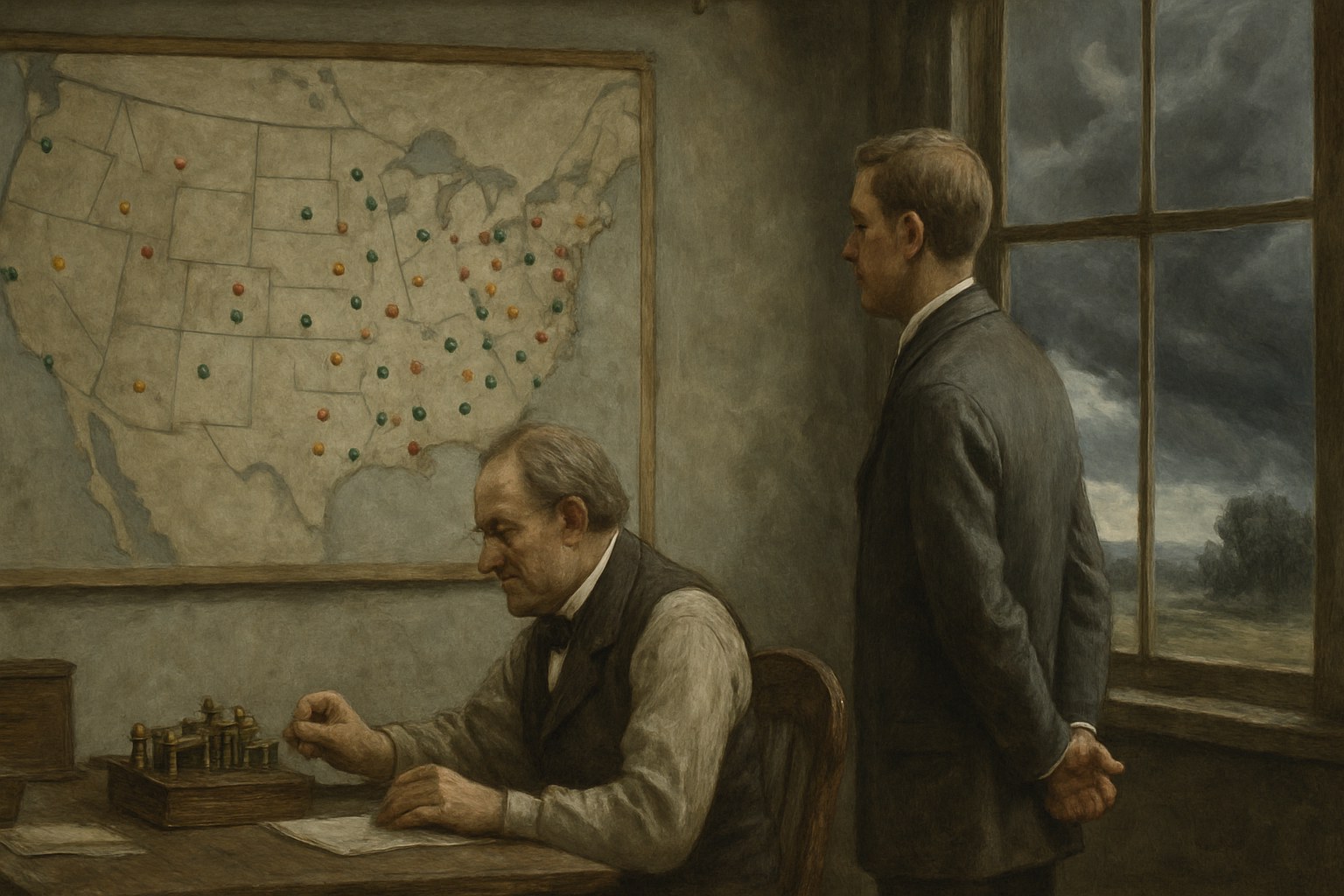
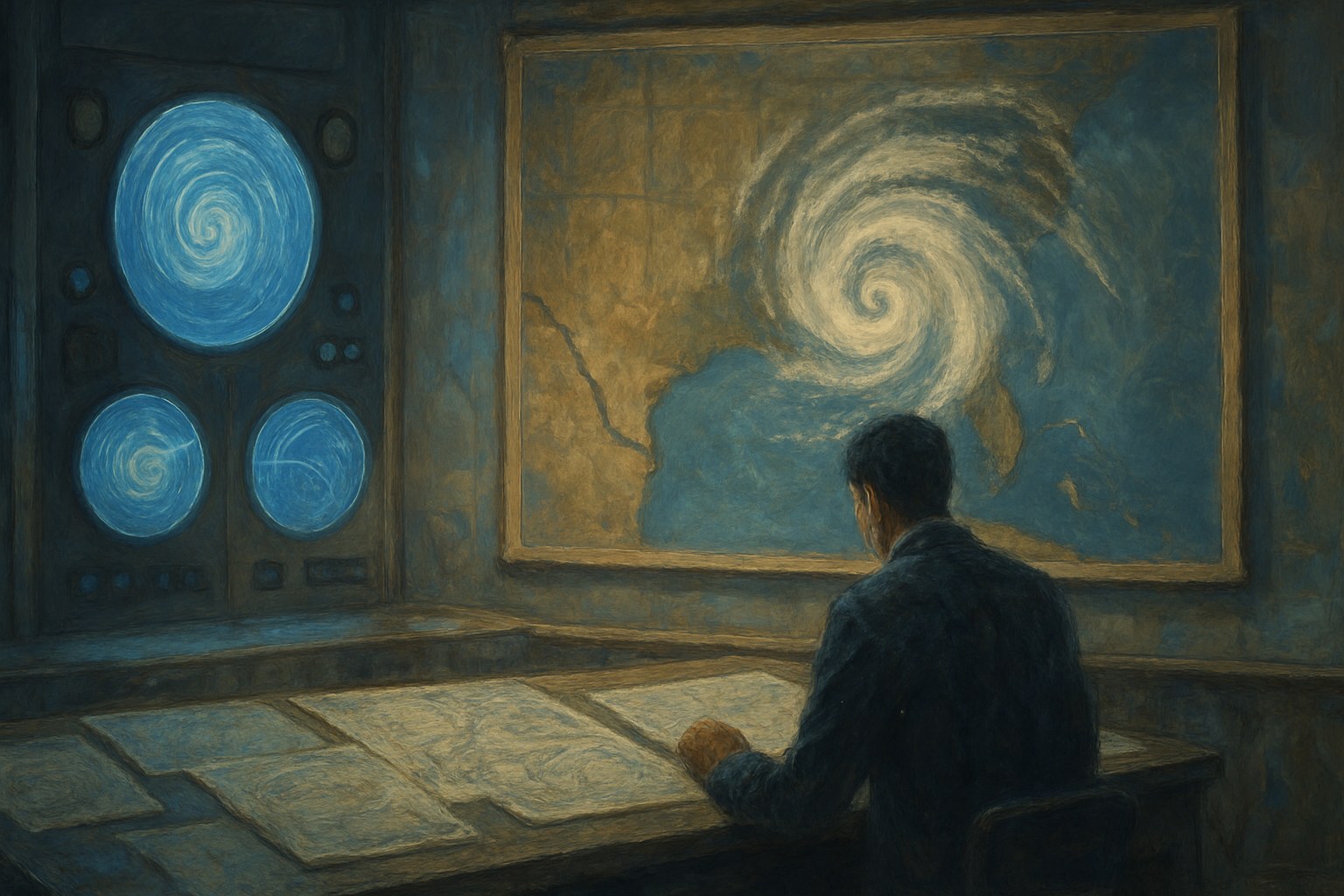
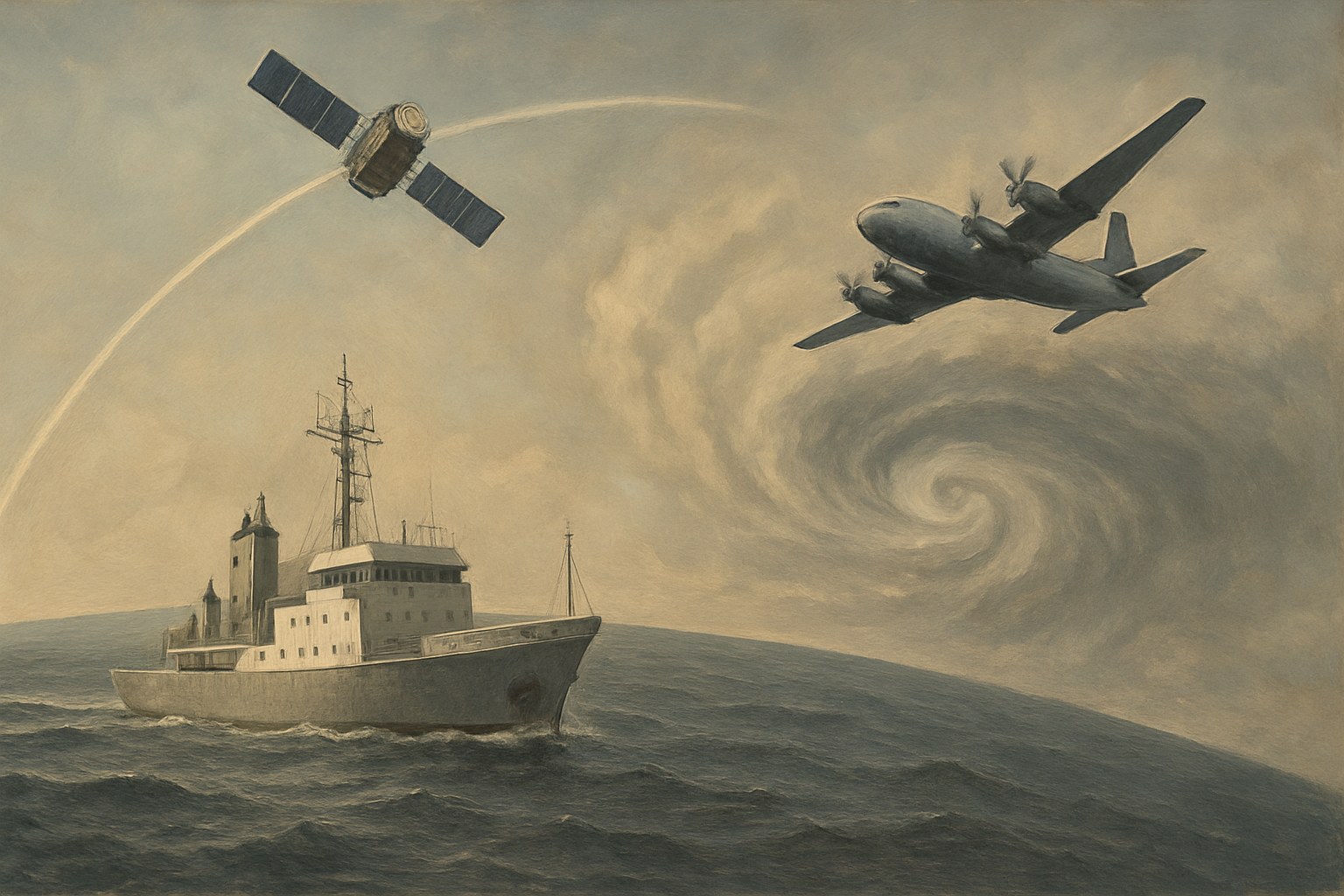
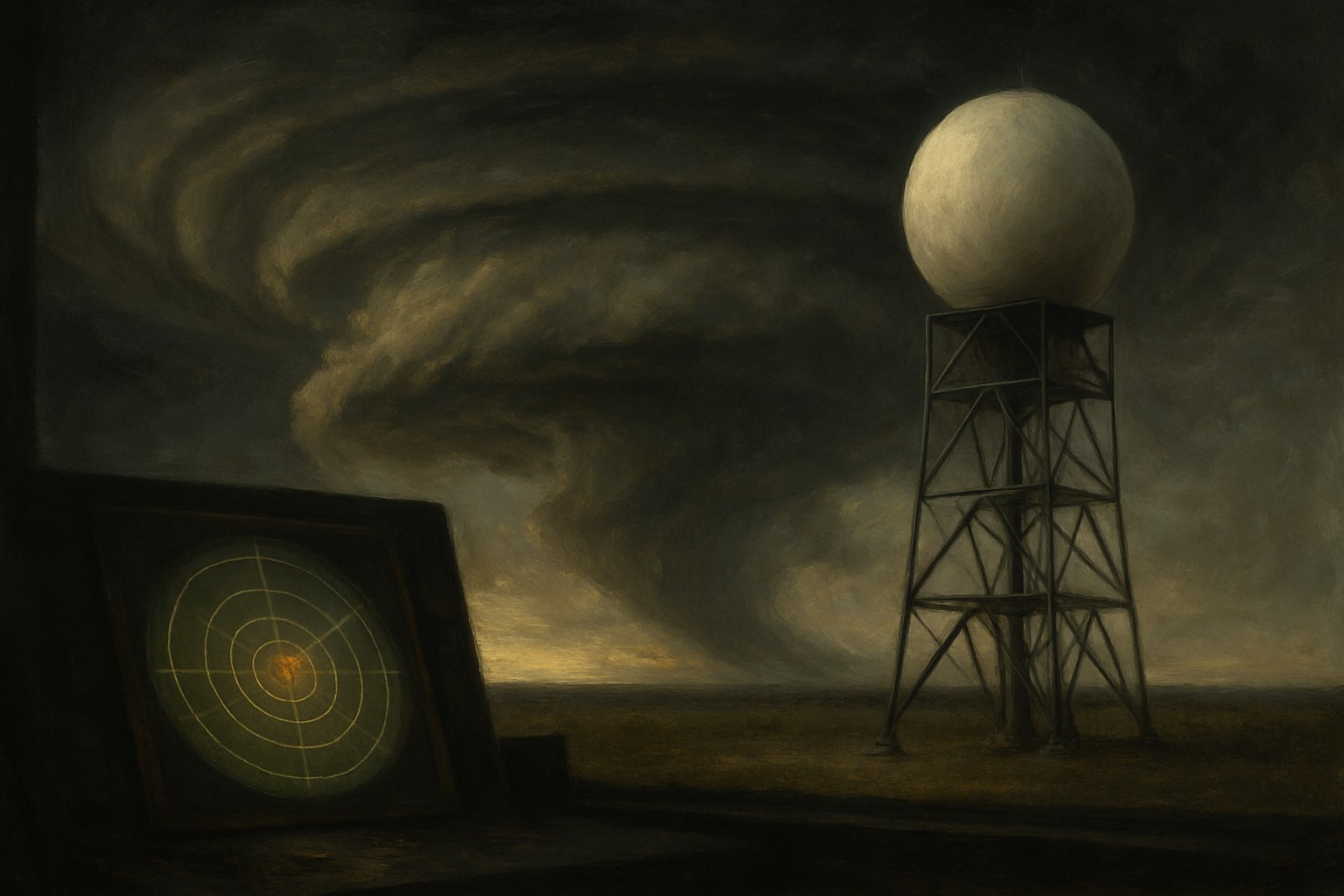
Most of the catastrophes in this guide share a single feature: the people in their path did not know. Galveston went to bed on a warm September evening. The Johnstown valley heard rumors about the dam for years and stopped listening. What separates those disasters from the ones that followed is not that the storms got weaker but that the warnings got faster, and the reason they got faster is that a message could finally outrun the weather.
This section traces the machinery of that head start — the telegraph and the volunteer observers, the federal agencies built and rebuilt around them, the radar that sees rotation before a funnel reaches the ground, and the damage scale that let meteorologists compare one storm to another. It ends with Katrina, where the forecast was accurate and early and the disaster happened anyway, which is its own kind of lesson about what a warning can and cannot do.
Several of these disasters reshaped the nation in ways traced elsewhere — the Dust Bowl in the Great Depression, and the safety failures that drove the labor reforms of the era.