The Civil Rights Movement: Timeline, Leaders, and Turning Points
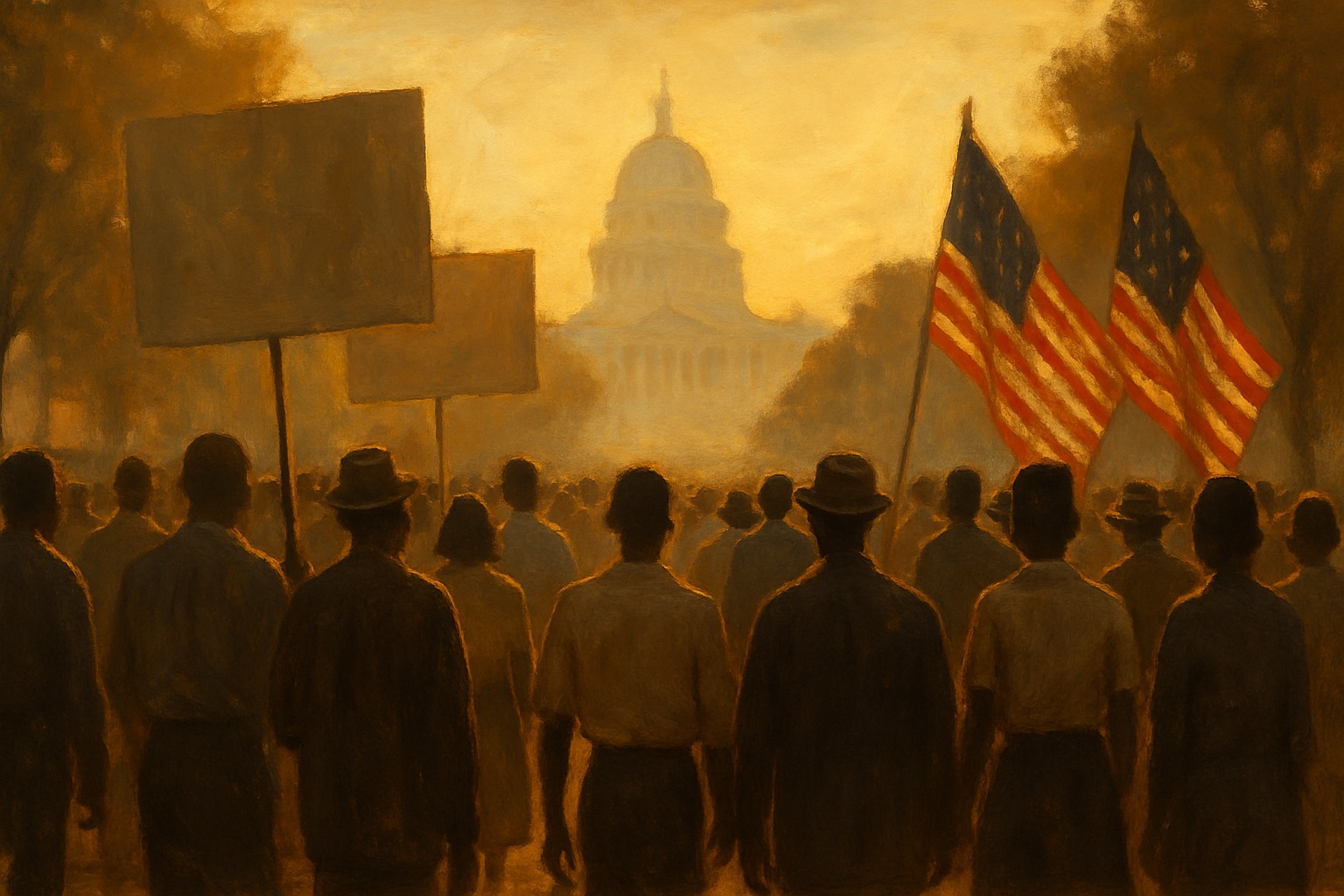
For nearly a century after the Civil War ended slavery, a system of law and custom kept Black Americans segregated, disenfranchised, and unequal. The Civil Rights Movement was the sustained, mostly nonviolent campaign that finally broke that system — in the courts, on buses and at lunch counters, and in the streets of cities across the South. Between the Supreme Court's 1954 ruling against school segregation and the landmark laws of the 1960s, ordinary people forced the country to honor a promise it had made on paper in 1776.
This guide traces the movement in order: the system it confronted, the breakthroughs that launched it, the leaders and voices who drove it, the campaigns and marches that captured the nation, and the laws that turned protest into policy. Each links to a full account. The story does not end neatly — its victories were real, and so were the limits it ran into.
Start here for the movement as a whole - what it confronted, how it fought, and what it won. The sections that follow trace that arc in order.
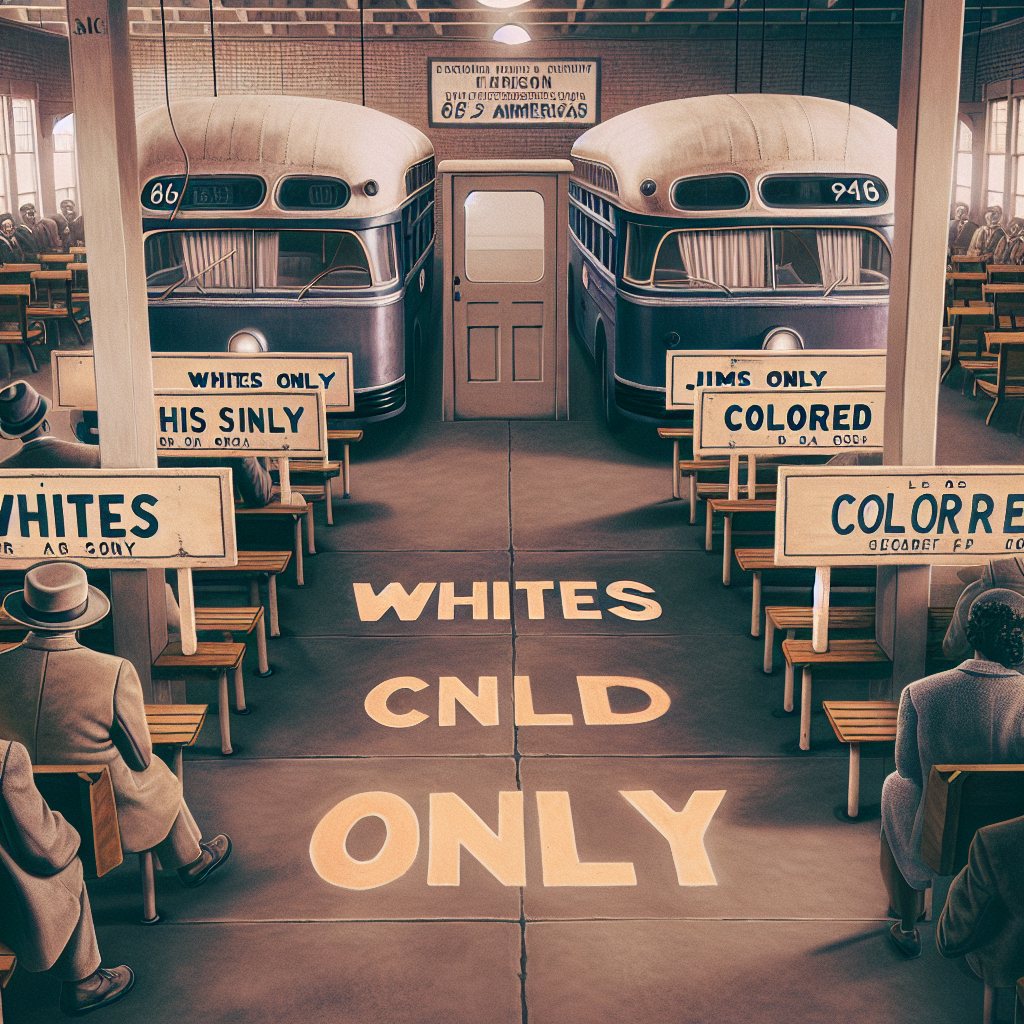
To understand the movement, start with what it was up against - the legal and social machinery of segregation that kept Black Americans separate, disenfranchised, and unequal for nearly a century after slavery ended.
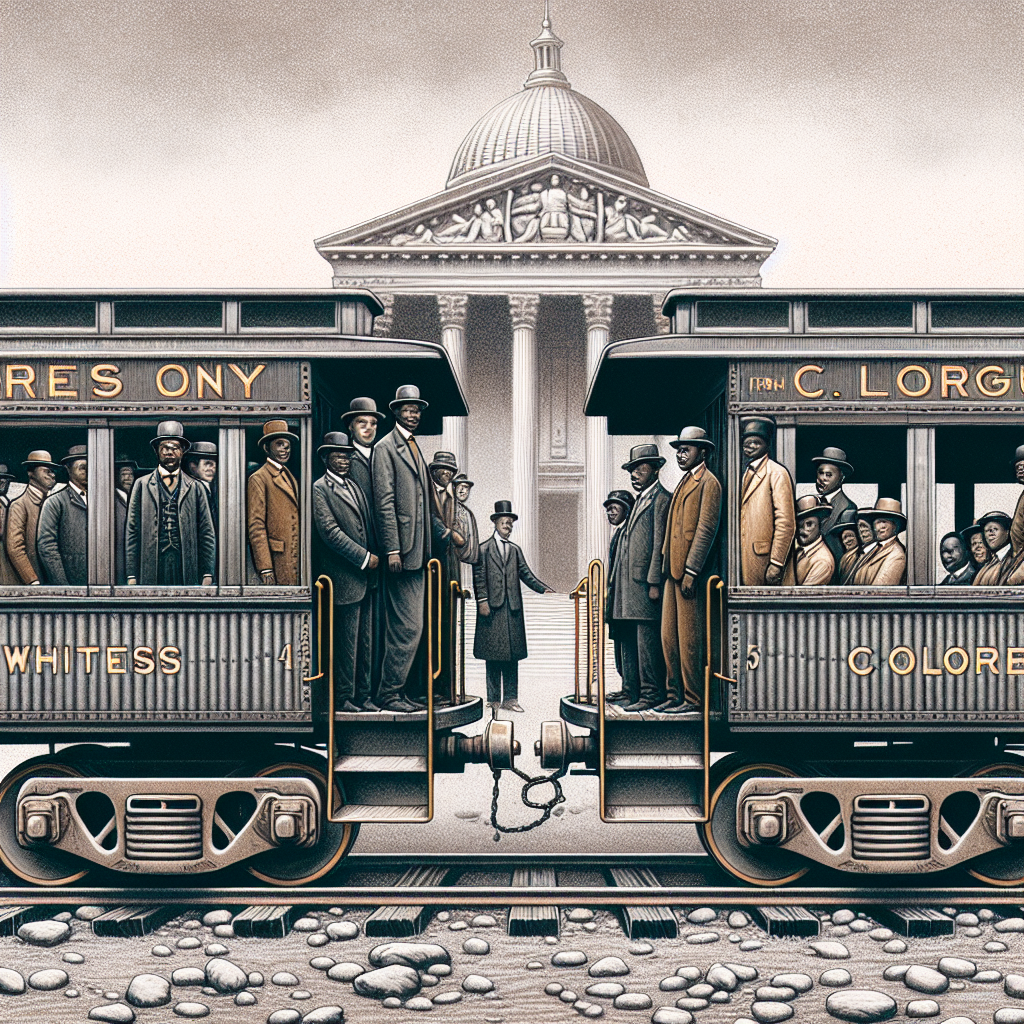
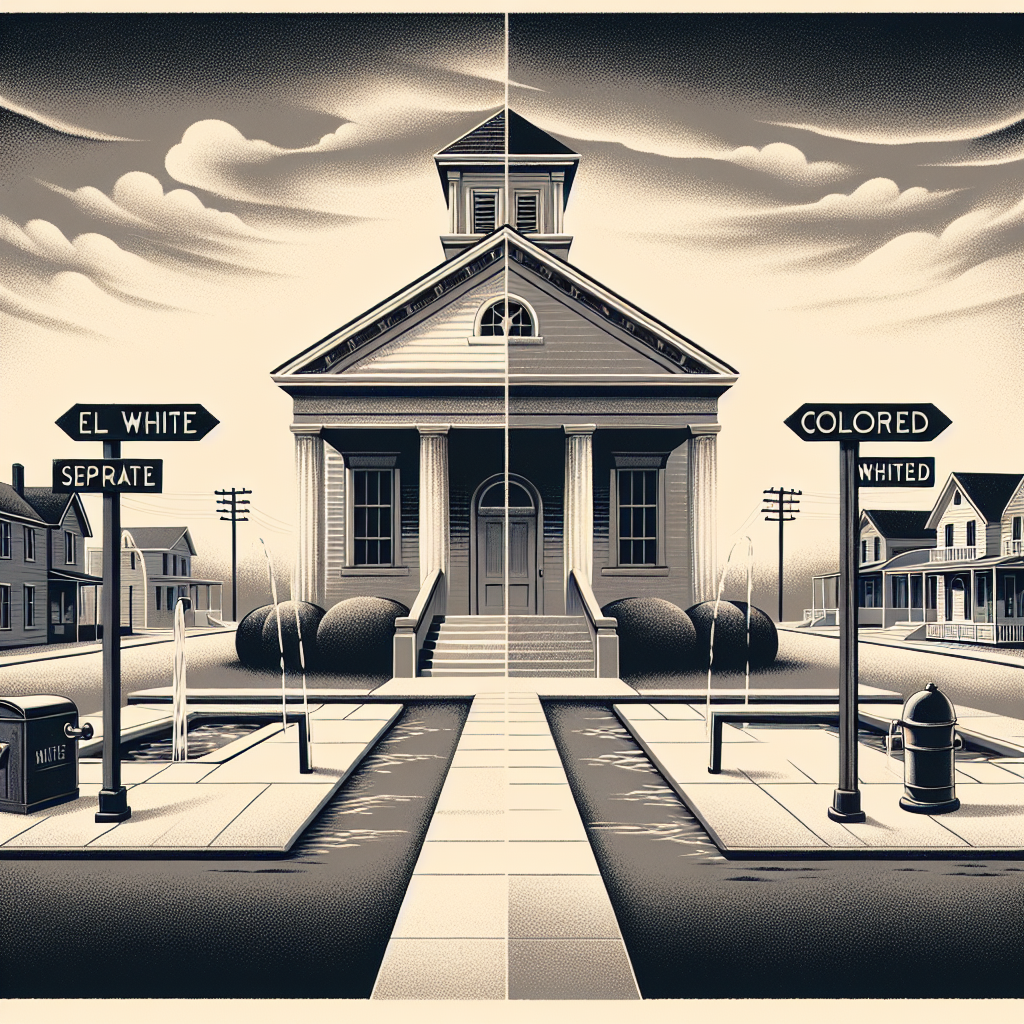
These are the breakthroughs that turned scattered resistance into a national movement - the court victory and the early protests that proved segregation could be challenged and beaten.



No single person led the movement, and its leaders did not always agree. The figures here represent its range - from the apostles of nonviolence to the advocates of a more militant self-determination - and the debate among them was part of its strength.
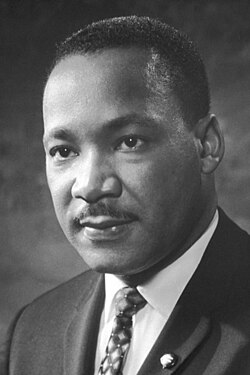
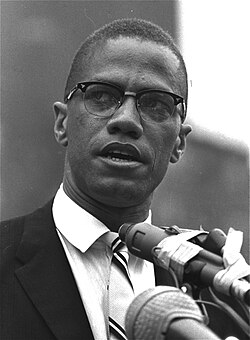
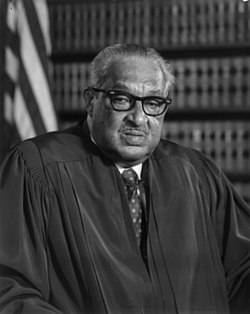
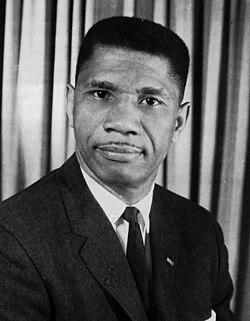
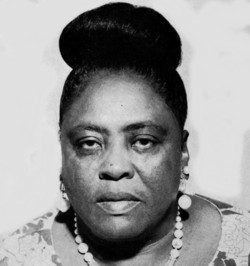
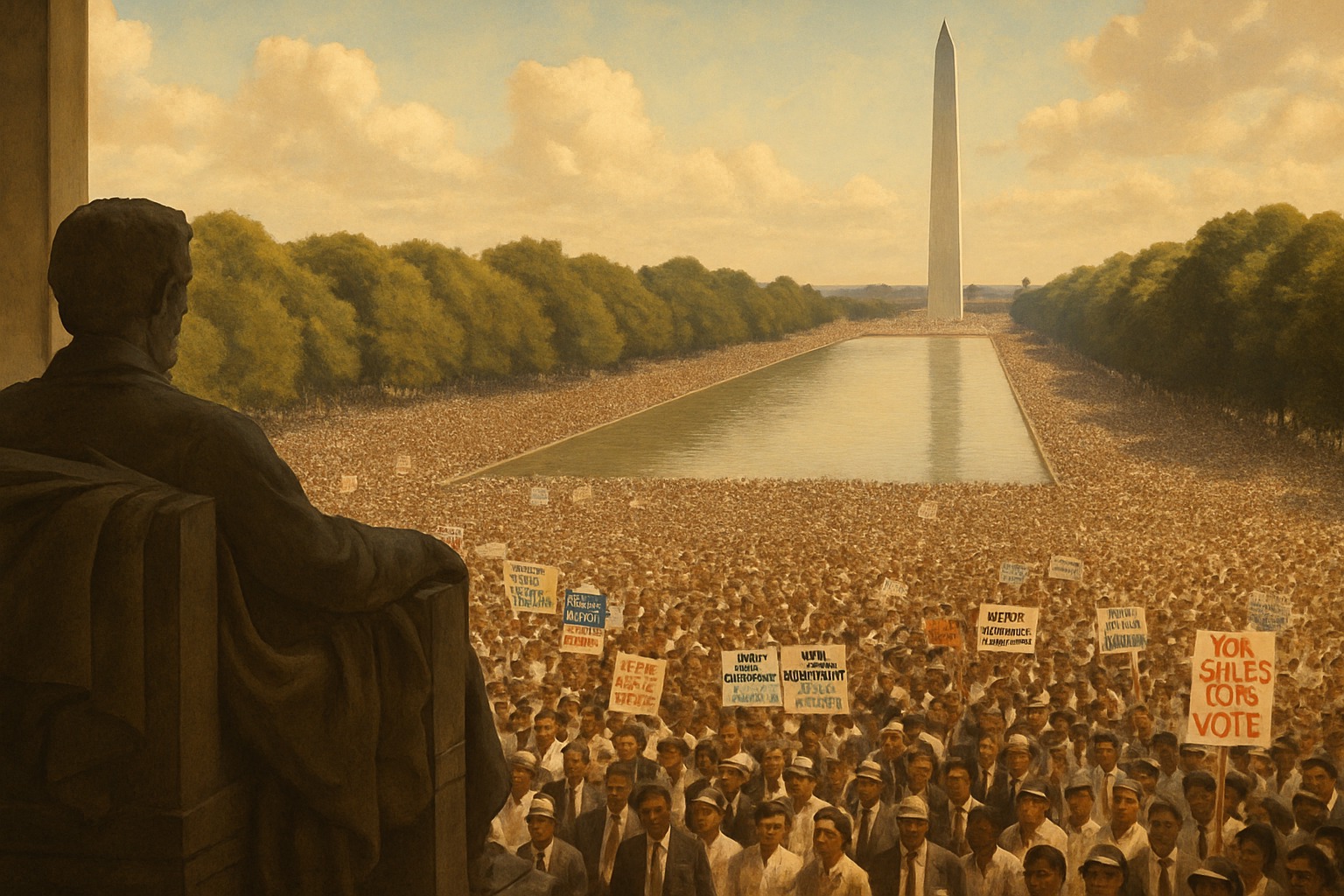
The movement advanced through deliberate, disciplined confrontation. These were the campaigns that forced the issue into the open - the marches and demonstrations whose images shamed the nation and made federal action unavoidable.
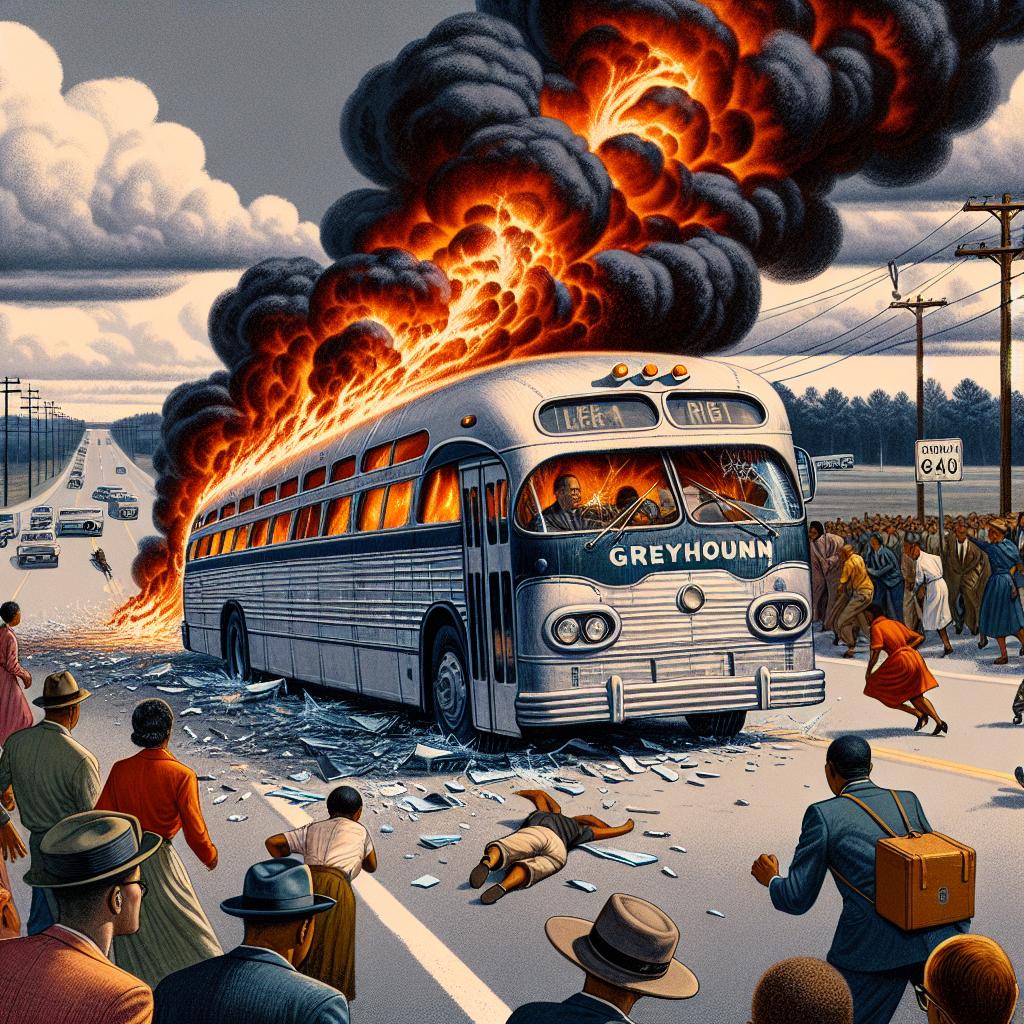
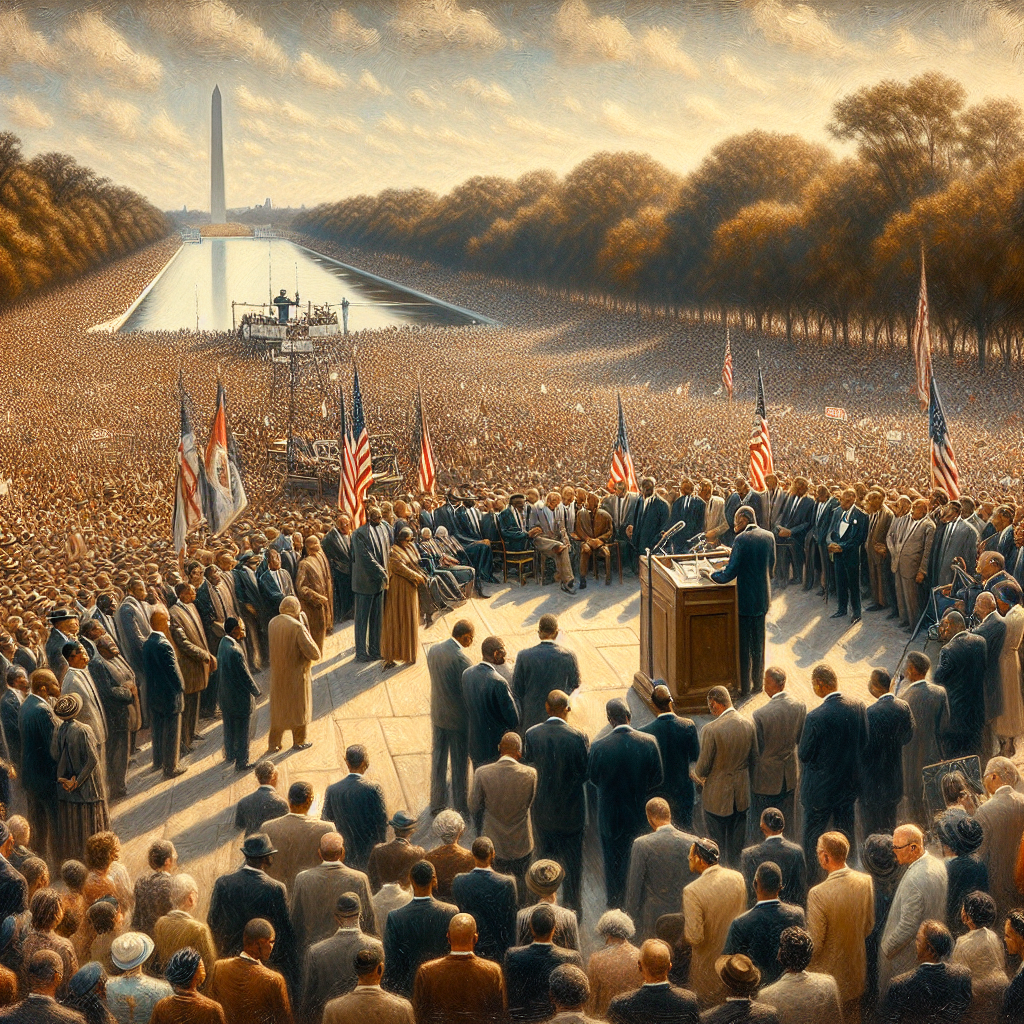
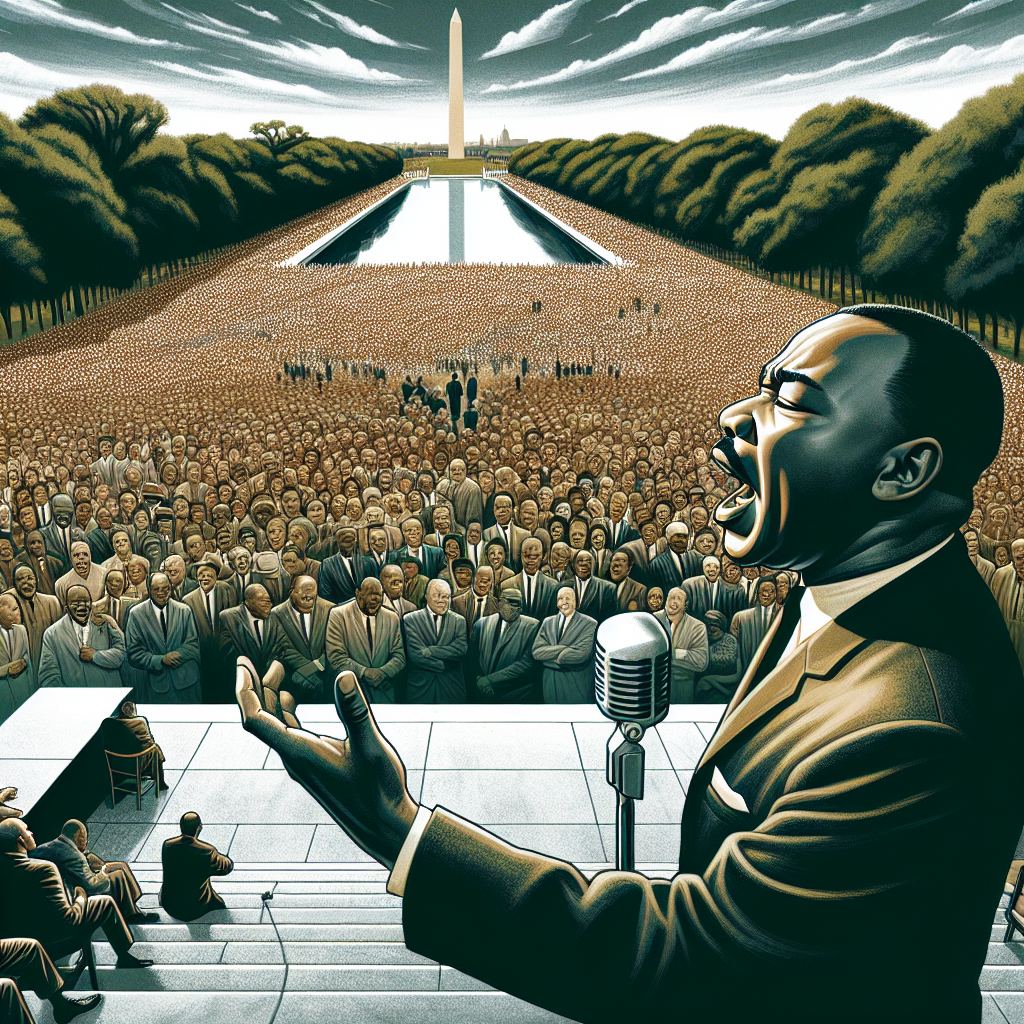
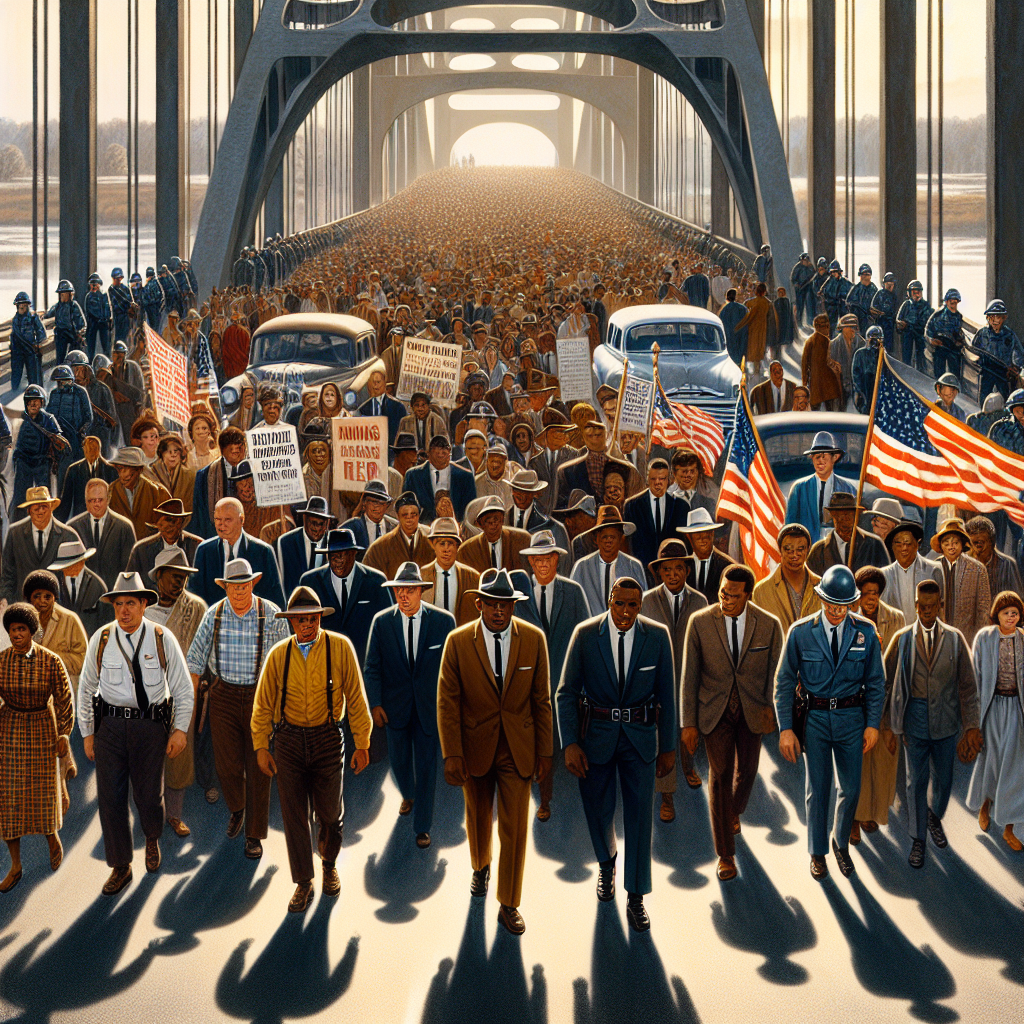
Protest became policy in a handful of landmark laws. These acts dismantled legal segregation and protected the vote - the concrete, federal victories that the years of marching were meant to produce.
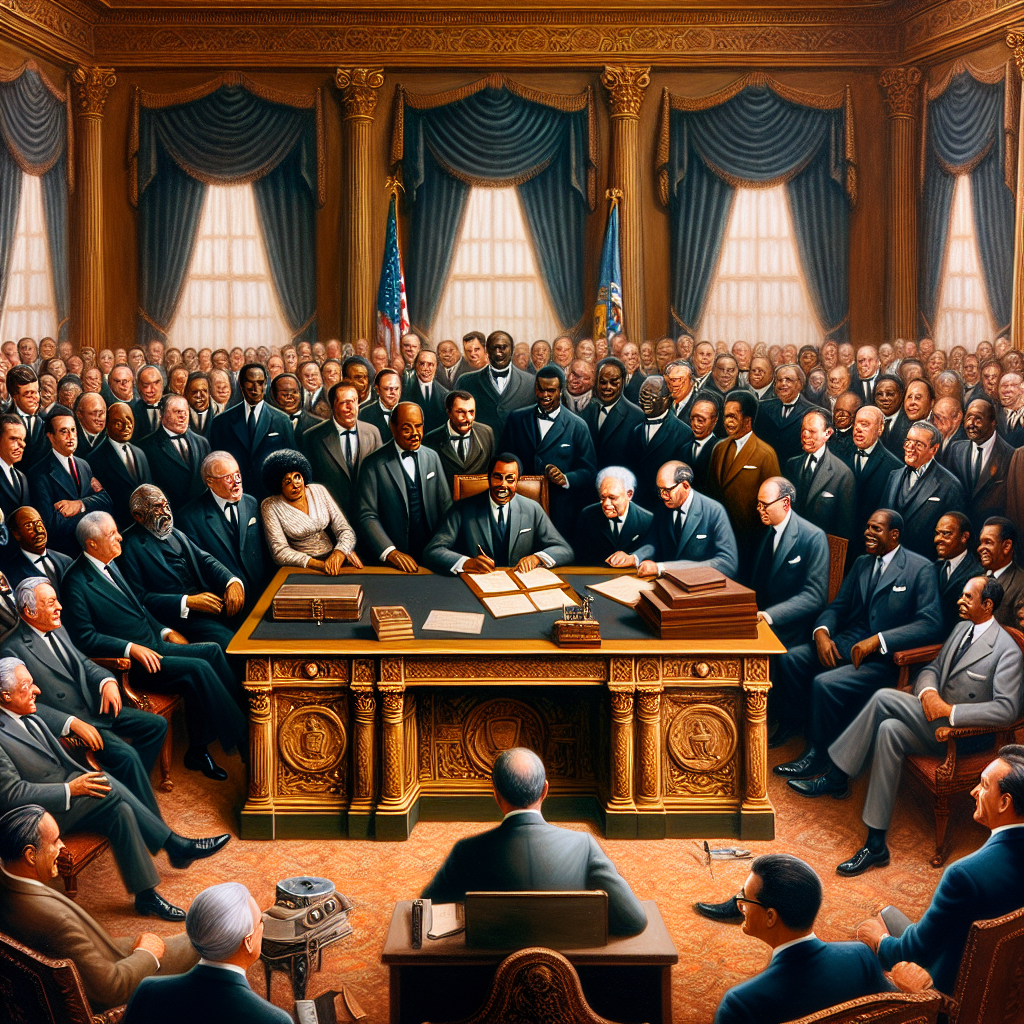
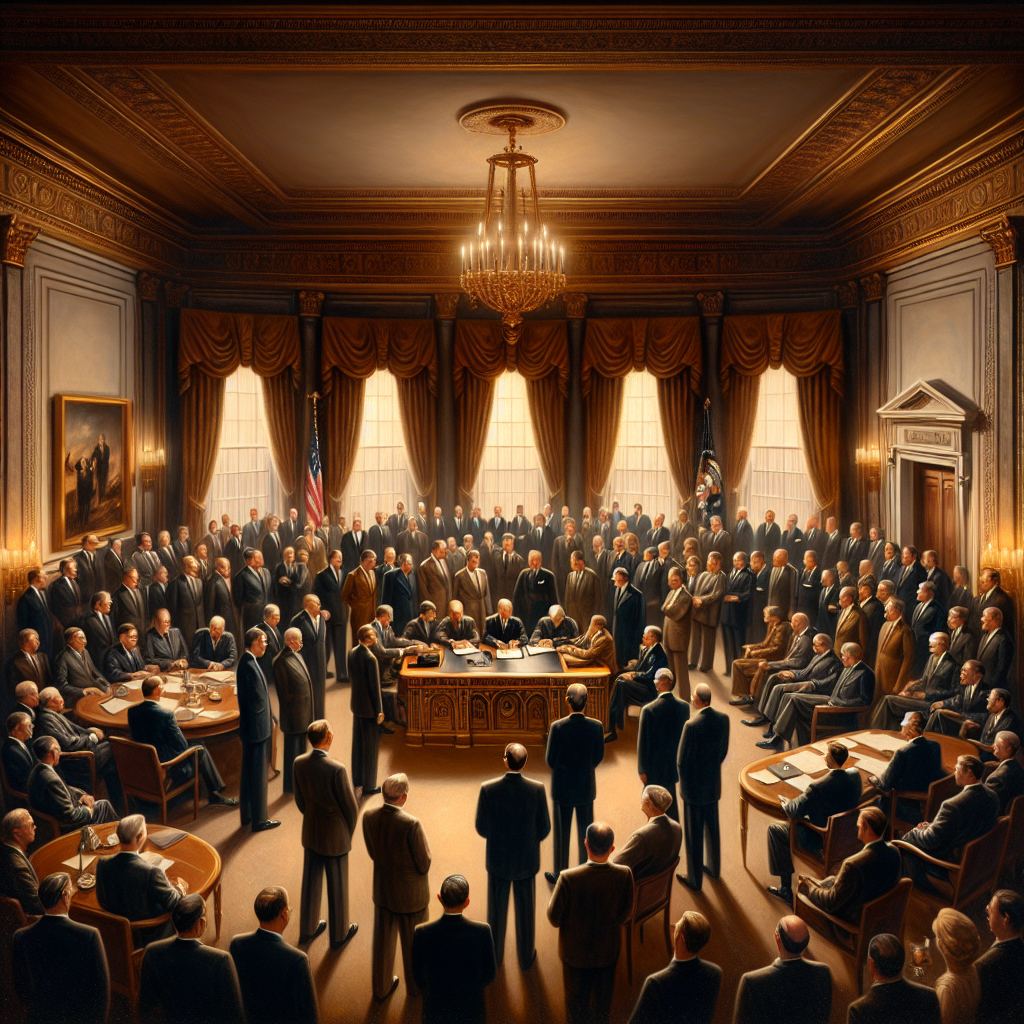
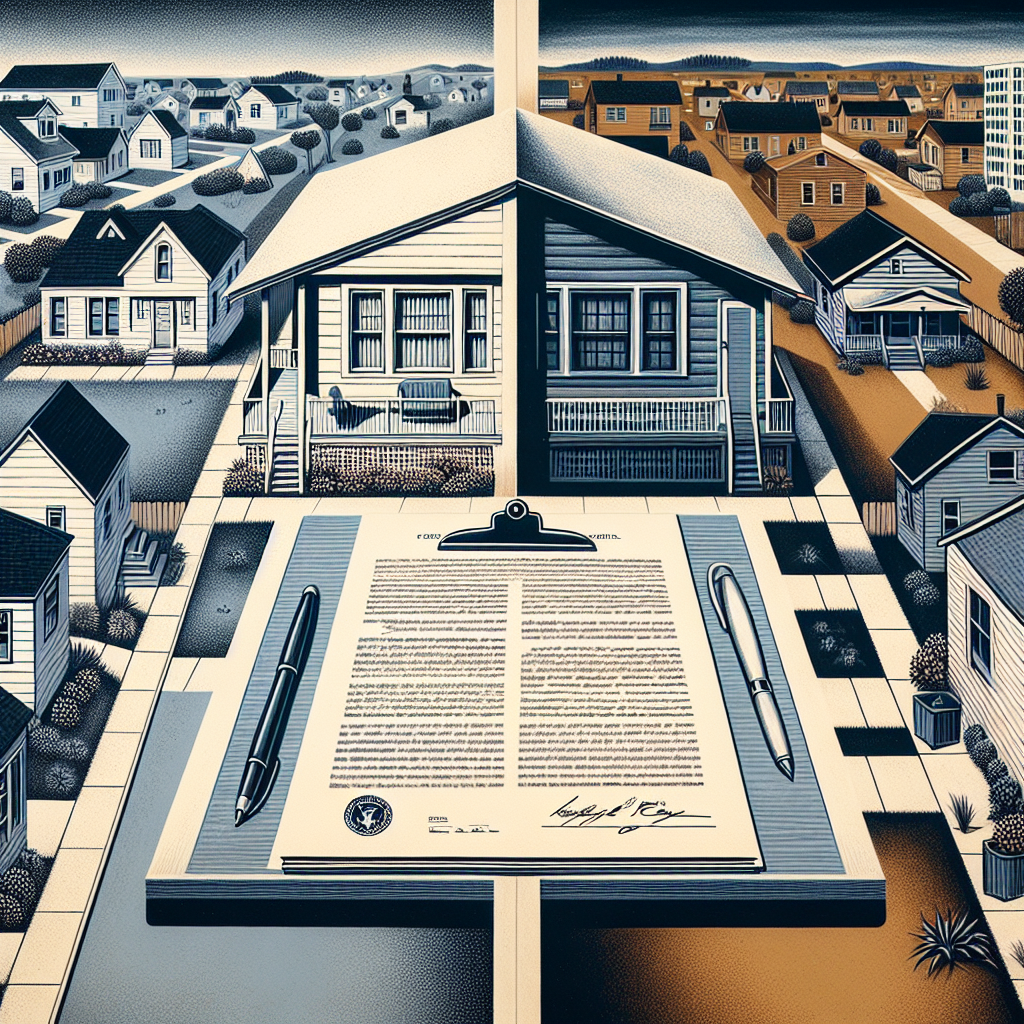
The legislative victories did not end the struggle. As legal segregation fell, the movement turned to the harder, less tractable inequalities of poverty and the North - and fractured over how, and how fast, to pursue them.

The movement reshaped the era around it — see the landmark Supreme Court cases that underpinned it and the presidents who signed its laws into being.