The Declaration of Independence: Who Wrote It and What It Means
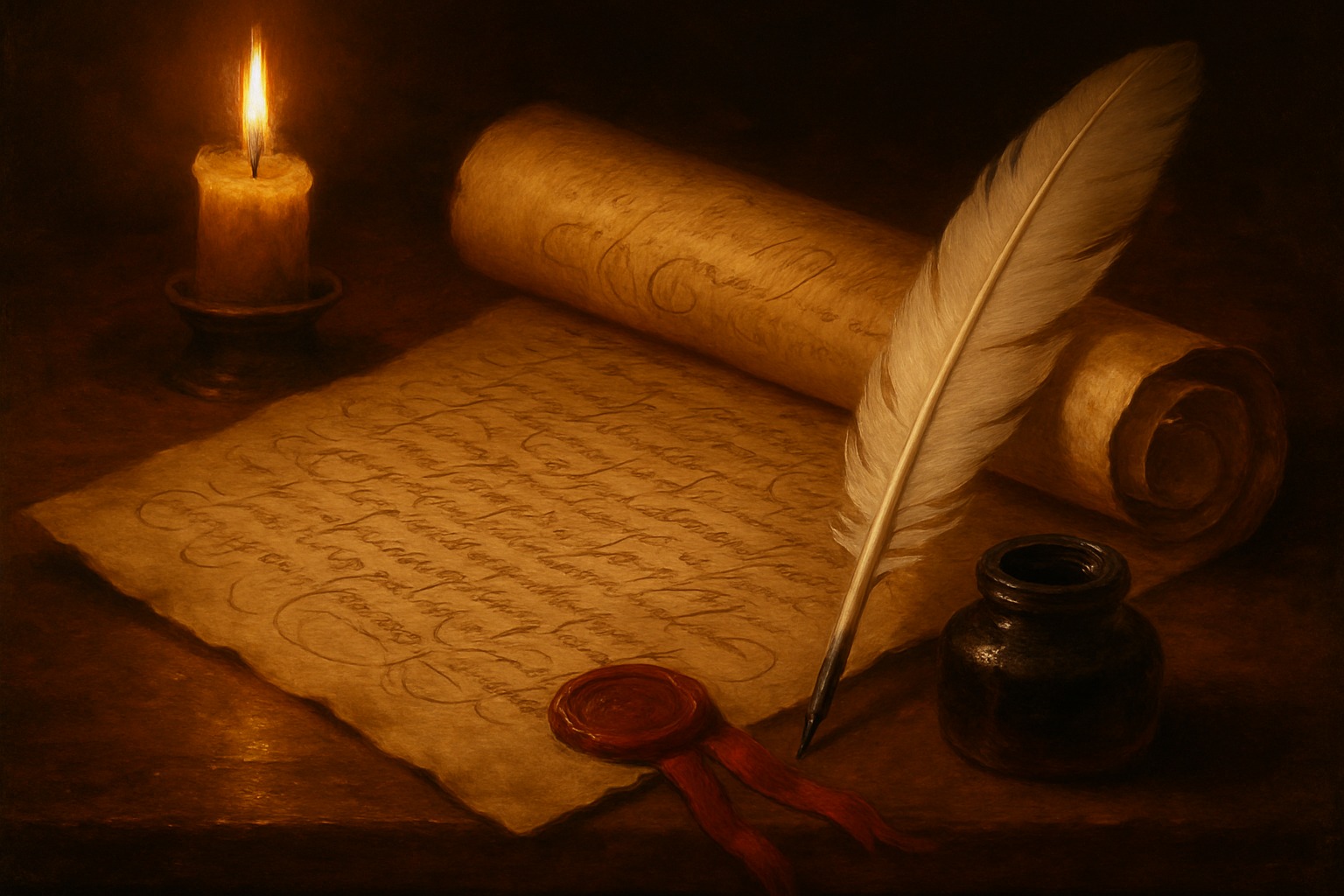
On July 4, 1776, the Continental Congress adopted a document that did something no colony had dared put on paper before: it declared that governments derive their just powers from the consent of the governed, and that a people may therefore abolish a government that fails them. The Declaration of Independence was at once a legal break with Britain, a list of grievances against the king, and a statement of principle that the country has been arguing over ever since.
This guide unpacks the Declaration in parts — the document itself, the men who drafted it, the setting in which it was adopted, and the war and constitutions that came before and after. Each links to a full account. The gap between its promise that "all men are created equal" and the realities of 1776 is not a footnote to the story; it is the center of it.
Start with the text itself - what the Declaration actually says, and why its argument was so radical. Behind the famous opening lines is a careful legal case for revolution, built on the claim that government draws its authority from the consent of the governed.

The Declaration was assigned to a committee, but the writing fell mostly to one man. These are the figures who shaped the document - the principal author and the colleagues who edited, defended, and signed it into history.
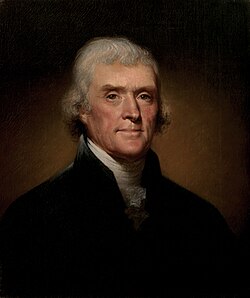
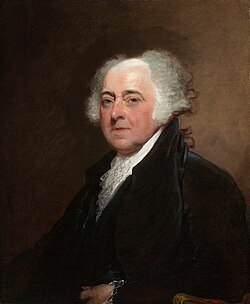
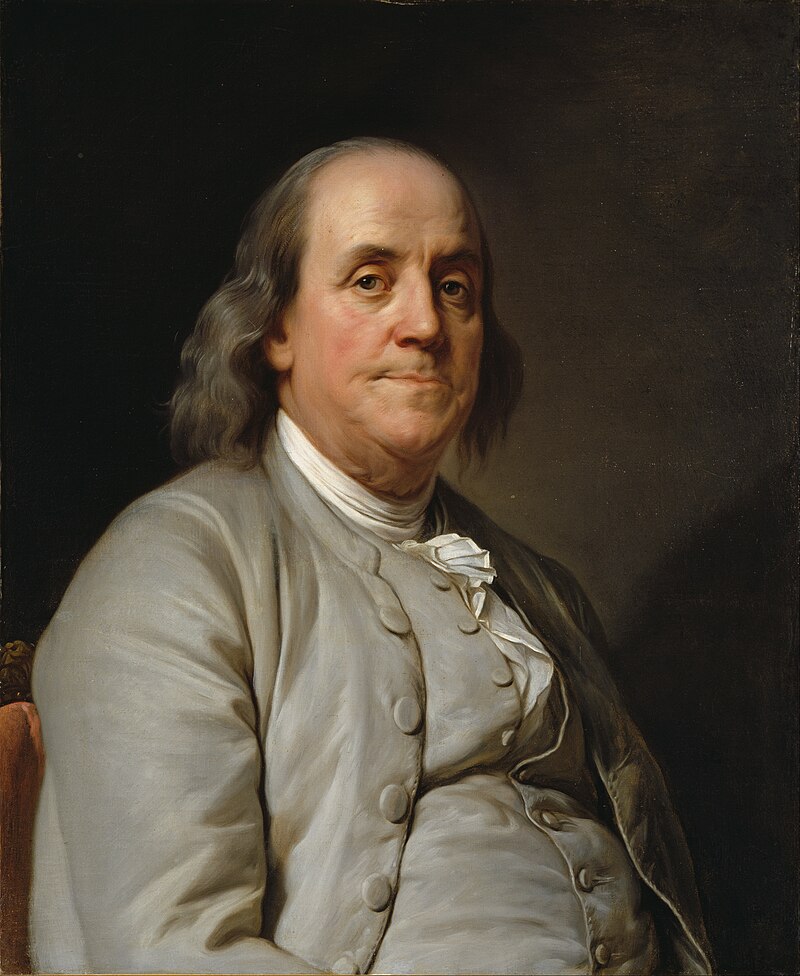
The Declaration was not written in a vacuum but in a particular city, in a particular room, under the pressure of a war already underway. These entries fix the document in the place where the Continental Congress debated and adopted it.
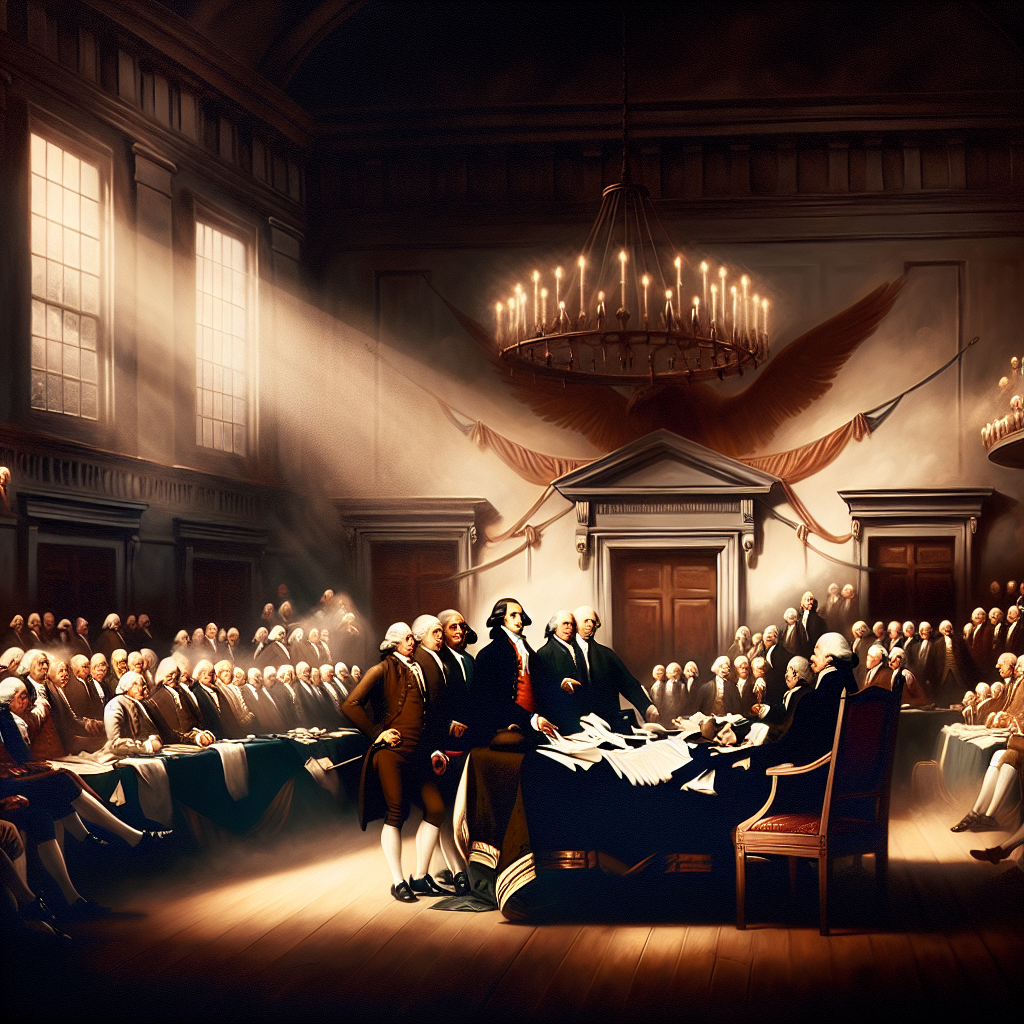

The Declaration was one moment in a longer sequence. These entries set it against what came before - the war and the earlier arguments that made it necessary - and what came after, when the new nation had to design a government to match its principles.

Independence still had to be won by force. Follow the American Revolution timeline for the war that followed, and the Founding Fathers for the people who signed their names to it.