Every Major Battle of the American Revolution
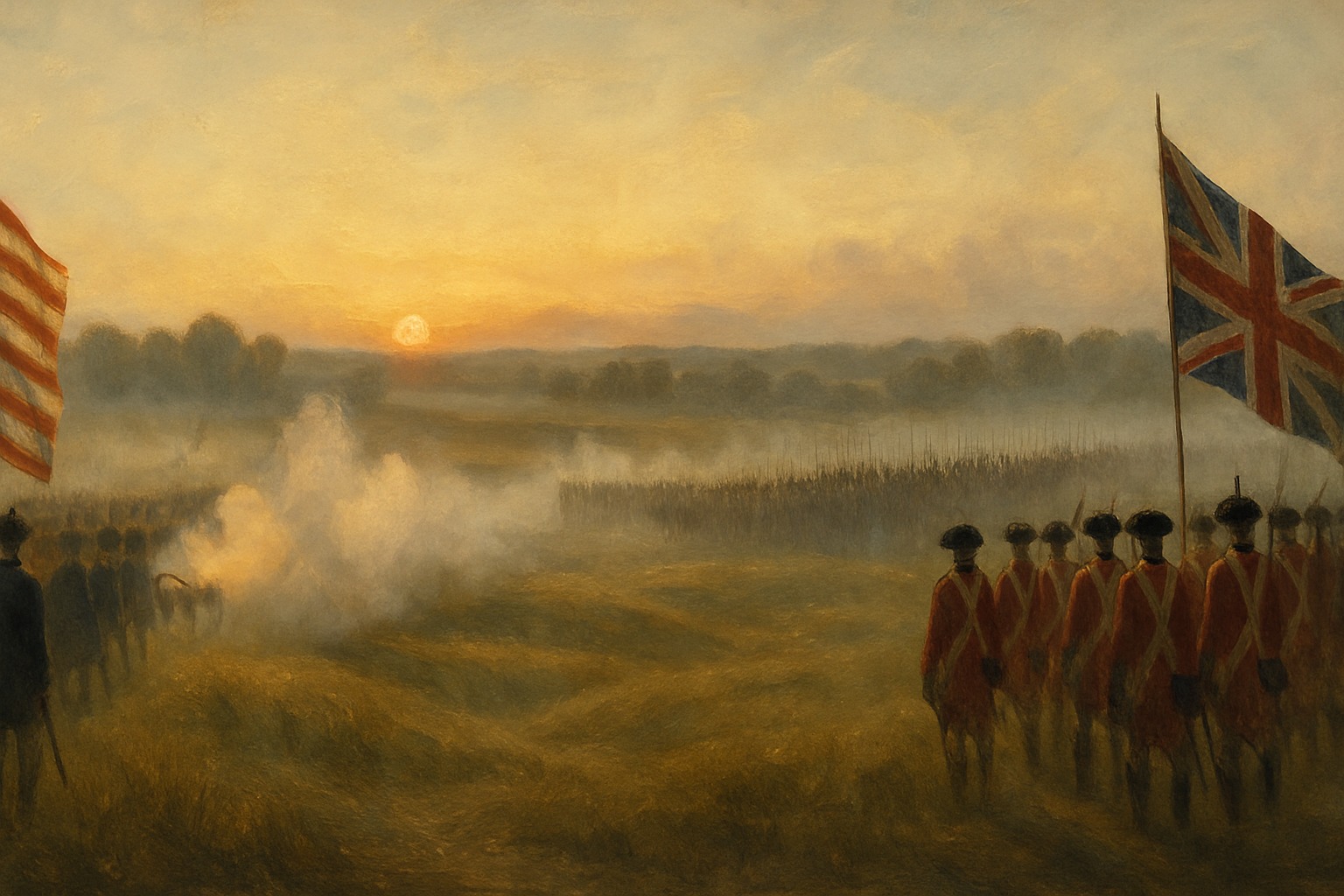
The Revolution was won and nearly lost on a string of battlefields from Massachusetts to South Carolina. Some were sweeping defeats the Continental Army barely survived; others were small, audacious strikes that kept the cause alive through its darkest winters. Together they trace how an outmatched colonial militia became an army that could force the world's strongest empire to the table.
This guide walks the war's major engagements in order, North to South and 1775 to 1781. Each links to a full account. Read straight through and a pattern emerges: the British won most of the battles, but the Americans — with French help — won the ones that counted.
The war opened before independence was even declared. These first engagements, fought around Boston, proved that colonial militia would stand and fight regulars - and made any return to the old order impossible.
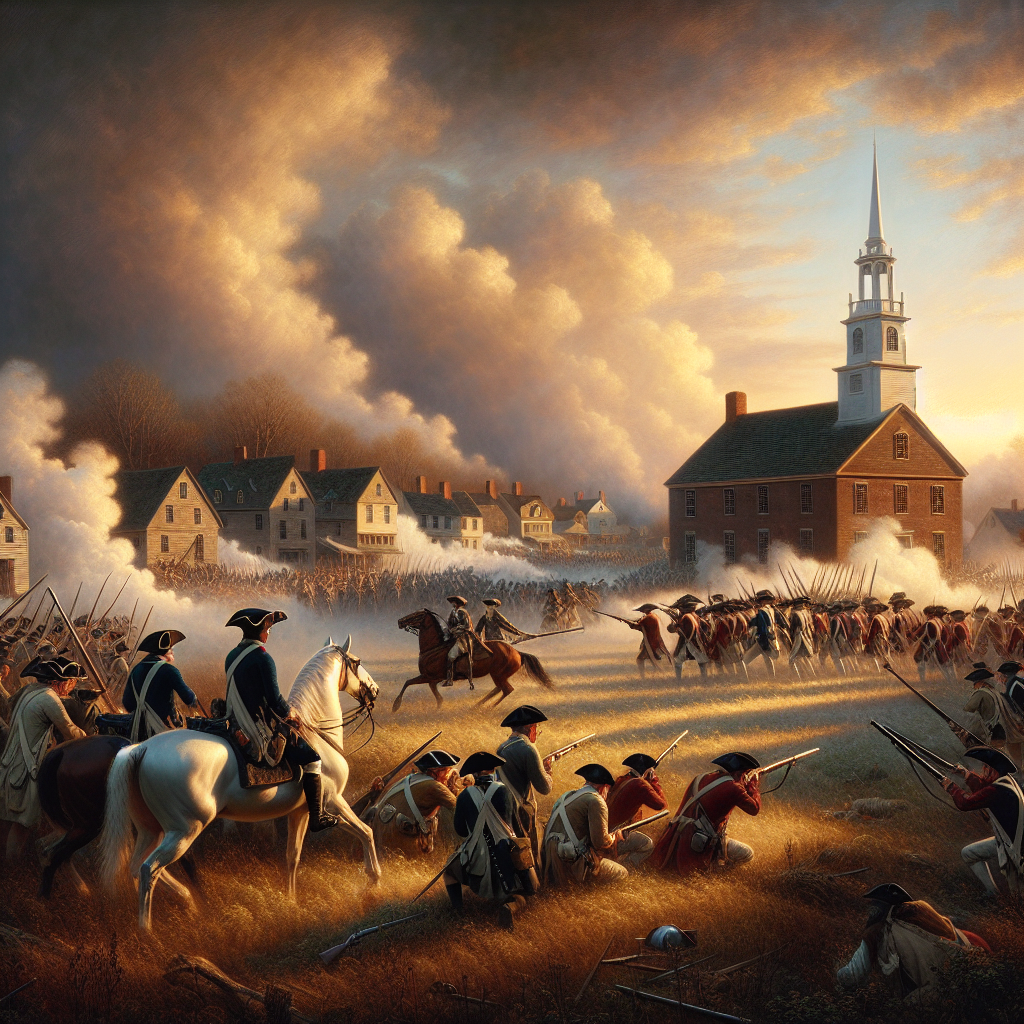

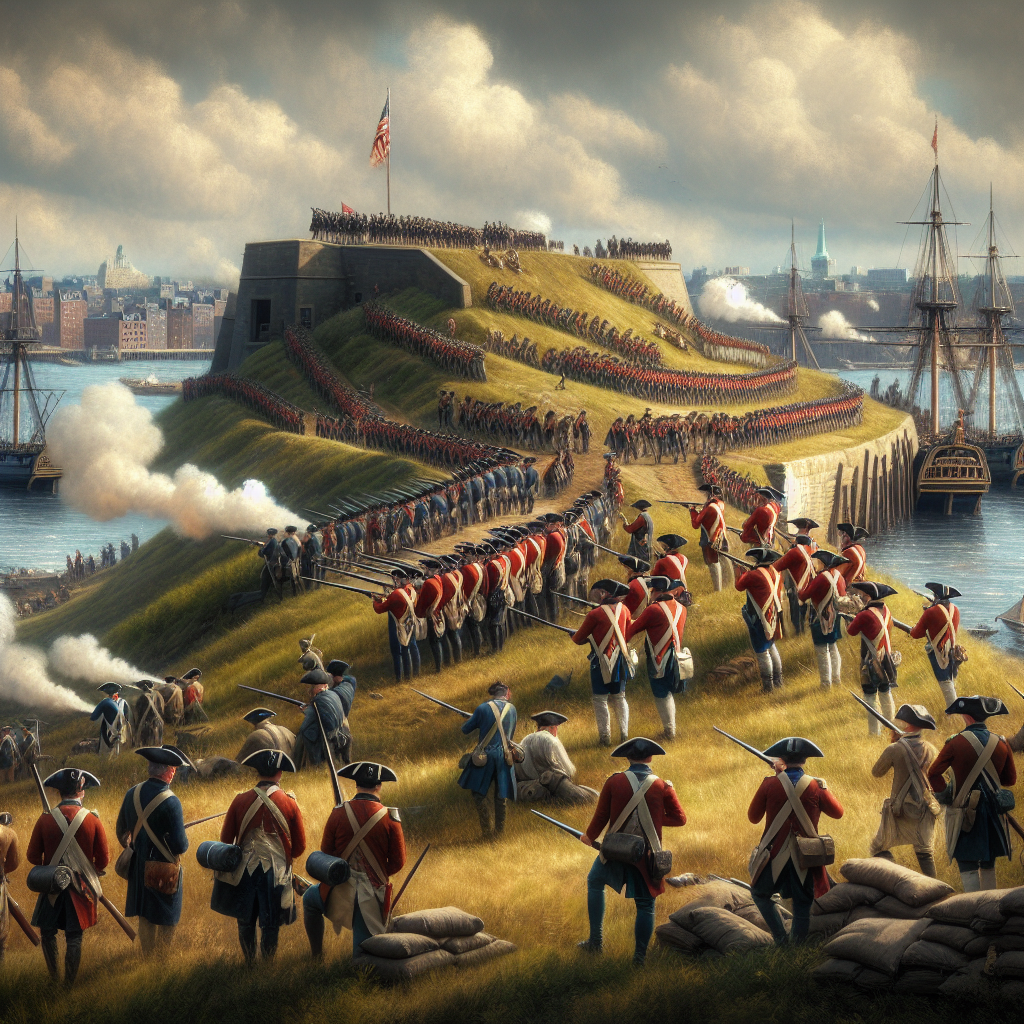
The middle years were the war's most precarious. The Continental Army lost more often than it won, surviving on narrow escapes and a single decisive victory that brought France into the war and changed the odds.


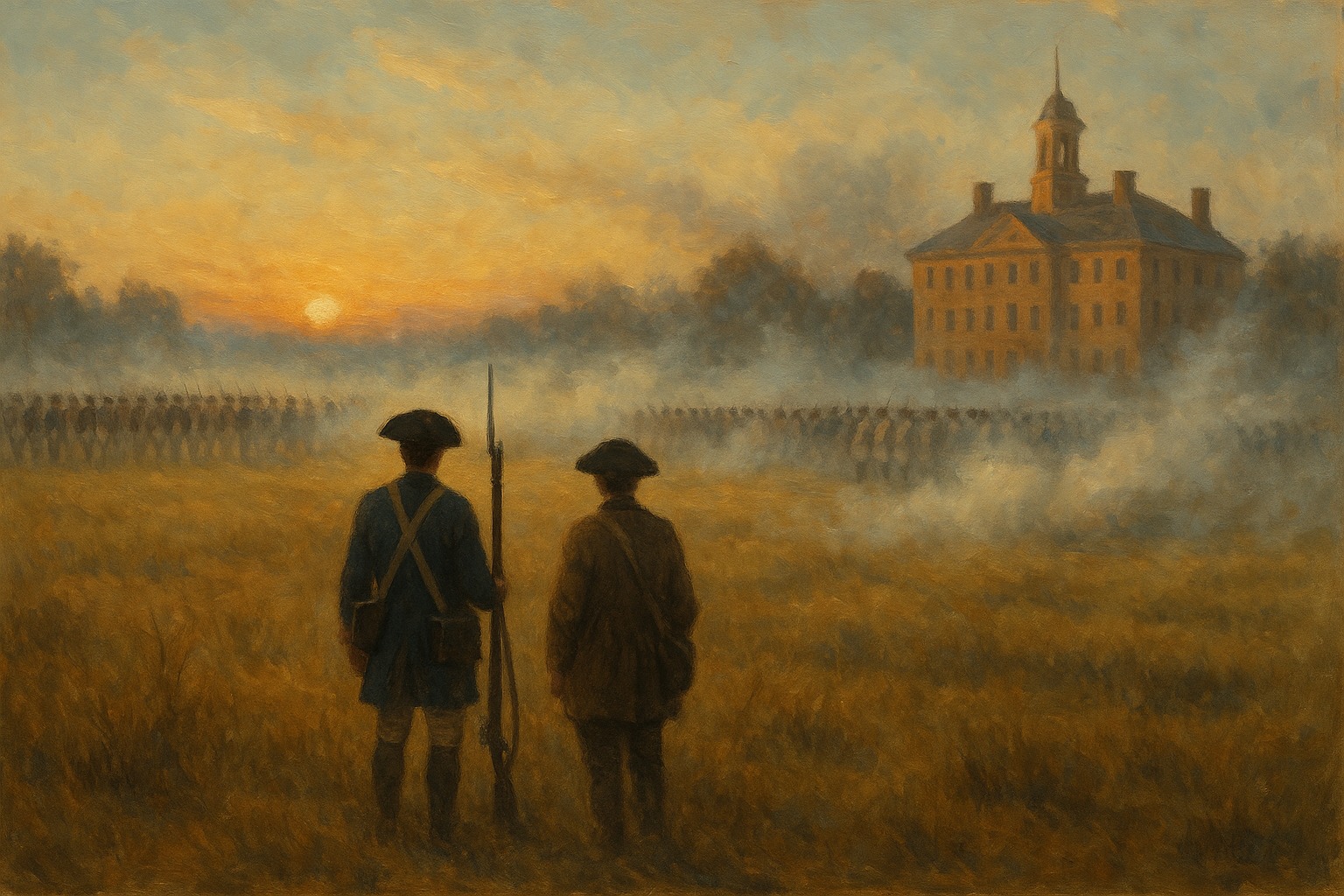
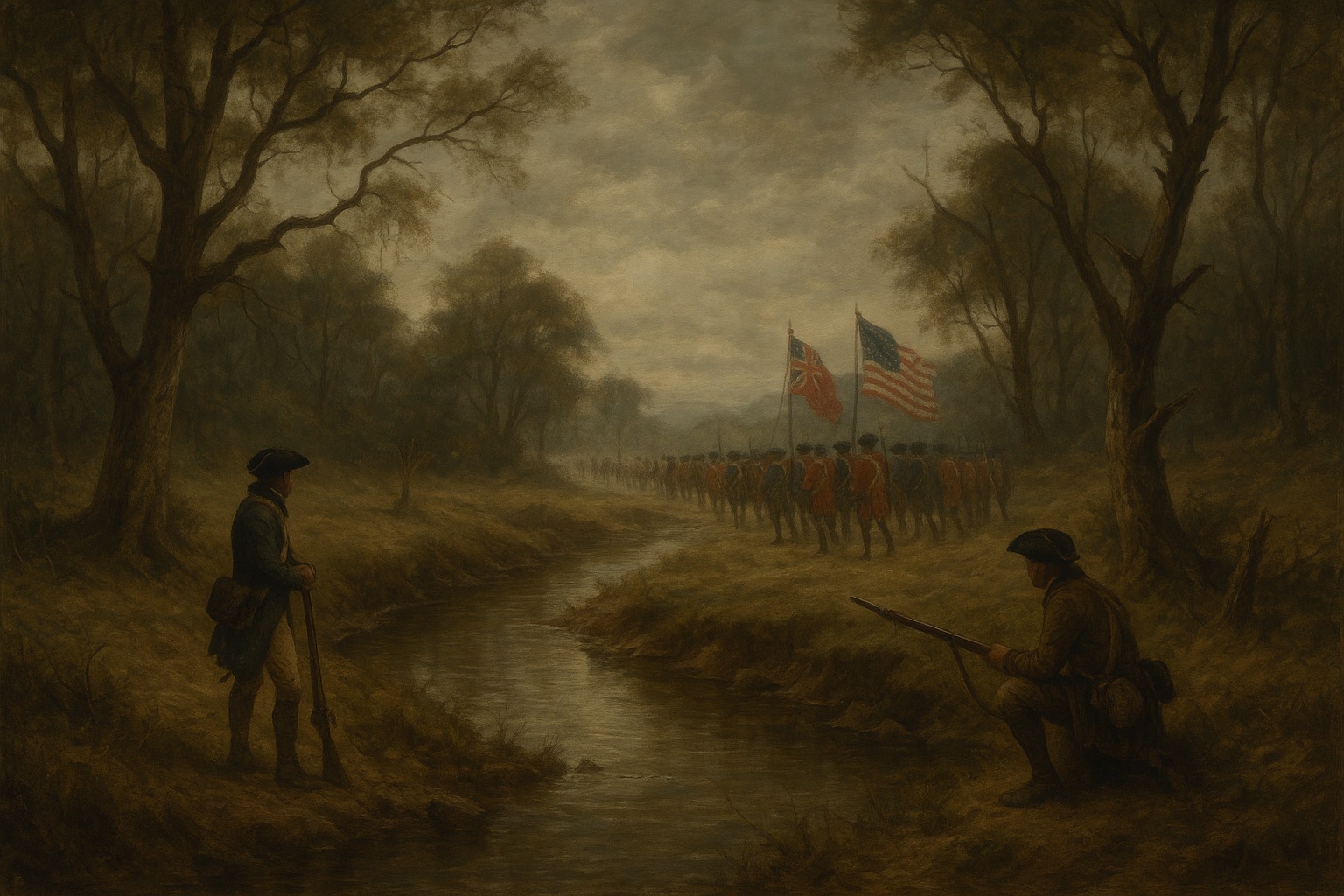
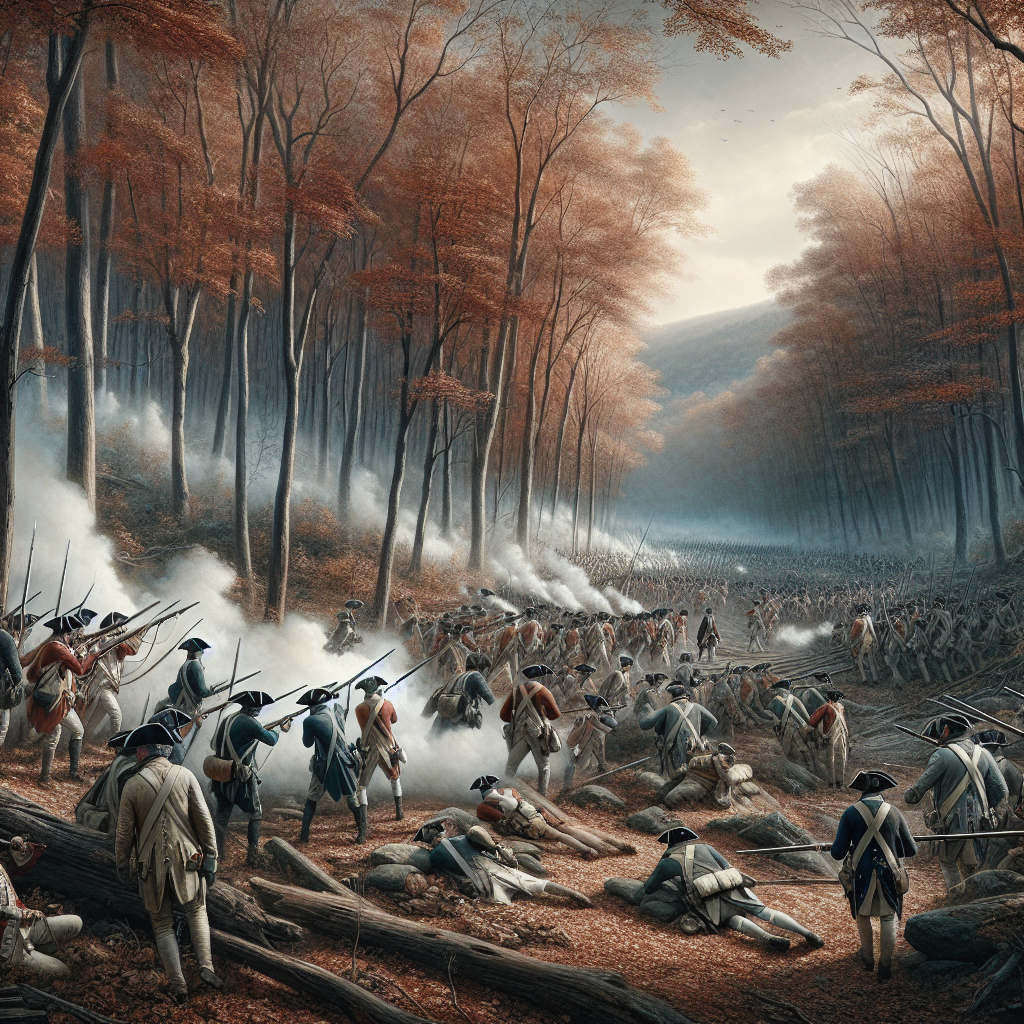


Stalemated in the North, the British turned south - and found a grinding war of raids and reversals. These campaigns wore down the British army and set up the trap that would end the fighting.


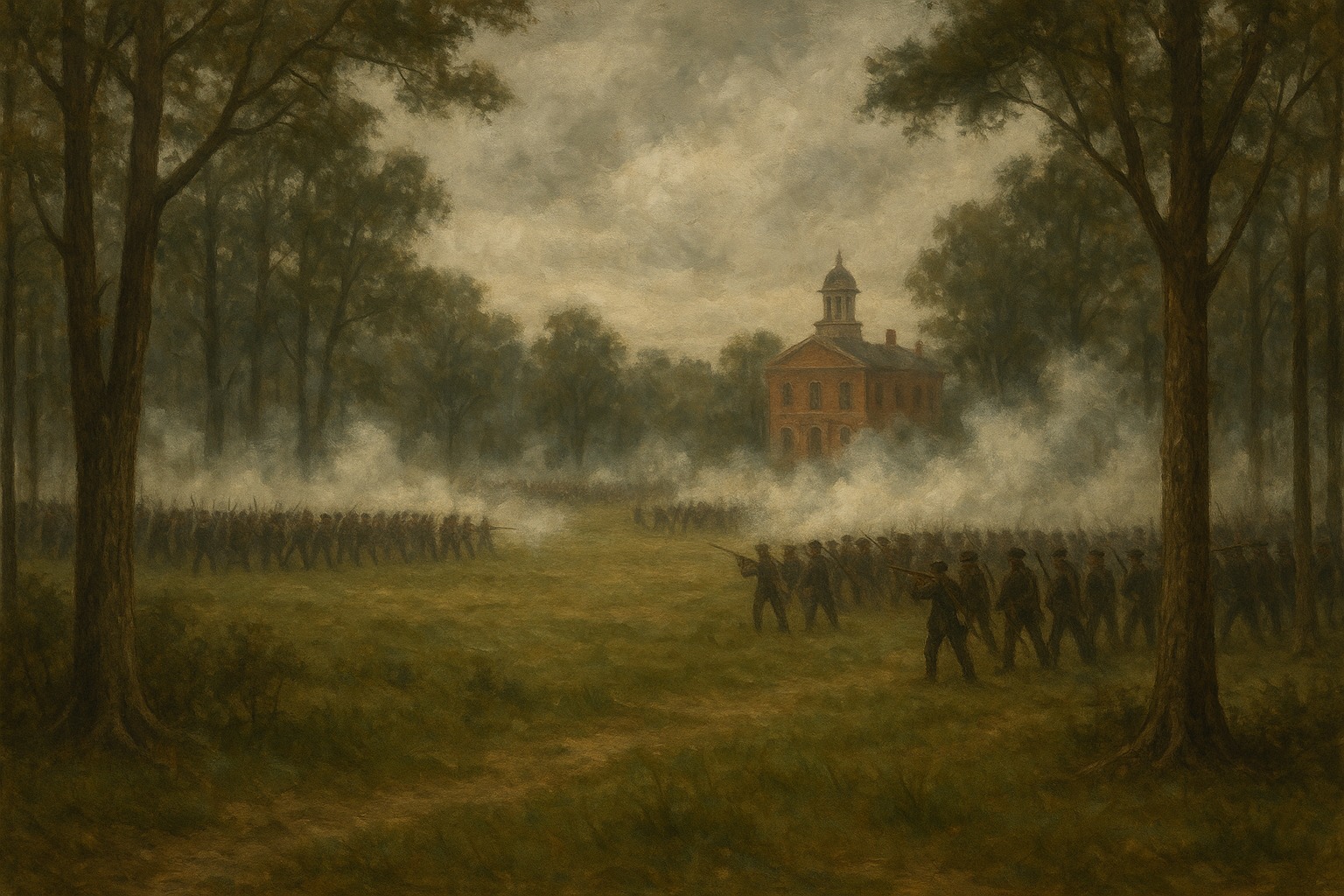
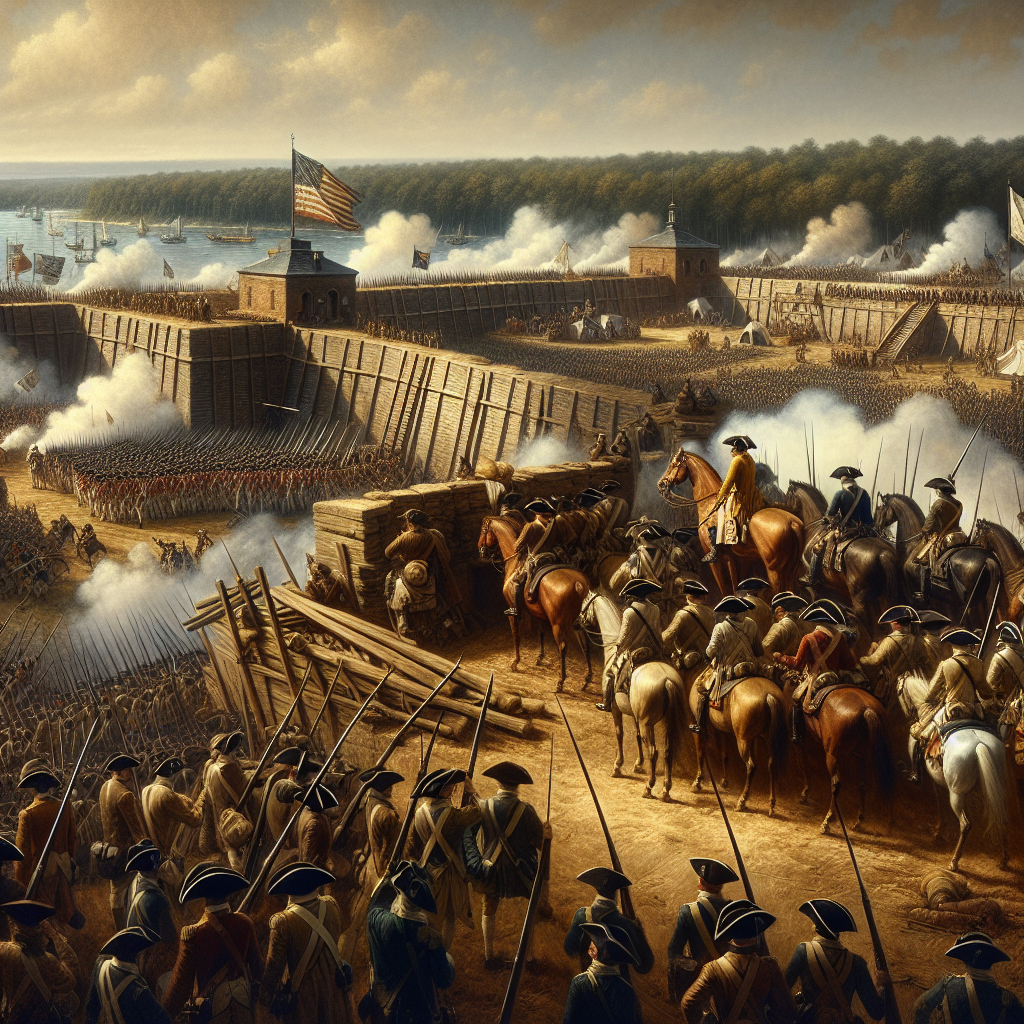
The war's last major battle was a siege. With French troops and a French fleet sealing the escape, the American and allied armies trapped a British army on the Virginia coast and forced the surrender that effectively ended the Revolution.
For the war's full political arc, see the American Revolution timeline; for the men who led it, the Founding Fathers.