Every U.S. War and Major Conflict, Explained
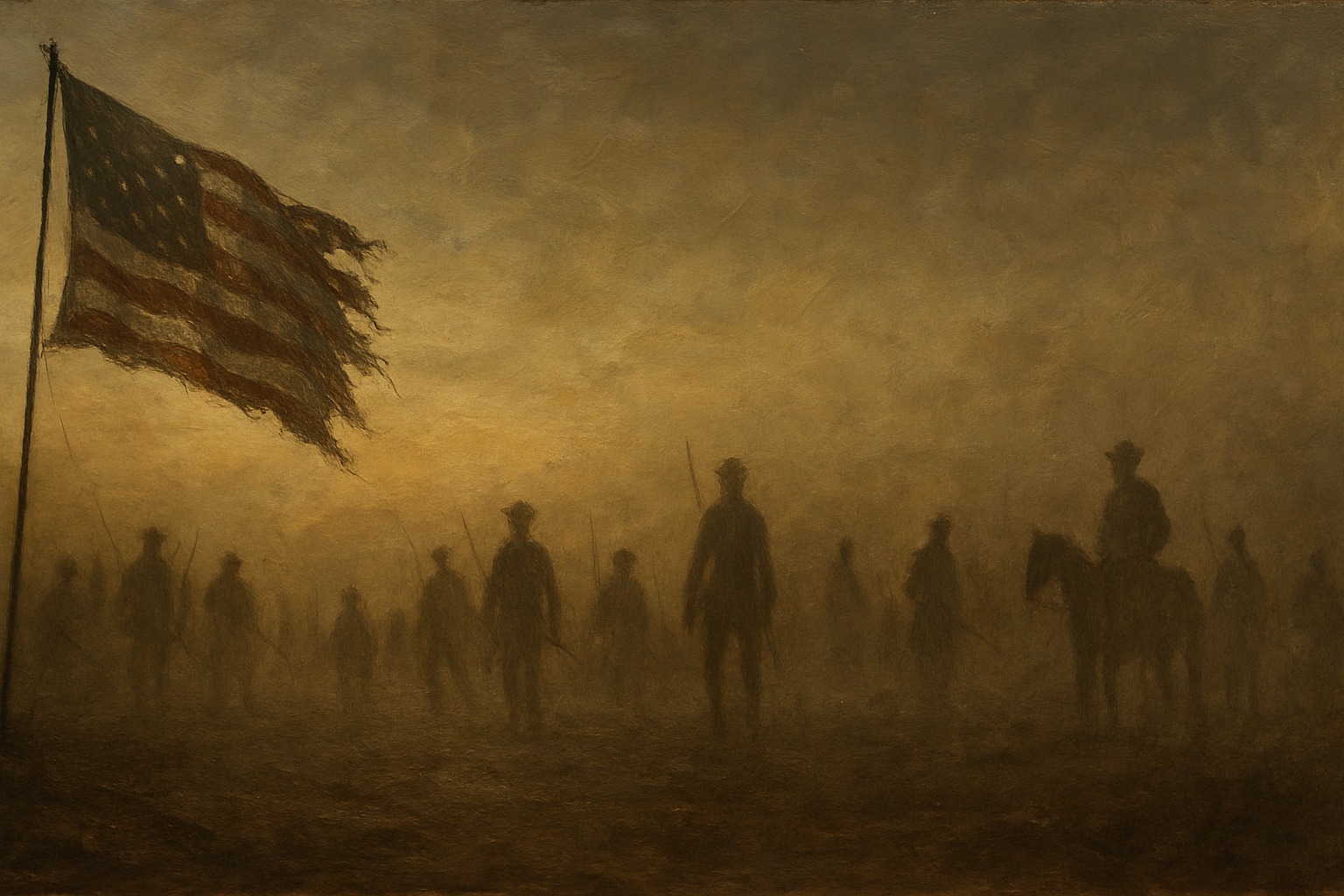
The United States was born in war and has rarely been long without one. Its borders, its industries, its alliances, and the reach of its federal government were each settled, more often than not, on a battlefield or at the treaty table that followed. To read the wars in order is to read a second history of the country — the one fought rather than legislated.
This guide lists the major conflicts chronologically, from the colonial wars that preset the Revolution to the standoffs of the present day. It is deliberately broad: alongside the declared wars sit the campaigns against Native nations and the proxy fights of the Cold War, because each reshaped the country as surely as the wars with names everyone remembers. Every entry links to a full account, with a one-line note on what was at stake.
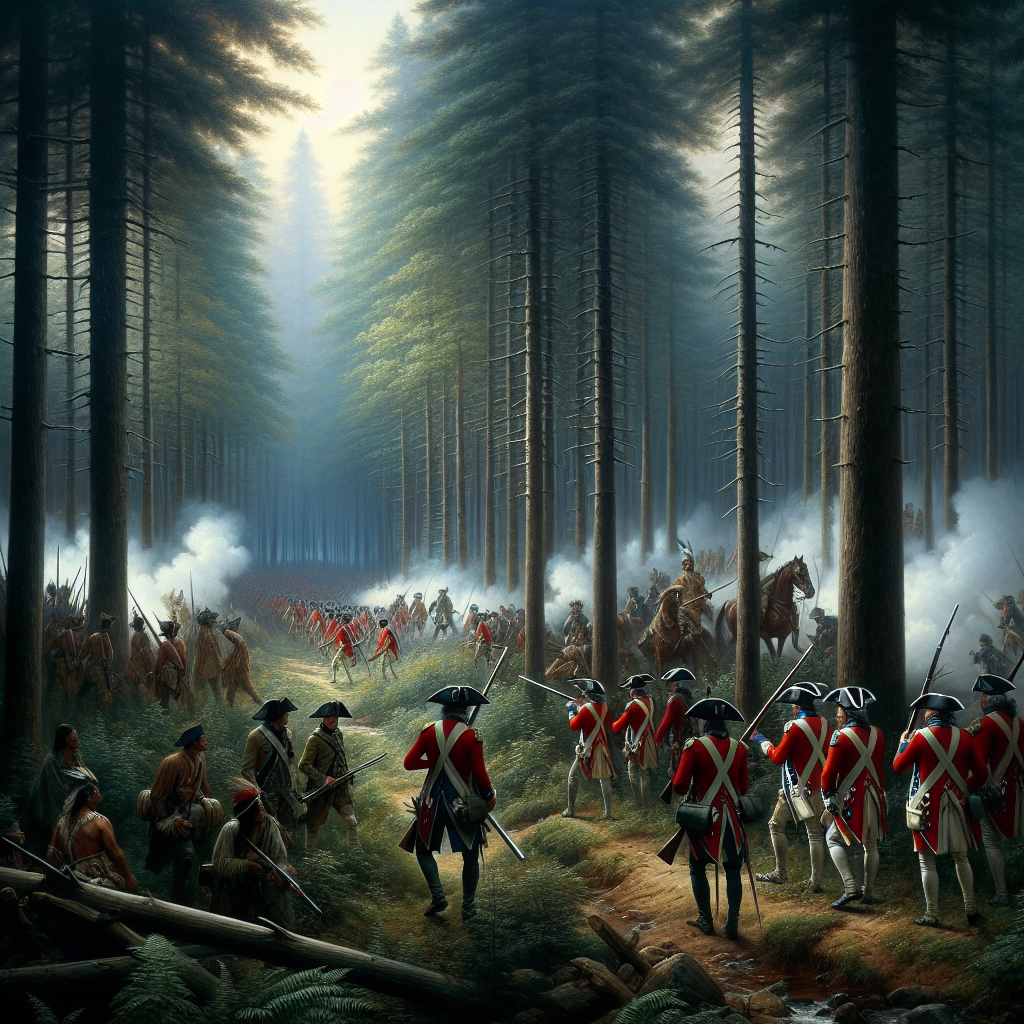
Before there was a United States, there were the wars that made one possible. The struggle for the continent among European empires drew the colonies into fighting, taught them to organize for it, and left grievances that helped turn them against the Crown they had once fought for.
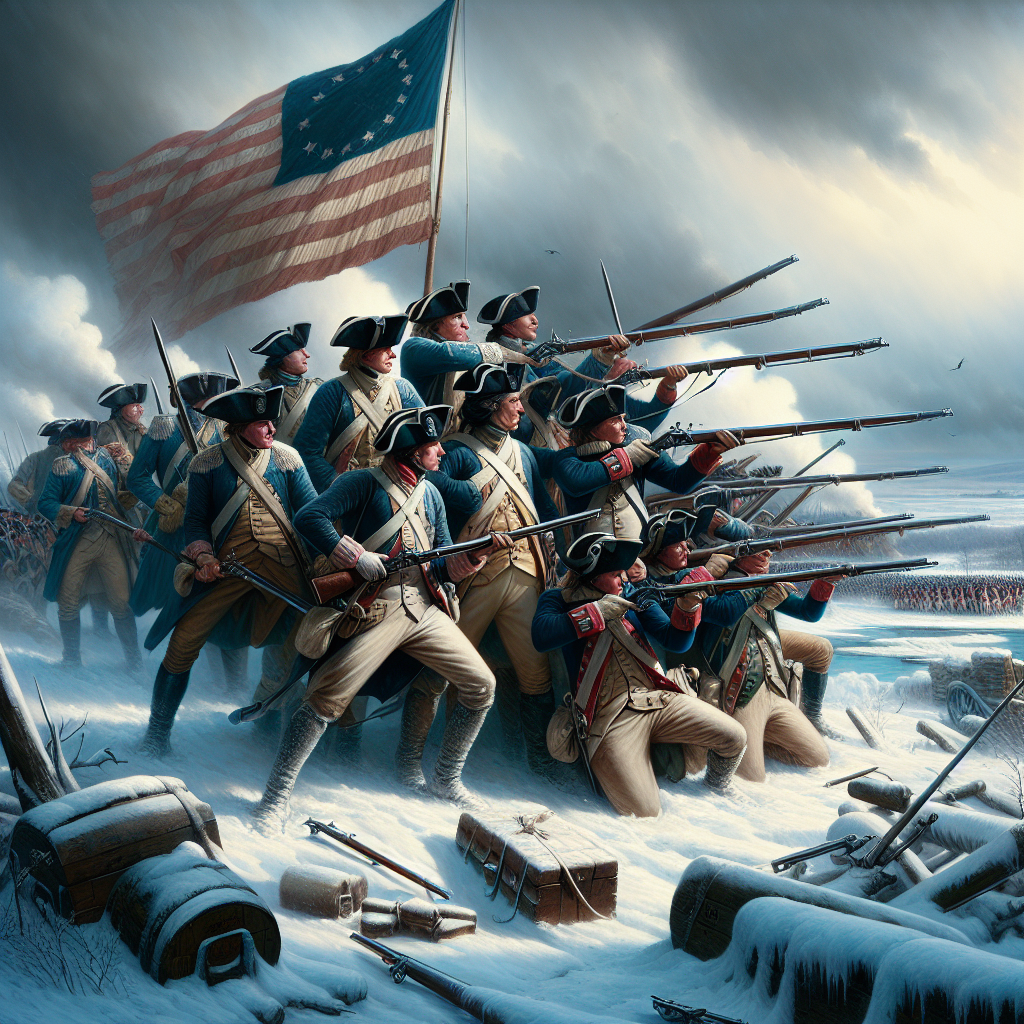
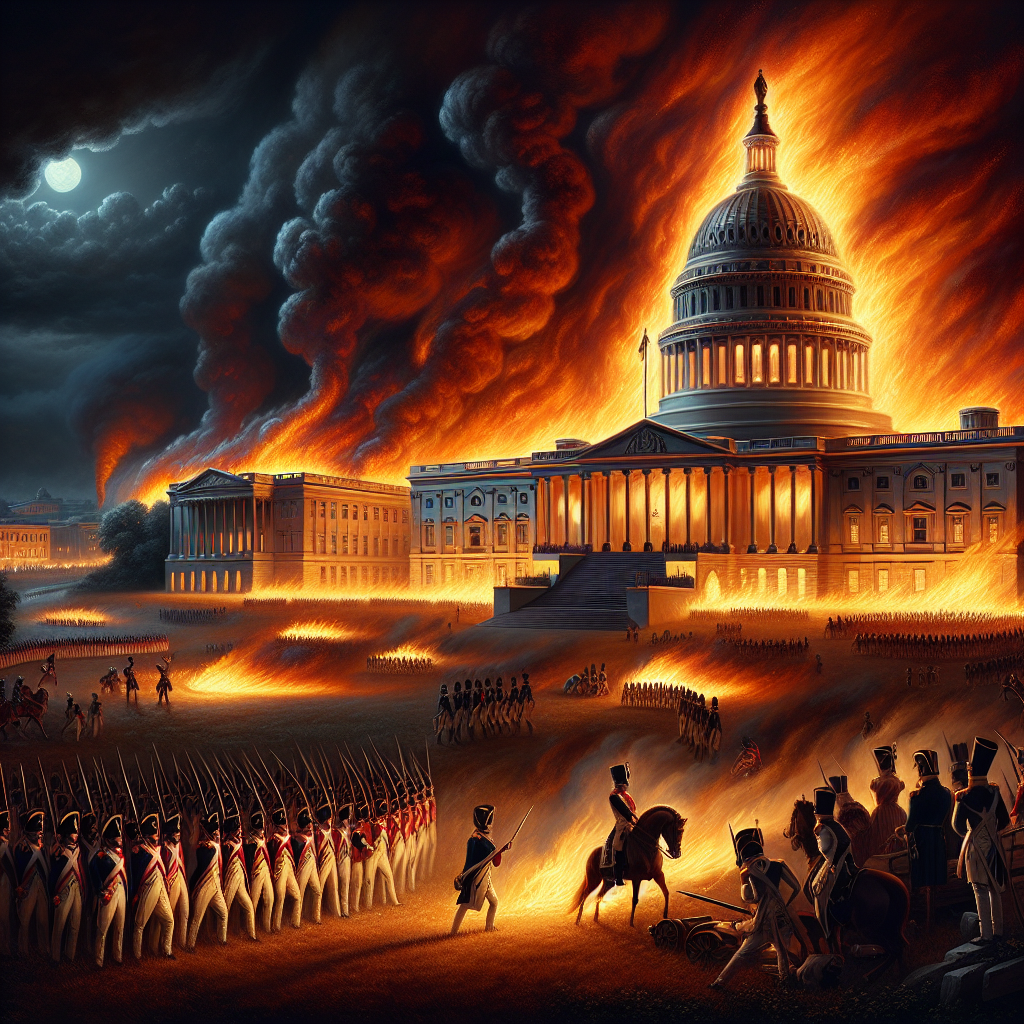
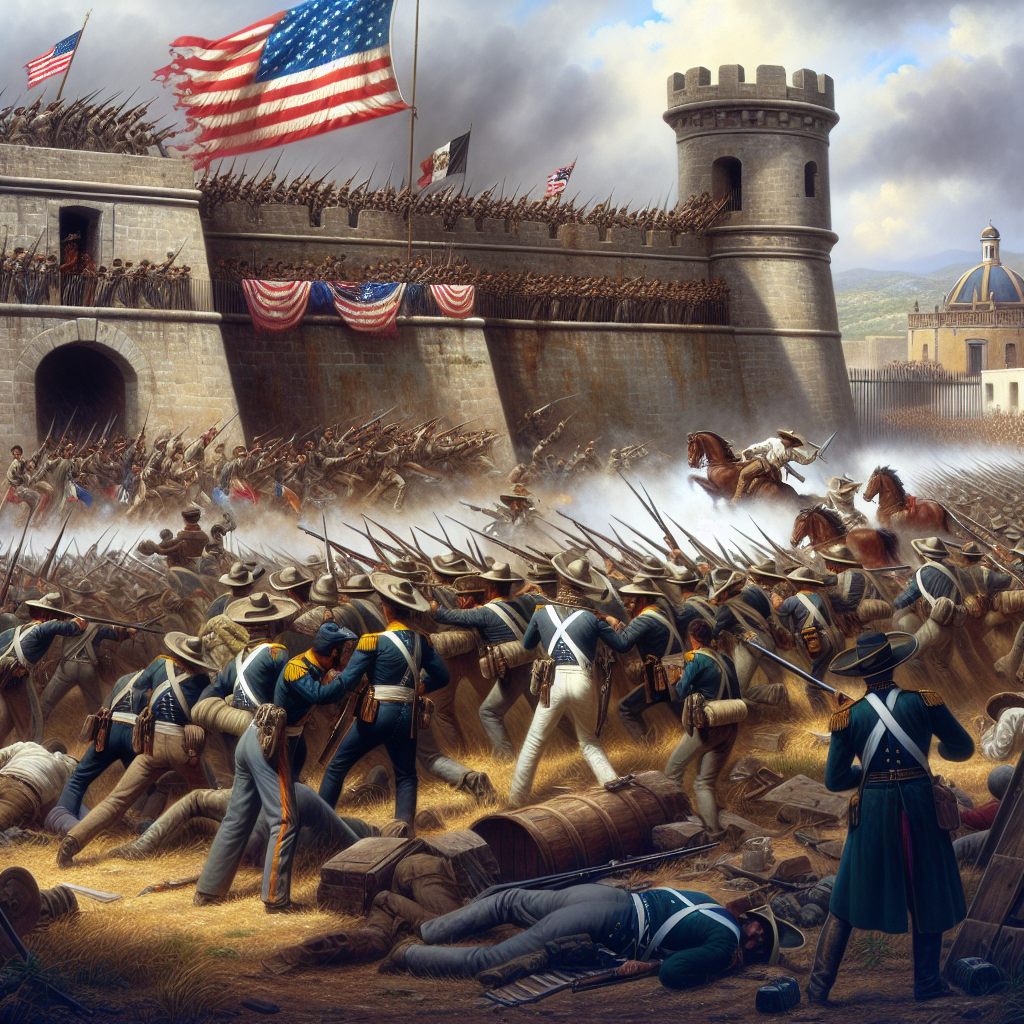
The new nation tested its independence and its borders almost at once. These conflicts confirmed that the United States could defend itself and pushed its territory westward and southward - often at the expense of the peoples already living there.
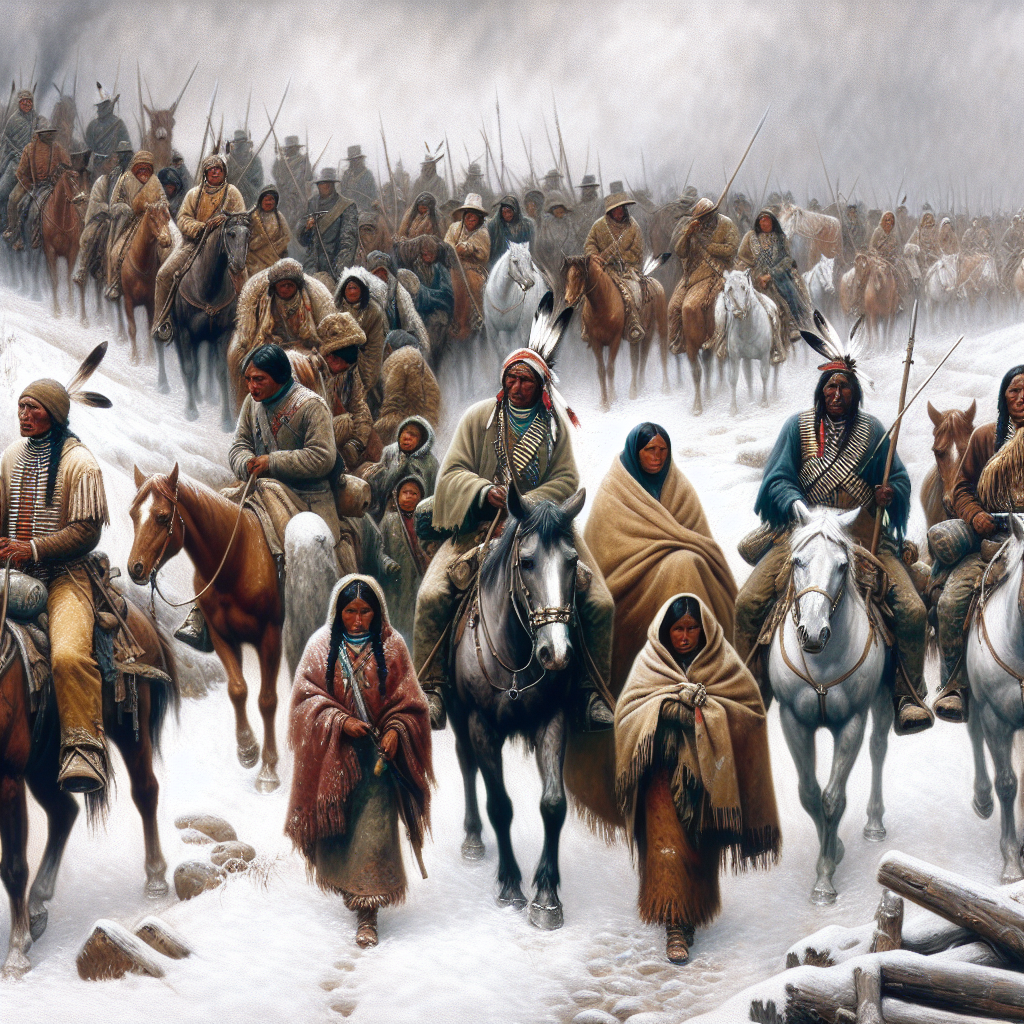
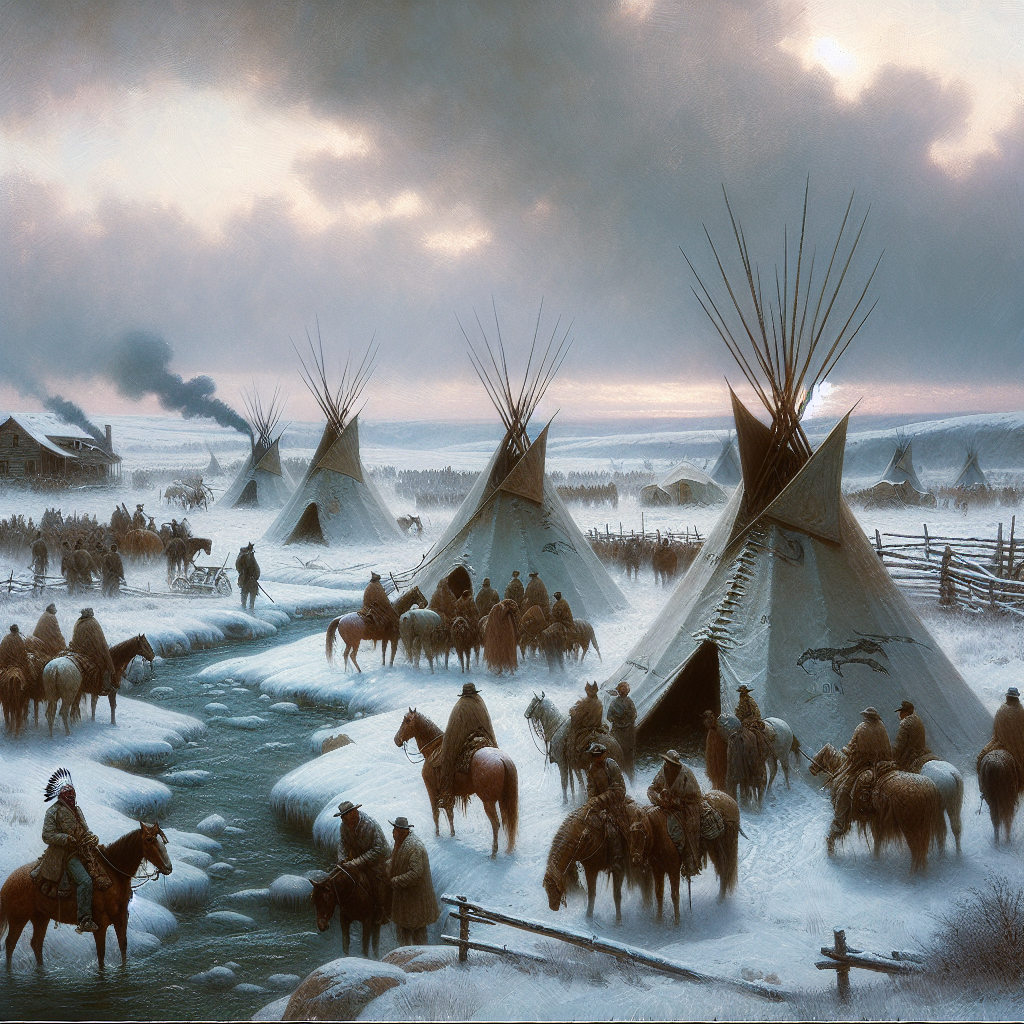
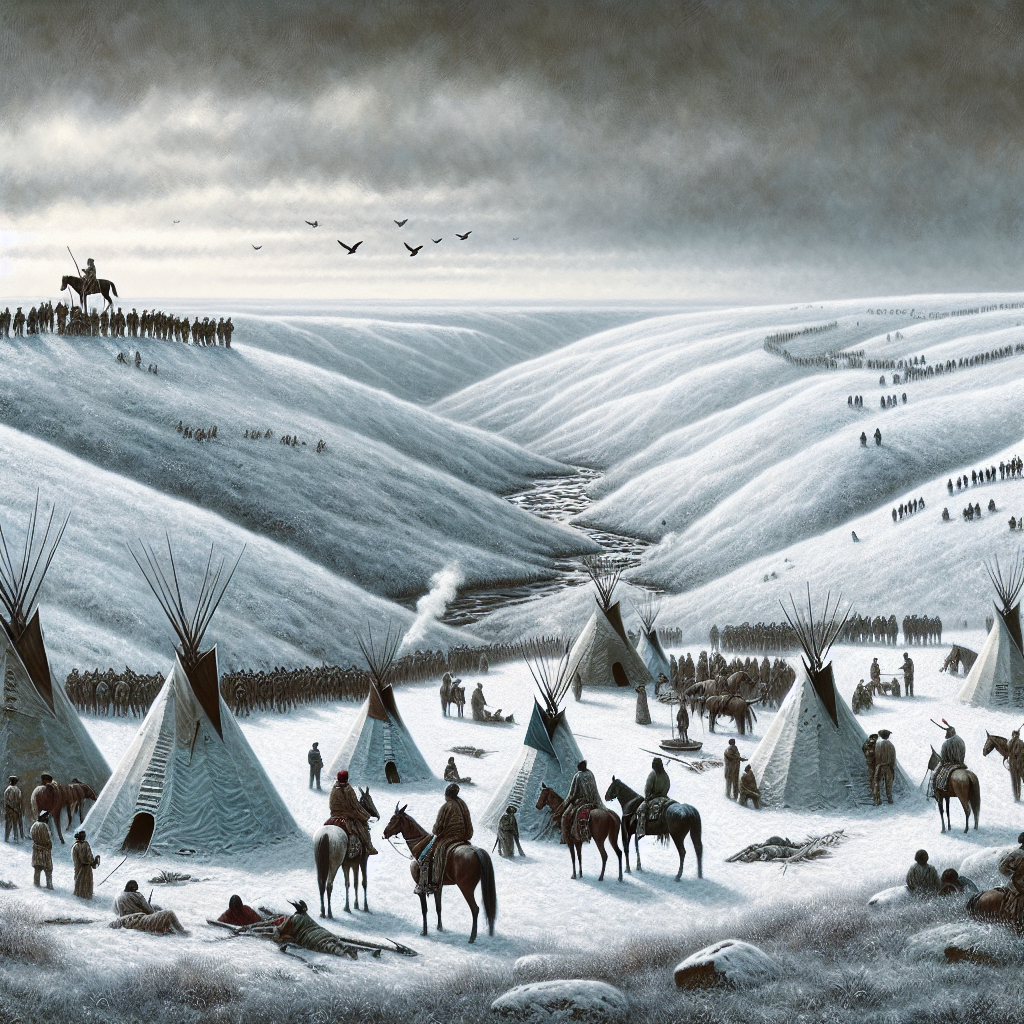
Running alongside every era of expansion was a long, intermittent war against the Native nations in the country's path. These campaigns rarely carried formal declarations, but together they cleared the continent for American settlement and broke the sovereignty of the peoples who had held it.
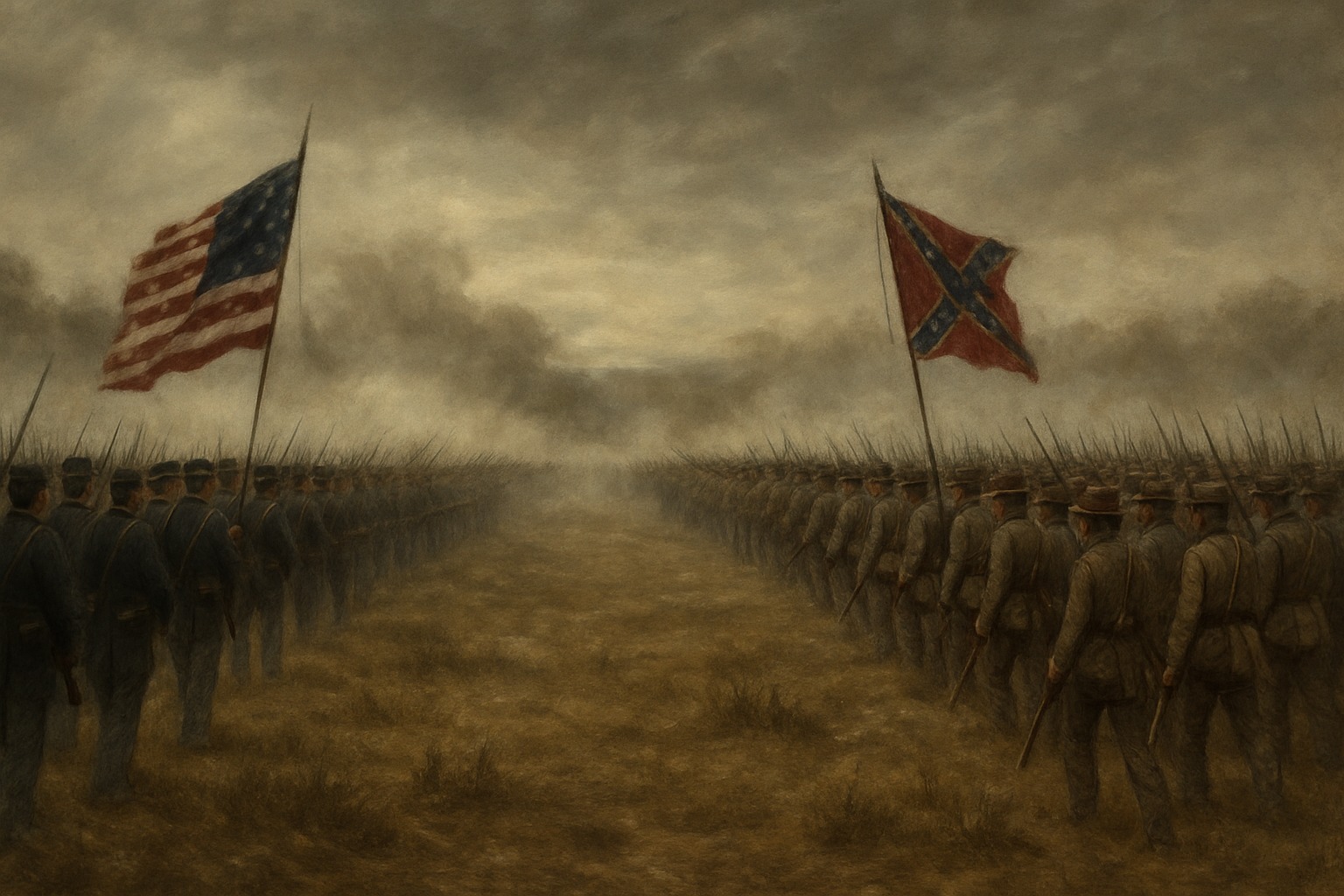
The deadliest war in American history was fought against itself. The question of slavery, left unresolved since the founding, finally split the country in two and was settled only by four years of fighting that remade the nation and freed four million people.
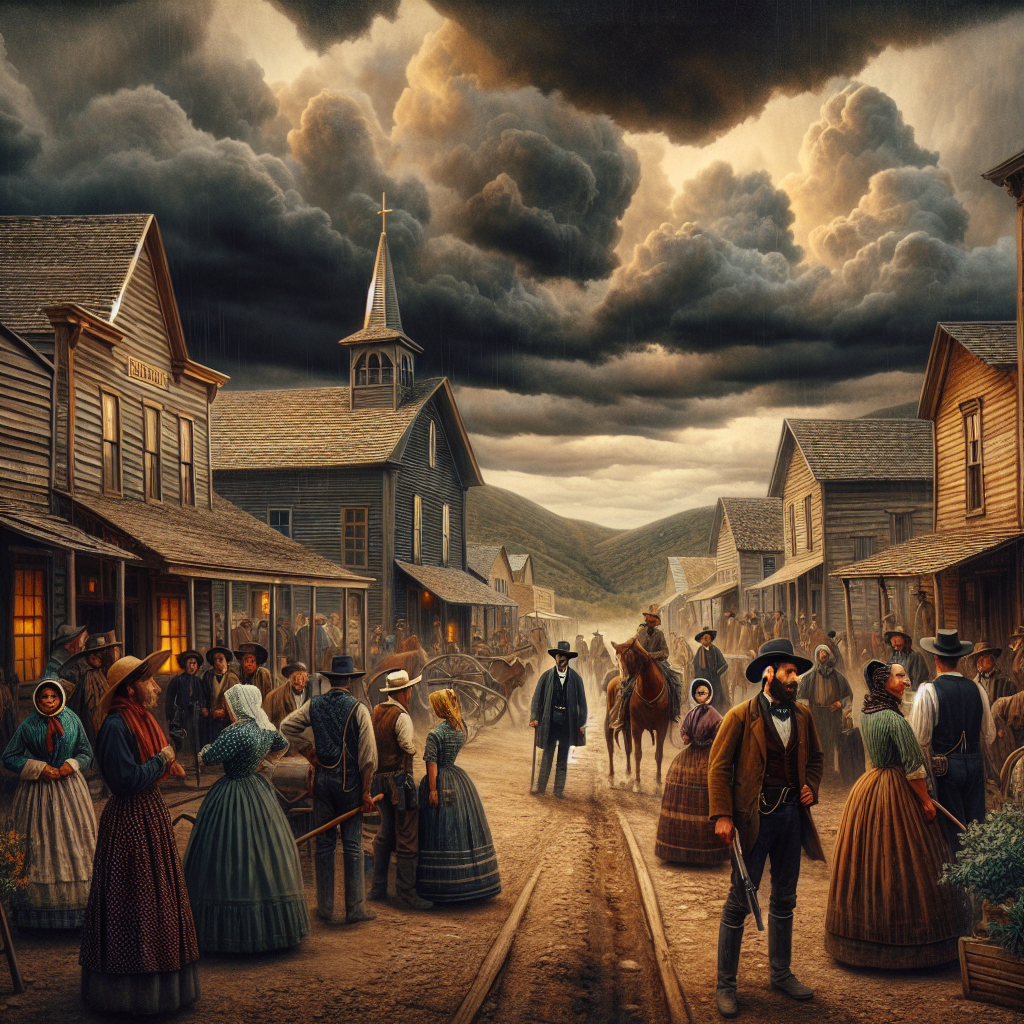
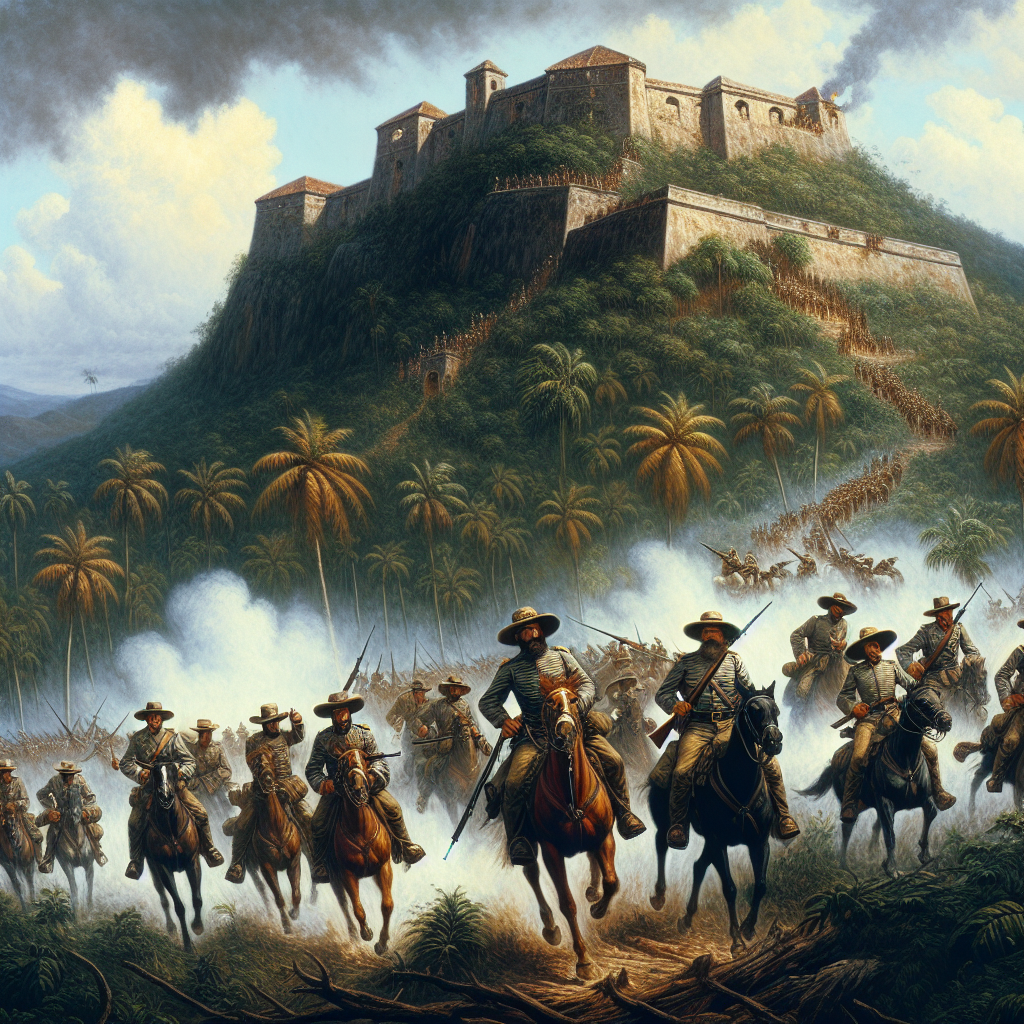
At the turn of the twentieth century the United States began projecting force beyond its own hemisphere. These conflicts announced its arrival as a great power and drew it, for the first time, into the wars of Europe and the wider world.
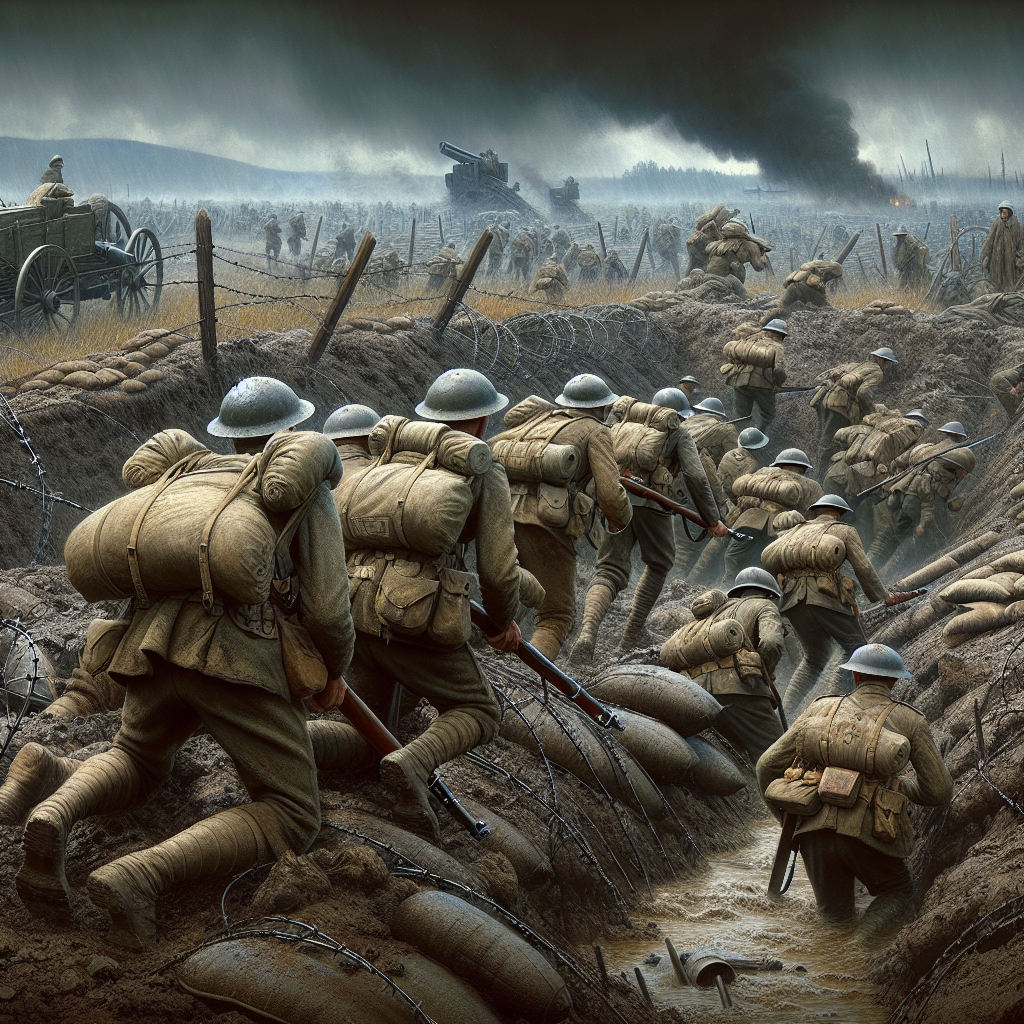
The Second World War was the largest mobilization in American history and the hinge on which the country became a global superpower. The entry here covers the war whole - the fighting on two oceans, the home front, and the new order it left behind.
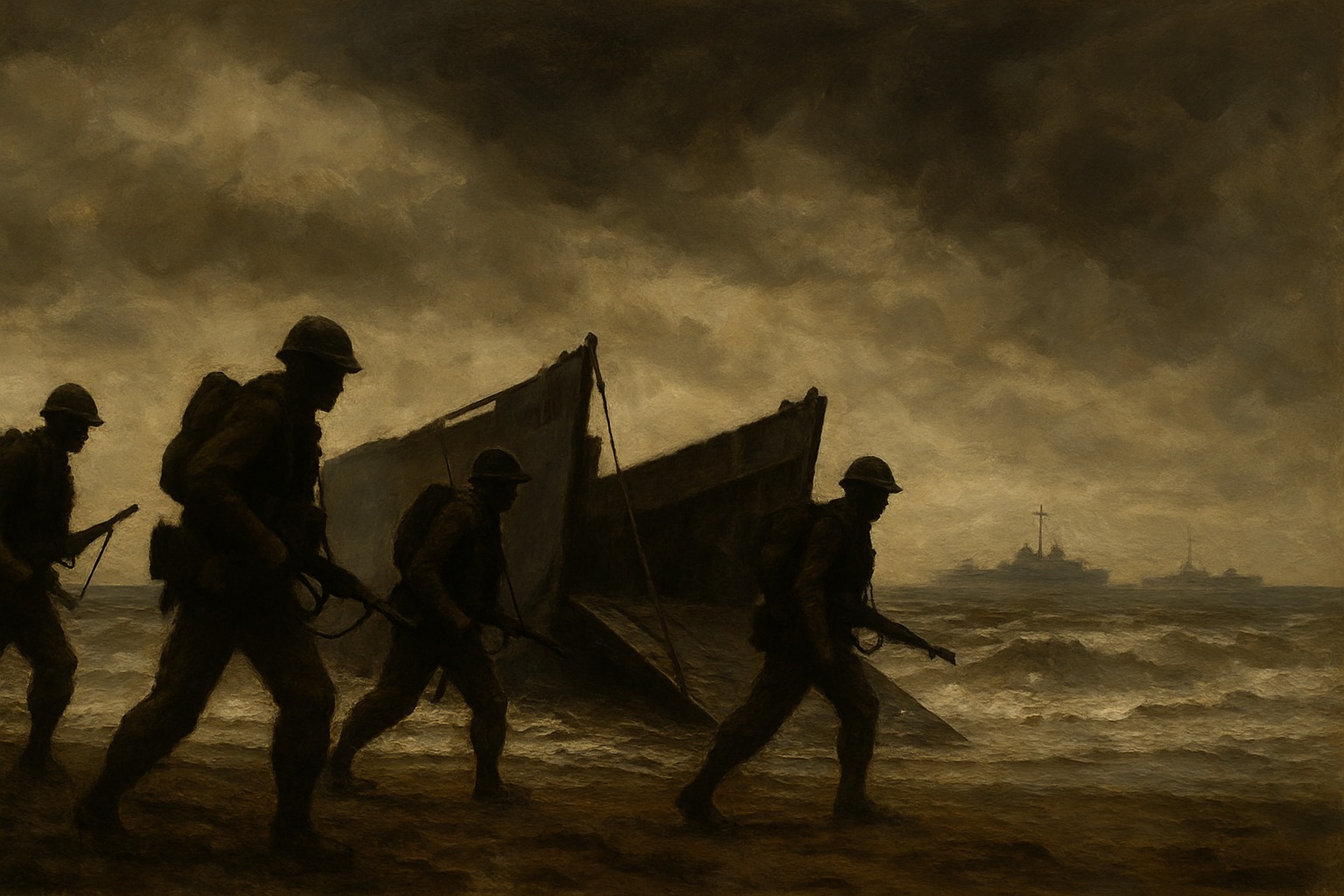
After 1945 American wars were fought less to win territory than to contain an ideology. The hot conflicts of the Cold War were proxy struggles against communism, costly and inconclusive, waged under the shadow of nuclear weapons.
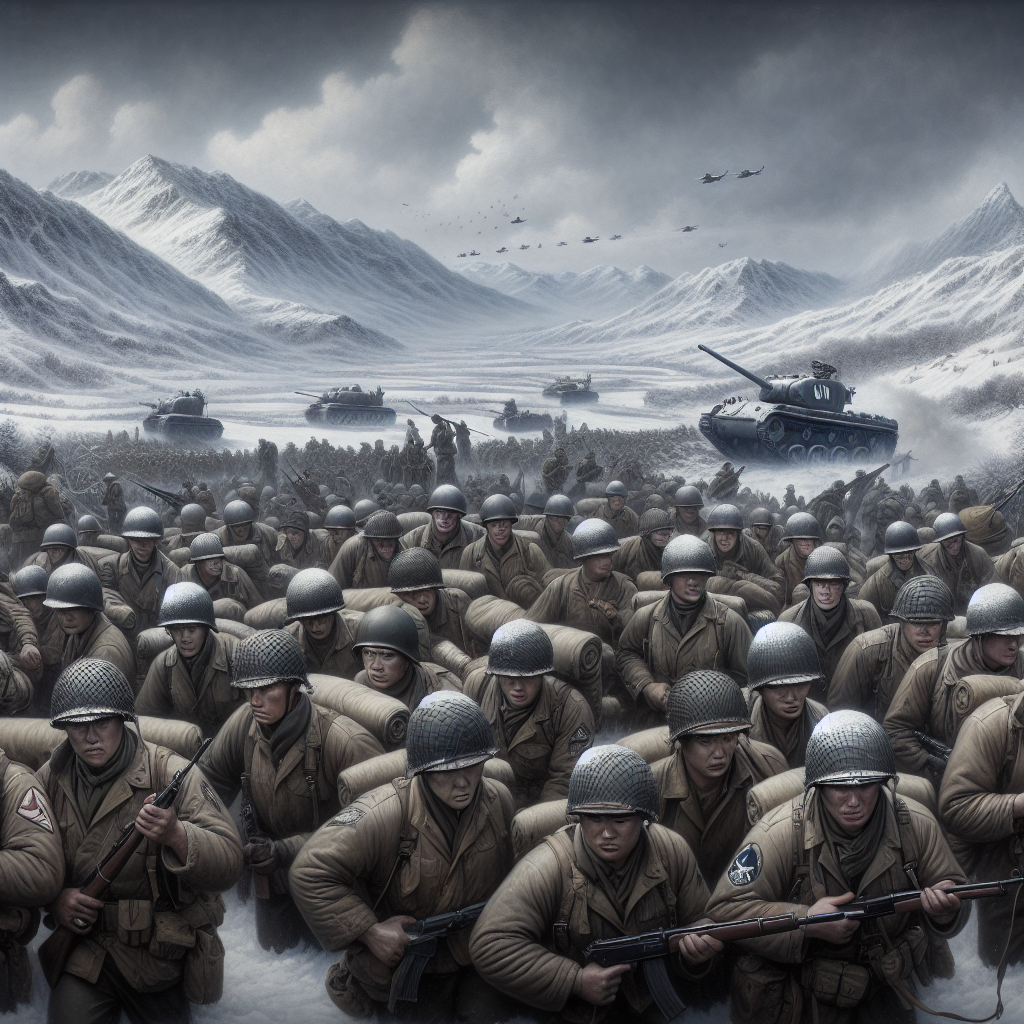
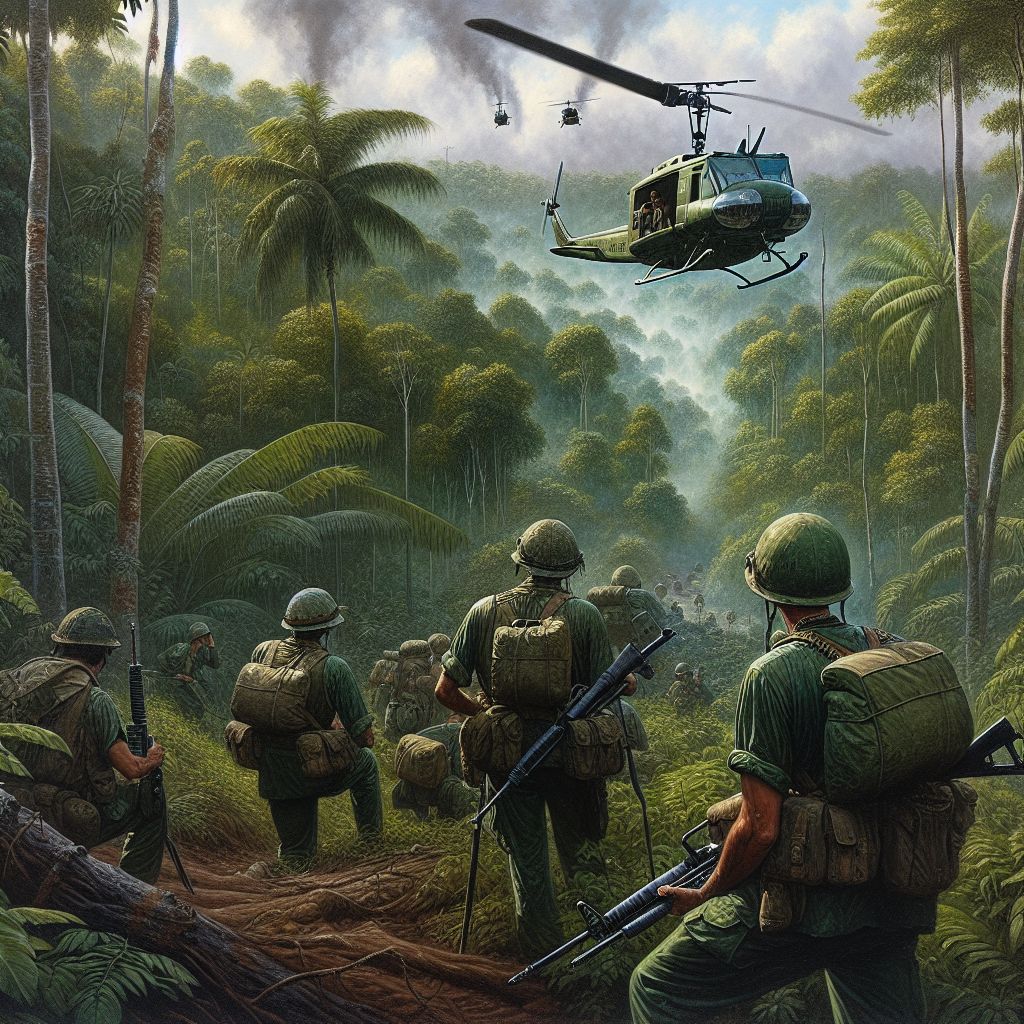
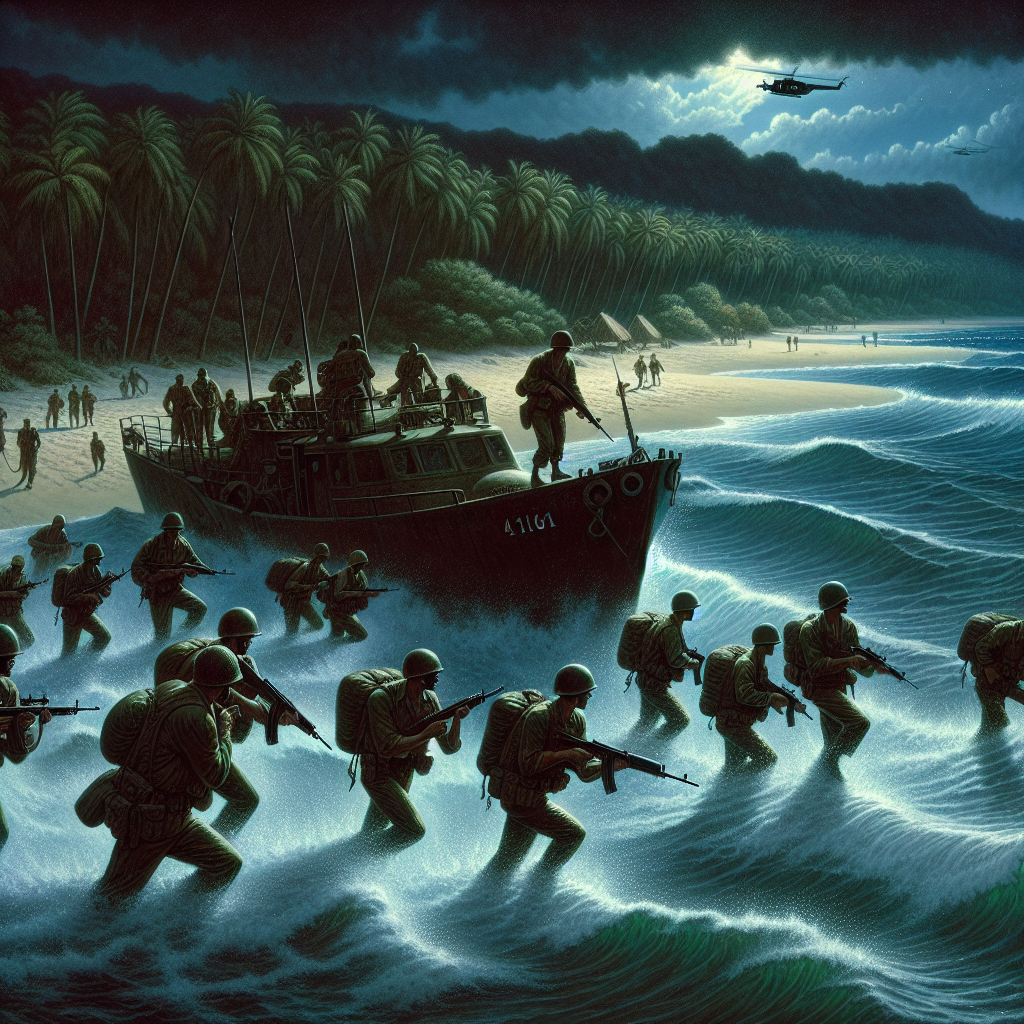
The newest American wars began in response to a single morning of attacks and stretched into the longest conflicts the country has ever fought - open-ended campaigns against enemies that wore no uniform and held no capital.
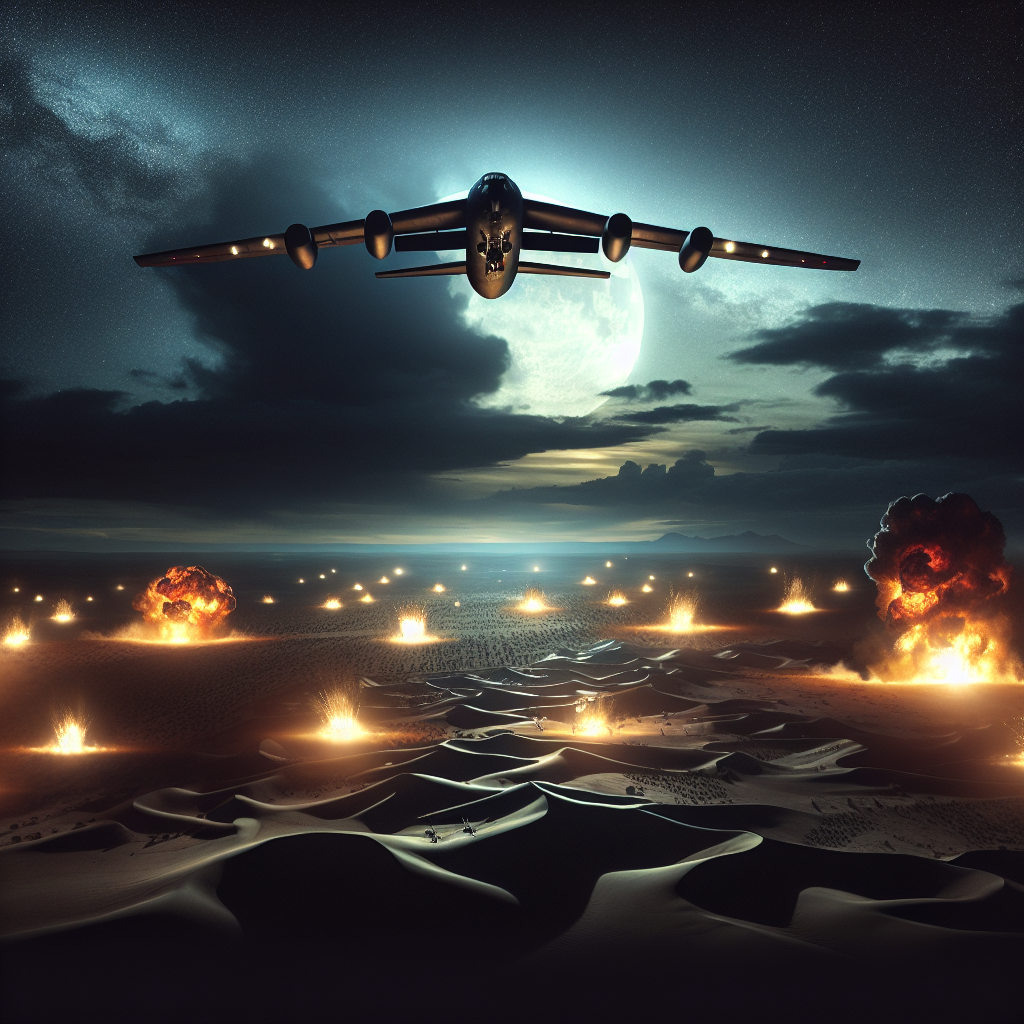
The end of the Cold War did not end American war-making. When Iraq overran Kuwait in August 1990, the United States assembled the broadest wartime coalition since 1945 and won a lopsided victory in six weeks. The decision to halt at the Iraqi border rather than march on Baghdad answered the immediate question and left a larger one open for twelve years.
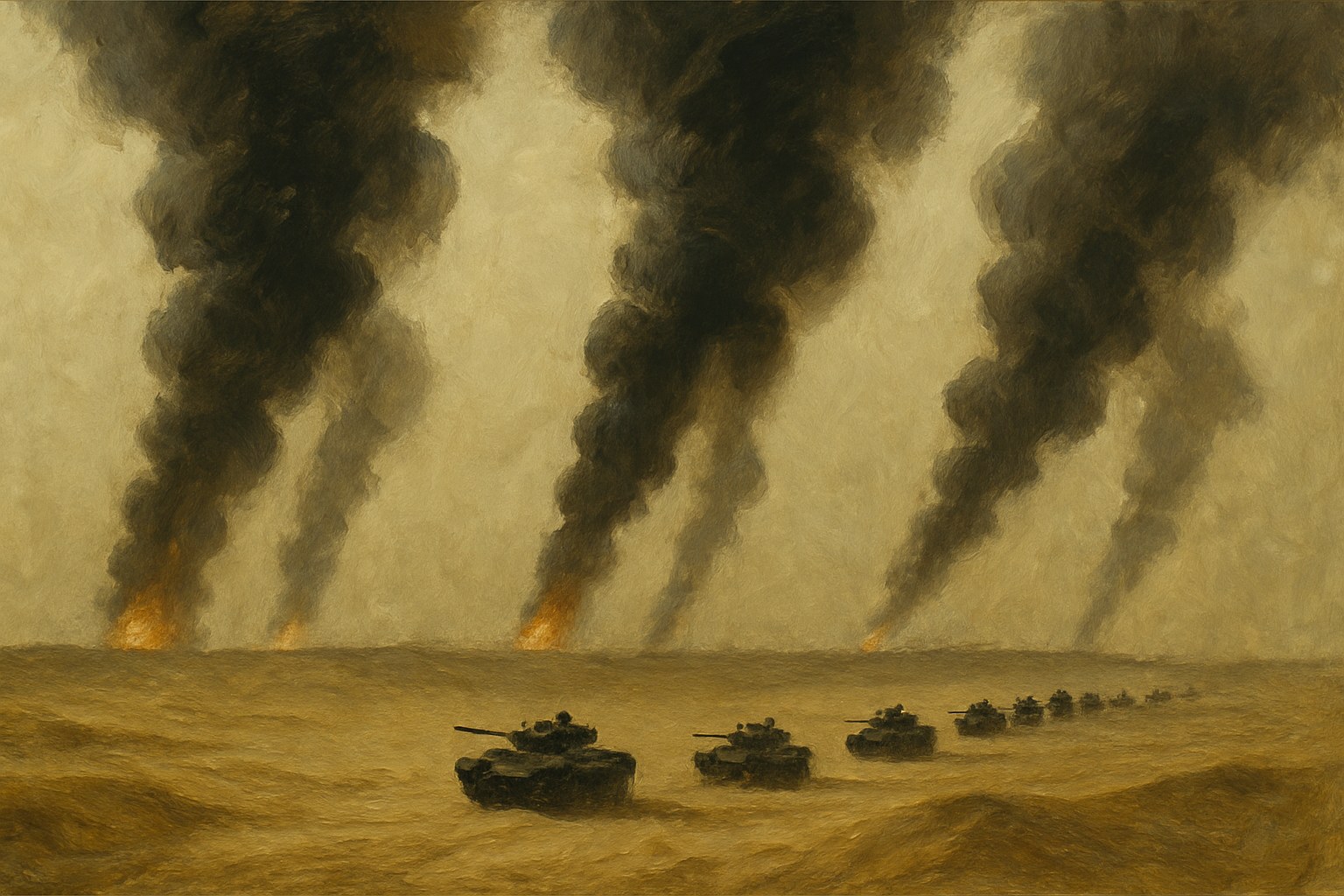
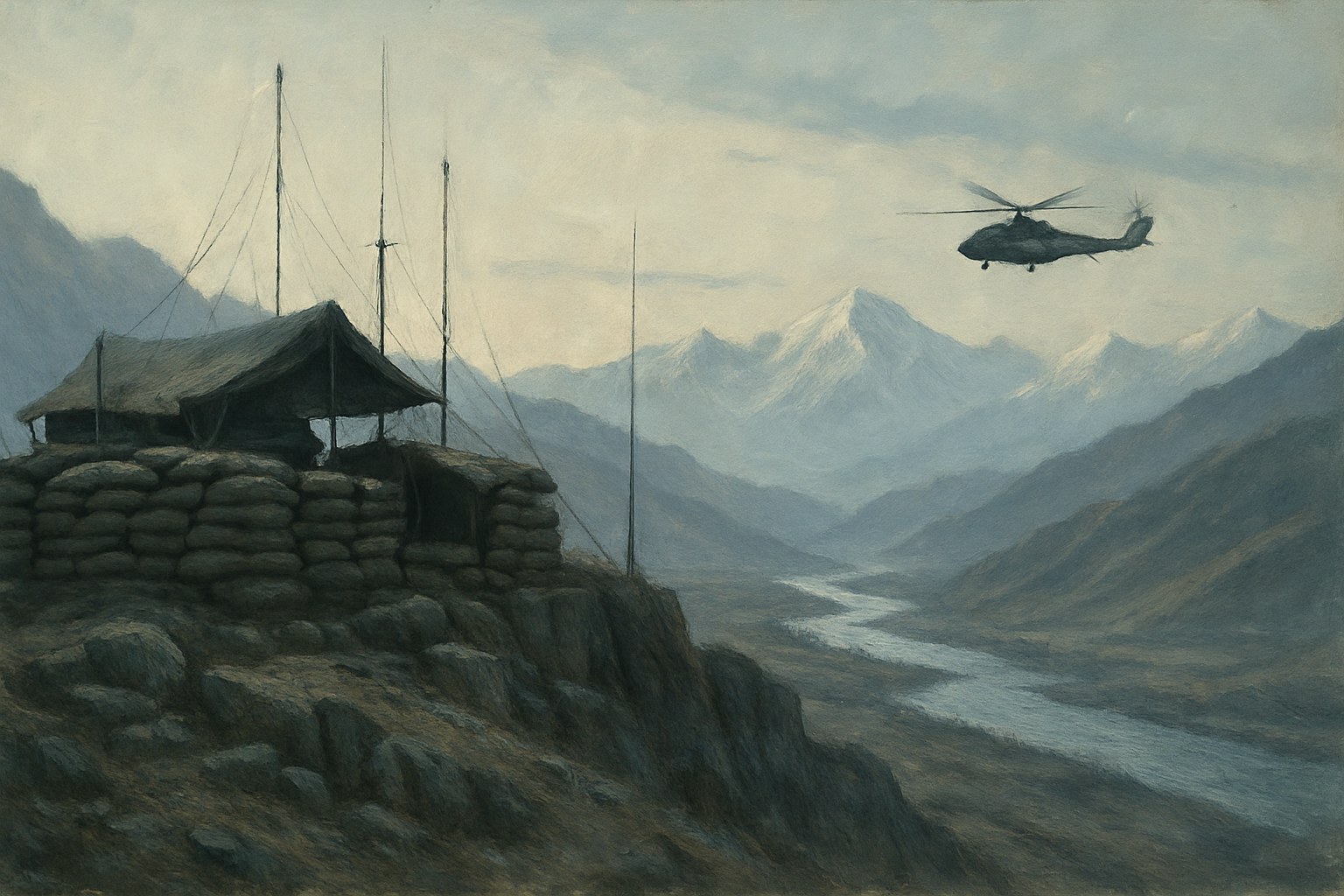
The attacks of September 11, 2001 pushed the United States into two ground wars, a global counterterrorism campaign, and a set of legal and institutional changes that outlasted both. Afghanistan and Iraq were fought largely under a single sixty-word authorization passed three days after the attacks. Together they consumed two decades, more than 7,000 American lives, and trillions of dollars, and they ended without the clear conclusion the country had come to expect from its wars.
Wars are won and lost in their battles. For the campaigns inside the biggest of them, follow the American Revolution timeline — and watch for companion timelines on the Civil War and World War II.