Chicago
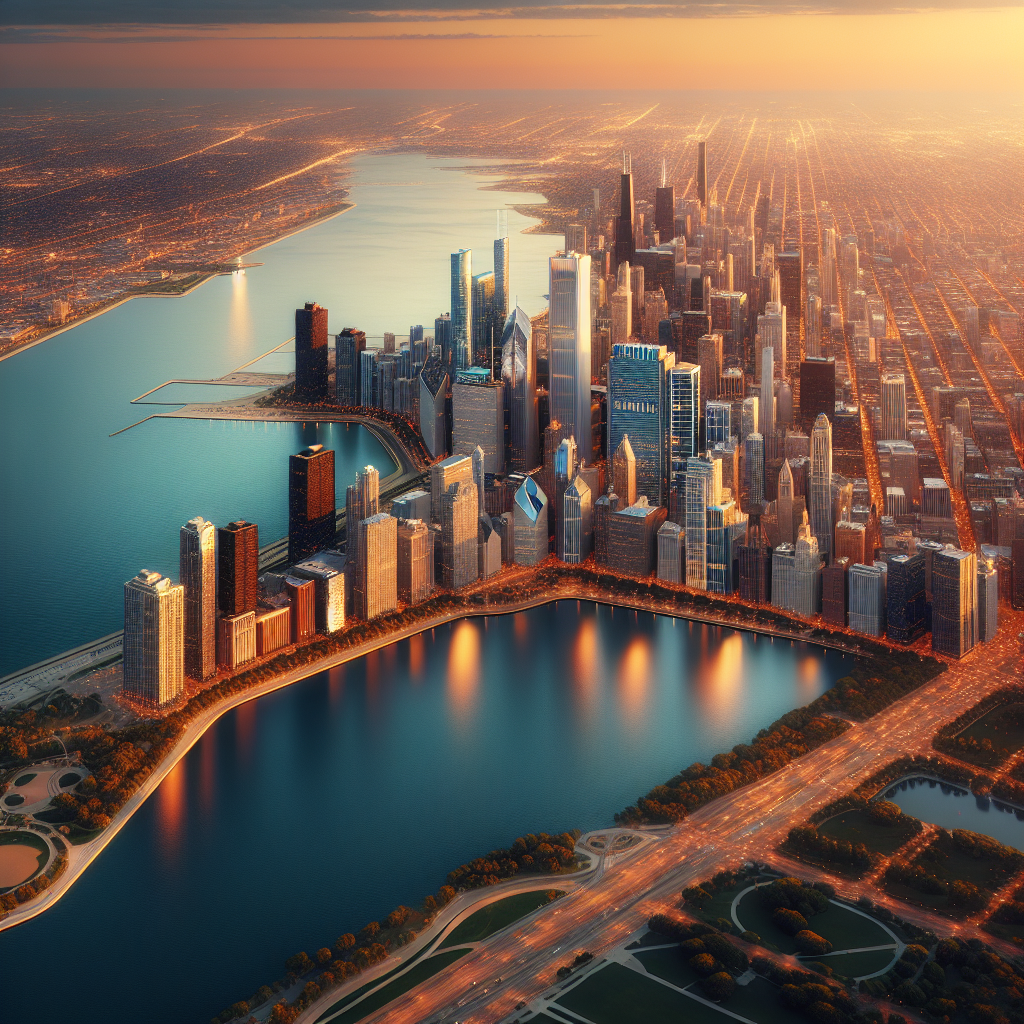
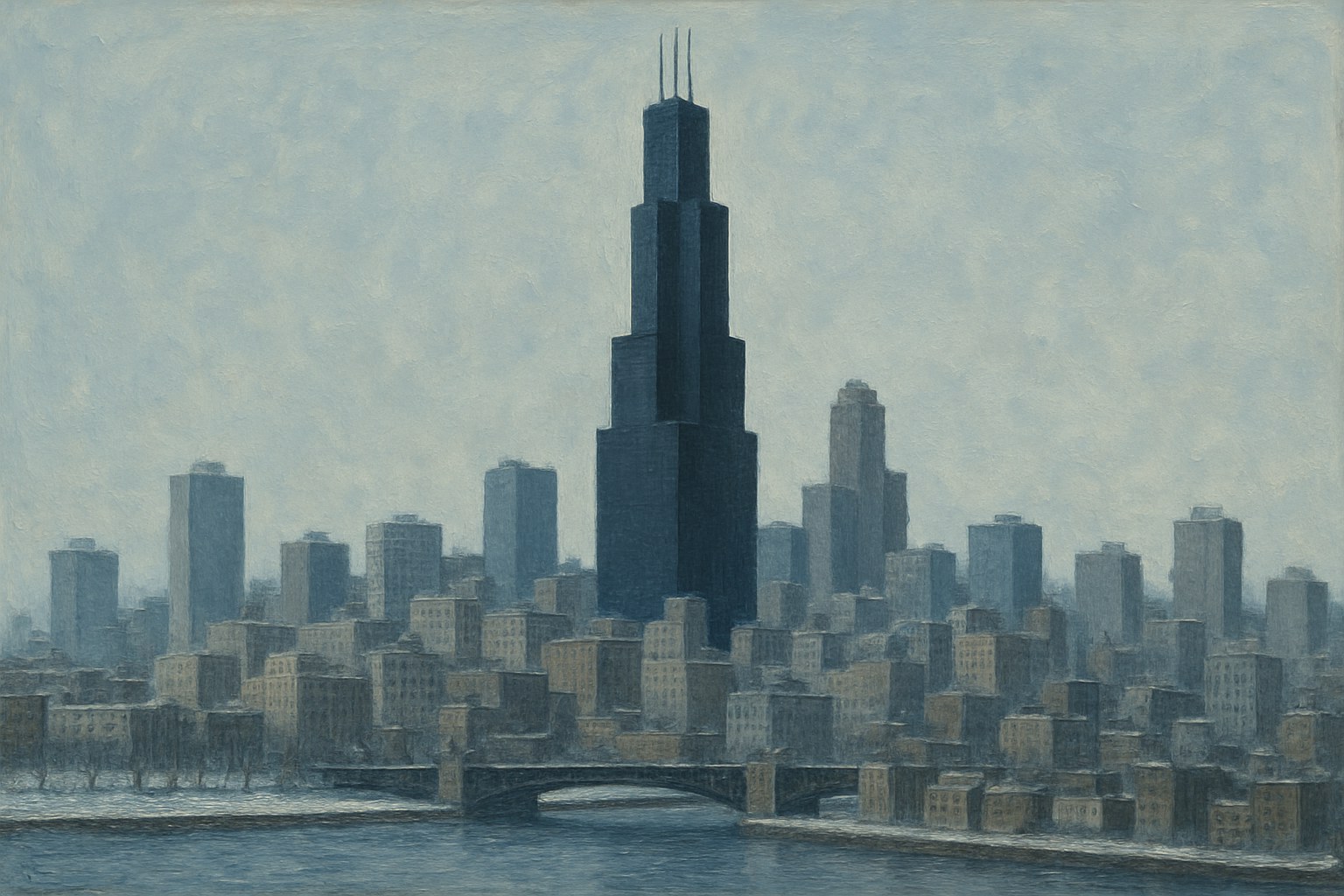
Chicago was incorporated as a town in 1833 with 350 residents and became the fastest-growing city in the history of the world, reaching one million people by 1890 — an expansion so rapid that it constituted a kind of urban experiment conducted in real time. The city's growth was driven by geography: it sat at the southern tip of Lake Michigan, where a portage of less than a mile connected the Great Lakes basin to the Mississippi River system, meaning that virtually everything moving between the Atlantic seaboard and the continental interior had to pass through or near it. The Erie Canal sent settlers and commerce streaming west; the railroads converged on Chicago from every direction; the Union Stock Yards opened in 1865 and made the city the slaughterhouse of a continent. By 1900 Chicago was processing more meat, more grain, more lumber, and more steel than any other city on earth.
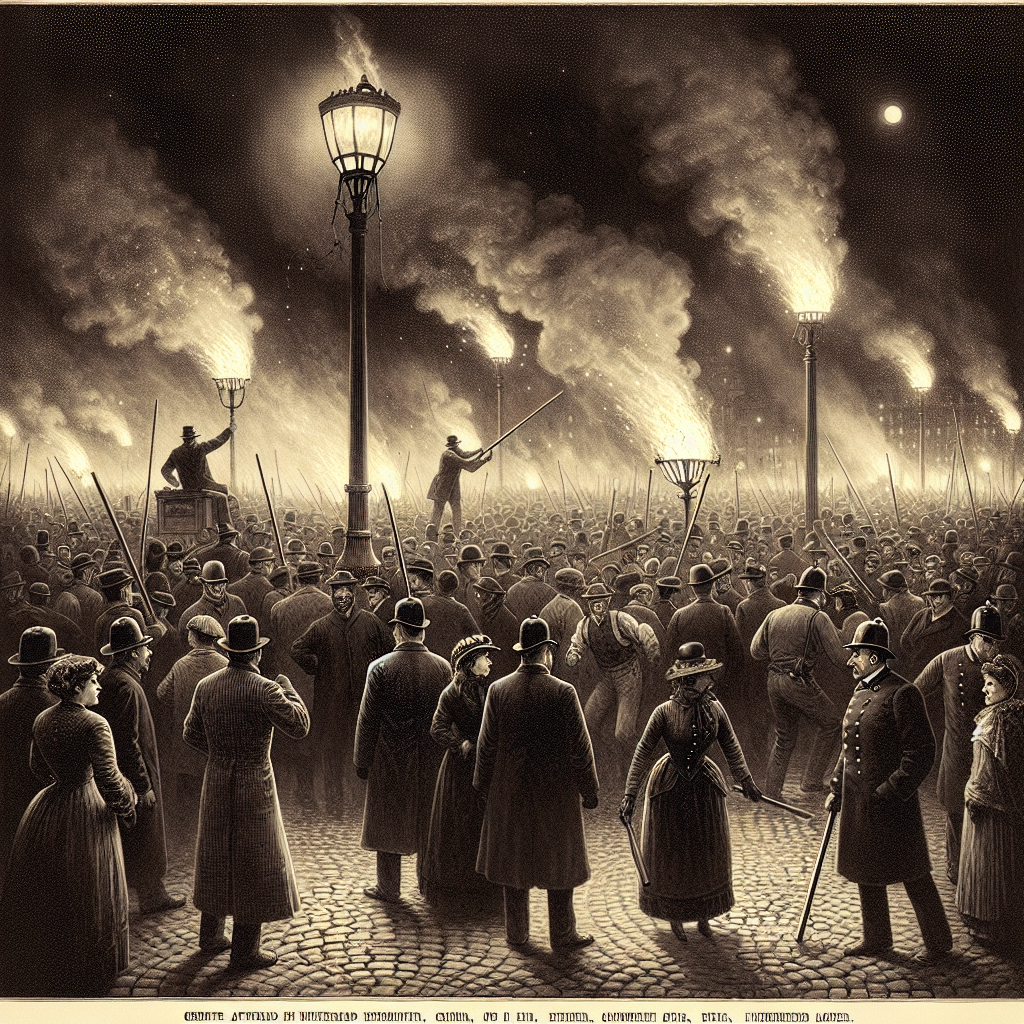
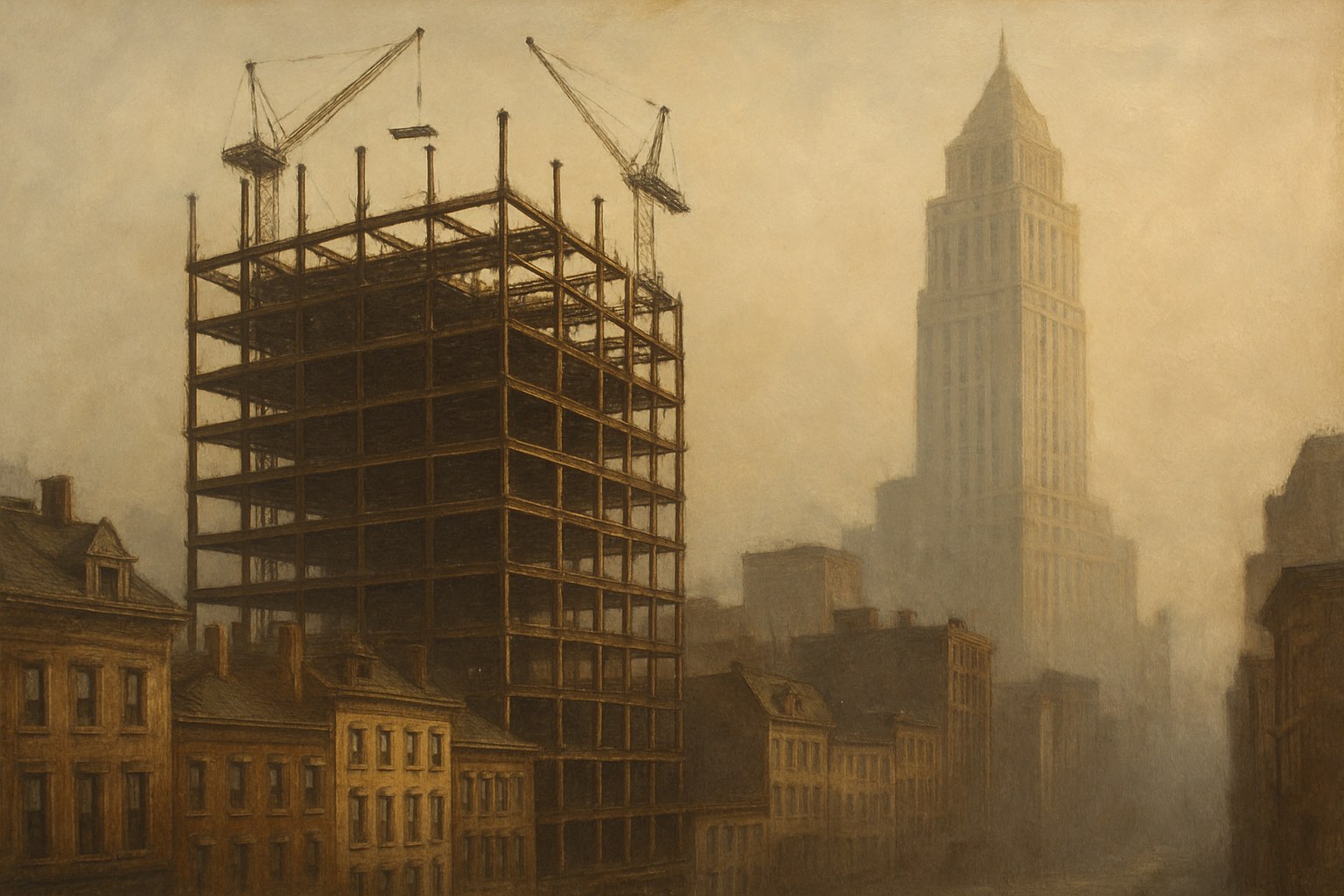
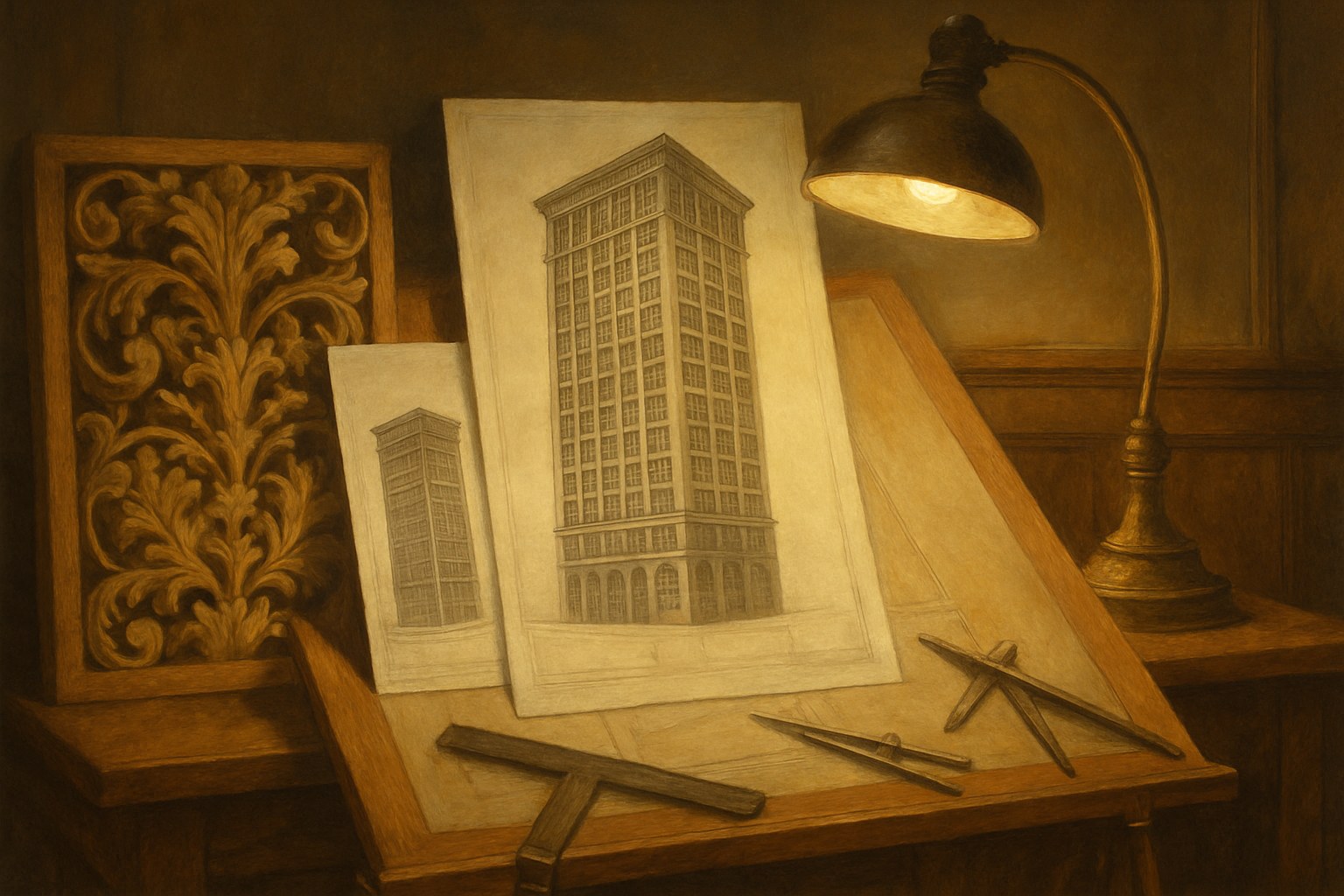
The Great Chicago Fire of October 8–10, 1871, burned 3.3 square miles of the city, destroyed 17,500 buildings, killed approximately 300 people, and left 100,000 homeless. The cause — traditionally attributed to a cow kicking over a lantern in Catherine O'Leary's barn, a story that was essentially invented by a newspaper reporter — was almost certainly a combination of exceptional drought and a city built almost entirely of wood. What matters historically is not the cause but the consequence: Chicago rebuilt itself in a decade, this time in steel and stone, and in doing so invented the American skyscraper, the steel-frame curtain-wall building that made modern cities possible. The architects who did this — Louis Sullivan, Daniel Burnham, William Le Baron Jenney — produced the Chicago School of architecture, the most influential design movement in American history.
The Great Migration brought hundreds of thousands of Black Americans to Chicago's South Side between 1910 and 1970, producing Bronzeville — the "Black Metropolis" — and the Chicago Blues that electrified what had arrived from the Mississippi Delta and sent it back out to become rock and roll. The 1919 race riot killed 38 people and injured 537 over five days of fighting that began when a Black teenager was stoned to death for crossing an invisible line in Lake Michigan. The 1968 Democratic National Convention brought the Vietnam War's political violence into American living rooms when police beat antiwar protesters outside the Hilton. Chicago has been the site of more of American history's defining confrontations — labor, race, politics, crime — than any other city except Washington, which had the advantage of being designed for the purpose.


| Incorporated | August 12, 1833 |
| Pop. 1833 | ~350 |
| Pop. 1890 | ~1 million |
| Great Fire | October 8–10, 1871 |
| Stock Yards | Opened December 25, 1865 |
| Population | ~2.7 million (city); ~9.5 million (metro) |
| Nicknames | "The Second City," "The Windy City," "City of Big Shoulders" |
| Notable firsts | Steel-frame skyscraper (1885), first elevated railway (1892) |
| Years | 1833 |
| Location | Chicago, Illinois |