The Second Great Awakening
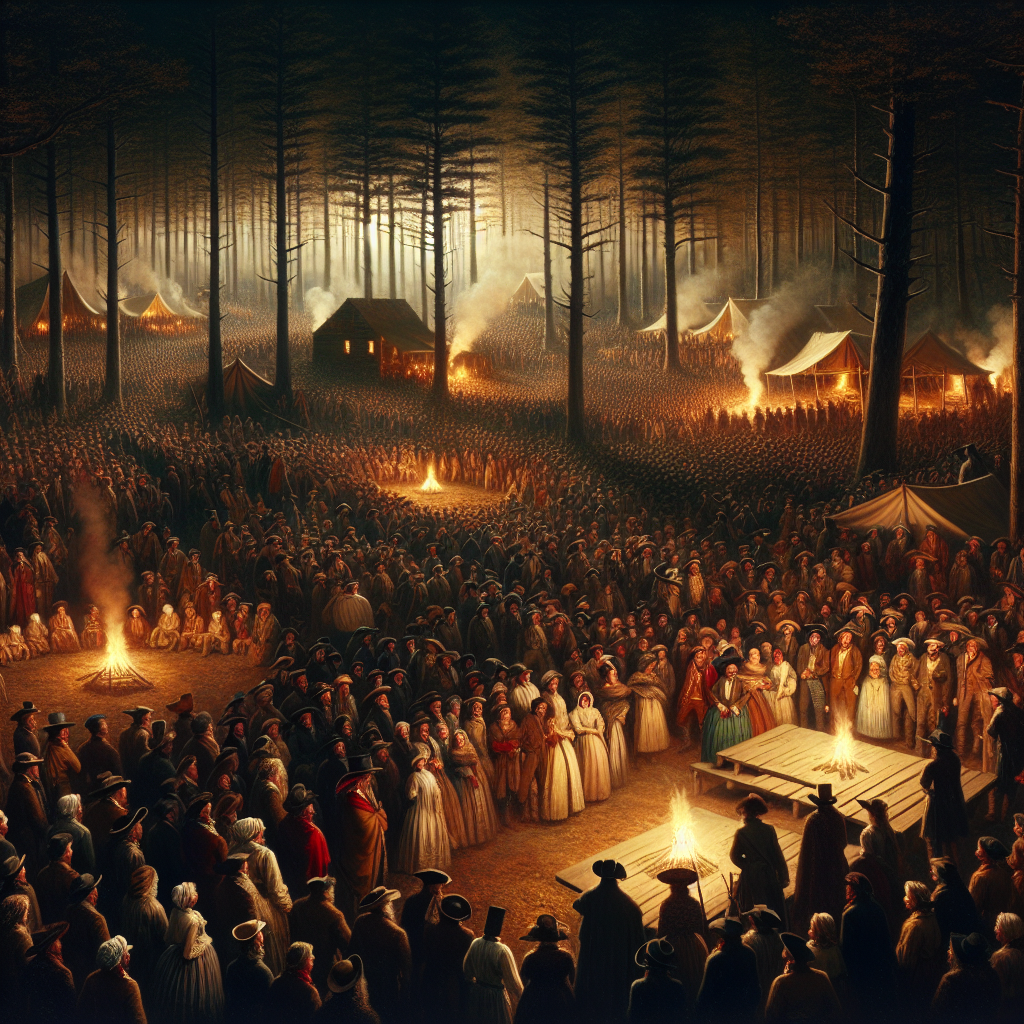
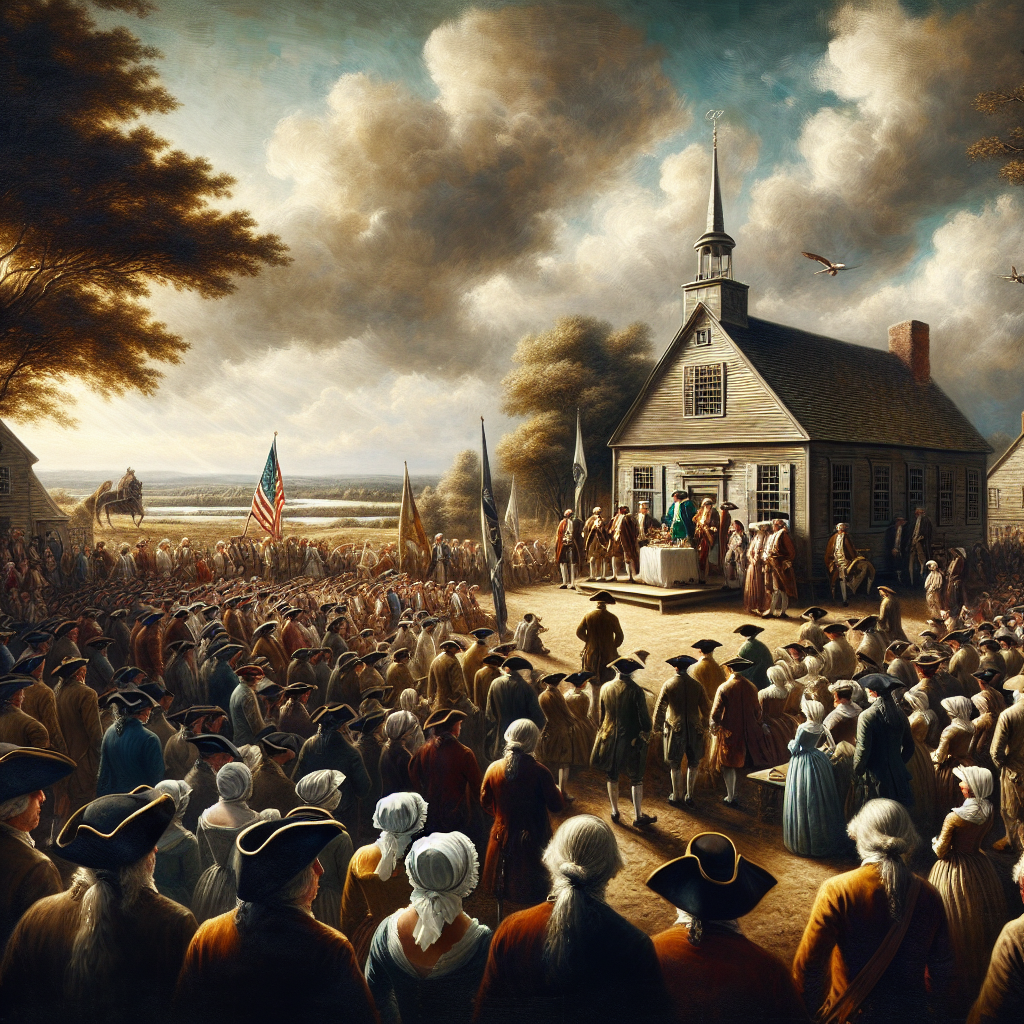
The Second Great Awakening was the most consequential religious movement in American history, and the one most responsible for the specific character of American public life — its moralism, its voluntarism, its conviction that individuals and societies can be saved through the right combination of conversion and effort. Beginning around 1800 in camp meetings on the Kentucky frontier and spreading through New England and New York through the 1820s and 1830s, the revival converted hundreds of thousands of Americans to an emotionally intense, experiential Christianity that was radically democratizing: God was available to anyone who chose to accept him, without the mediation of educated clergy or the inheritance of a church pew. The frontier camp meeting, where preachers thundered and congregants wept and confessed in the open air, was the first authentically American mass media event.
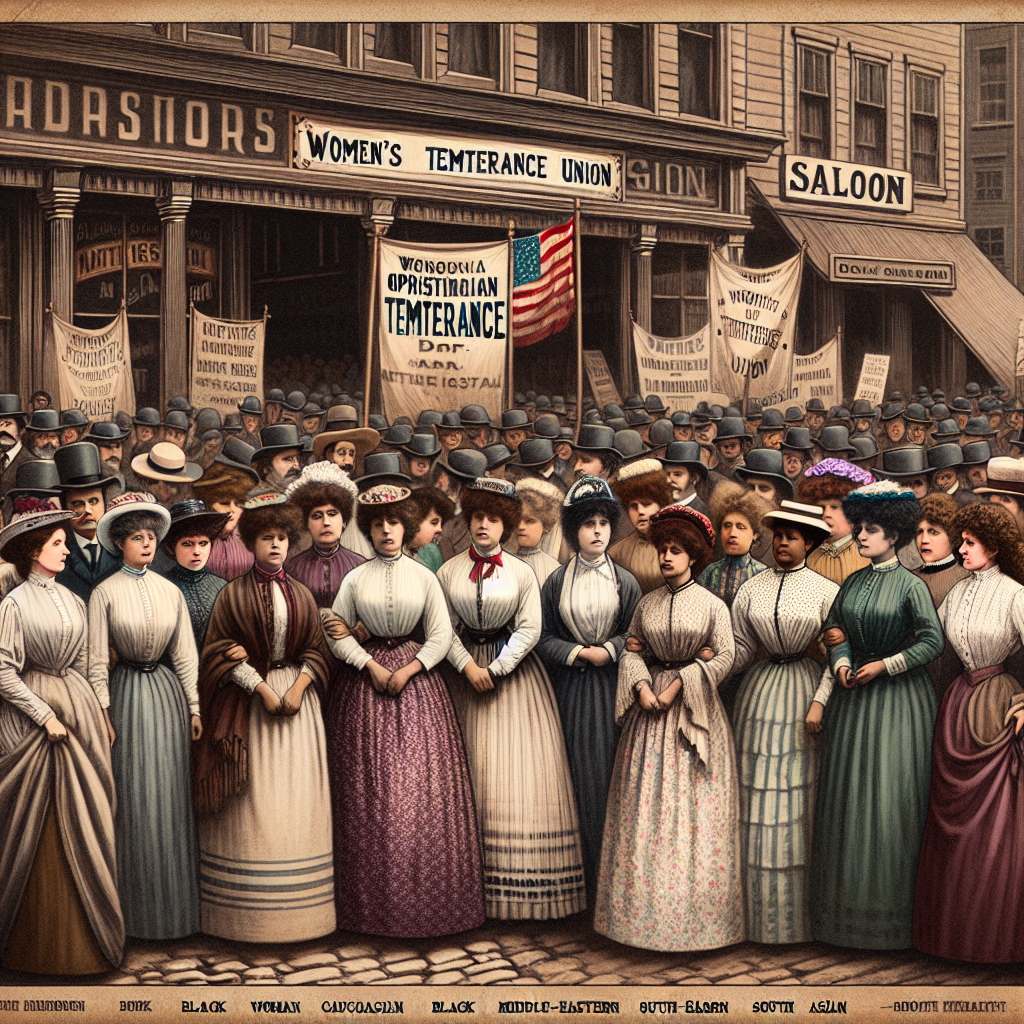
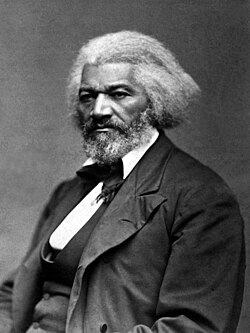
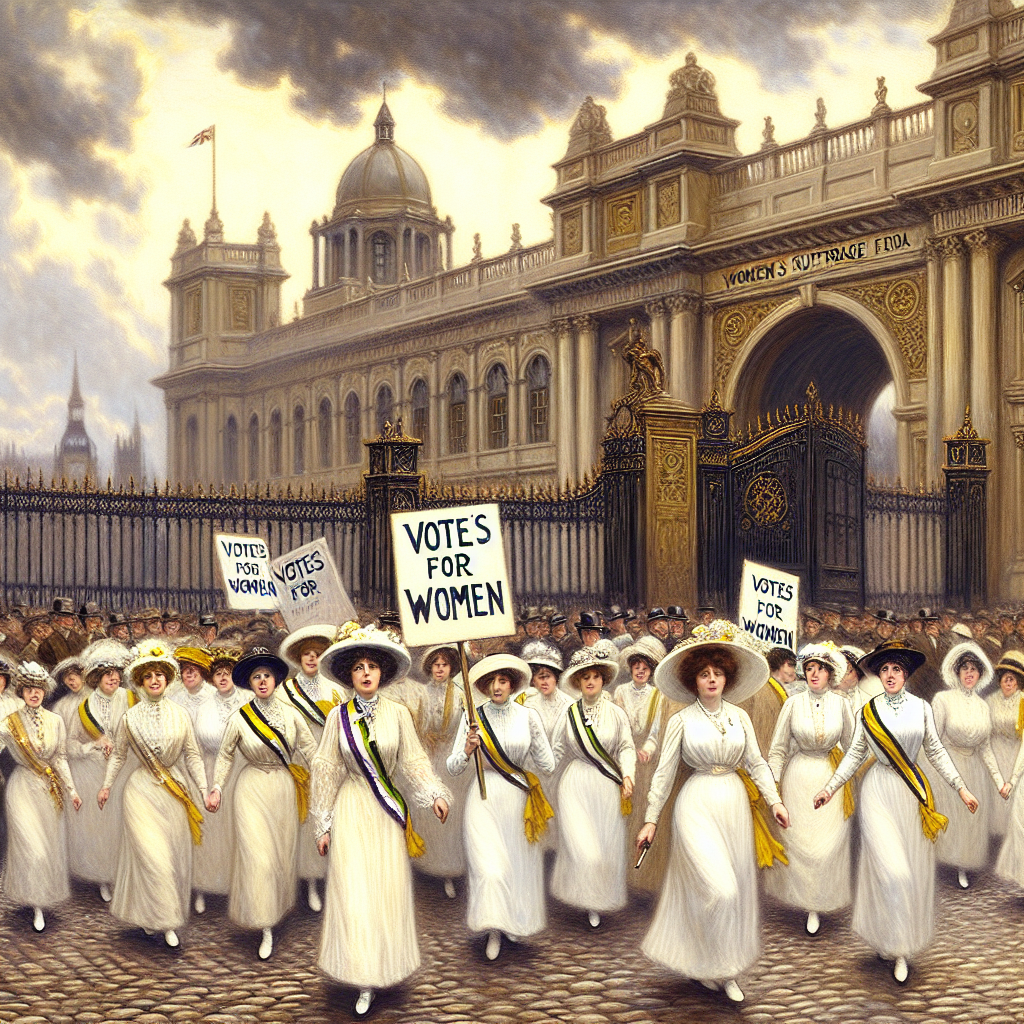
The movement's political and social consequences were enormous and direct. The same theology that promised individual salvation through personal conversion also implied that social evils — slavery above all, but also alcohol, poverty, the mistreatment of the mentally ill, and the exclusion of women from public life — were not natural conditions to be endured but sins to be overcome through organized effort. The reform movements of the antebellum period are essentially the Second Great Awakening's social program: abolitionism, the temperance movement that eventually produced Prohibition, the women's rights movement that produced the Seneca Falls Convention, and the campaign to build asylums and schools for people who had previously been left to fend for themselves. Frederick Douglass, Harriet Beecher Stowe, Sojourner Truth, Susan B. Anthony — all were shaped by the revival's moral vocabulary.
The Awakening also permanently shaped the geography of American religion, producing denominations — the Methodists, Baptists, and new movements like the Latter-day Saints and the Churches of Christ — that organized along democratic and populist rather than hierarchical lines, and that grew with the country in ways the more established Episcopal and Congregationalist churches did not. The "burned-over district" of upstate New York — so named because it had been swept by so many successive waves of revival fire that it was assumed nothing could ignite there again — produced Joseph Smith, the Fox Sisters and the Spiritualist movement, the Oneida Community, and the Millerites. American religion has been producing new denominations and new prophets at this pace ever since. The Second Great Awakening set the template: the direct personal encounter with the divine, the reform imperative, and the absolute confidence that whatever God has revealed to me is also what God wants everyone else to do.

| Period | c. 1800–1840 (peak) |
| Origin | Cane Ridge, Kentucky camp meeting (1801) |
| Key preacher | Charles Grandison Finney |
| Denominations | Methodist, Baptist growth; Latter-day Saints, Churches of Christ |
| Burned-over district | Upstate New York — most intensely revived region |
| Reform movements | Abolitionism, temperance, women's rights, prison reform |
| Seneca Falls | Women's rights organizers shaped by revival's moral framework |
| Years | 1800–1840 |
| Location | Cane Ridge, Kentucky |