Women's Suffrage Movement
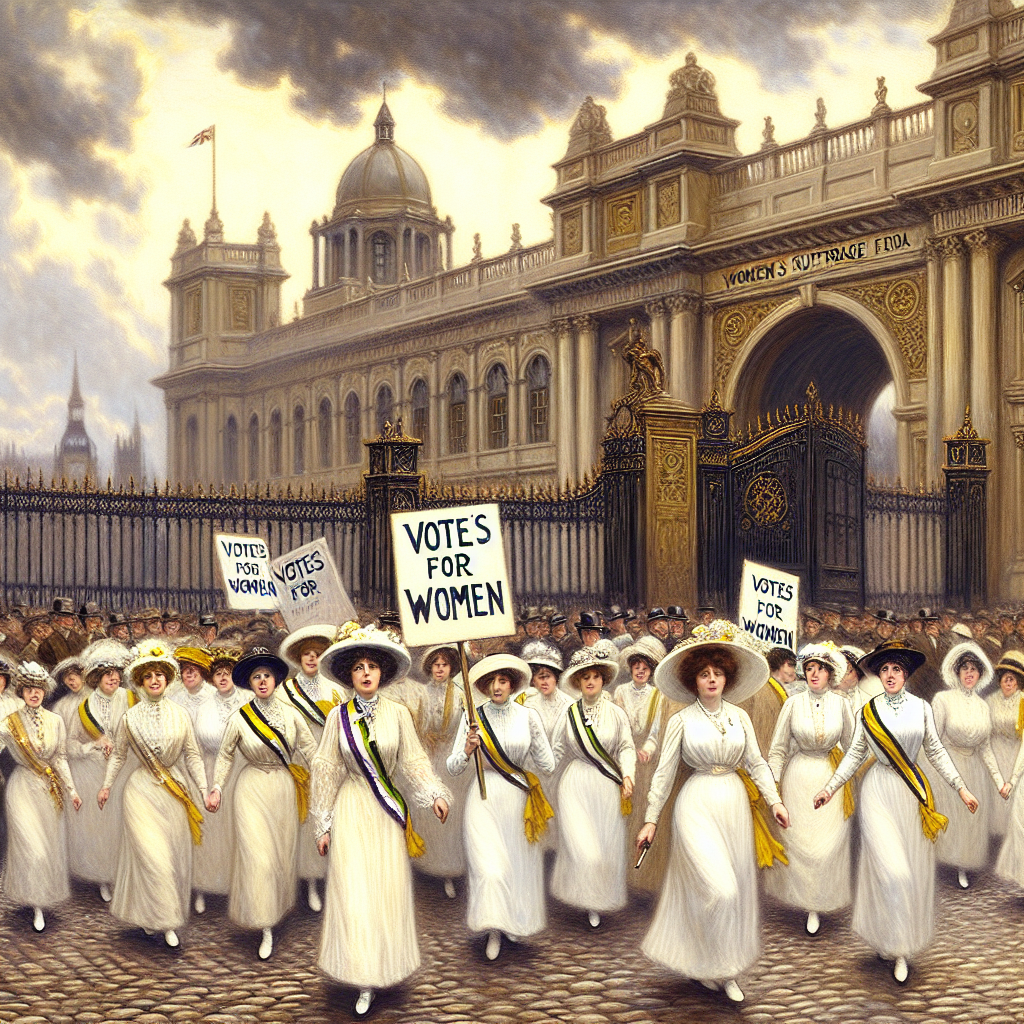
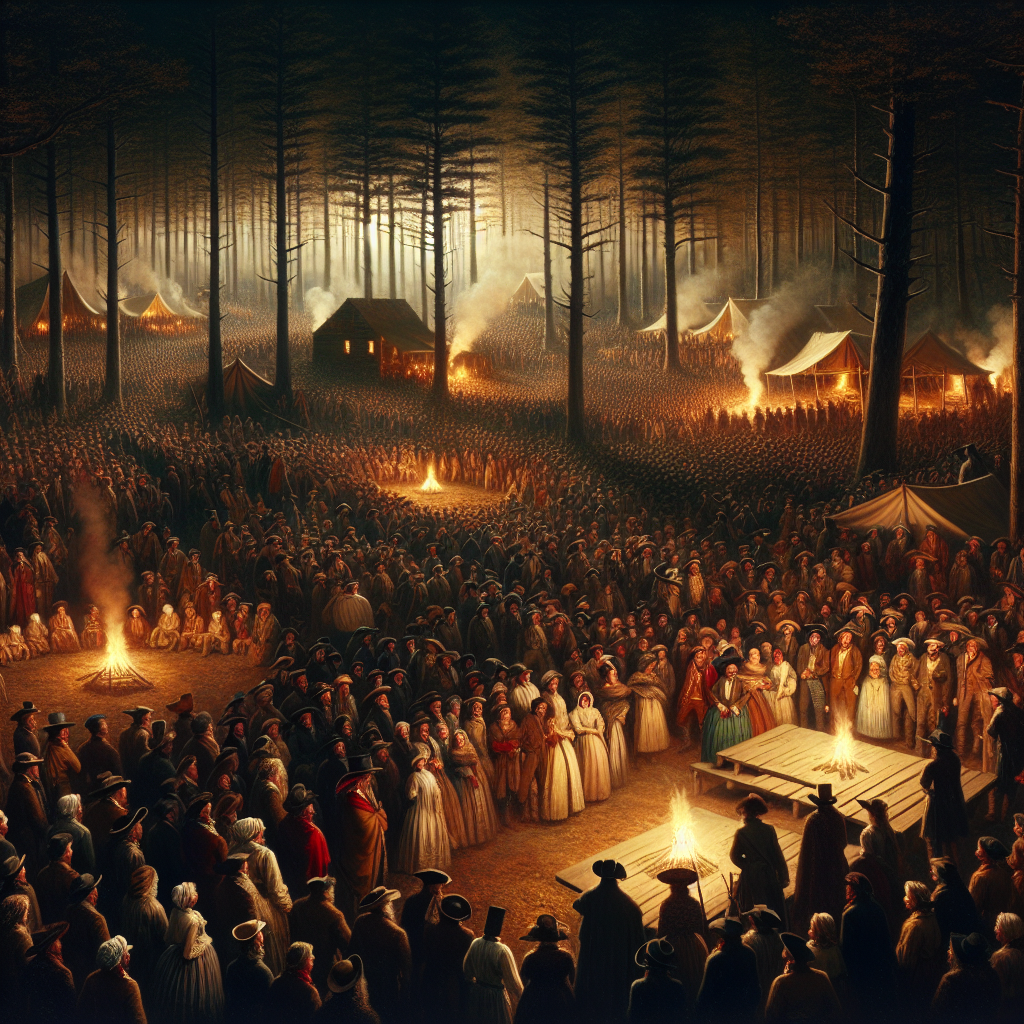
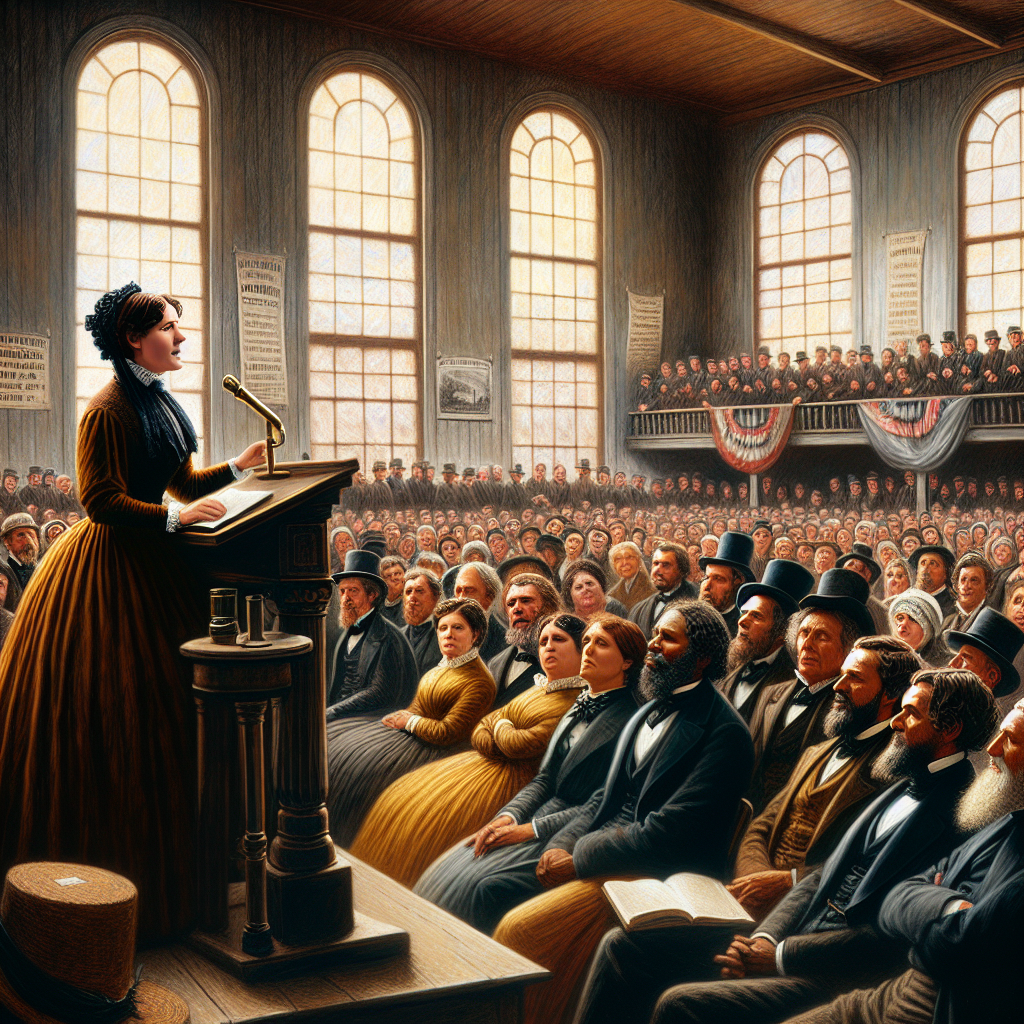
The organized campaign for women's suffrage in America began at a church in Seneca Falls, New York, in July 1848, where Elizabeth Cady Stanton and Lucretia Mott convened the first women's rights convention and adopted a Declaration of Sentiments modeled deliberately on Jefferson's language: "We hold these truths to be self-evident: that all men and women are created equal." The resolution demanding the vote passed by only a narrow margin — even many of the women present considered it too radical. It took 72 more years, and the sustained organizing effort of two generations of activists, to make it law.
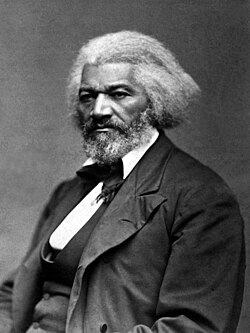
The movement fractured repeatedly over strategy, tactics, and race. After the Civil War, when the 15th Amendment gave Black men the vote but not women of any race, suffragists divided bitterly: Frederick Douglass argued Black male suffrage was an urgent necessity that must not wait; Stanton and Susan B. Anthony, in one of the movement's deepest failures, made explicitly racist arguments that educated white women deserved the vote more than uneducated Black men. The 19th Amendment, ratified on August 18, 1920, gave women the right to vote in law. Poll taxes, literacy tests, and violent intimidation in the South effectively denied it to most Black women — and Black men — for another 45 years.
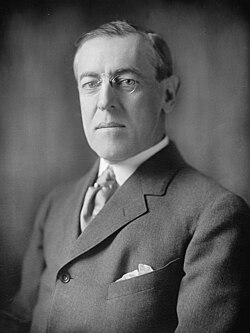
The final push was won less by genteel petition than by sustained disruption. Alice Paul's National Woman's Party picketed the White House daily beginning in 1917, was arrested, imprisoned, went on hunger strikes, and was force-fed by prison authorities. The optics of a wartime president jailing women who held banners quoting his own speeches about democracy eventually became untenable. Woodrow Wilson, who had opposed suffrage for years, announced his support in 1918. The 19th Amendment passed Congress in 1919 and was ratified by the necessary 36 states in 1920 — by a single vote in the Tennessee legislature, cast by a 24-year-old representative who changed his mind after receiving a letter from his mother.
| Movement began | Seneca Falls Convention, July 19–20, 1848 |
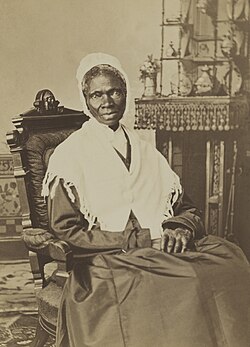
| Key leaders | Elizabeth Cady Stanton, Susan B. Anthony, Alice Paul, Sojourner Truth |
| 19th Amendment | Ratified August 18, 1920 |
| Deciding vote | Harry T. Burn, Tennessee state legislature |
| Duration | ~72 years (1848–1920) |
| Excluded in practice | Black women (and men) in South until Voting Rights Act, 1965 |
| Date | 19th Amendment: August 18, 1920 |
| Location | Seneca Falls, New York |