Affordable Care Act
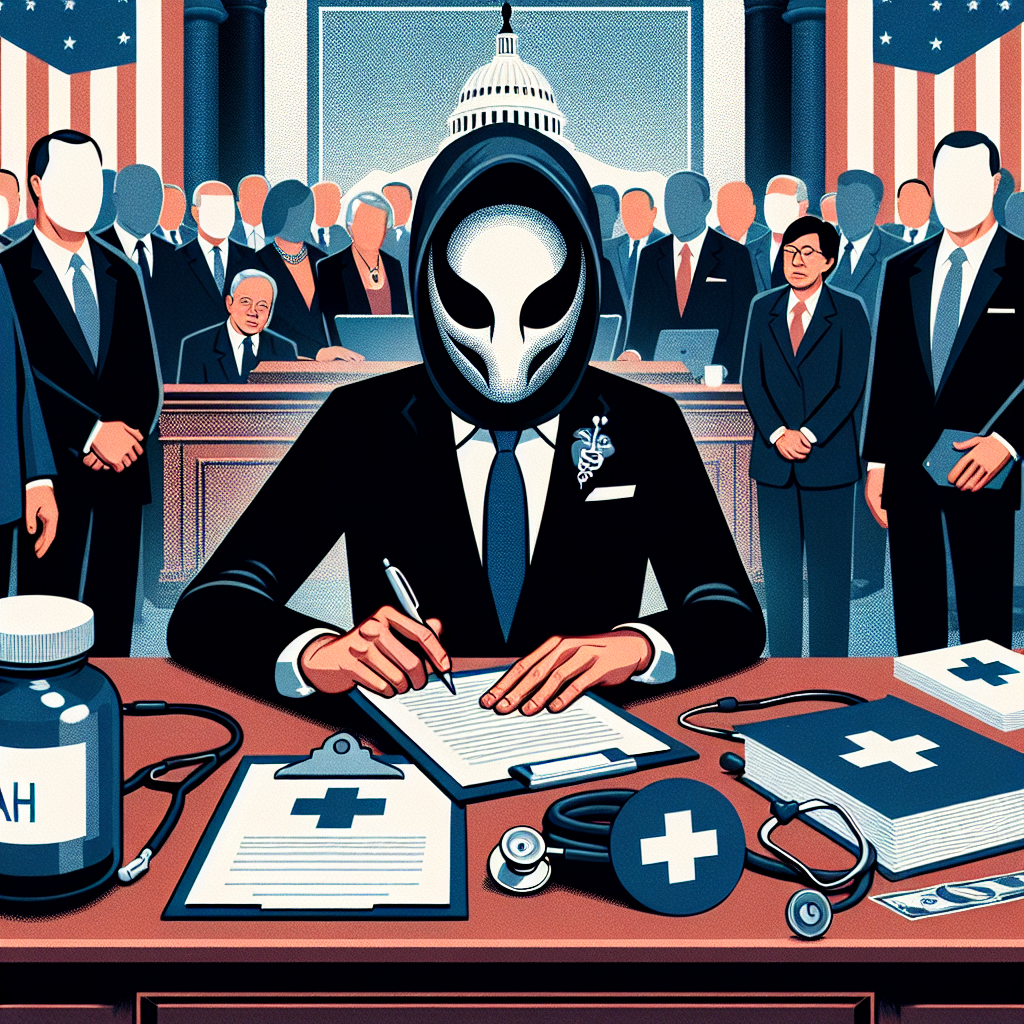
Barack Obama signed the Patient Protection and Affordable Care Act on March 23, 2010, completing the most significant expansion of the American health insurance system since the creation of Medicare and Medicaid in 1965. The law passed without a single Republican vote in either chamber after more than a year of congressional negotiation, town hall protests, and a lobbying campaign of extraordinary intensity. Its core mechanisms — insurance marketplaces, an individual mandate to purchase coverage, Medicaid expansion to cover adults up to 138 percent of the poverty line, and requirements that insurers cover people with pre-existing conditions — extended coverage to an estimated 20 million previously uninsured Americans.
The political battle over the ACA did not end with its passage. Republicans voted more than 70 times to repeal it over the following decade. The Supreme Court upheld the law's individual mandate as a constitutional exercise of the taxing power in NFIB v. Sebelius (2012), in a ruling by Chief Justice John Roberts that surprised most observers. The 2017 Tax Cuts and Jobs Act eliminated the individual mandate penalty, effectively ending enforcement of that provision. Efforts to repeal the law outright failed in the Senate in 2017 when John McCain cast the decisive vote against repeal — a thumb's down on the Senate floor that became one of the most iconic gestures in recent American political history.
The ACA transformed the insurance market in ways that proved difficult to reverse once in place. The prohibition on denying coverage for pre-existing conditions polled above 70 percent in surveys even among voters who opposed the law as a whole — a political dynamic that made full repeal increasingly untenable. By 2023, ACA marketplace enrollment had reached 16.4 million people, the highest since the law took effect. The debate it provoked about the proper role of government in health care — whether coverage is a right or a commodity — has not been resolved and shows no signs of resolution.


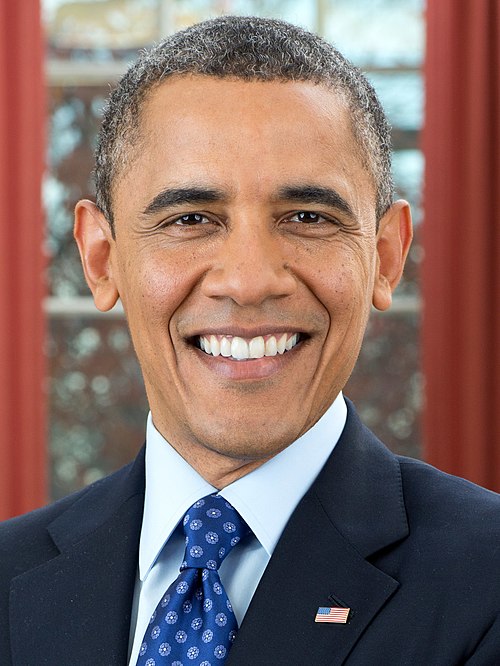
| Signed | March 23, 2010, by President Barack Obama |
| Congressional vote | No Republican votes in either chamber |
| Key provisions | Insurance marketplaces; Medicaid expansion; pre-existing conditions protection |
| Coverage gained | Approximately 20 million previously uninsured Americans |
| Supreme Court | Upheld in NFIB v. Sebelius (2012) — Chief Justice Roberts majority |
| Repeal attempt | Failed Senate vote, July 2017 — John McCain's decisive "no" vote |
| 2023 enrollment | 16.4 million — highest since law took effect |
| Date | March 23, 2010 |
| Location | Washington, D.C. |