Great Recession of 2008
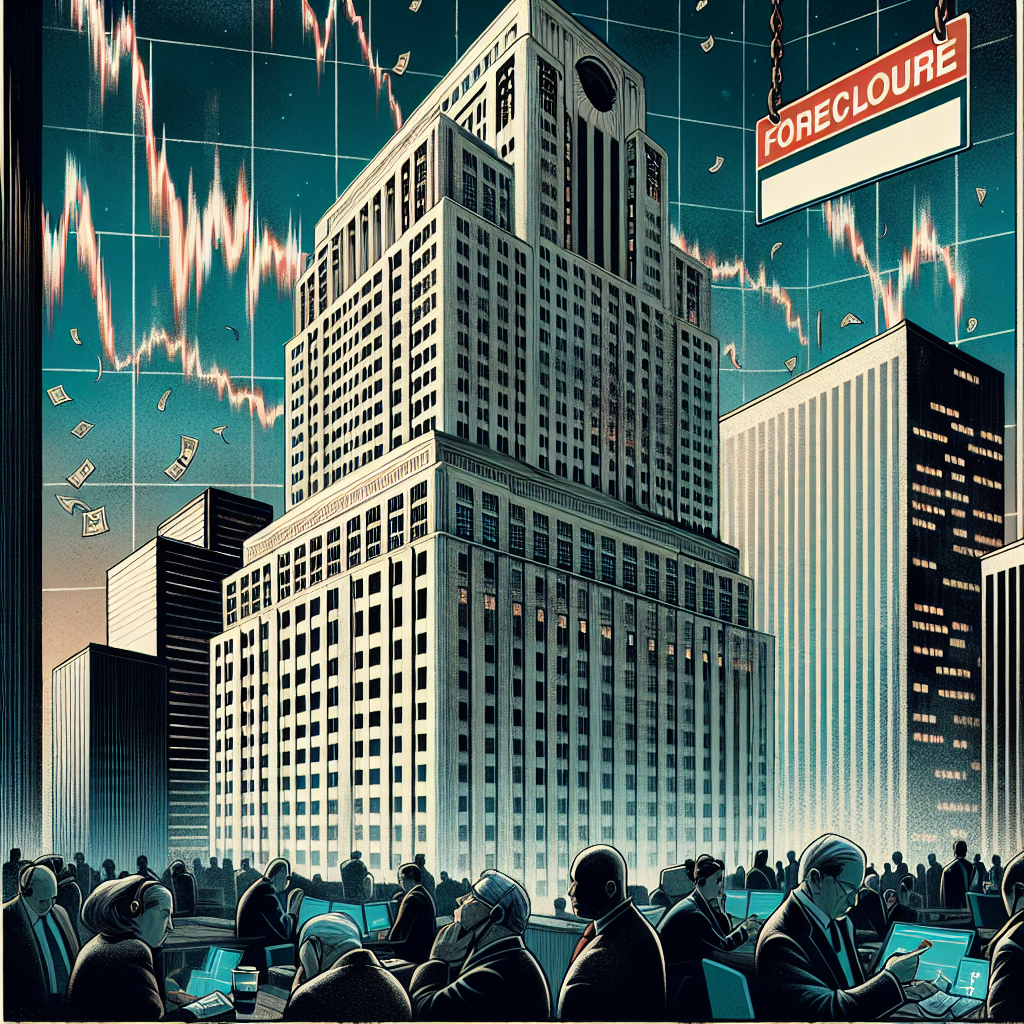
On September 15, 2008, Lehman Brothers — one of the largest investment banks in the world, with $613 billion in debt — filed for bankruptcy. It was the largest bankruptcy filing in American history and the moment a crisis that had been building for years became unmistakable. The roots ran deep: a decade of loose lending standards, financial deregulation, and the bundling of risky subprime mortgages into securities that ratings agencies called safe. Housing prices had been rising for years; when they stopped, the securities built on them collapsed, and the institutions that held them discovered they were insolvent. The global financial system froze.
The federal response was without precedent in peacetime. The Bush administration and Congress passed the Troubled Asset Relief Program — TARP — authorizing $700 billion to stabilize the financial system, a measure that passed only after the stock market fell nearly 800 points the day it initially failed in the House. The Federal Reserve cut interest rates to near zero and deployed emergency lending facilities. The Obama administration, which inherited the crisis at its trough, added an $831 billion stimulus package and rescued the American auto industry — Chrysler and General Motors both filed for bankruptcy in 2009 and emerged restructured with federal assistance. Unemployment peaked at 10 percent in October 2009.
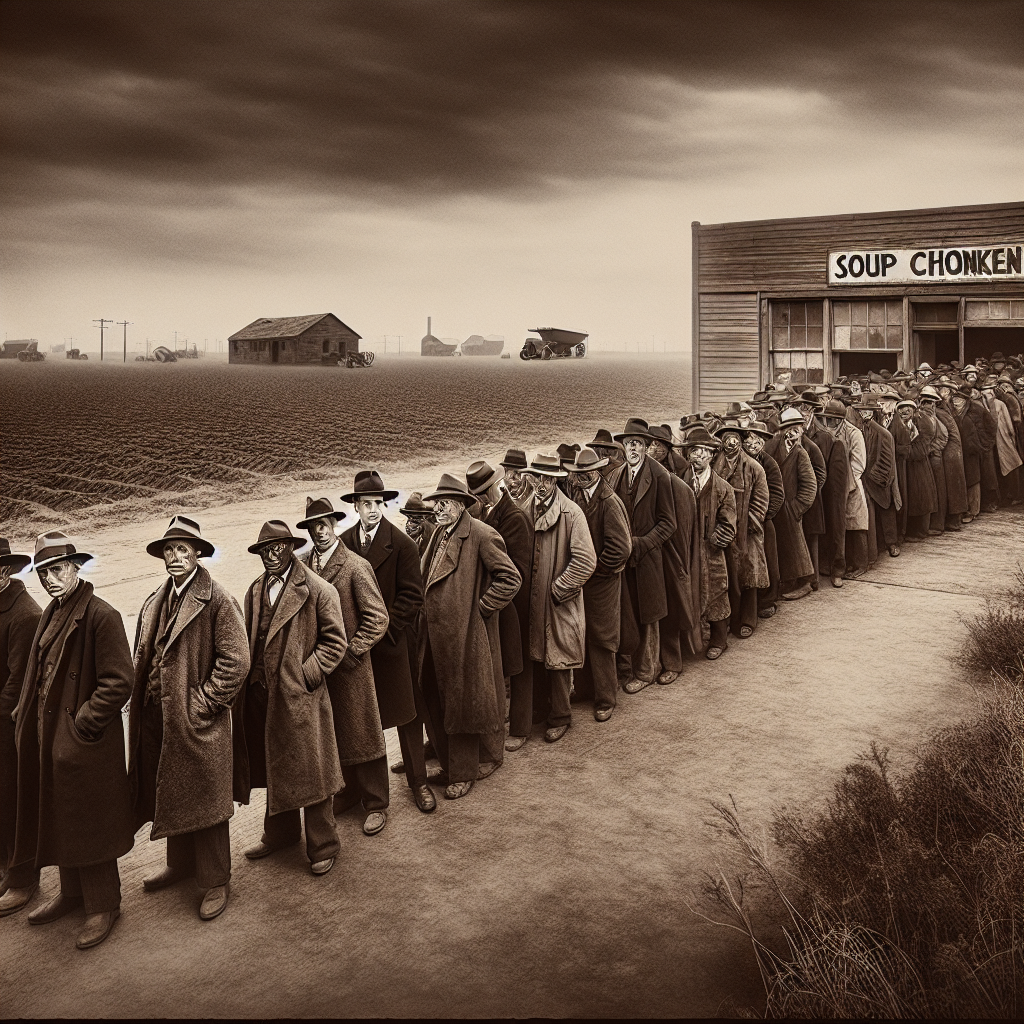
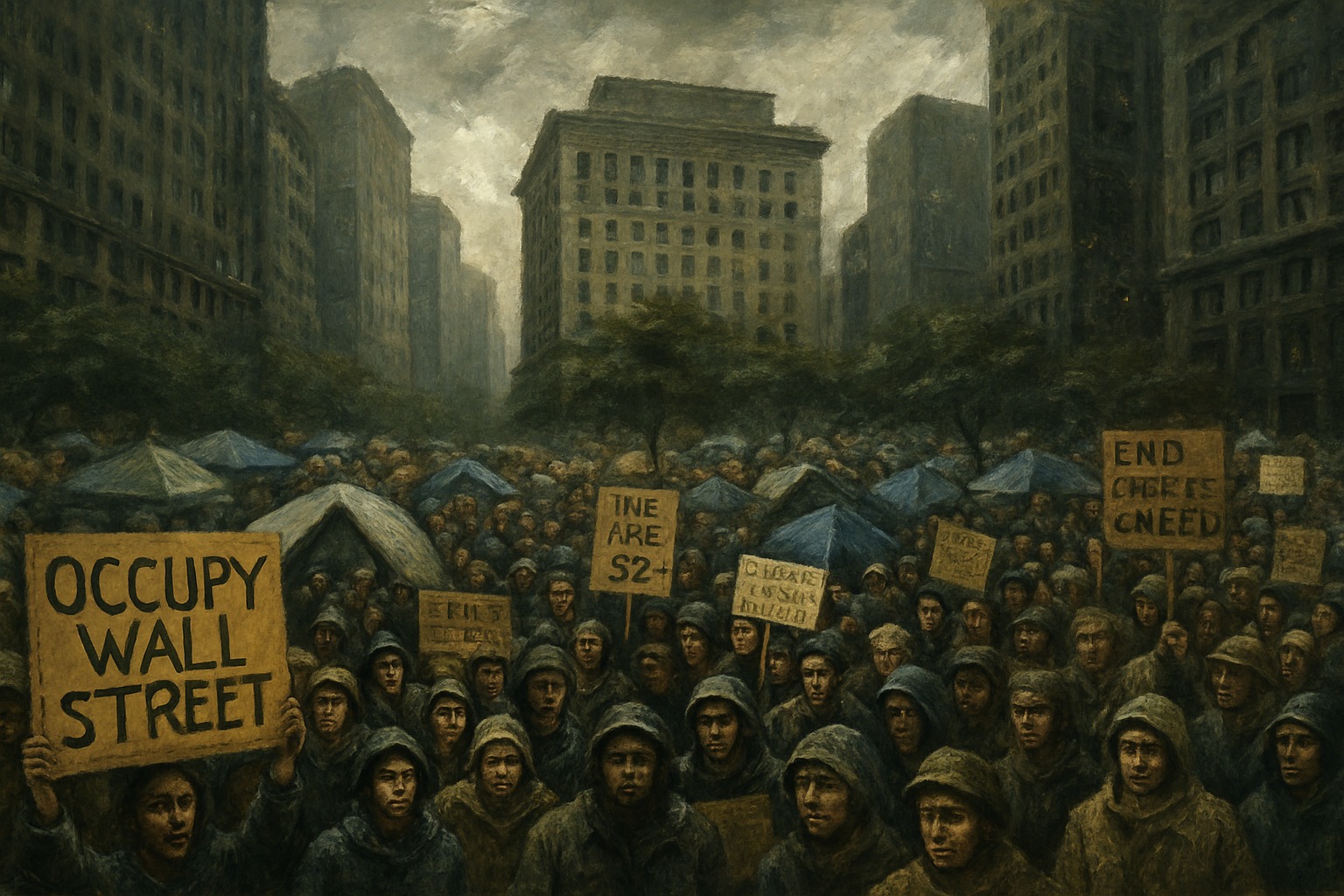
The Great Recession reshaped American political life in ways that are still working themselves out. The Tea Party movement, which emerged in early 2009, channeled fury at the bank bailouts into a populist conservative insurgency that transformed the Republican Party. The Occupy Wall Street movement of 2011 channeled the same fury leftward. The slow, uneven recovery — which restored corporate profits and stock values far faster than wages and employment — deepened the sense that the economic system worked differently for different Americans. The Dodd-Frank Wall Street Reform Act of 2010 restructured financial regulation, though its provisions were partially rolled back in subsequent years. The political earthquake the recession triggered had no obvious end point.

| Trigger | Lehman Brothers bankruptcy, September 15, 2008 |
| Root causes | Subprime mortgage crisis; financial deregulation; housing bubble |
| TARP | $700 billion authorized October 2008 — financial sector rescue |
| Stimulus | $831 billion American Recovery and Reinvestment Act, 2009 |
| Peak unemployment | 10 percent, October 2009 |
| GDP decline | 4.3 percent from peak to trough |
| Reform legislation | Dodd-Frank Wall Street Reform and Consumer Protection Act, 2010 |
| Years | 2007–2009 |
| Location | New York City, New York |