Lincoln's Second Inaugural Address
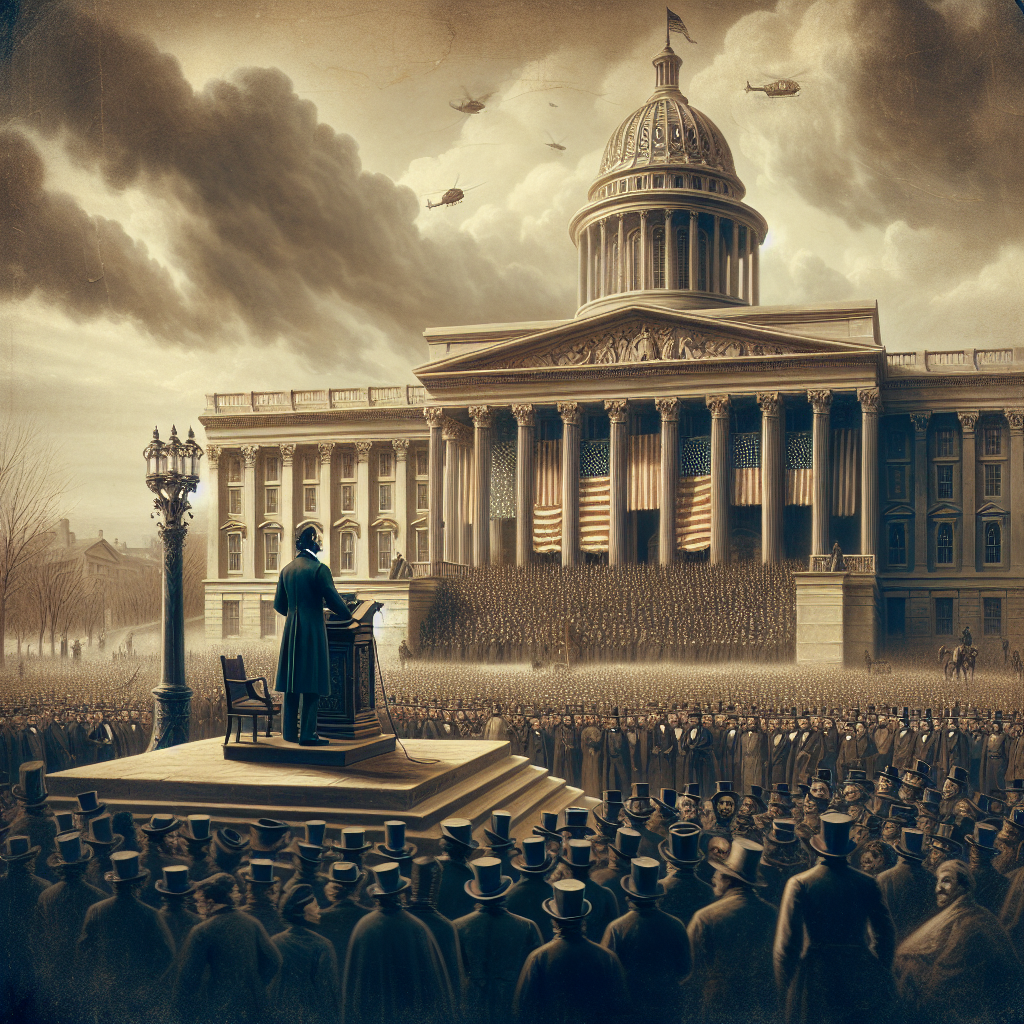
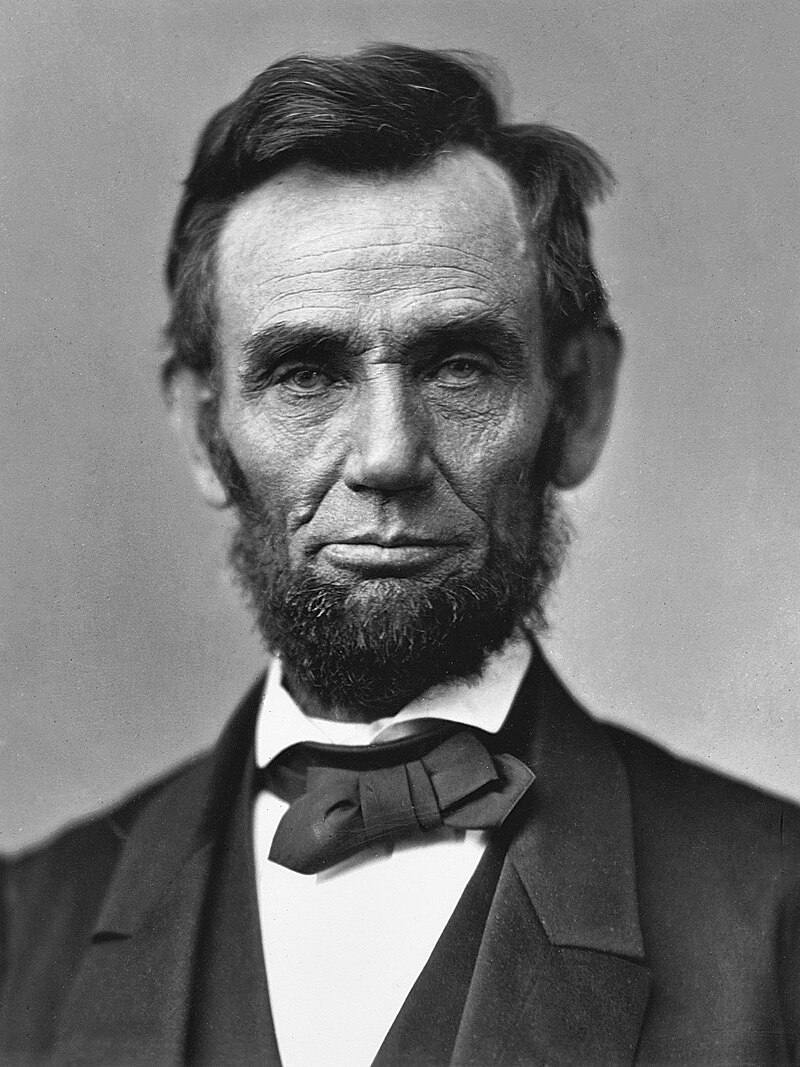
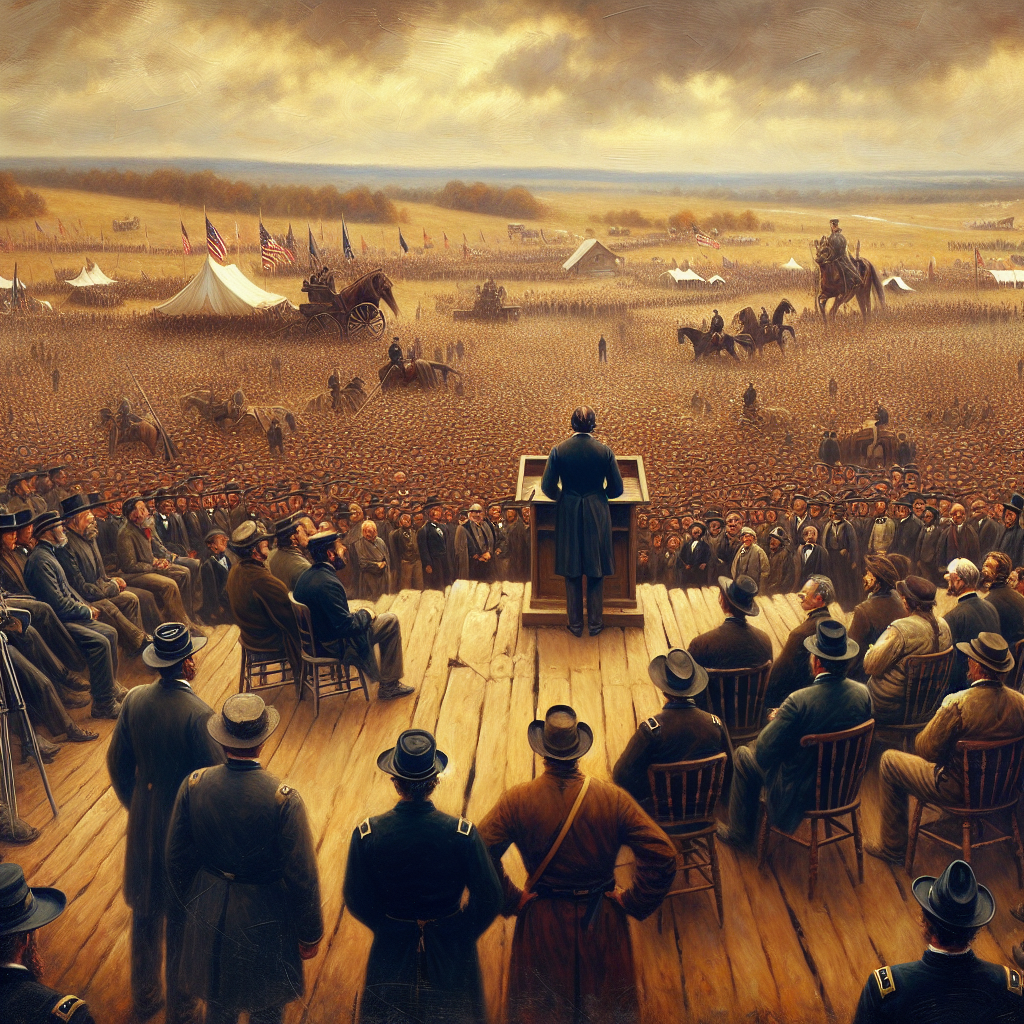
Abraham Lincoln delivered his second inaugural address on March 4, 1865, with the Civil War entering its final weeks and Union victory no longer in doubt. Rather than celebrate or assign blame, Lincoln offered something unexpected: a speech that refused to treat the war as a Northern triumph. In fewer than 700 words — the second shortest inaugural address in American history — he traced the conflict to its true cause, named slavery without flinching, and asked a war-exhausted nation to move toward reconciliation without vengeance.
The address rests on a theological argument that was radical for its moment. Lincoln framed the war not as a Northern triumph over Southern sin but as a national reckoning — divine punishment visited on both sides for the slavery the entire country had tolerated and profited from for generations. His final paragraph, calling for binding the nation's wounds and caring for those broken by the war, without bitterness toward any side, remains among the most admired passages in American political writing. Frederick Douglass, who attended the ceremony, called it a sacred effort — the highest praise Lincoln ever received from the abolitionist community.
The speech was delivered just 41 days before Lincoln's assassination. It stands as the fullest expression of his mature political philosophy — not triumphalist, not bitter, shaped by years of war into something closer to tragedy than victory. Historians consistently rank it alongside the Gettysburg Address as one of the two greatest pieces of American political oratory, and it is inscribed on the north wall of the Lincoln Memorial in Washington.
| Delivered | March 4, 1865 |
| Speaker | Abraham Lincoln |
| Location | U.S. Capitol, Washington, D.C. |
| Length | 698 words |
| Occasion | Lincoln's second inauguration |
| Days before assassination | 41 |
| Inscribed at | Lincoln Memorial, north wall |
| Date | March 4, 1865 |
| Location | U.S. Capitol, Washington, D.C. |