Abraham Lincoln
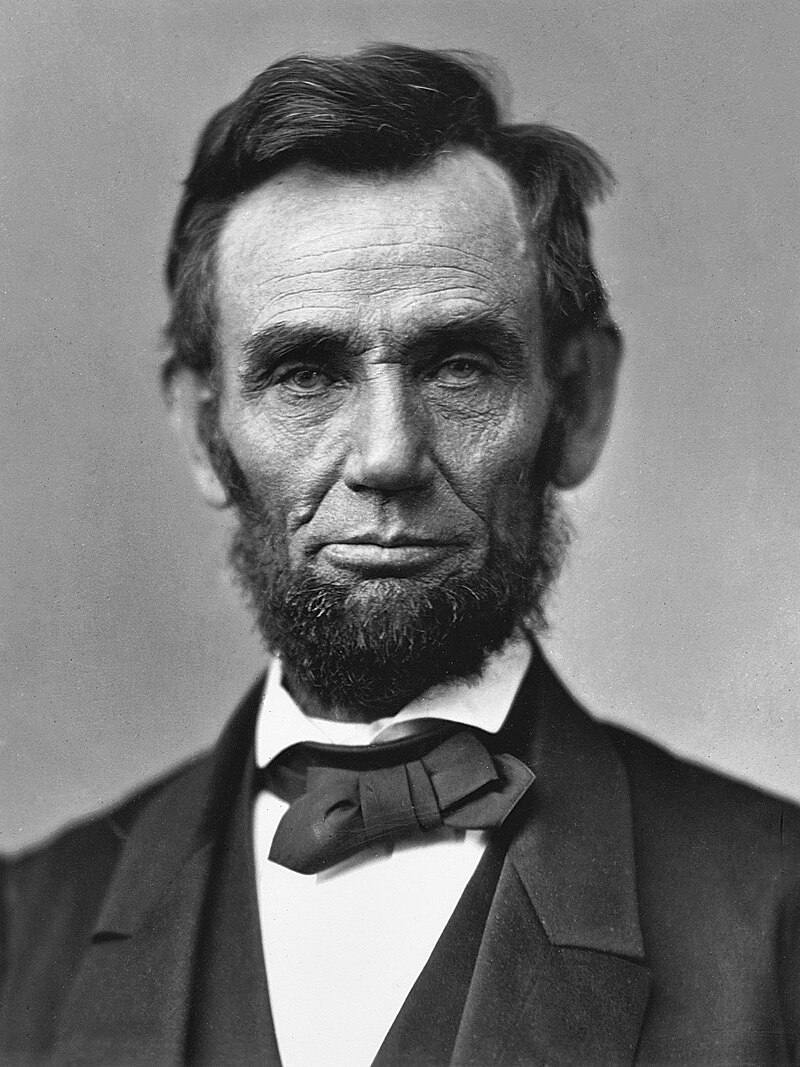
When Abraham Lincoln took the oath of office in March 1861, seven states had already left the Union and Confederate forces were seizing federal property across the South. He had spent just two years in Congress, had never held executive office, and was so little known beyond Illinois that his opponents dismissed him as a prairie lawyer. Within weeks he was managing a war that would kill more Americans than any conflict before or since.
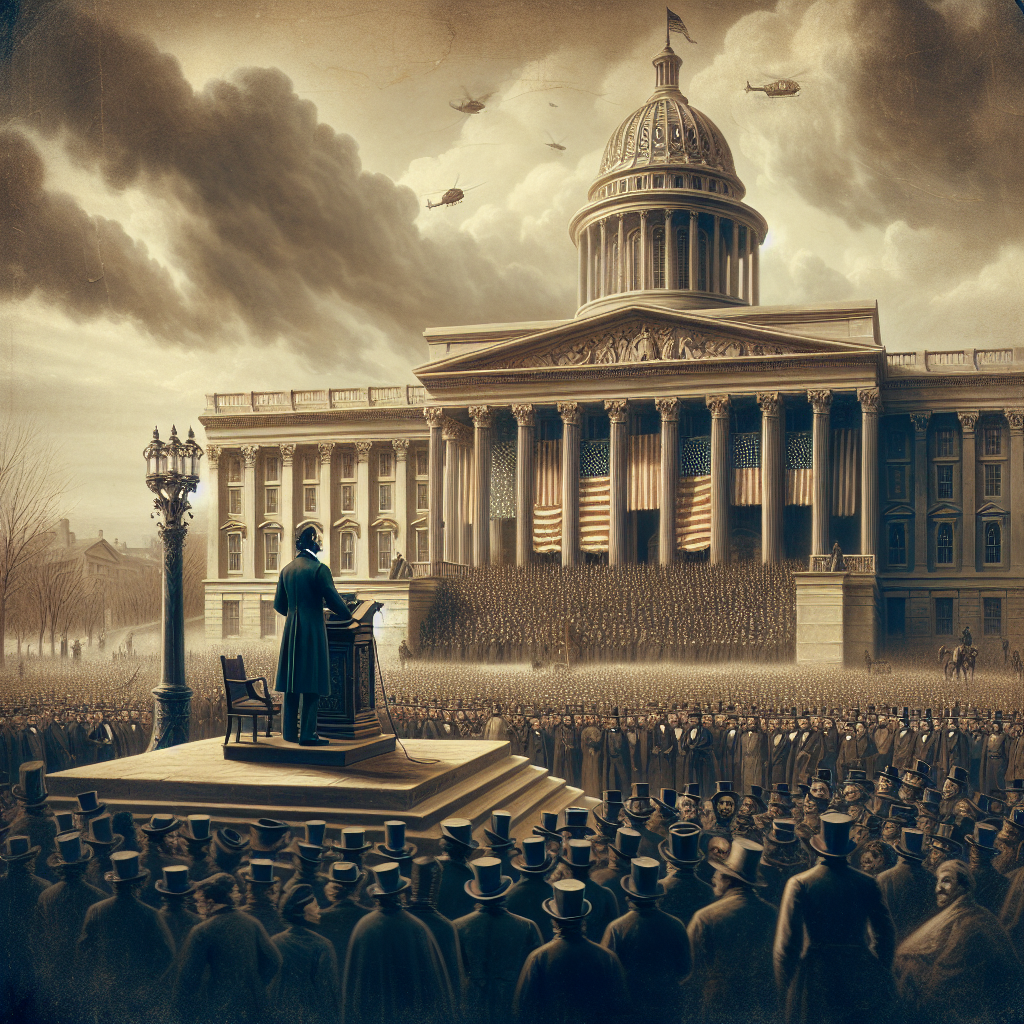
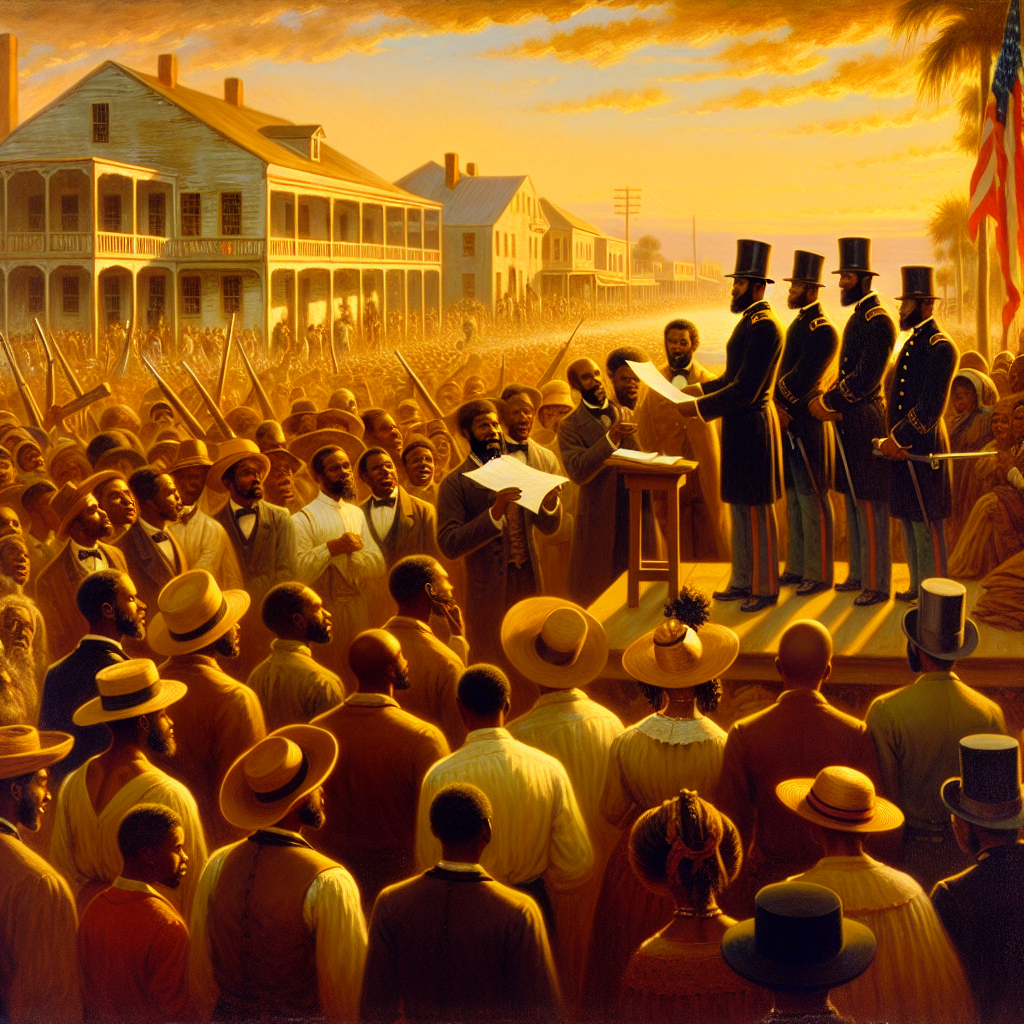
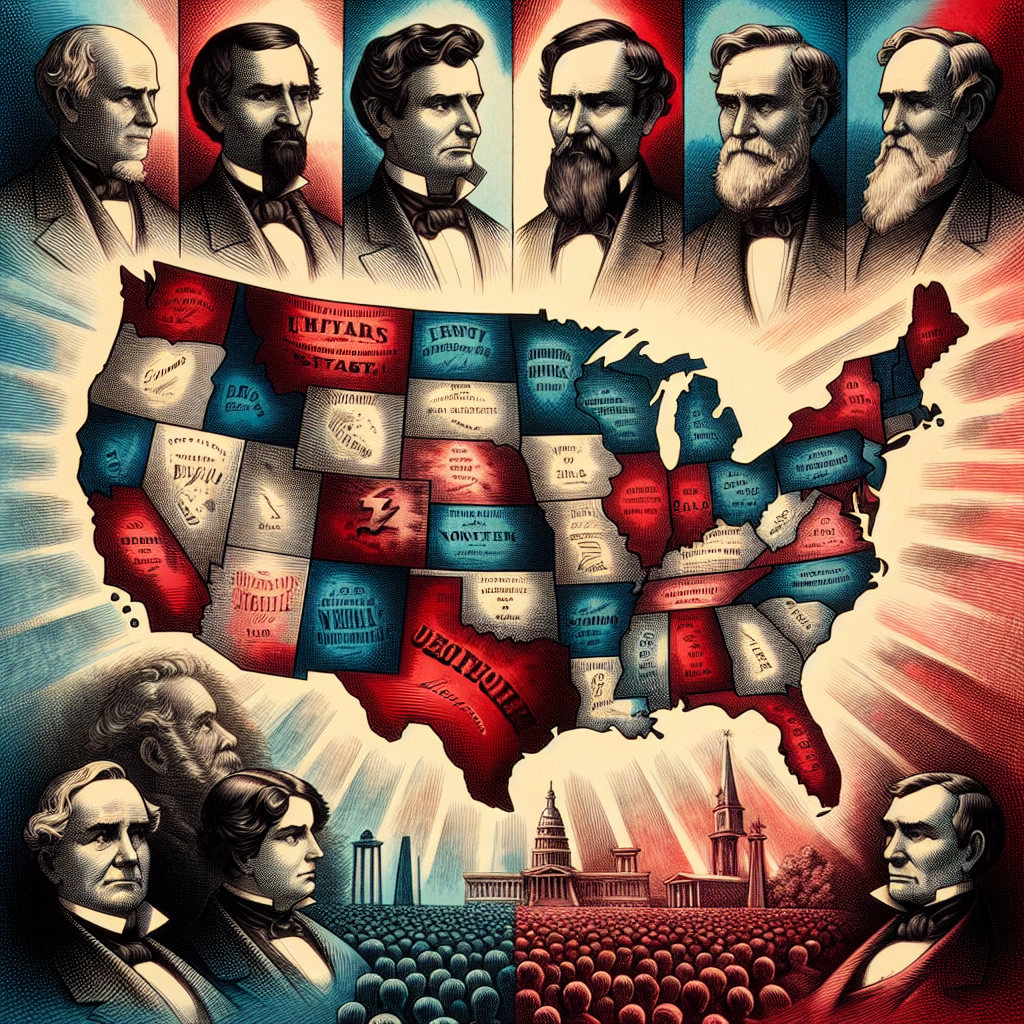
Lincoln's presidency became an improvisation in constitutional crisis. He suspended habeas corpus, blockaded Southern ports, and expanded the army — all without explicit congressional authorization. The Emancipation Proclamation of January 1, 1863, was a military measure as much as a moral one, stripping the Confederacy of its labor force and transforming the Union's war aims. He won reelection in 1864 against a Democratic platform calling for negotiated peace, then called for "malice toward none" in a second inaugural address that remains one of the most searching statements on national reconciliation ever written.
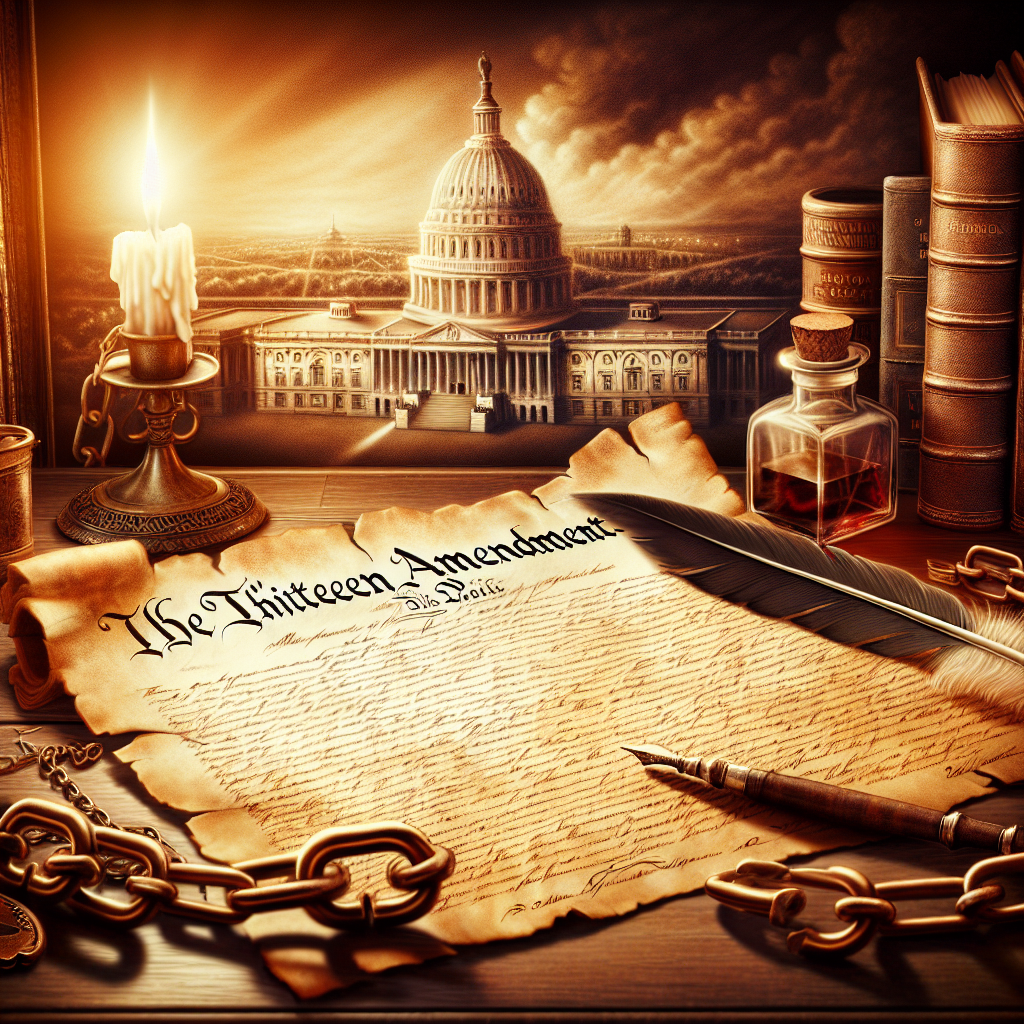
Lincoln was shot by John Wilkes Booth at Ford's Theatre on April 14, 1865 — five days after Lee's surrender at Appomattox — and died the following morning. He never saw Reconstruction. What he left behind was a reunited country, a permanently altered federal government, and the legal abolition of slavery through the 13th Amendment, ratified eight months after his death.
The question of what Lincoln believed about race has followed historians ever since. He was a gradualist on emancipation who evolved under pressure — proposing colonization of freed Black Americans as late as 1862, and privately advocating limited Black voting rights by 1865. He was neither the marble saint of the Lincoln Memorial nor the cynical opportunist of revisionist critique. He was a politician of enormous talent navigating an unprecedented catastrophe with the tools his era provided.
| Born | February 12, 1809 — Hardin County, Kentucky |
| Died | April 15, 1865 — Washington, D.C. |
| Party | Republican |
| Term | March 4, 1861 – April 15, 1865 |
| Vice Presidents | Hannibal Hamlin (1861–65), Andrew Johnson (1865) |
| Preceded by | James Buchanan |
| Succeeded by | Andrew Johnson |
| Date | February 12, 1809 – April 15, 1865 |
| Location | Washington, D.C. |