The Cold War
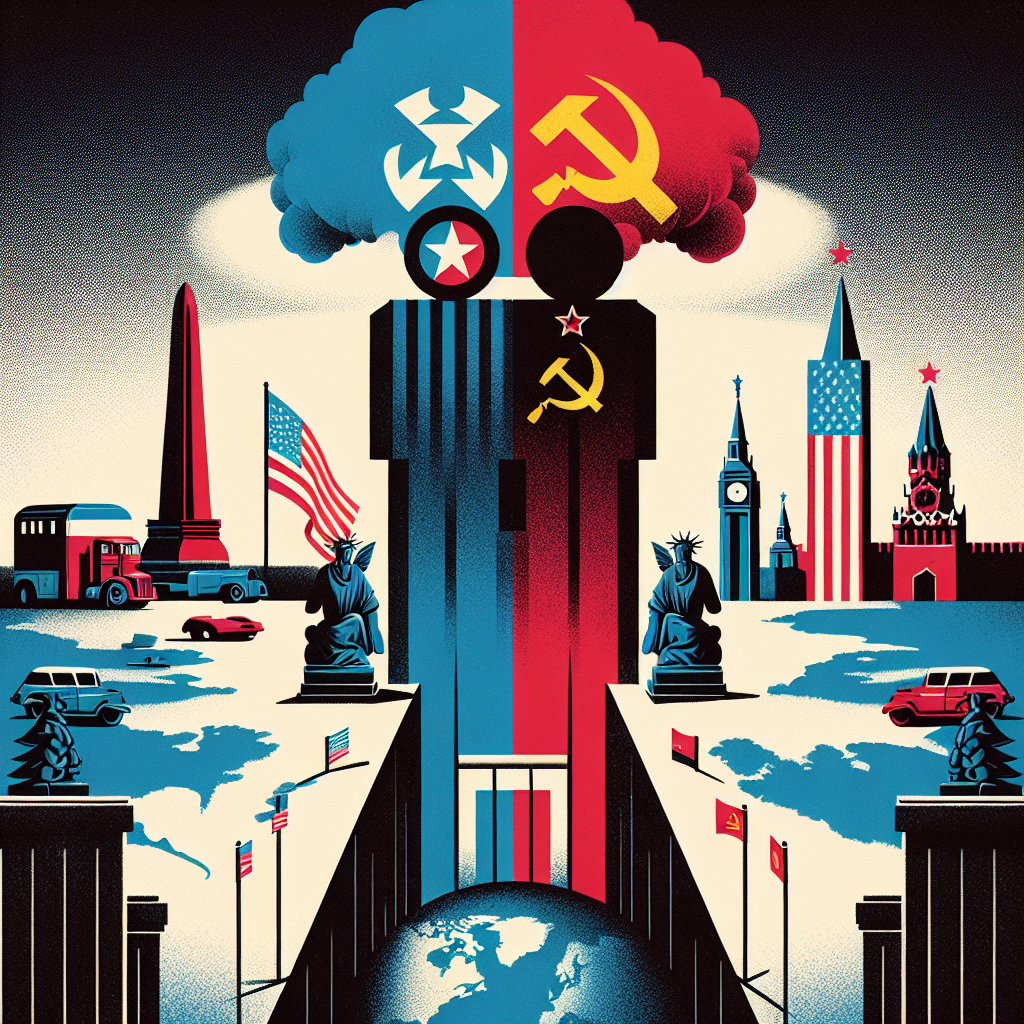
The Cold War was the strangest conflict in American history: a 46-year confrontation between two nuclear superpowers that never directly attacked each other, fought instead through proxy wars, covert operations, propaganda campaigns, arms races, and the mutual accumulation of enough warheads to destroy civilization several times over. It began in the rubble of World War II when the wartime alliance between the United States and the Soviet Union dissolved almost immediately, shaped by incompatible visions of the postwar world and the discovery that the Soviets had obtained atomic bomb plans through espionage. It ended — to nearly everyone's surprise — not with a war but with the collapse of the Soviet Union in December 1991.
The Cold War structured American domestic and foreign policy for nearly half a century. The Truman Doctrine pledged to oppose communist movements globally; NATO bound Western Europe into a mutual defense alliance; the Korean and Vietnam wars were both fought under its logic; the CIA conducted coups, assassination plots, and propaganda campaigns across Latin America, Africa, Asia, and the Middle East. At home, McCarthyism weaponized anticommunism against political dissidents, civil rights leaders, and anyone the FBI found inconvenient. J. Edgar Hoover's bureau wiretapped Martin Luther King Jr., among thousands of others, on the grounds that civil rights activism was communist-adjacent.
The Cuban Missile Crisis of October 1962 brought the two superpowers to the edge of nuclear war when the United States discovered Soviet ballistic missiles being installed in Cuba. Thirteen days of secret negotiations between Kennedy and Khrushchev resolved the standoff — the Soviets withdrew the missiles; the United States quietly removed its own missiles from Turkey and pledged not to invade Cuba. The public saw a diplomatic victory; historians have since documented how close several moments came to catastrophic miscommunication. The crisis produced the Moscow–Washington hotline, a tacit acknowledgment that the two sides needed a way to talk before they accidentally incinerated each other.
The Cold War's end came faster than almost anyone anticipated. Mikhail Gorbachev's reform programs — glasnost and perestroika — loosened the Soviet grip on Eastern Europe; the Berlin Wall fell in November 1989; one by one the Soviet satellite states broke free; and on December 25, 1991, the Soviet Union formally dissolved. What followed was not the peaceful liberal democratic order that some optimists predicted but a more complicated world of regional conflicts, failed states, and eventually a resurgent authoritarian Russia. The Cold War's legacy — nuclear proliferation, destabilized regions from Guatemala to Afghanistan, and the national security apparatus it built — shapes American foreign policy to the present day.
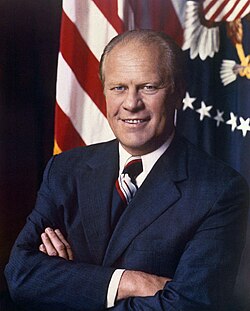
| Period | 1945–1991 |
| Protagonists | United States vs. Soviet Union |
| Peak warheads | ~60,000+ combined (early 1980s) |
| Key crises | Berlin Blockade (1948), Korean War (1950–53), Cuban Missile Crisis (1962), Vietnam War (1955–75) |
| Berlin Wall | Built 1961; fell November 9, 1989 |
| Soviet dissolution | December 25, 1991 |
| Years | 1945–1991 |
| Location | United States |