America and Russia: From the Alaska Purchase to the Cold War

For most of the nineteenth century, the United States and Russia were distant near-friends — two sprawling empires with no shared border and no real quarrel, comfortable enough that in 1867 Russia sold America the whole of Alaska. Less than a century later they were the two poles of a divided world, each with enough nuclear weapons to end the other, fighting through proxies on three continents and rehearsing a war neither could survive.
This guide follows that arc in order: the long quiet before the rivalry, the hardening of the Cold War after 1945, the flashpoints where it nearly turned hot, and the slow thaw that ended with the Soviet flag coming down over the Kremlin. Each entry links to a full account; together they trace how the twentieth century's defining standoff began, escalated, and finally ended without the war everyone feared.
Start here for the full sweep of the relationship between the two powers - from early goodwill to Cold War rivalry and after. The sections that follow trace it in order.
Long before they were adversaries, the two nations were friendly. This early chapter - including the purchase that made them continental neighbors - is easy to forget after the century of rivalry that followed.

Wartime allies became postwar enemies almost overnight. These entries cover the breakdown that split the world in two and set the terms of the standoff that would dominate the rest of the century.
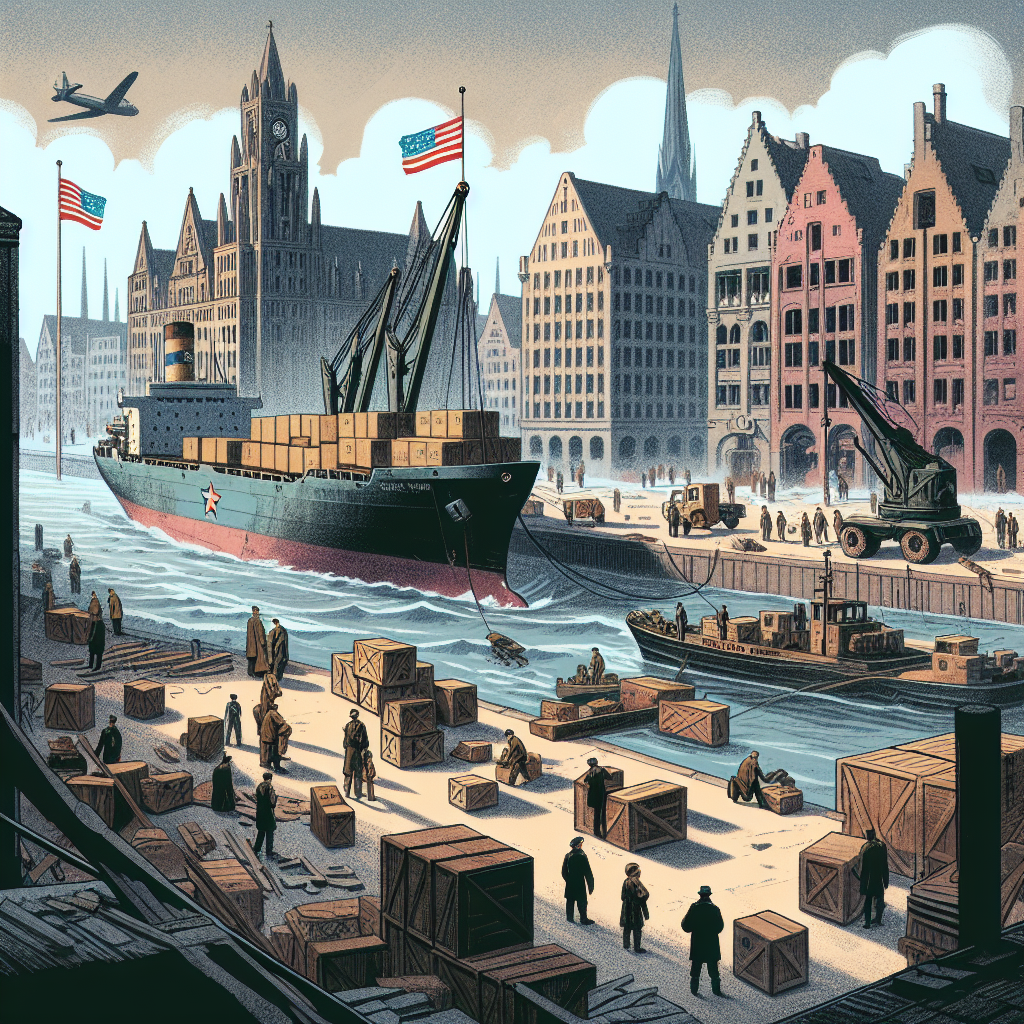

The Cold War was punctuated by moments when it nearly turned hot. These were the crises and confrontations - the closest calls - where the rivalry came nearest to open war.
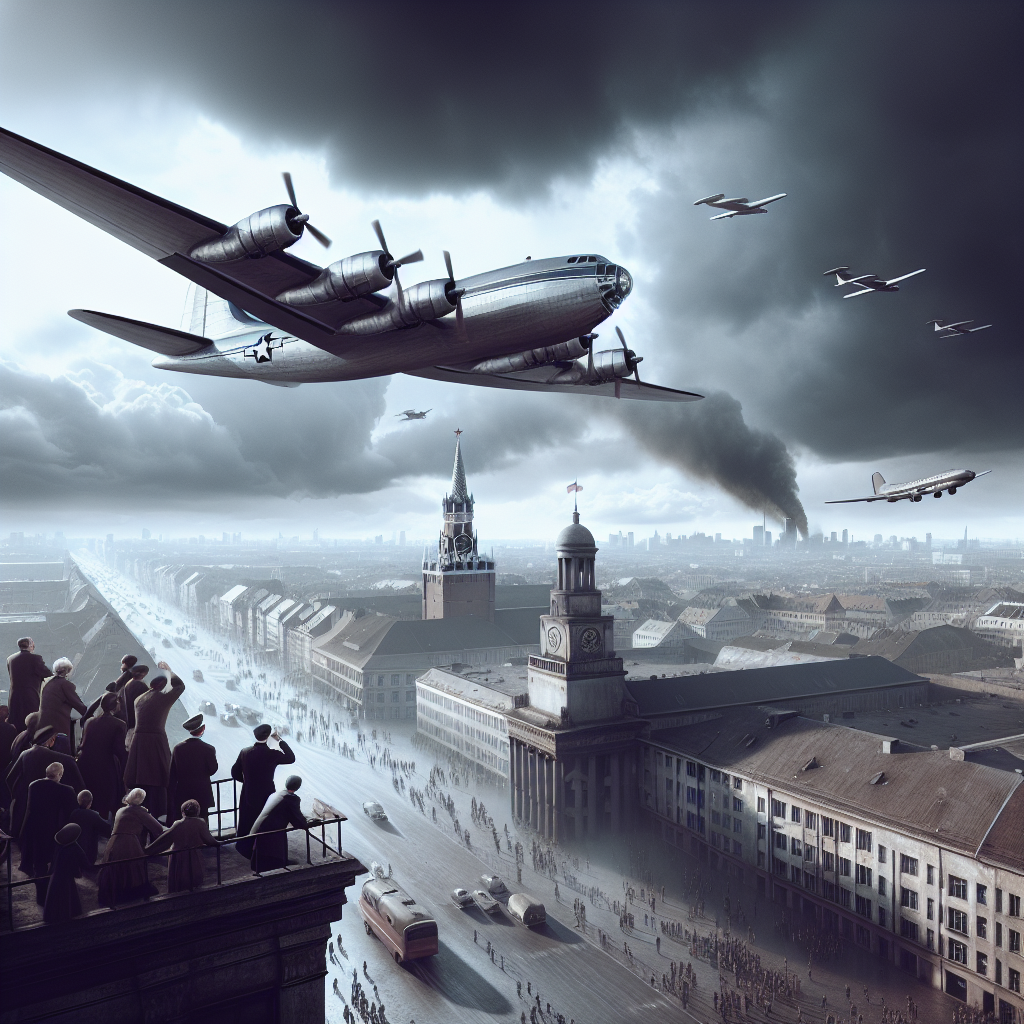
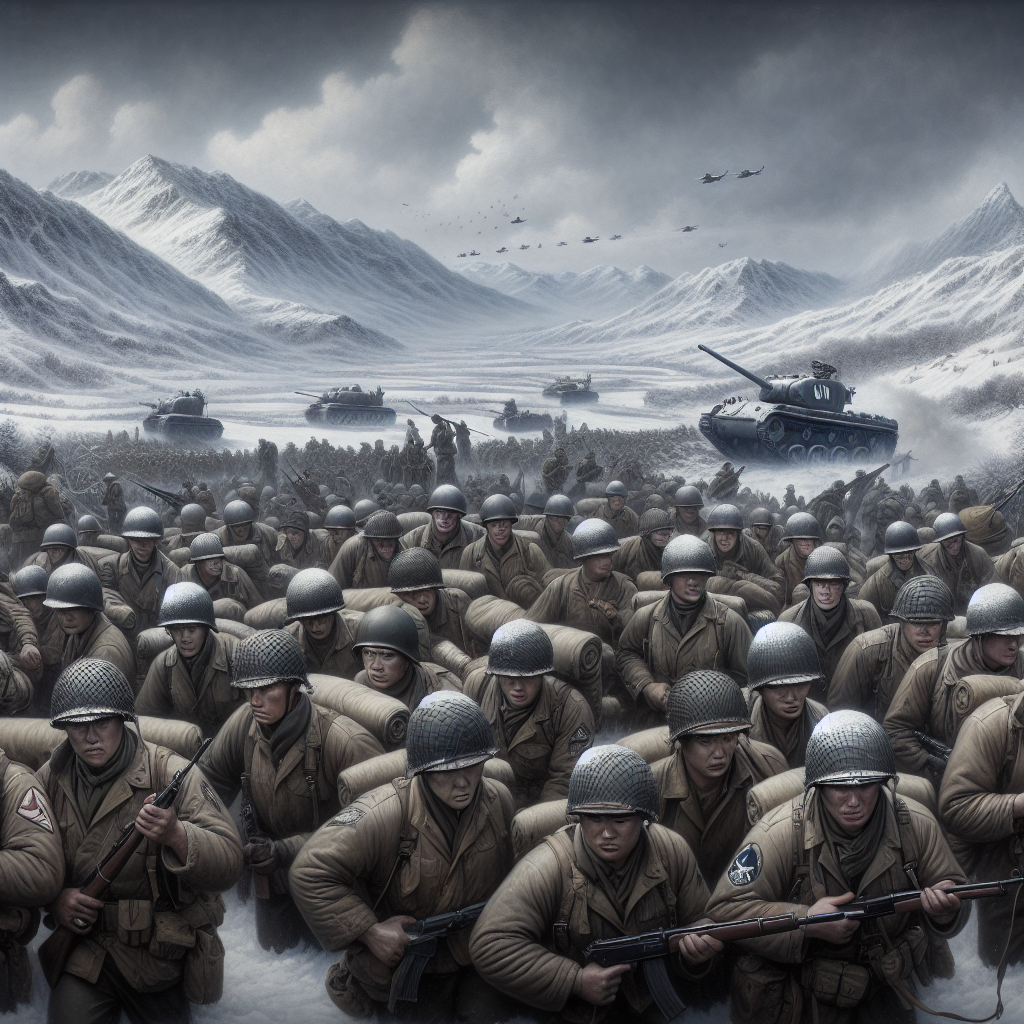
The long freeze gave way to cautious negotiation and, finally, to collapse. These entries follow the relationship from the first arms-control agreements to the fall of the Soviet Union.

The Soviet rivalry shaped nearly every other relationship of its era — compare the parallel arc with China, and see how the same Cold War logic ran through America's wars from Korea to Vietnam.