American Invention: How the United States Built the Modern World
The United States has been an invention machine. Across two centuries its tinkerers, scientists, and corporate labs produced a cascade of breakthroughs — the cotton gin, the telephone, powered flight, the atomic bomb, the transistor, the moon landing — that remade not only the American economy but the daily life of the entire world. This guide gathers the milestones of that genius.
It follows them in rough order: the machines of the industrial age, the conquest of electricity and communication, the leap into flight and the atom, and the digital and space age that followed. Each entry links to a full account.
Start here for the larger story of American invention - how a string of breakthroughs remade work, communication, and daily life. The sections that follow trace it in order.
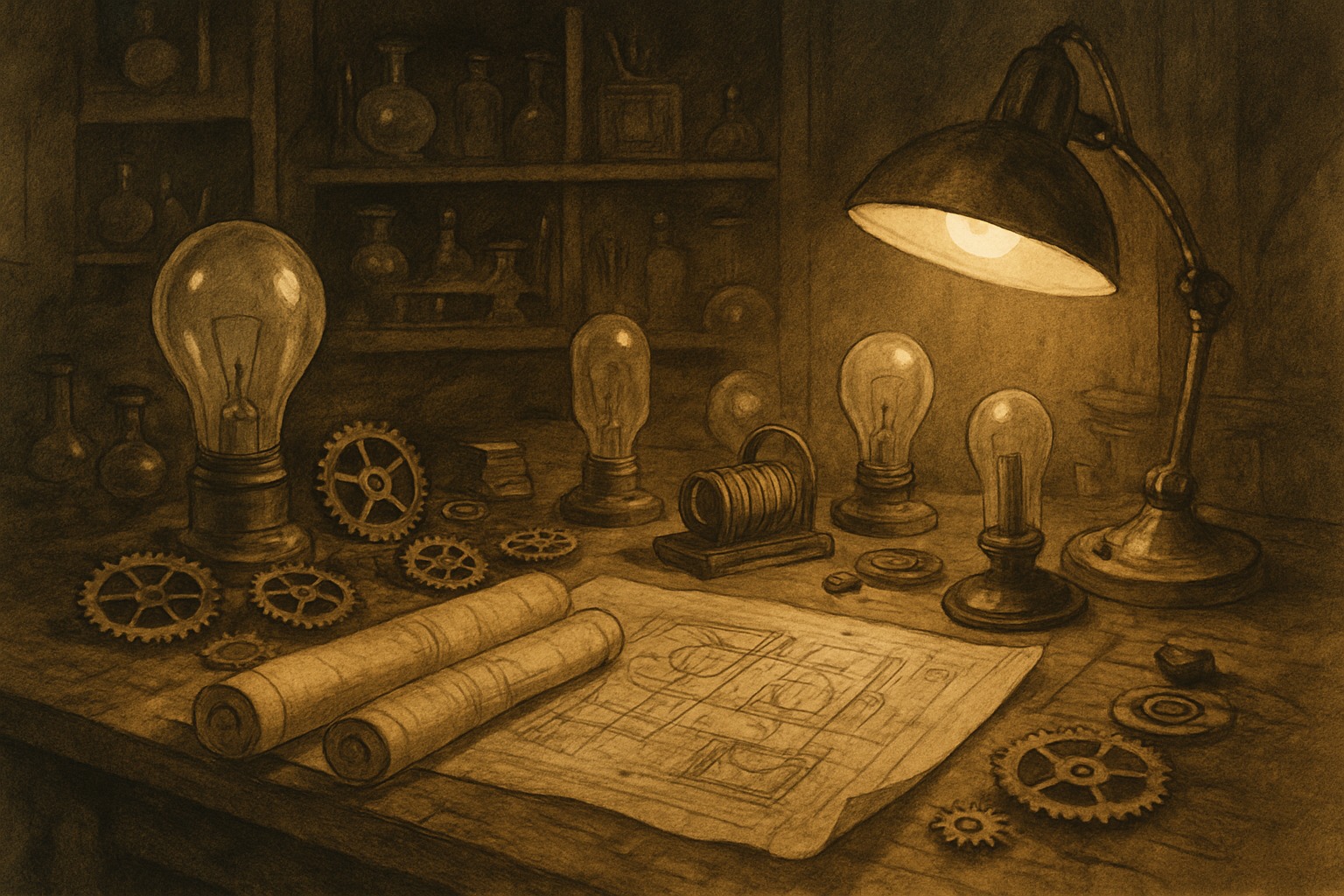
American innovation began with the machine. These inventions mechanized farming and manufacturing, powering the country's transformation from a rural society into an industrial one - and, in one case, entrenching slavery in the process.
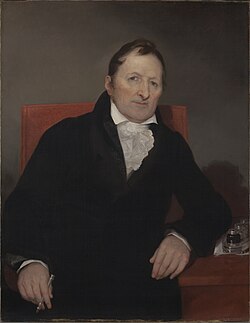
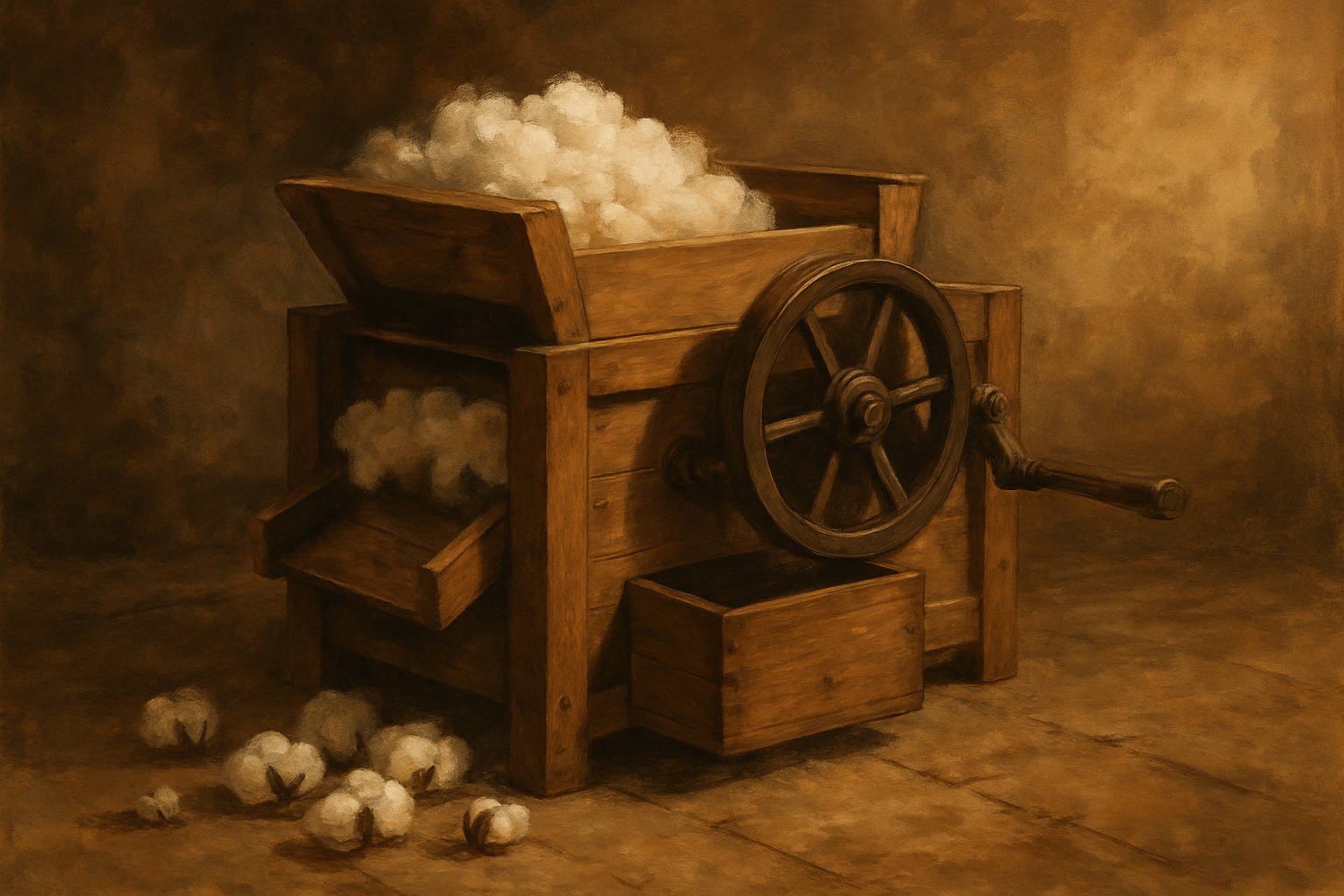

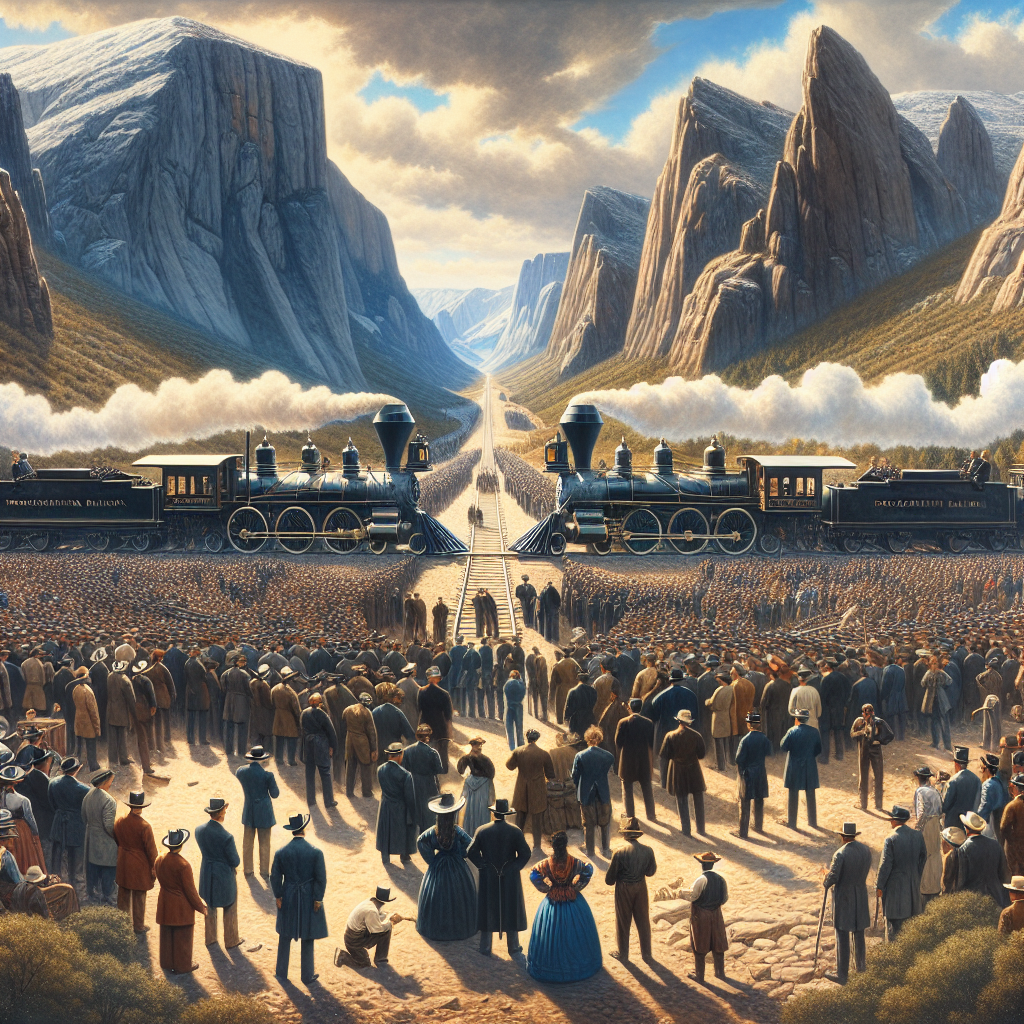
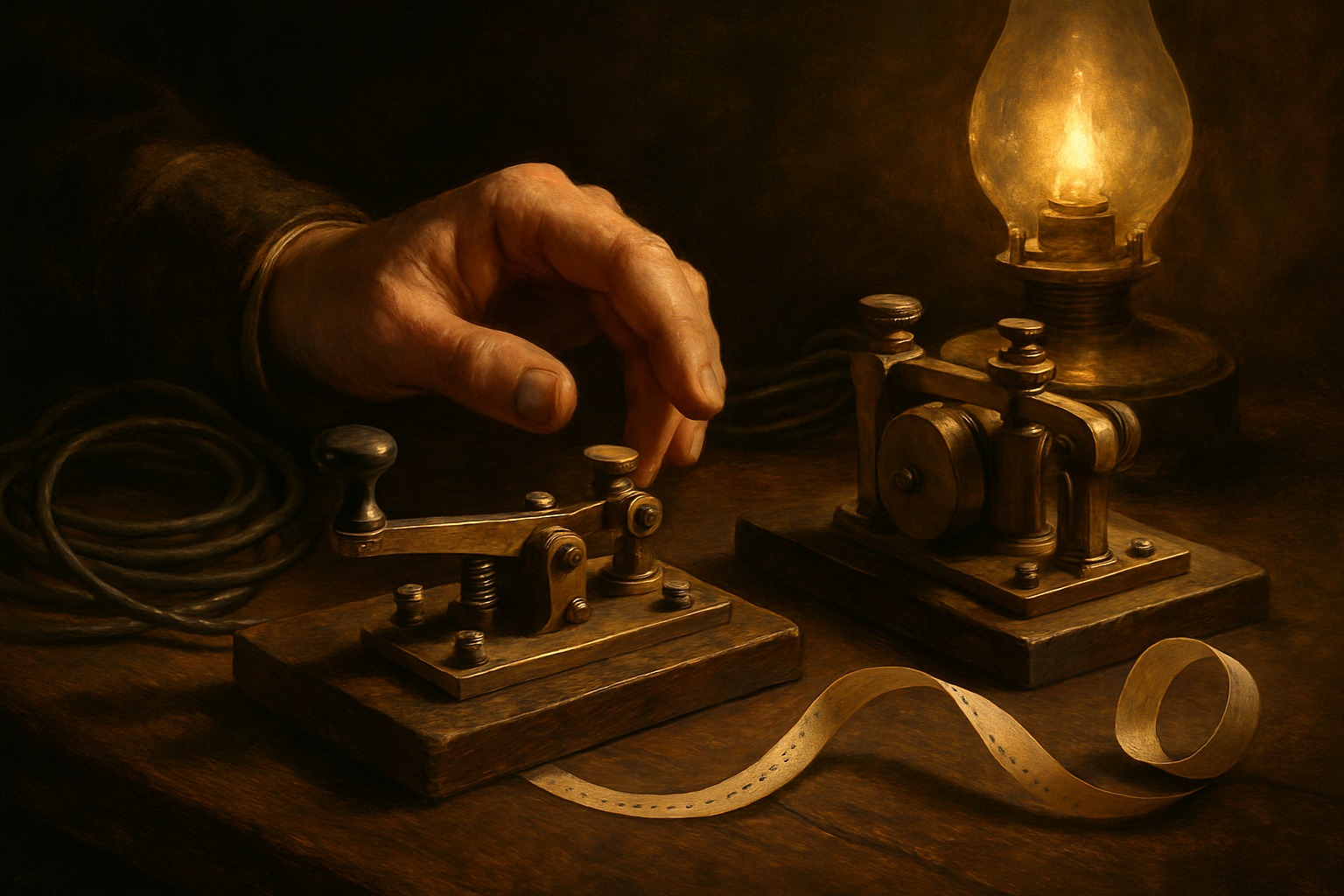
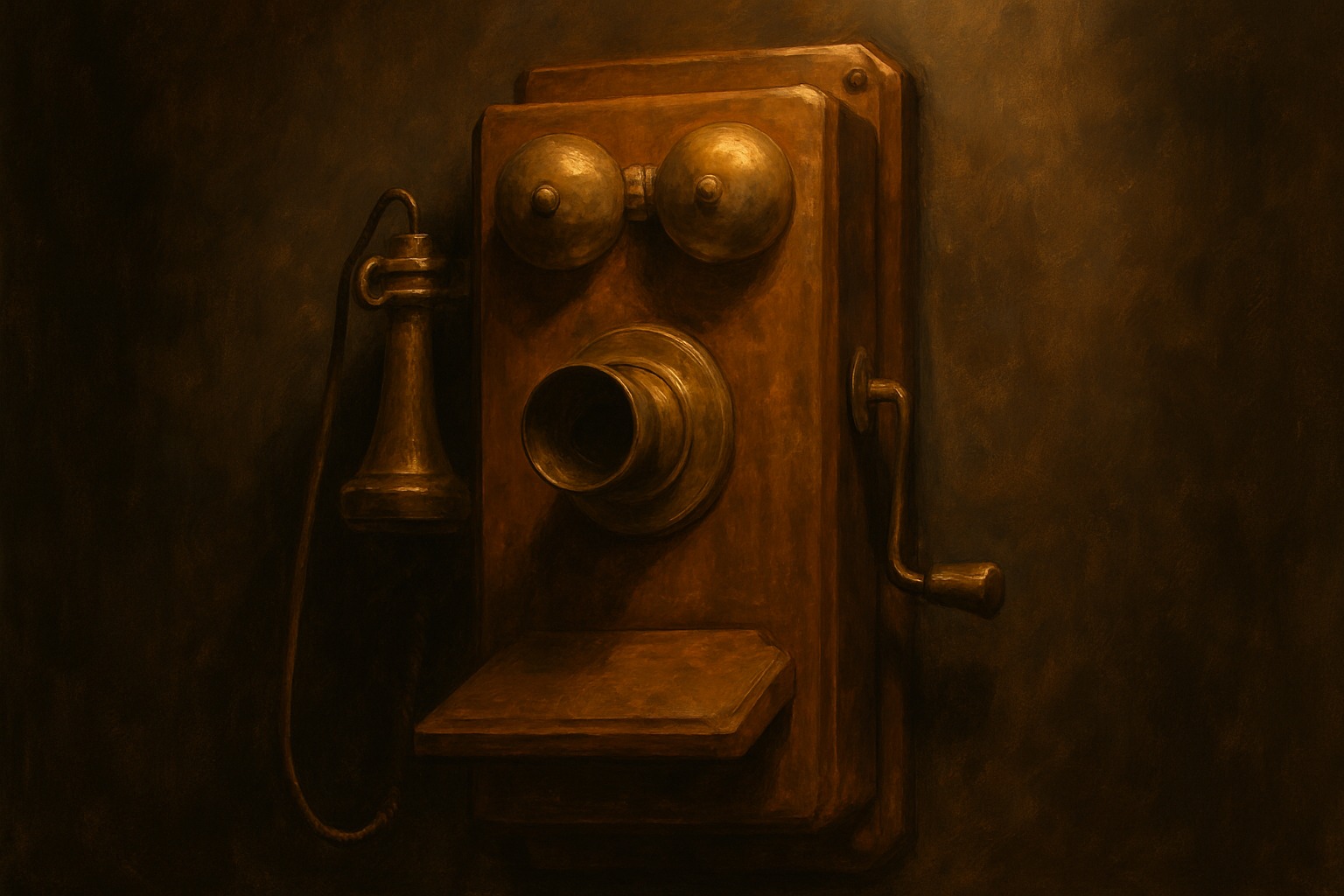
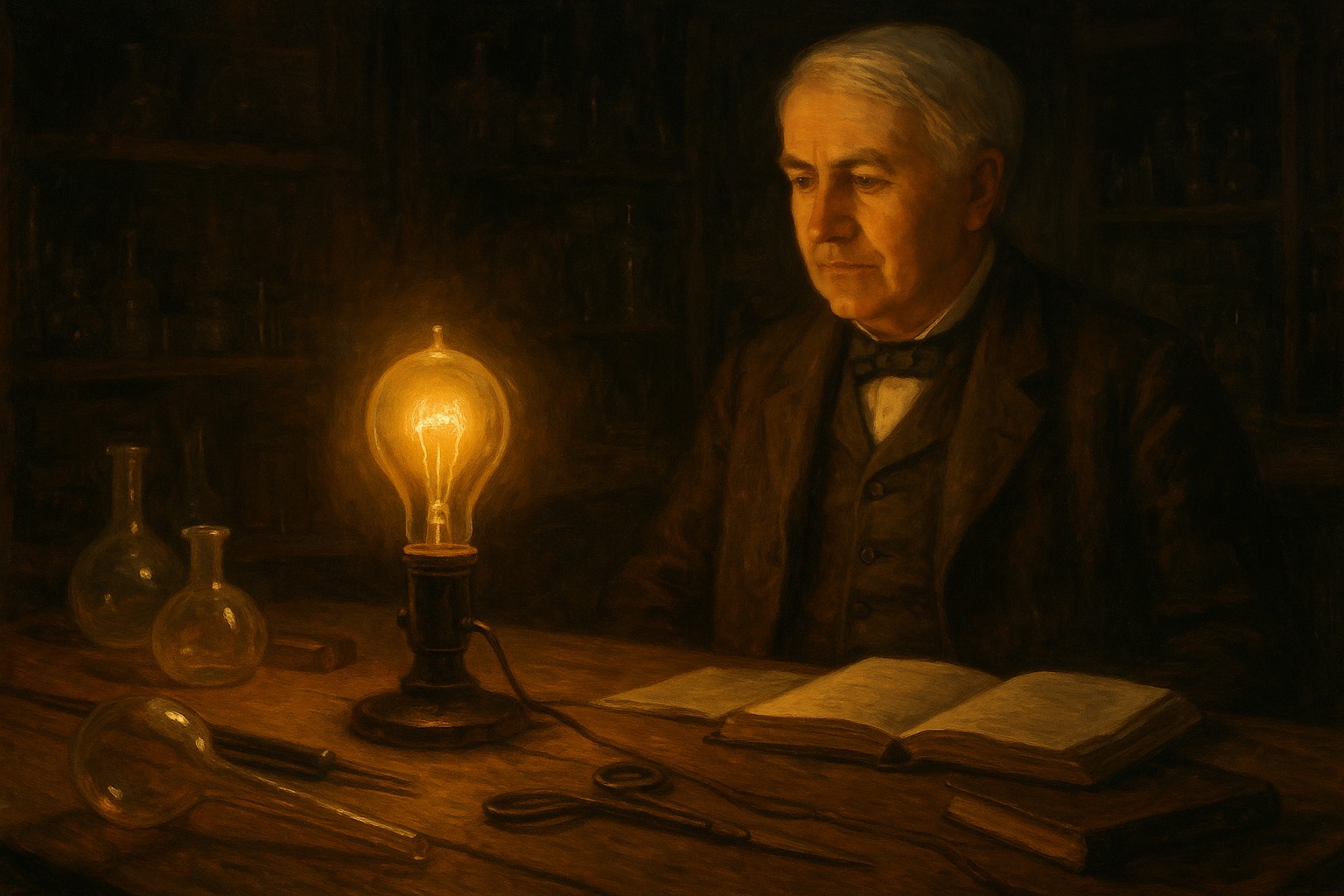
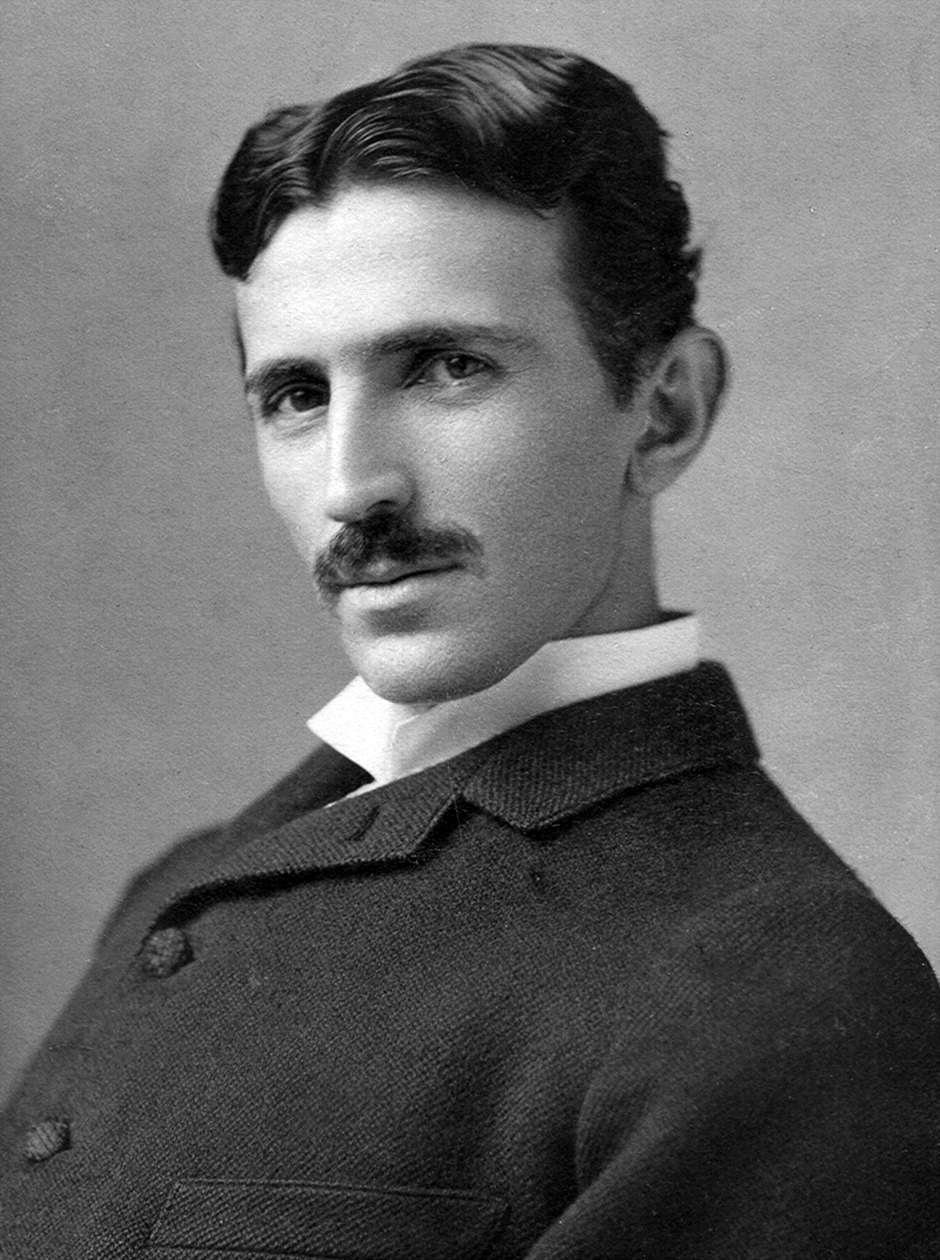
Then came the technologies that collapsed distance. The telegraph, the telephone, and electric light remade how Americans communicated, worked, and lived - the foundations of the modern connected world.
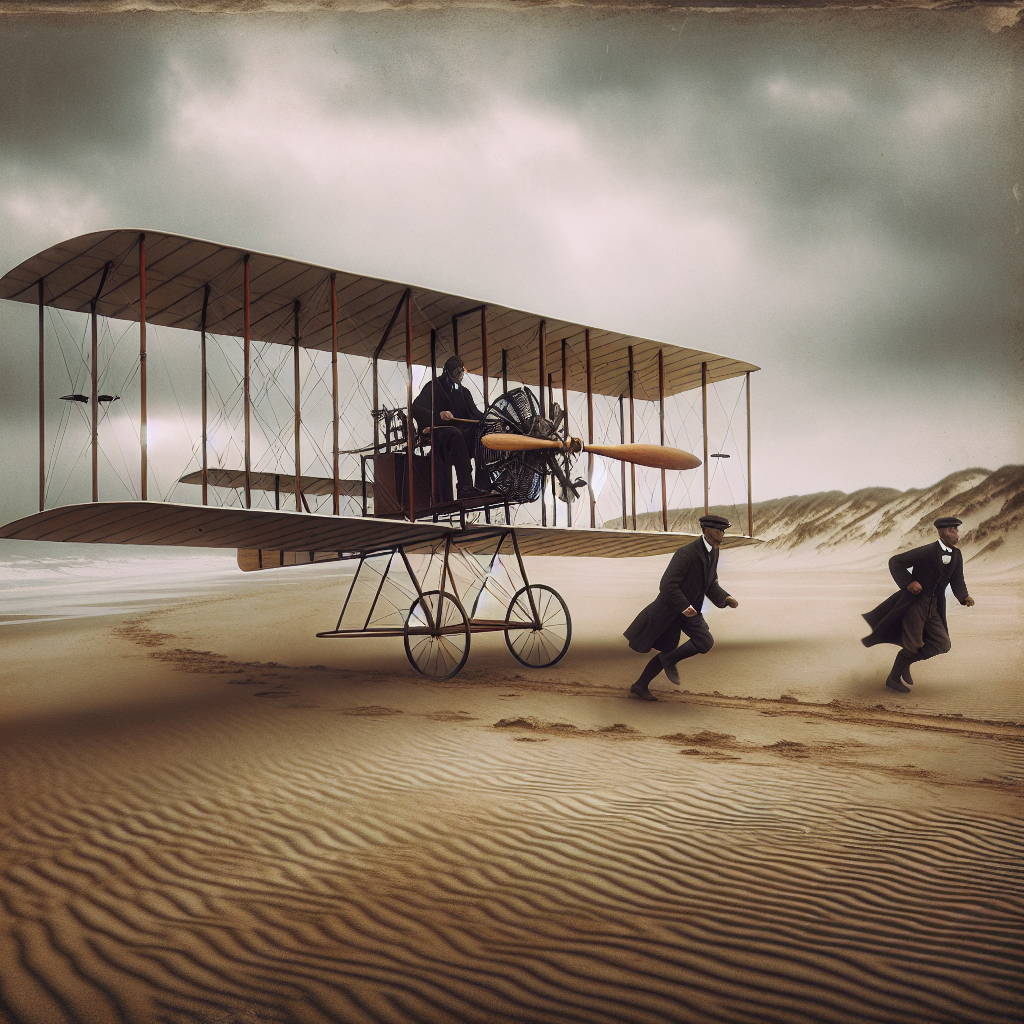
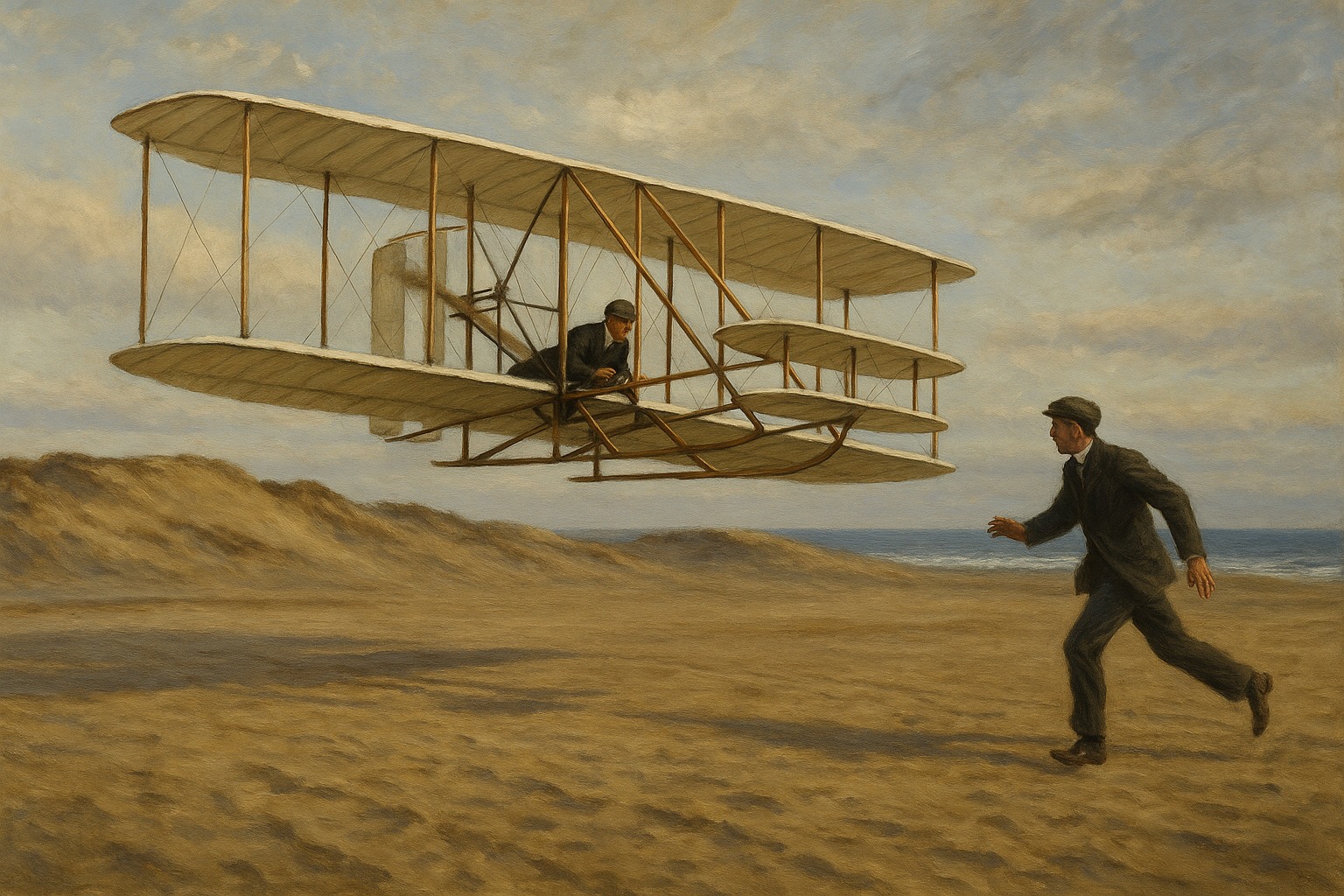
In the twentieth century invention reached the sky and split the atom. These breakthroughs gave humanity the power to fly and the power to destroy itself - and changed warfare and travel forever.

The most recent wave of innovation built the world we now inhabit. From the transistor to the networks and spacecraft that followed, these inventions launched the digital and space age.