American Media: From the Penny Press to the Feed
Every era of American history has had its dominant medium — and each one reshaped the country as much as it reflected it. From cheap newspapers and the telegraph to radio, film, television, and the internet, the way Americans informed, persuaded, and entertained themselves has driven politics, culture, and the very idea of a shared national life. This guide traces that long transformation.
It runs from the age of print and the power of the press, through the broadcast era of radio and screen, to the watchdog tradition and the digital revolution. Each entry links to a full account.
Start here for the whole story of American media - from the printing press to the internet, and the power that came with each new medium. The sections that follow trace it in order.
American media began in print and on the wire. These entries cover the early press and the telegraph that fed it - and the sensational, crusading journalism that proved how much power the printed word could hold.
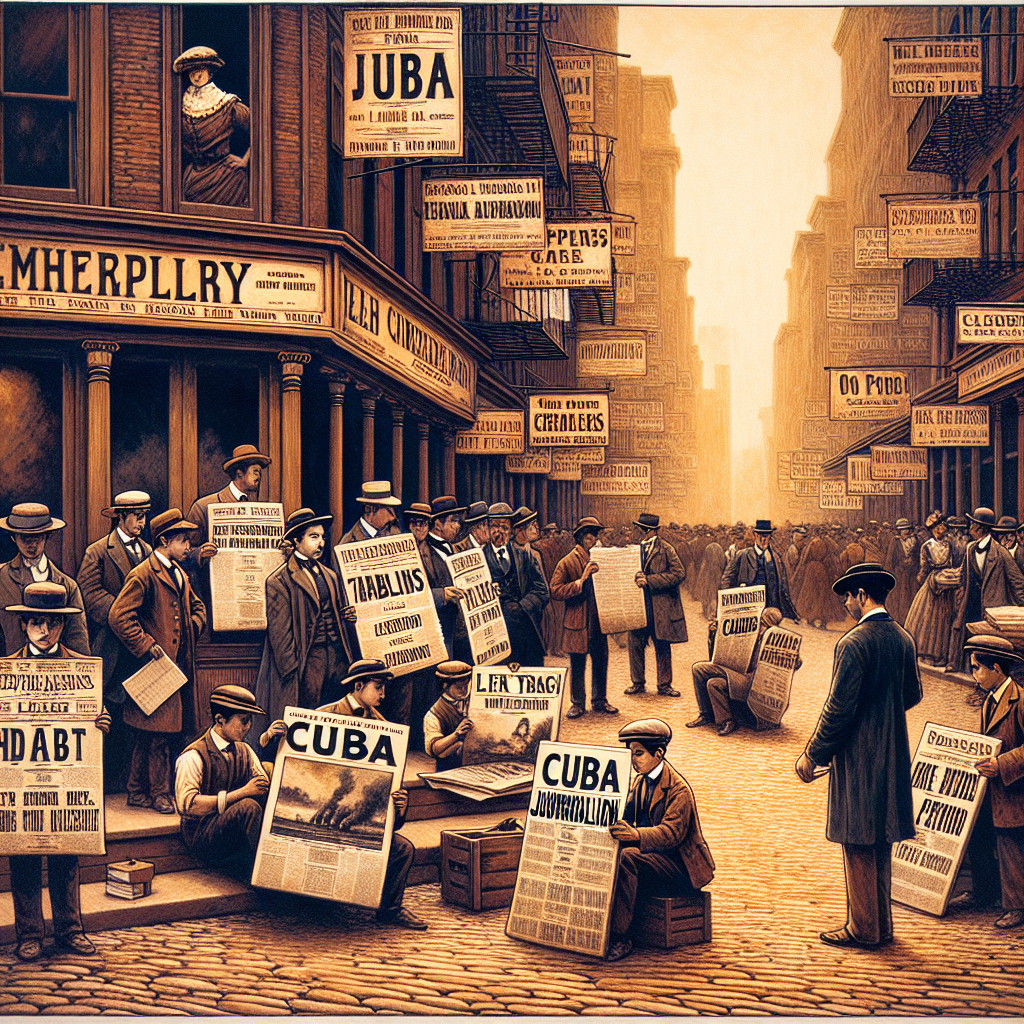
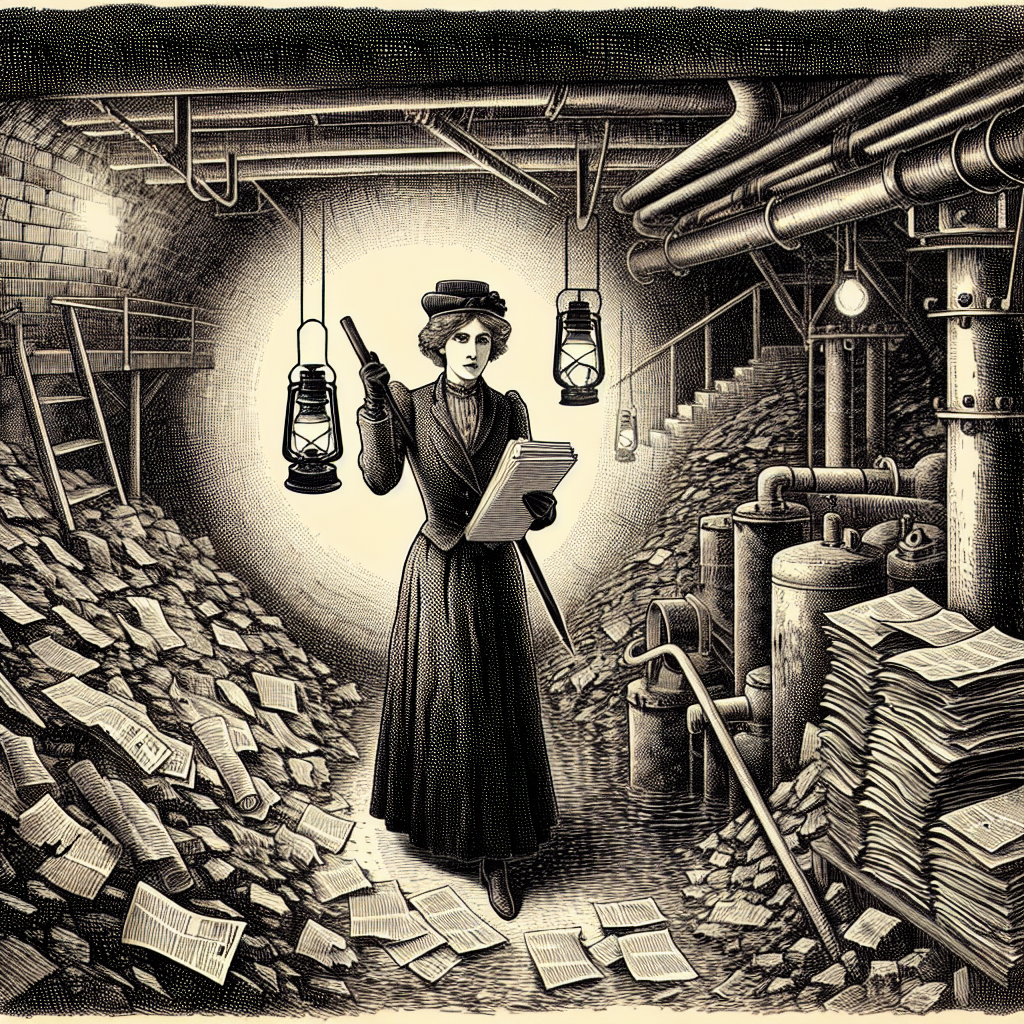
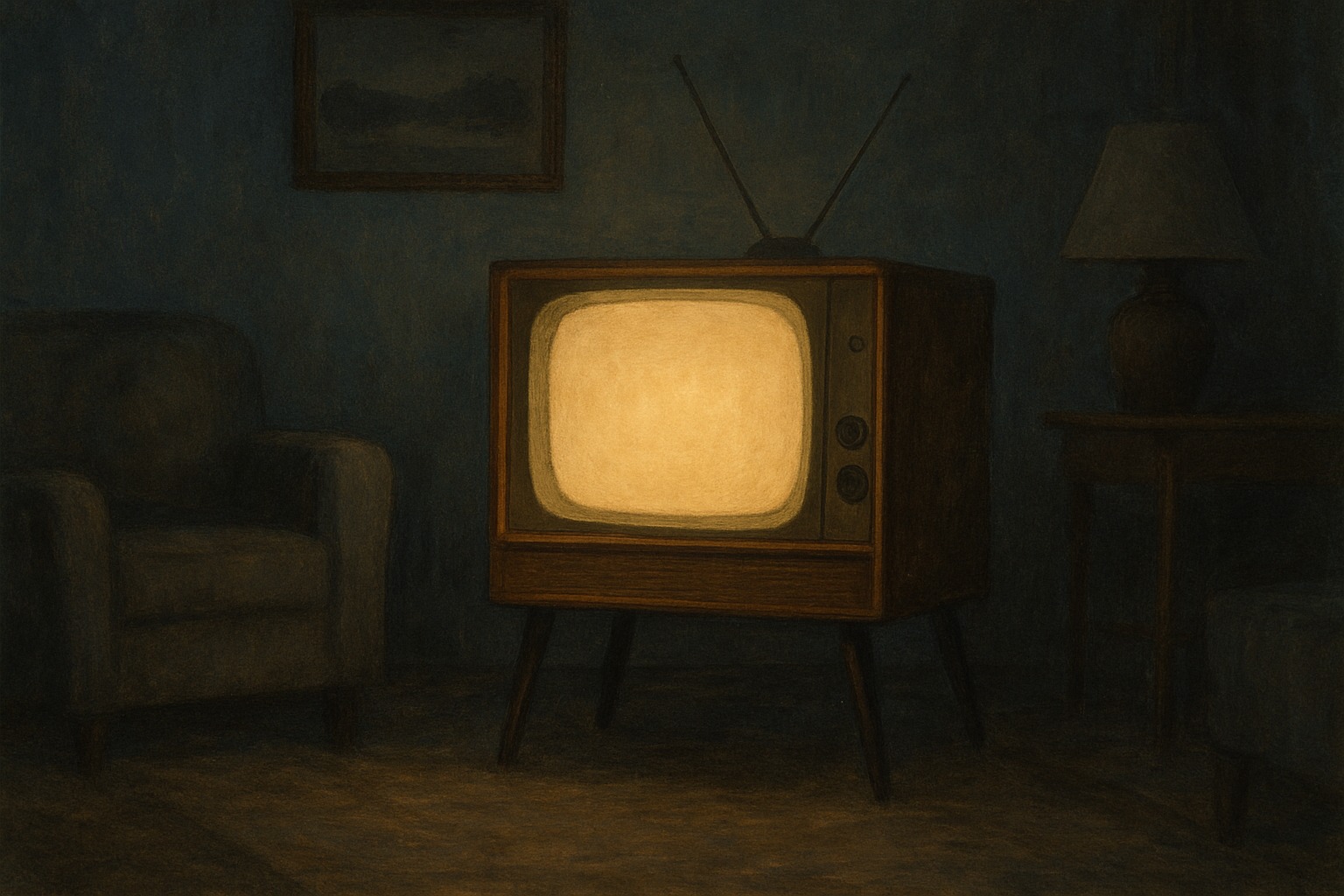
Then media learned to speak and show. Radio and television brought news and entertainment directly into the home, creating a shared national culture and a new kind of mass audience.
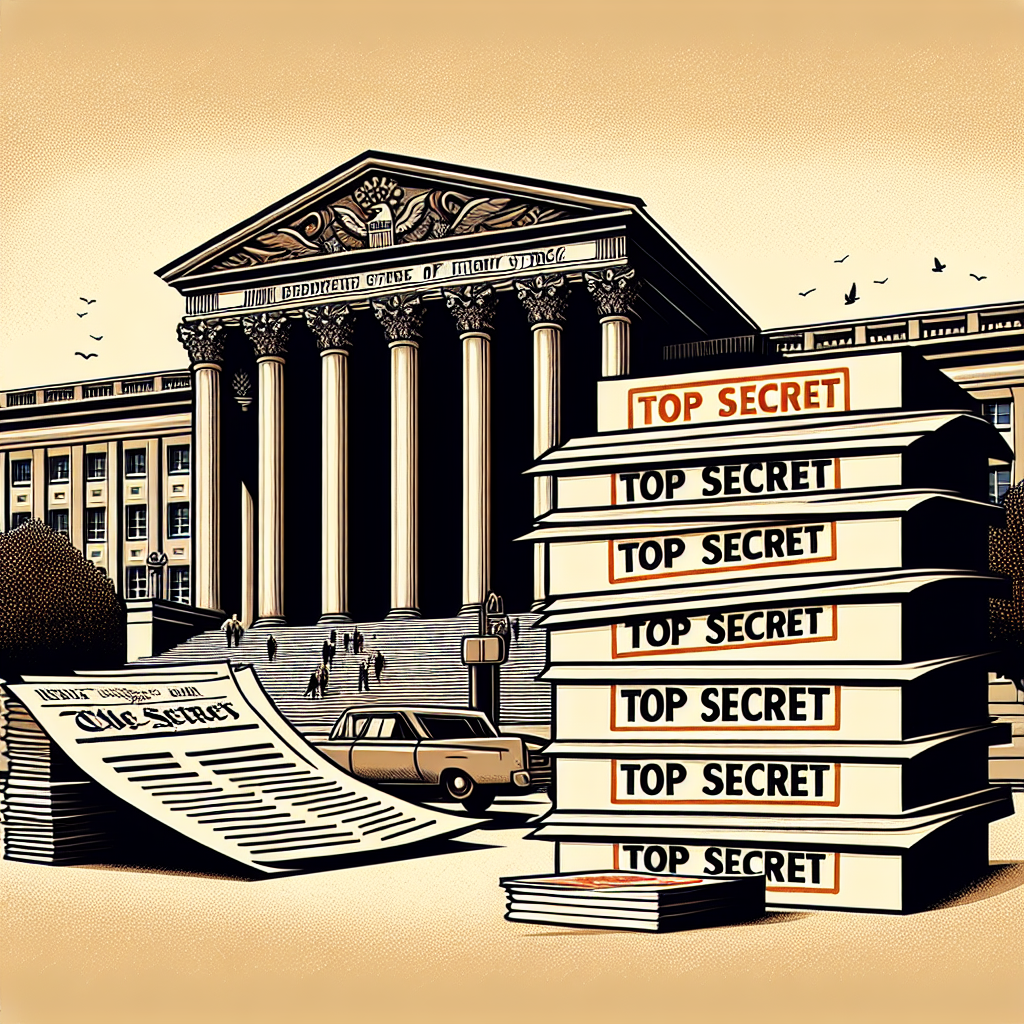
At its most consequential, the press has held power to account. These entries cover the landmark cases and exposes in which journalism confronted the government and tested the limits of a free press.
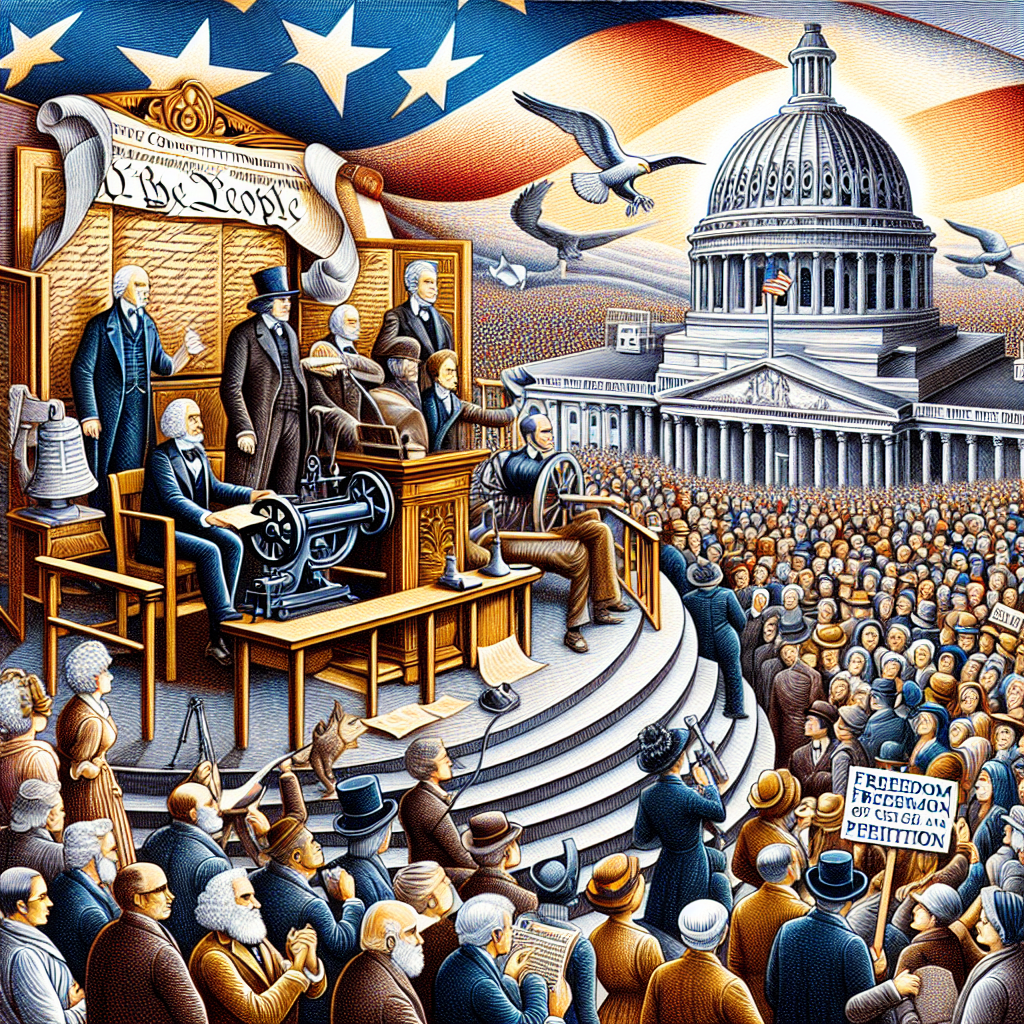
The newest medium overturned all the others. The internet collapsed the distinction between audience and publisher and remade how Americans get their news, talk to one another, and argue.

The American newspaper was never a single thing. It began as a partisan sheet, became a mass commercial product in the nineteenth century, and along the way produced both the abolitionist weekly that almost nobody read and the penny papers that a million people bought on a good day. The publishers in this section built rival answers to the same question — what a newspaper owes its readers — and the answers ranged from Garrison's refusal to compromise to Hearst's willingness to sell anything that moved copies.
What survived the sorting were the papers that found a business model to match their ambition. Ochs made seriousness pay at the Times, the Grahams made a capital paper into a national one by taking on two presidents, and Dow Jones turned market information into a product. Pulitzer, who did more than anyone to invent the sensational form, spent his fortune trying to establish the standards it violated.
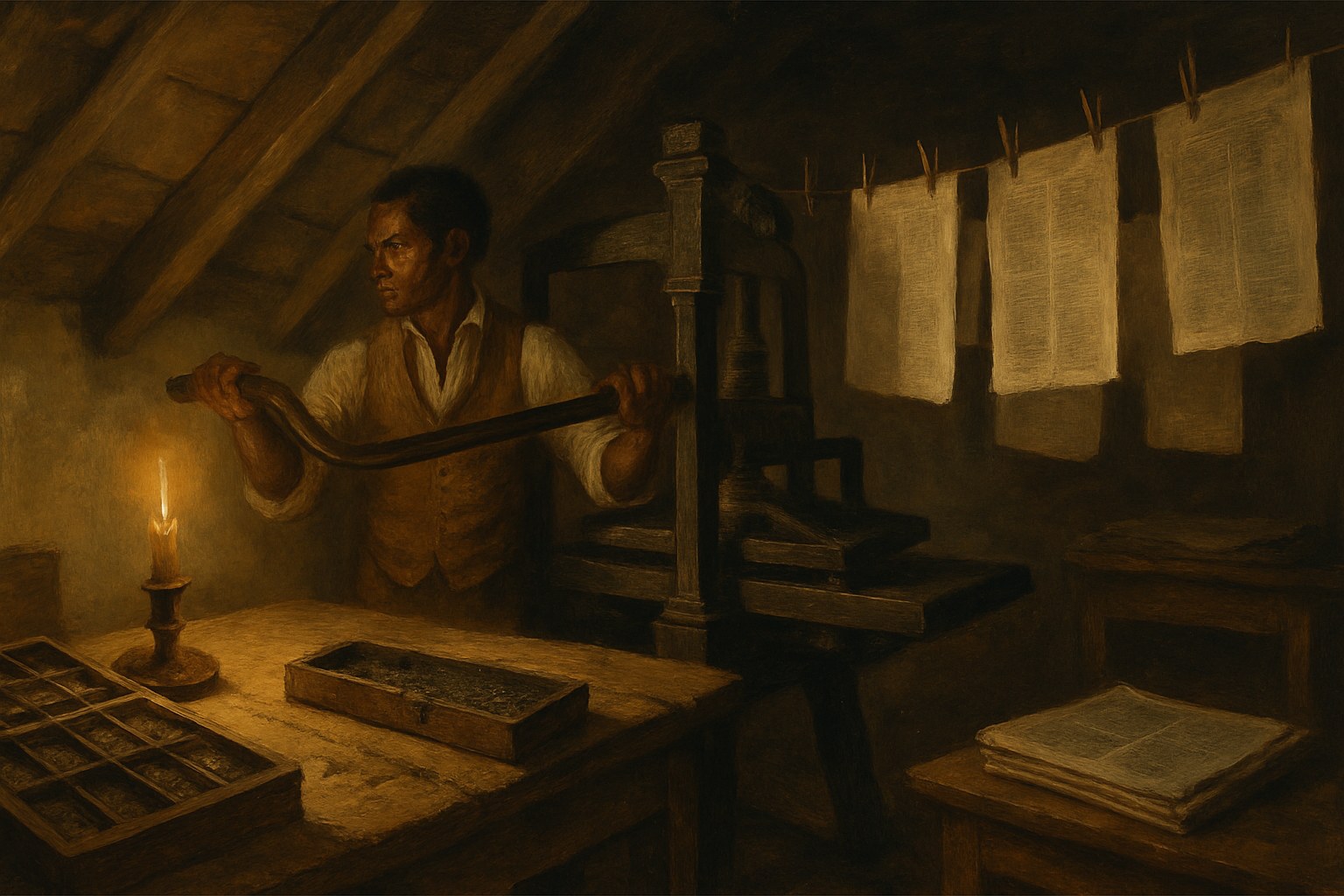
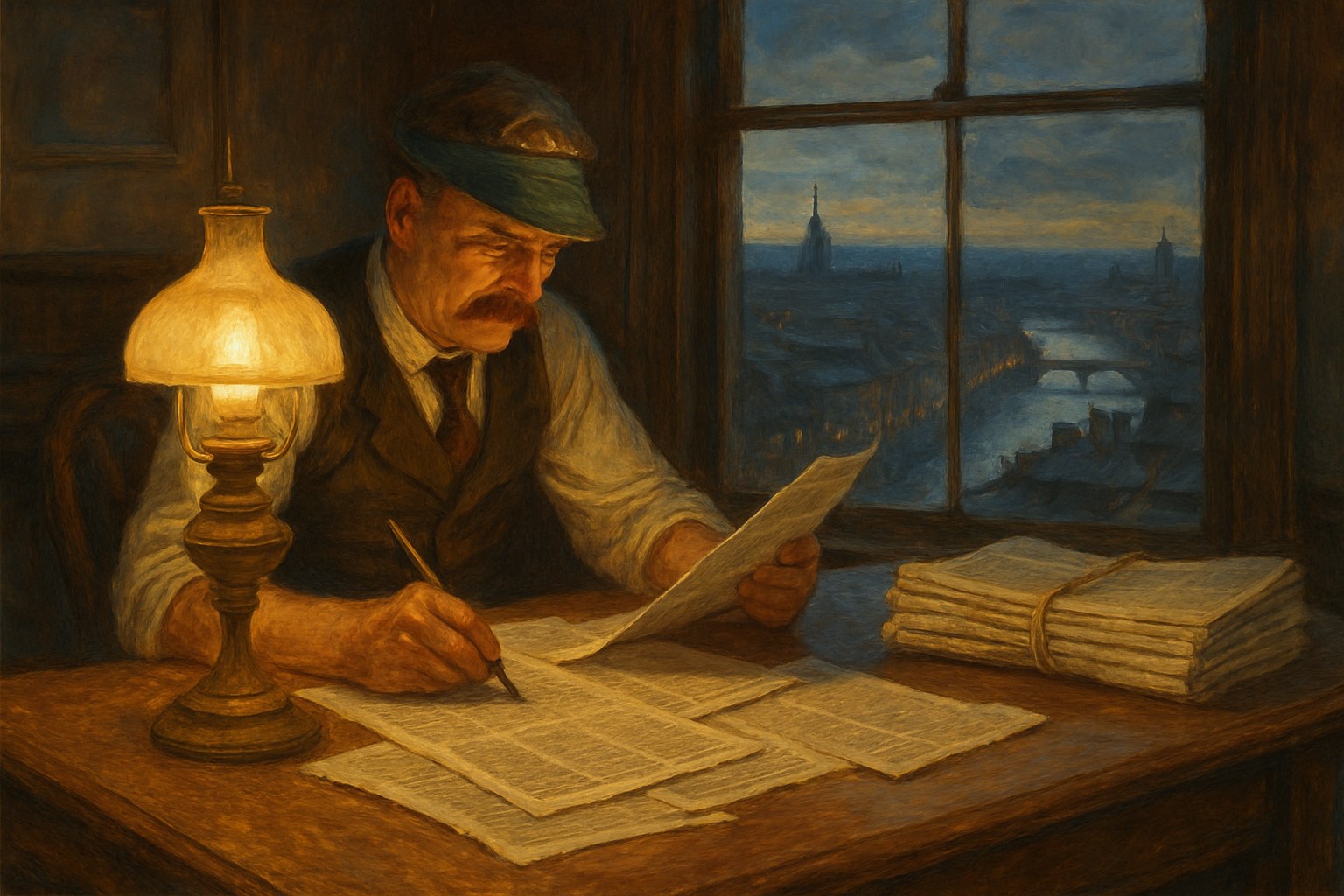
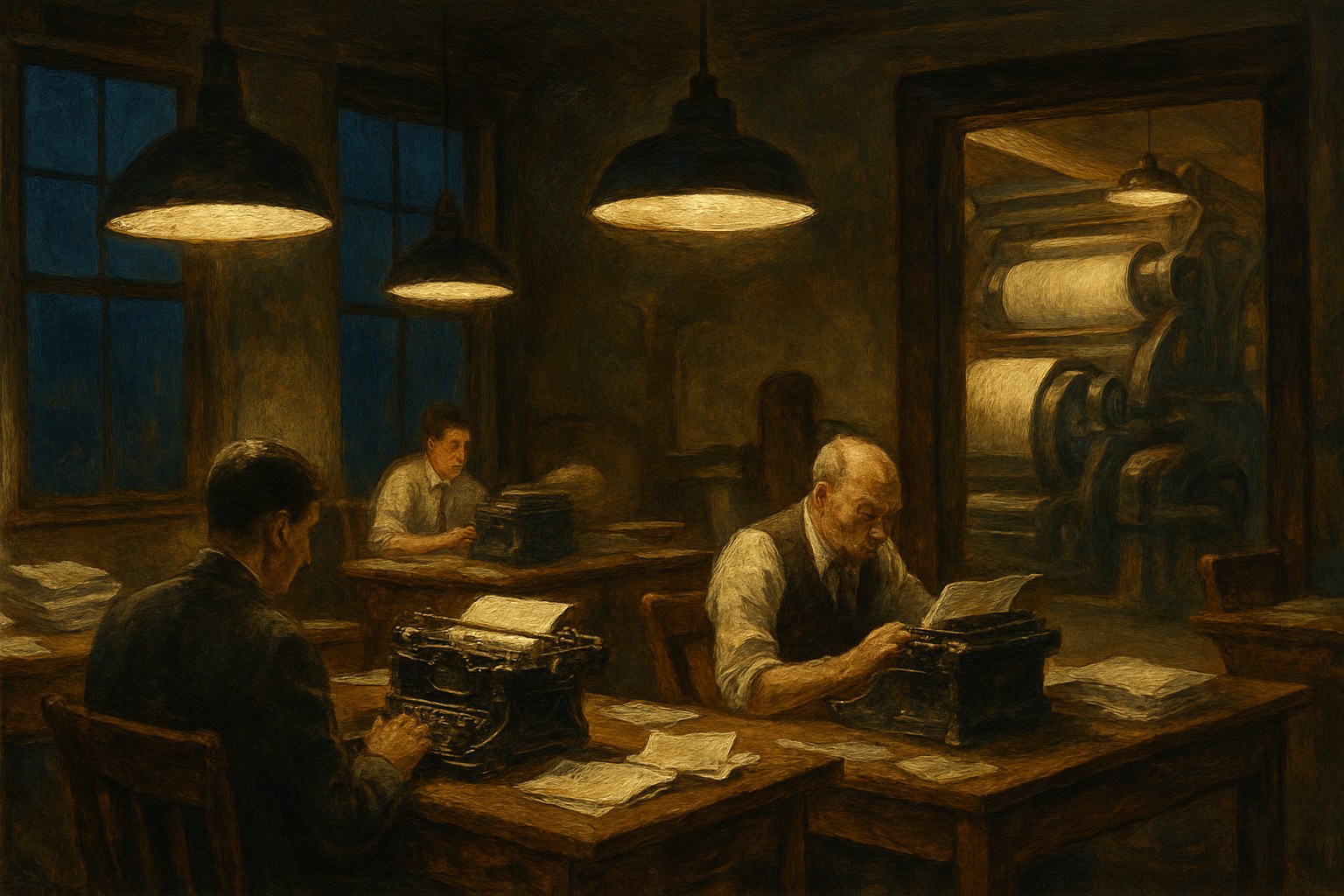
Every expansion of American news followed a change in the machinery that carried it. The telegraph made a dispatch from Washington available in Iowa the same day and, because it charged by the word, helped push reporting toward the flat, factual sentence. The Associated Press turned that capability into an institution owned by its members, so that a small paper could print the world without maintaining a bureau in it.
What came next kept collapsing the distance between an event and its audience. Picture magazines let readers see the war rather than read about it, radio and then television networks put a correspondent's voice in the living room while the story was still happening, and a cable channel in Atlanta abolished the schedule altogether. Each step widened the reach and shortened the interval, until the news stopped arriving and simply ran.
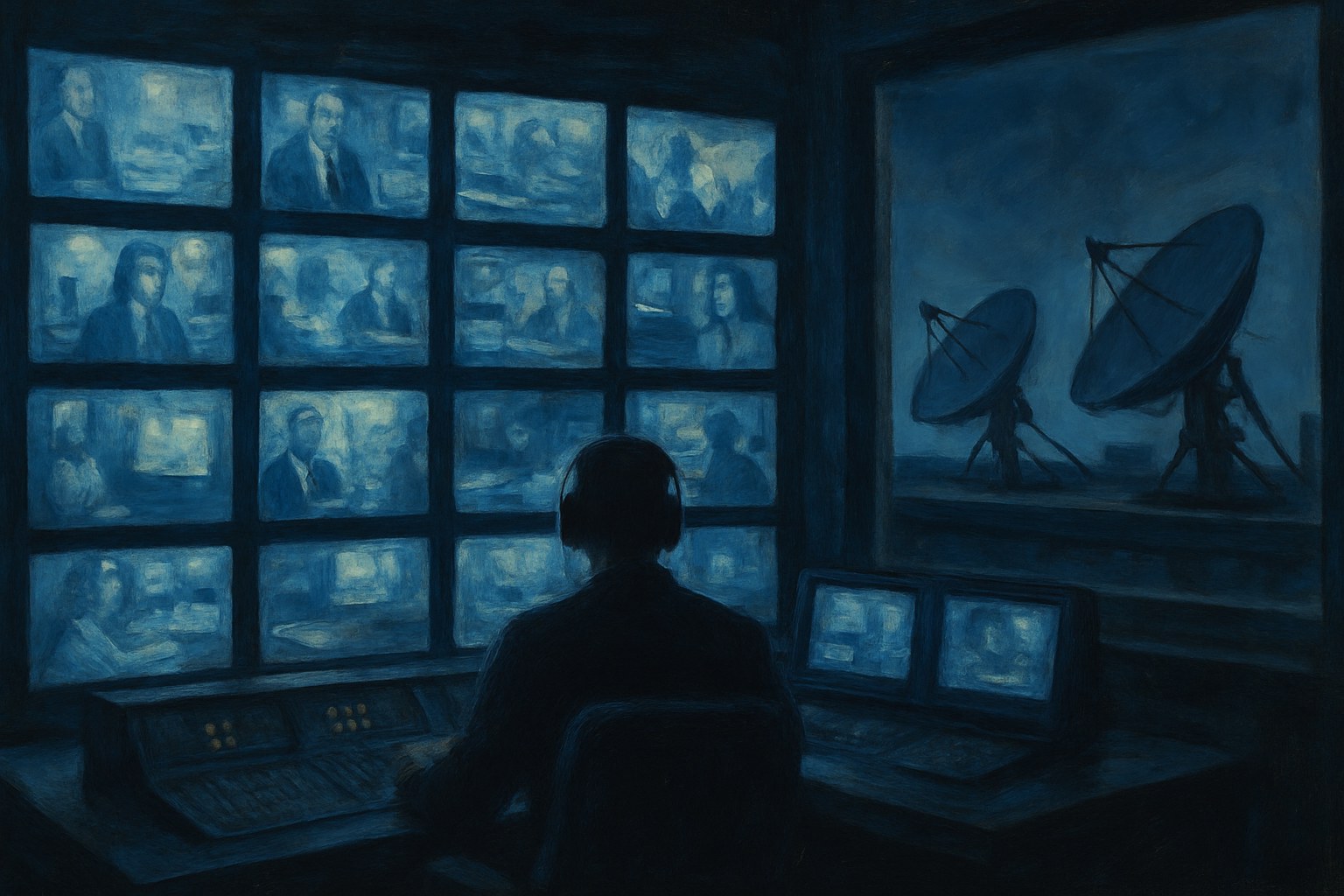
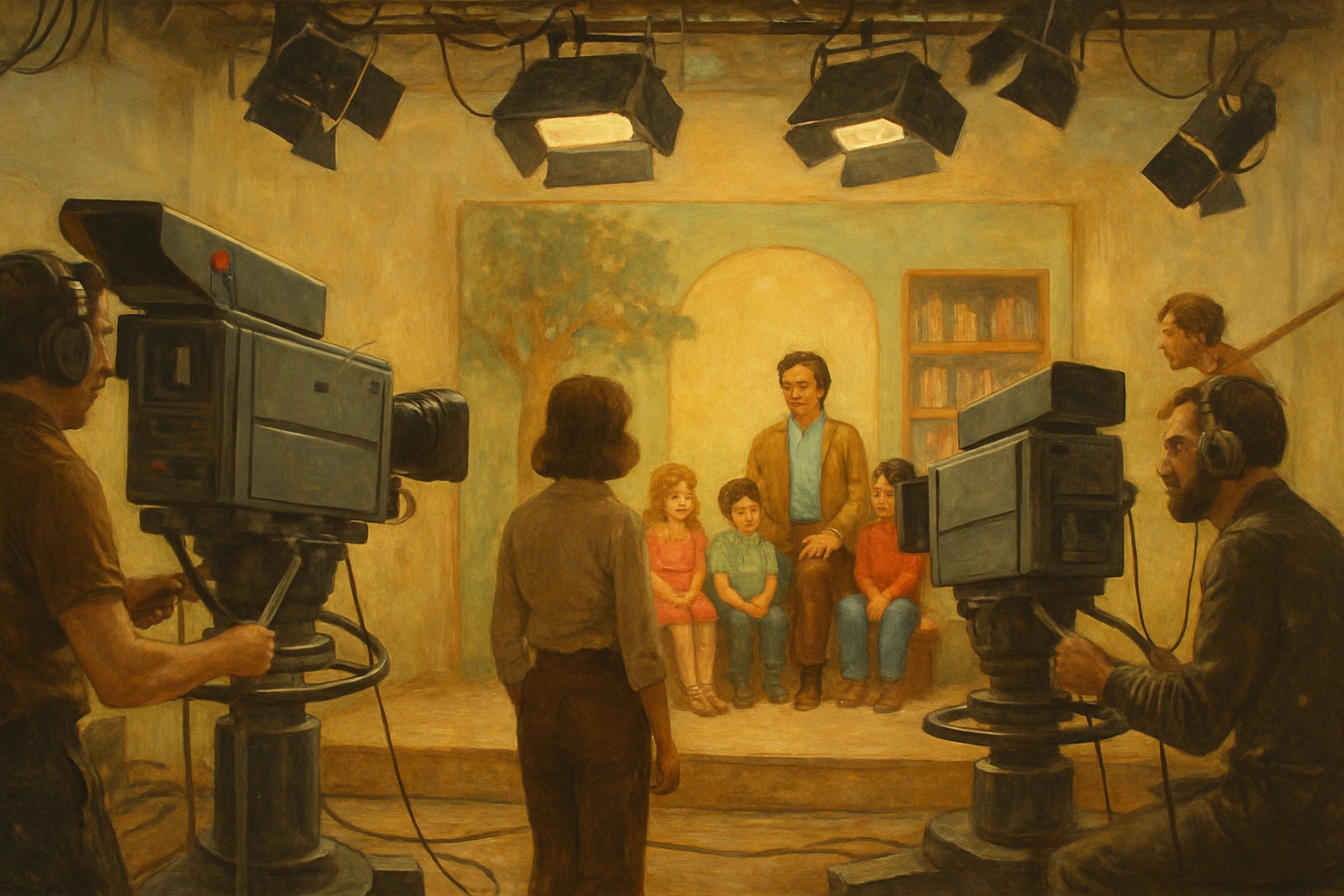
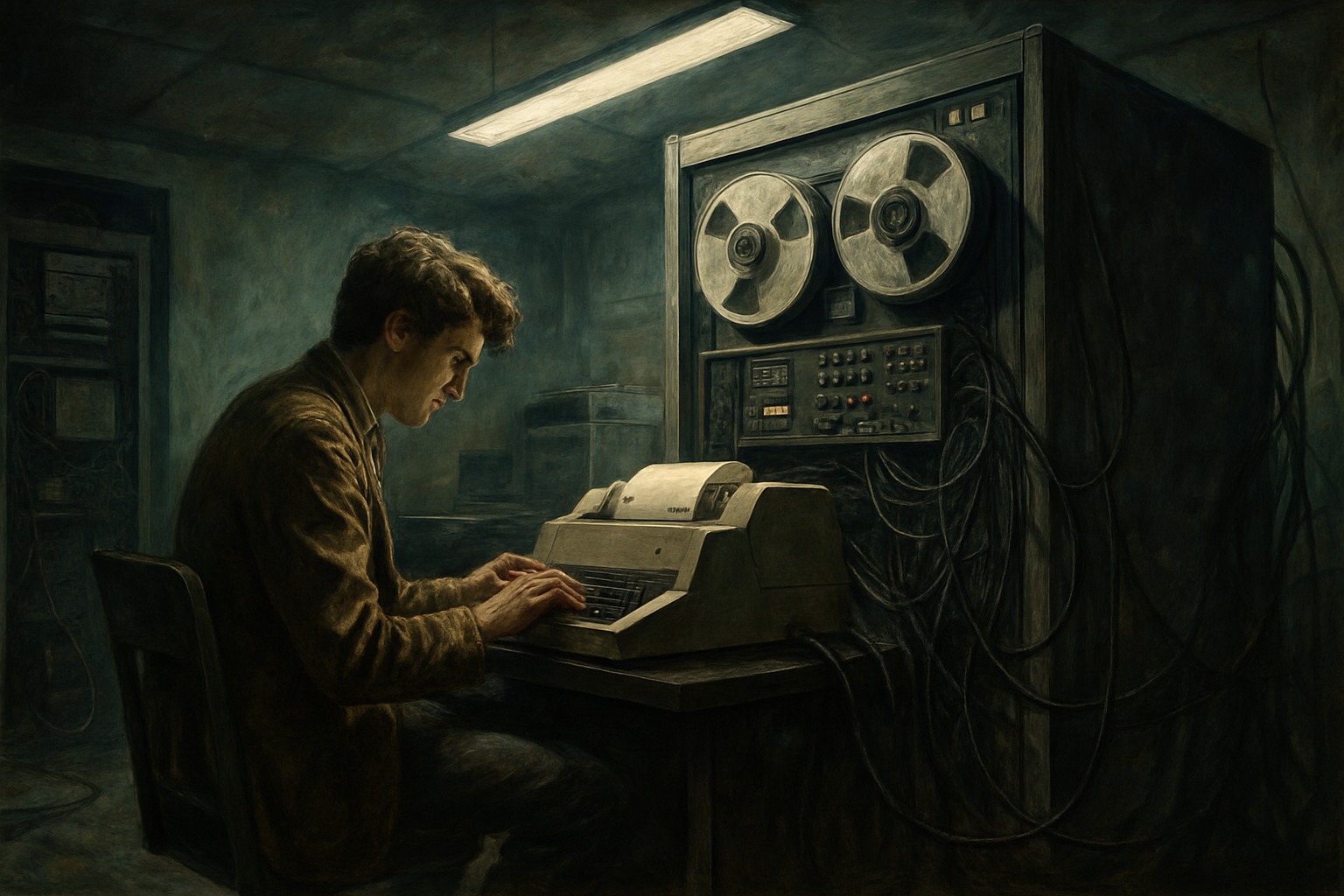
The media's tools came from American invention, and its watchdog role runs straight into the secrets of government and intelligence it exists to check.