Langston Hughes

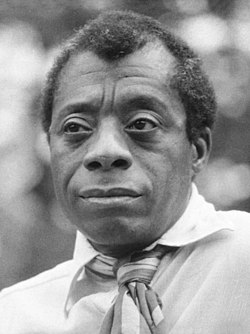
When Langston Hughes published "The Negro Speaks of Rivers" in 1921 — written at 17 on a train crossing the Mississippi — he announced a voice that American literature had not heard before: lyrical, proud, rooted in Black life and vernacular, unashamed of its origins. Over the next four decades, Hughes became the preeminent literary figure of the Harlem Renaissance and one of the most prolific writers of the twentieth century, producing poetry, novels, plays, columns, and memoirs that captured Black American experience with clarity and defiant joy.
Hughes grew up in the Midwest, largely raised by his grandmother after his parents separated, and arrived in New York City in 1921 at the height of the Harlem Renaissance. He worked as a busboy, a sailor, and a doorman while writing. His 1926 essay "The Negro Artist and the Racial Mountain" was a manifesto: Black artists should not aspire to whiteness, but celebrate what was distinctly and beautifully their own.
His jazz-inflected poetry brought the rhythms of Harlem clubs into literary form. His newspaper column featuring Jesse B. Semple — "Simple" — ran for 23 years in the Chicago Defender and became a beloved commentary on race, politics, and everyday Black life. When he died in 1967, his ashes were interred beneath the floor of the Schomburg Center for Research in Black Culture in Harlem — a floor inlaid with the opening line of "The Negro Speaks of Rivers."

| Born | February 1, 1902 — Joplin, Missouri |
| Died | May 22, 1967 — New York City |
| Genre | Poetry, fiction, drama, journalism |
| Associated With | Harlem Renaissance |
| Notable Works | "The Weary Blues" (1926), "Montage of a Dream Deferred" (1951) |
| Column | "Simple" (Jesse B. Semple), Chicago Defender, 1943–1966 |
| Date | February 1, 1902 – May 22, 1967 |
| Location | New York City (Harlem), New York |