Panama Canal
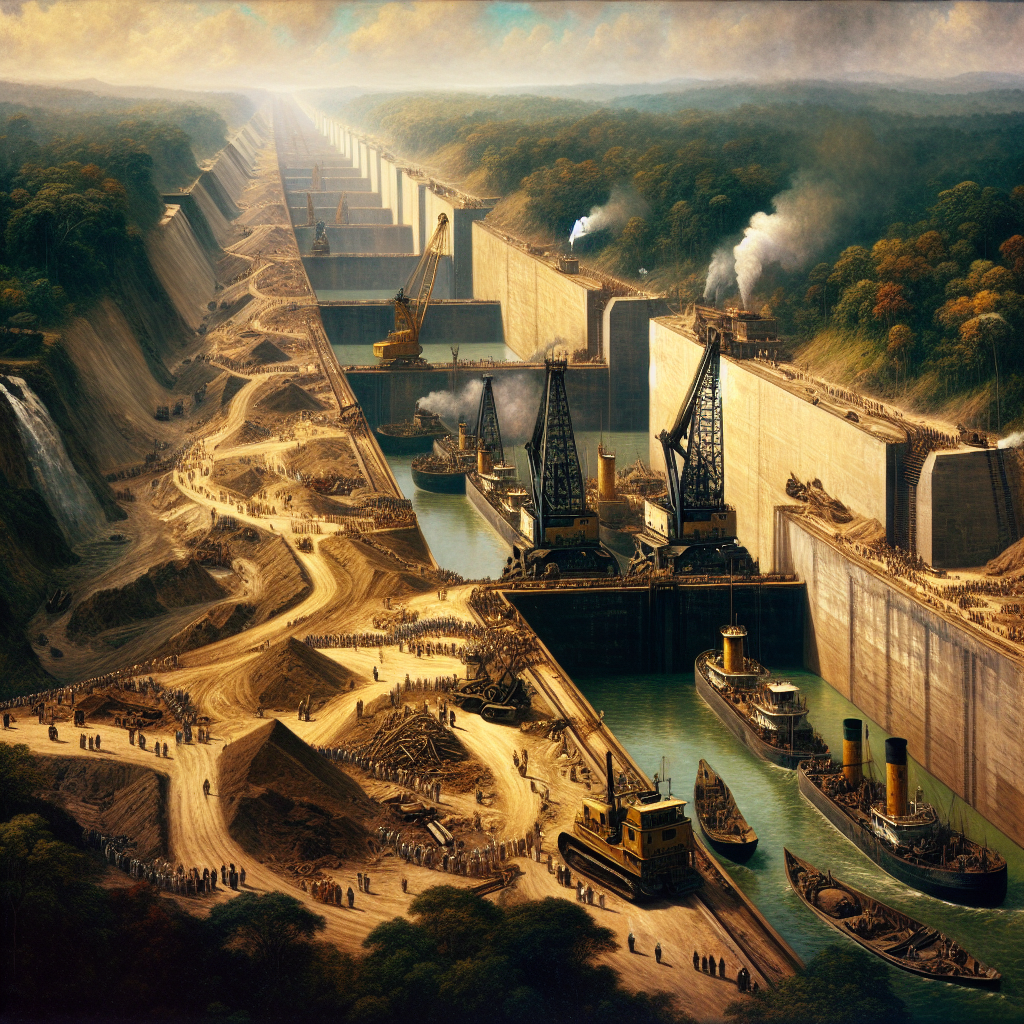
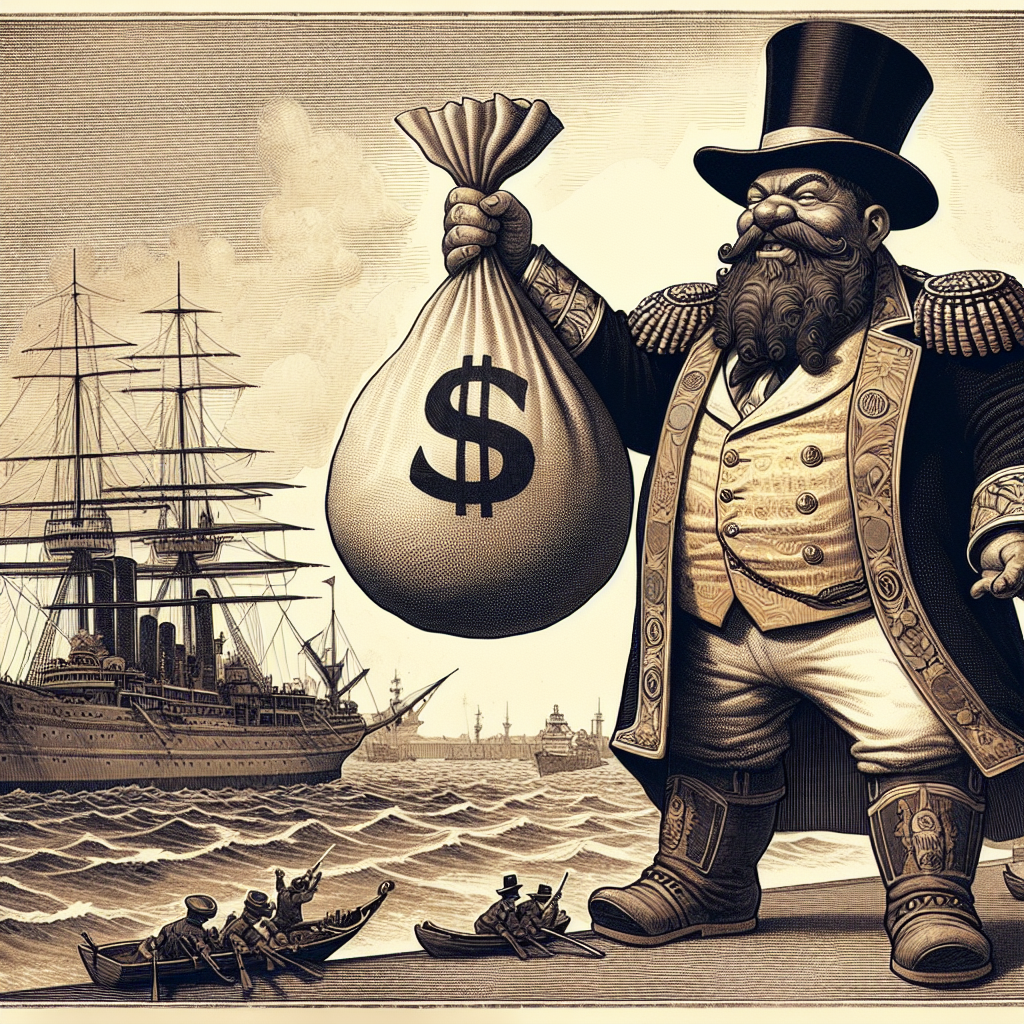
For four centuries, the Isthmus of Panama tantalized navigators with the prospect of a shortcut between oceans — and defeated every attempt to build one. The French, led by Ferdinand de Lesseps, tried in the 1880s and failed catastrophically, losing more than 22,000 workers to disease and an estimated $287 million before collapsing in bankruptcy and scandal. When the United States took over the project in 1904, it inherited not just jungle and mountains but the psychological wreckage of the most expensive engineering failure in history.
Theodore Roosevelt made the canal personal. He visited Panama in 1906 — the first sitting president to leave the country — and was photographed at the controls of a steam shovel, one of the era's defining images of American ambition. The engineering challenges were staggering: 230 million cubic yards of earth to move, the largest dam in the world to construct, and a mosquito problem that had killed the French. Dr. William Gorgas's sanitation campaign, which eliminated yellow fever from the Canal Zone entirely, made the rest possible. The canal opened on August 15, 1914 — two weeks after the outbreak of World War I, which ensured the event received a fraction of the attention it deserved.
A ship could now cross between oceans in hours rather than weeks. The journey from New York to San Francisco shrank from 14,000 miles around Cape Horn to 5,200 miles through Panama. The United States controlled that shortcut for 85 years, until transferring the canal to Panama on December 31, 1999 — a handover that was itself a subject of fierce American political debate throughout the 1970s.
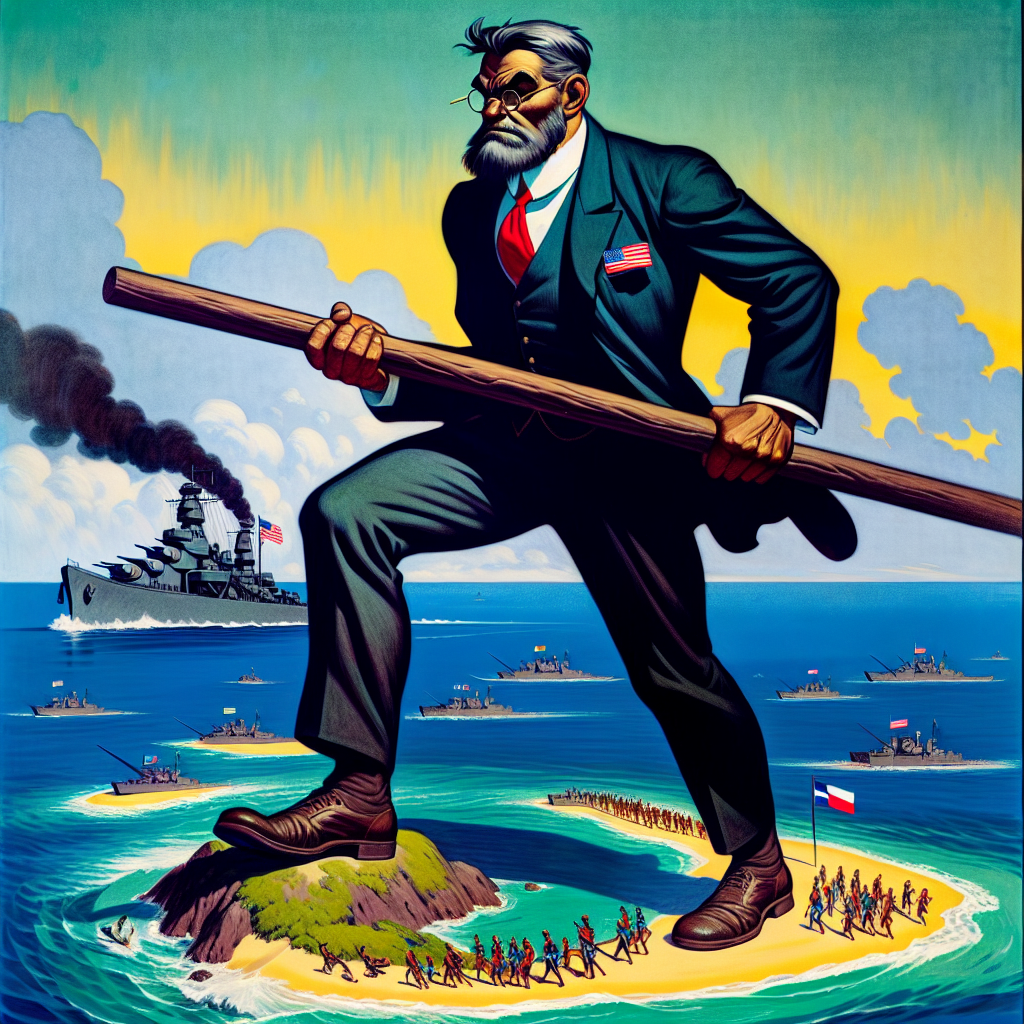
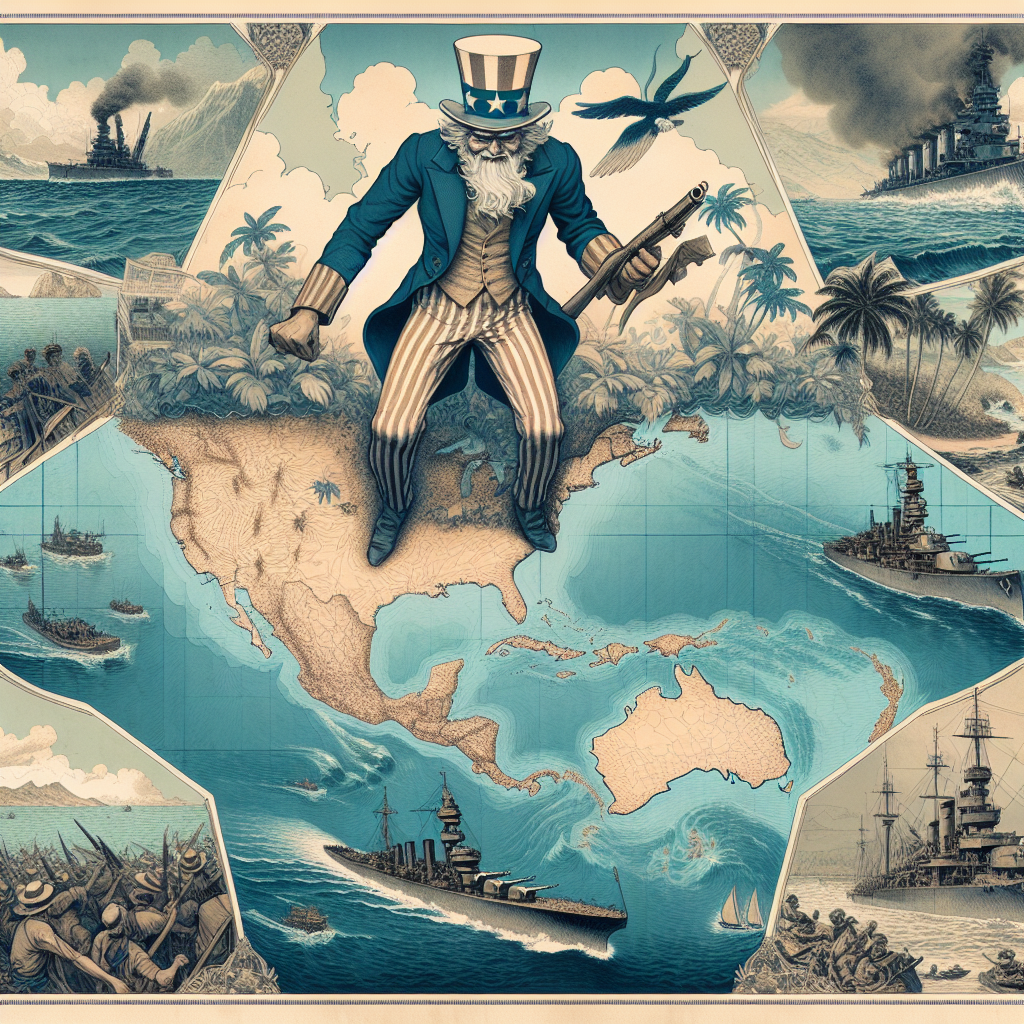
The canal's construction required the United States to first detach Panama from Colombia — a political operation Roosevelt orchestrated without embarrassment. A Panamanian revolution was encouraged, American warships materialized offshore to discourage Colombian intervention, and Colombia's objections were dismissed. Roosevelt himself later said, bluntly, "I took the Canal Zone." The episode became a case study in American power projection invoked by critics of U.S. policy in Latin America for the next hundred years.


| Length | 51 miles (82 km) |
| U.S. construction | 1904–1914 |
| Opened | August 15, 1914 |
| Peak workforce | ~45,000 workers |
| Deaths (U.S. phase) | ~5,600 |
| Transferred to Panama | December 31, 1999 |
| Annual ship transits | ~14,000 (today) |
| Date | Opened August 15, 1914 |
| Location | Panama Canal Zone |