Hawaii Territory
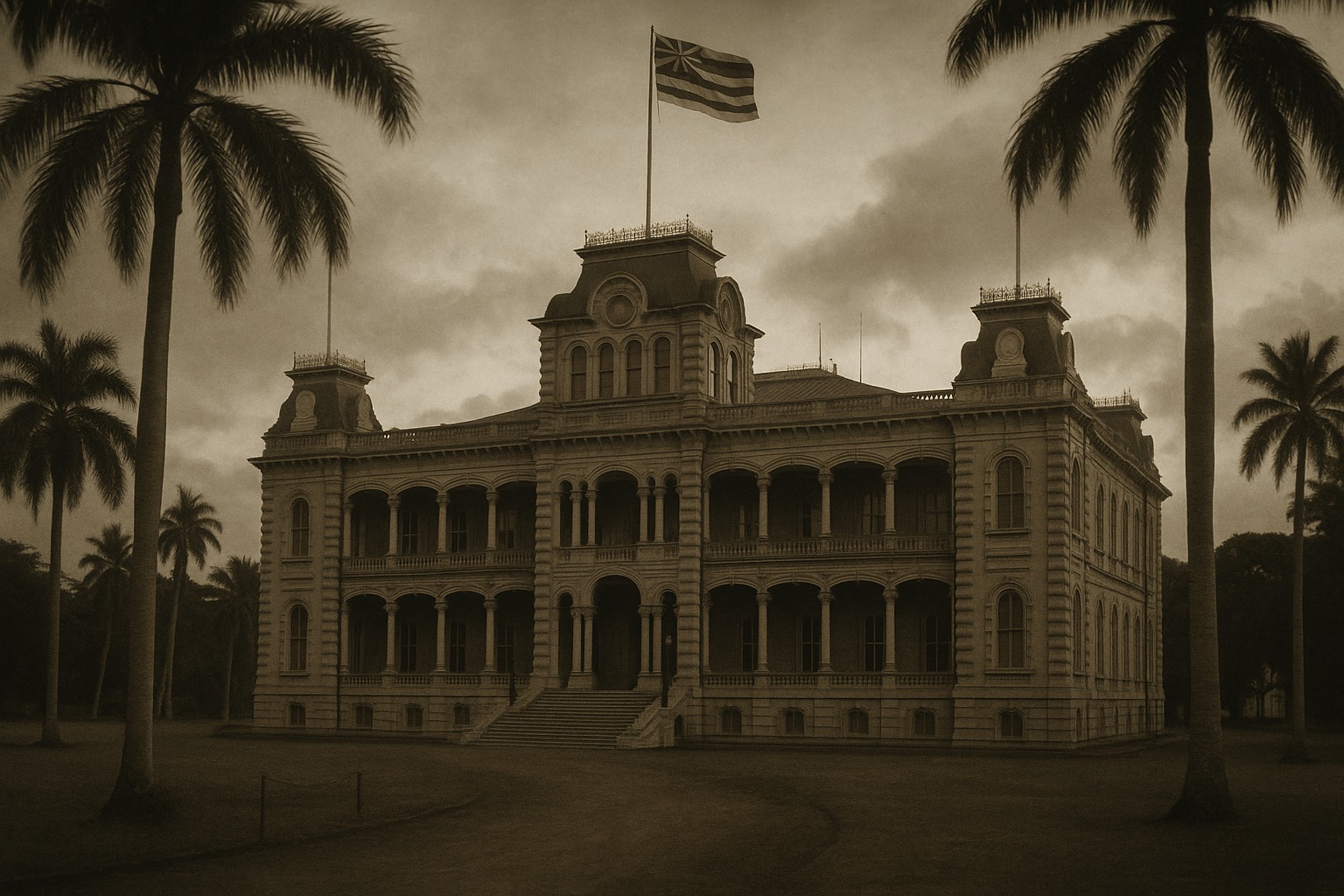
The Kingdom of Hawaii had been a recognized sovereign state for nearly a century when, on January 17, 1893, a committee of American sugar planters and businessmen — backed by U.S. Marines from the cruiser Boston, landed at the U.S. minister's request — deposed Queen Liliuokalani in a coup. The provisional government's stated reason was protection of American property; the actual reason was the McKinley Tariff of 1890, which had eliminated the duty advantage Hawaiian sugar held in U.S. markets and which annexation would restore. President Grover Cleveland, taking office two months later, investigated and concluded the coup had been illegal. He could not, however, force the planters to restore the queen.
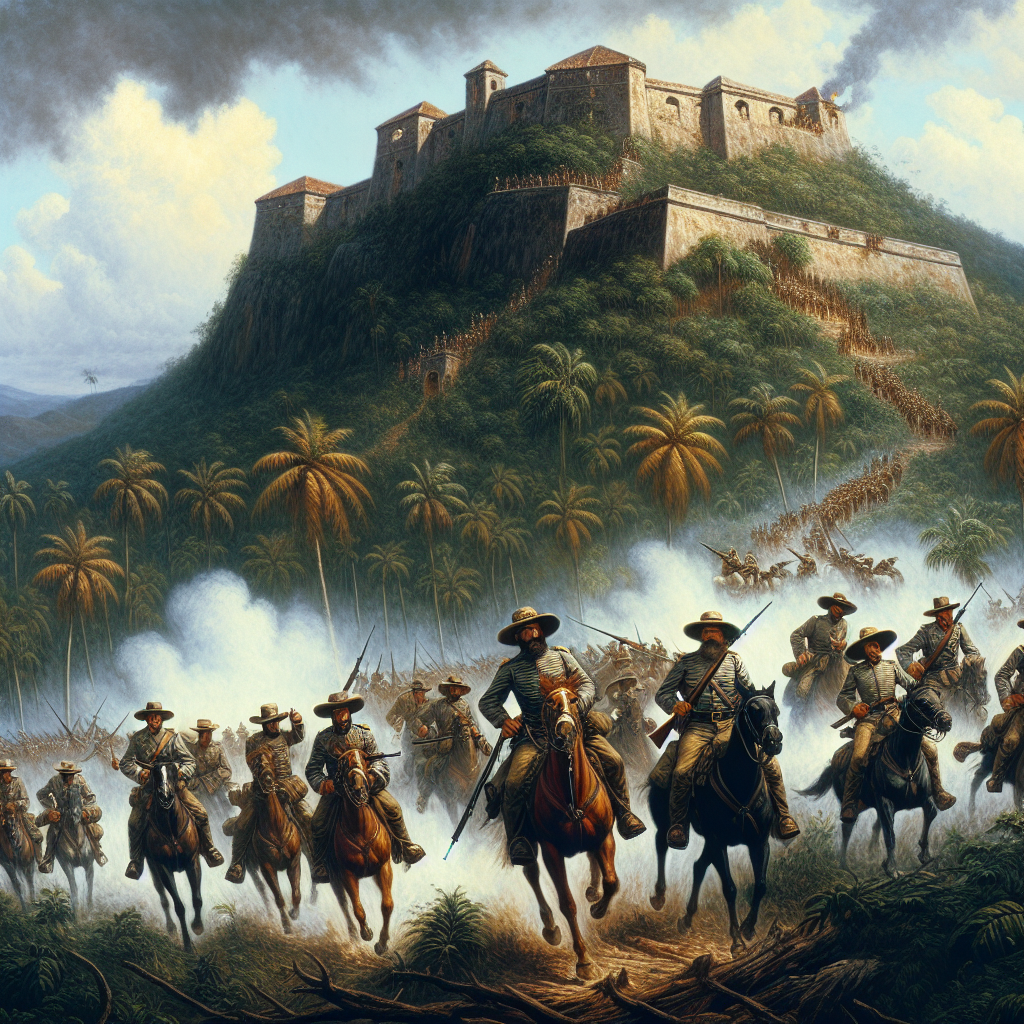
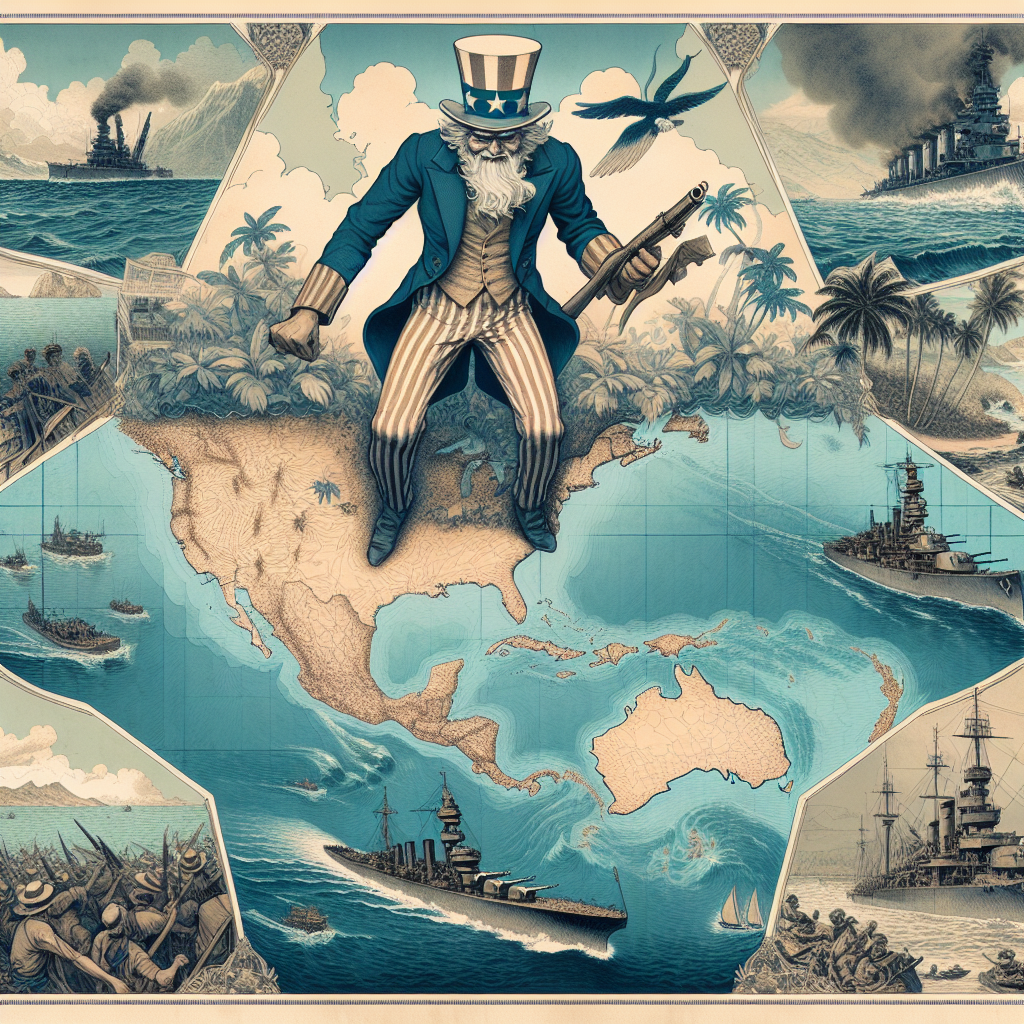
Annexation hung fire for five years. The Republic of Hawaii operated as an independent state with American backing; Liliuokalani lobbied Washington for restoration; native Hawaiians signed the Kūʻē Petitions of 1897 against annexation by majority. The Spanish-American War of 1898 settled the question. With a Pacific war suddenly under way, McKinley used a congressional joint resolution — a simple majority vote rather than the two-thirds treaty ratification annexation would normally require — to annex Hawaii on July 7, 1898. The Organic Act of 1900 formally established the Territory of Hawaii.
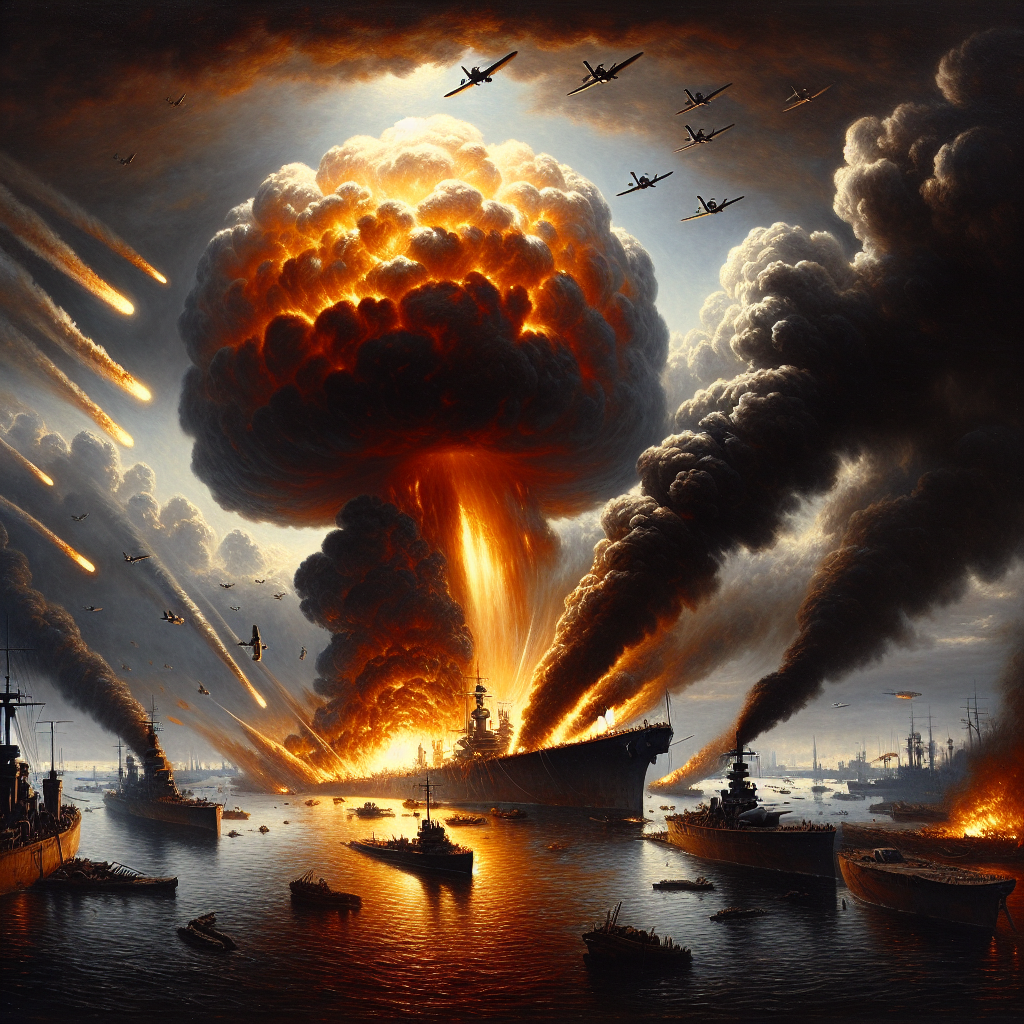
Hawaii spent 59 years as a U.S. territory before being admitted as the 50th state in August 1959. During that time the sugar and pineapple oligarchy known locally as the Big Five — Castle & Cooke, Alexander & Baldwin, C. Brewer, American Factors, and Theo H. Davies — ran the economy through interlocking directorates and a near-total grip on the territorial legislature. Pearl Harbor's 1941 attack and the territory's wartime imposition of martial law accelerated the case for statehood, as did the 442nd Infantry Regimental Combat Team, whose Japanese-American Hawaiian soldiers became the most decorated U.S. unit of the war. In 1993, Congress and President Clinton issued a formal apology for the 1893 overthrow.

| Kingdom overthrown | January 17, 1893 — Queen Liliuokalani deposed |
| Annexed | July 7, 1898 (Newlands Resolution) |
| Territory organized | Organic Act, April 30, 1900 |
| Statehood | August 21, 1959 (50th state) |
| Capital | Honolulu |
| Big Five | Castle & Cooke, Alexander & Baldwin, C. Brewer, American Factors, Theo H. Davies |
| Apology Resolution | Public Law 103-150 (1993) — formal U.S. apology |
| Date | Overthrow: January 17, 1893 · Annexed: July 7, 1898 · Statehood: August 21, 1959 |
| Location | Honolulu, Hawaii |