Pearl Harbor
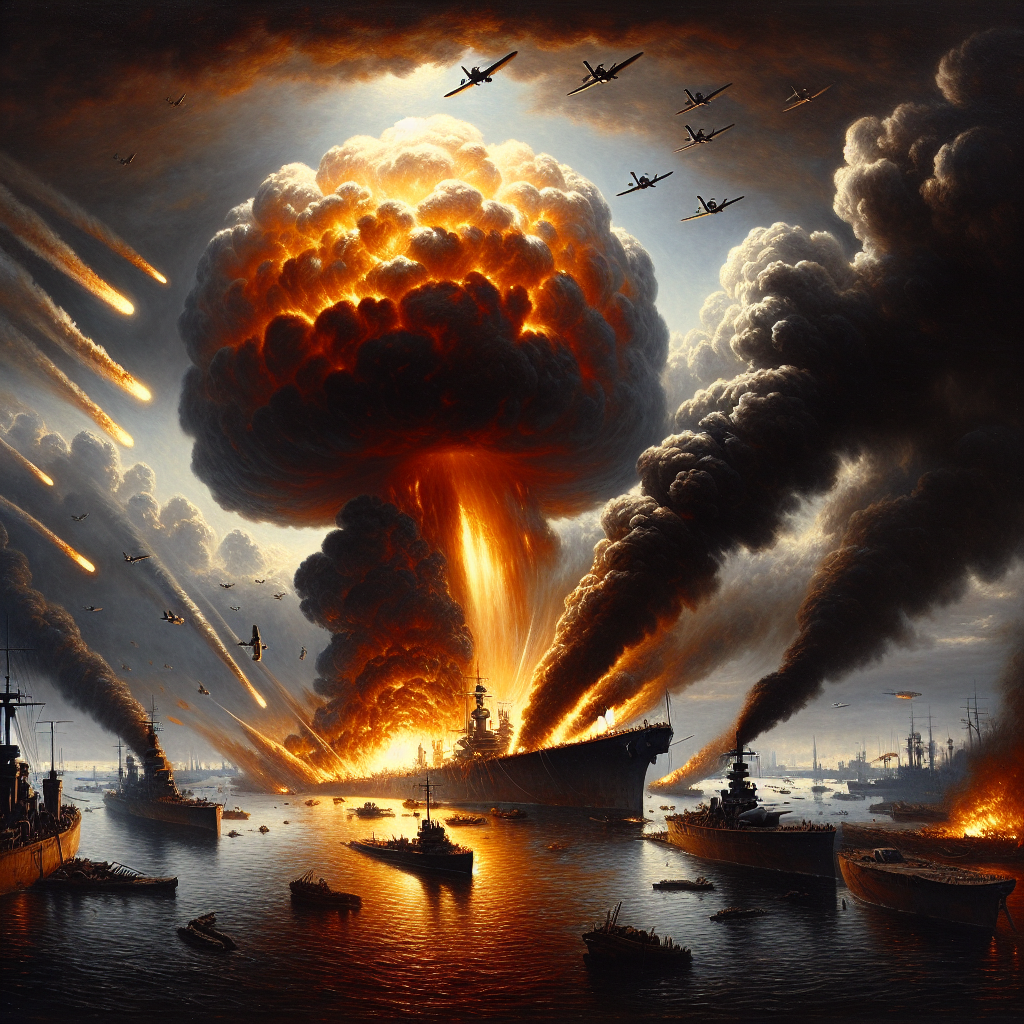
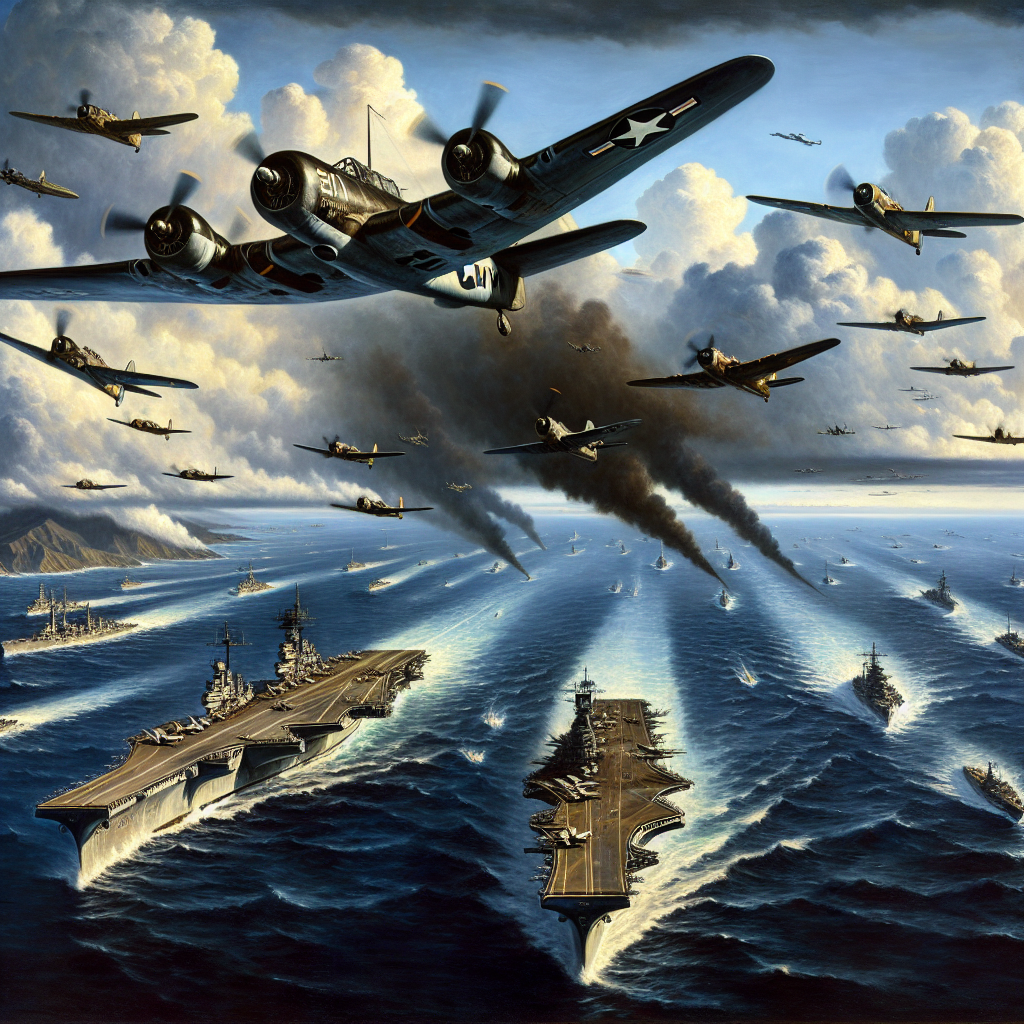
At 7:48 on the morning of December 7, 1941, the first wave of 183 Japanese aircraft swept over the island of Oahu and began the attack on the U.S. naval base at Pearl Harbor, Hawaii. Within two hours, 2,403 Americans were dead, 1,178 wounded, 21 ships sunk or damaged, and 347 aircraft destroyed or damaged. The battleship USS Arizona exploded when a bomb penetrated her forward ammunition magazine; she sank in nine minutes, entombing 1,177 sailors and Marines. Franklin Roosevelt called it "a date which will live in infamy." Congress declared war on Japan the following day, and three days later Germany and Italy declared war on the United States, resolving in 96 hours the debate that had paralyzed American foreign policy for two years.
Japan's strategic calculation was both rational and catastrophically wrong. Admiral Isoroku Yamamoto, who planned the attack and opposed the war, understood that Japan could not defeat the United States in a prolonged industrial conflict — his country's steel production was one-tenth of America's. The attack was designed to destroy the Pacific Fleet while diplomatic negotiations continued, buying time to consolidate Japan's empire in Southeast Asia and force a negotiated settlement. It achieved tactical surprise and destroyed significant tonnage. It missed the American aircraft carriers, which were at sea. And it united a politically divided American public with a speed and completeness that no amount of presidential rhetoric had managed, trading a temporary advantage for a permanent enemy.
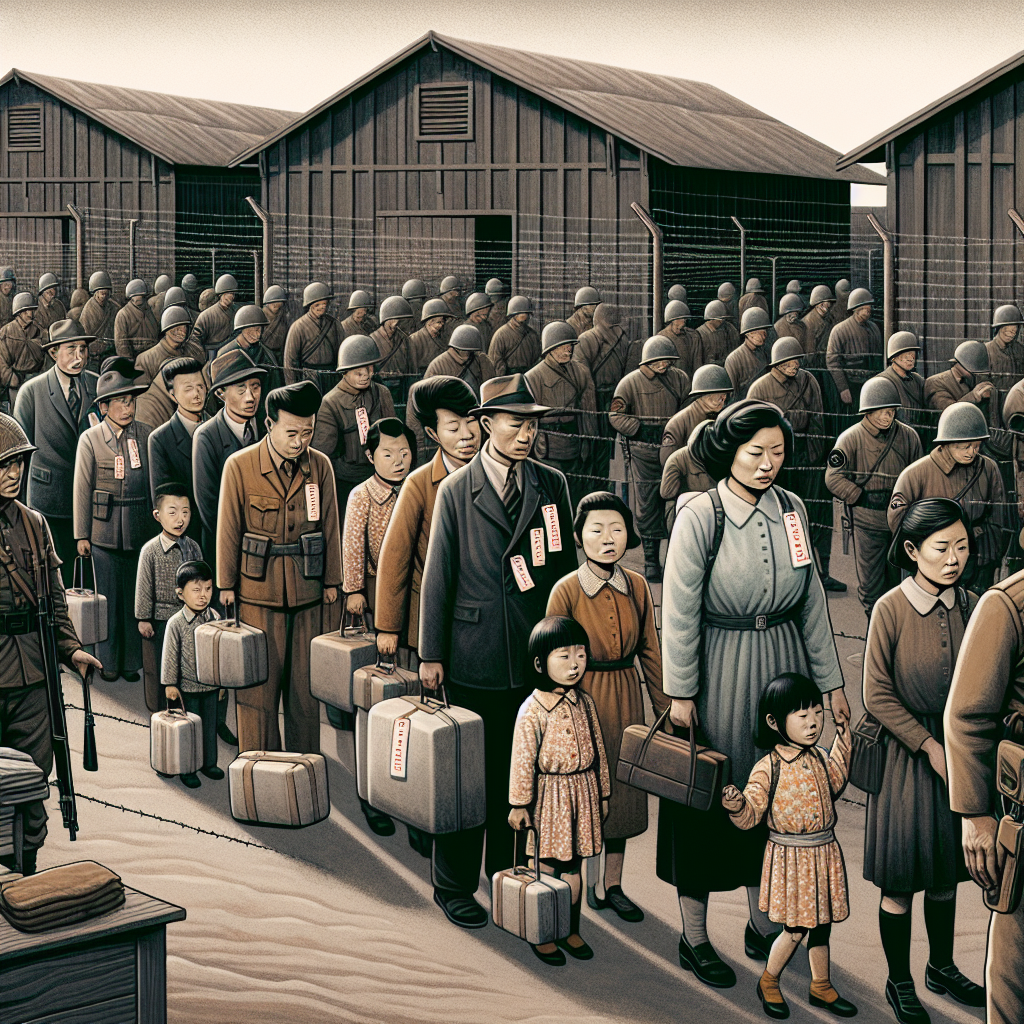
The attack's immediate domestic consequence was the internment of 120,000 Japanese Americans under Executive Order 9066, signed by Roosevelt in February 1942. Two-thirds were American citizens. None were ever charged with espionage or sabotage. The Supreme Court upheld the internment in Korematsu v. United States (1944), a ruling not formally repudiated until 2018. The U.S. government formally apologized and paid reparations to surviving internees under the Civil Liberties Act of 1988. The USS Arizona still lies where she sank; an estimated 900 of her crew remain entombed in the hull, which weeps oil into the harbor each day at a rate that will continue for decades.
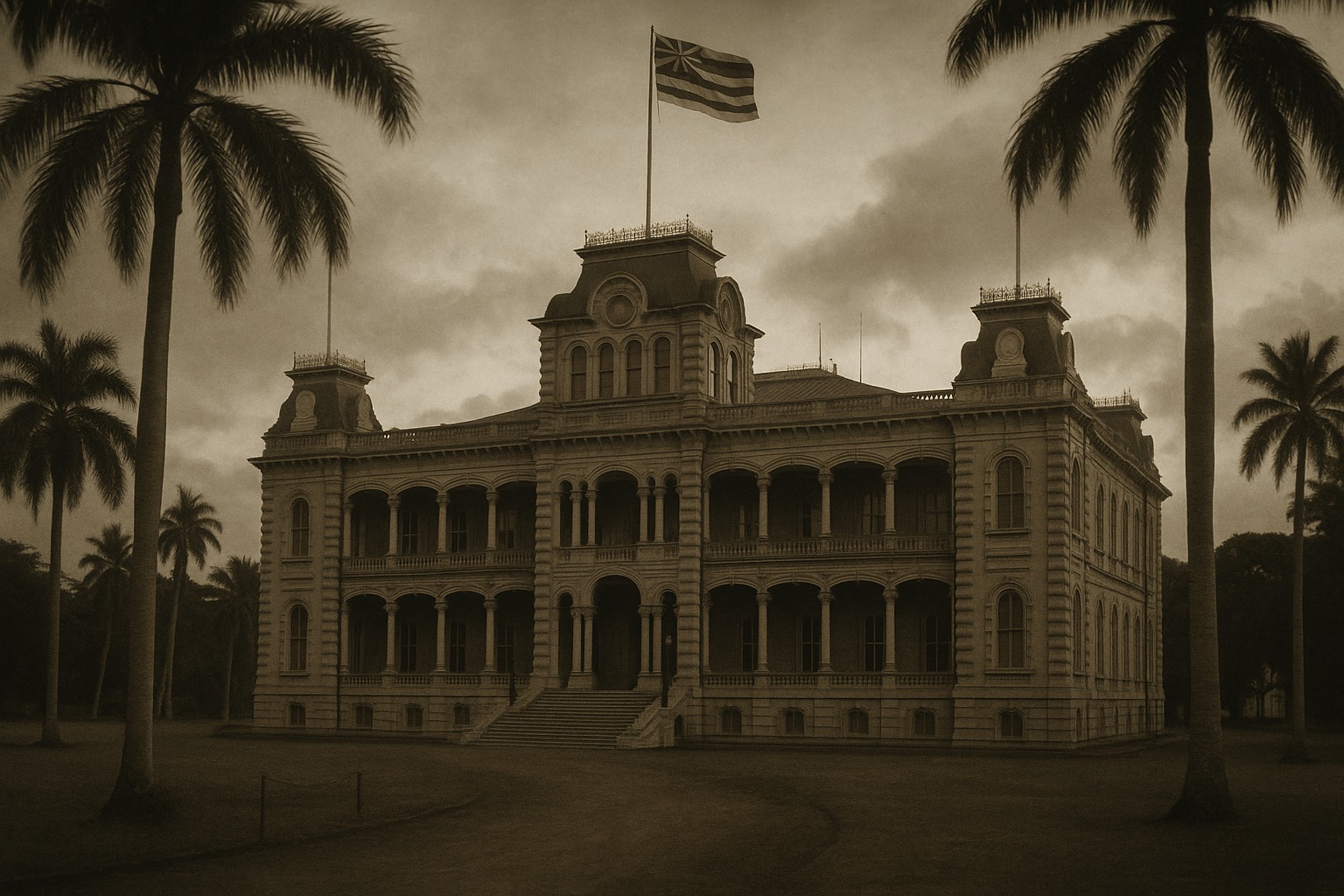
| Date | December 7, 1941 |
| Location | Pearl Harbor, Oahu, Hawaii |
| American deaths | 2,403 |
| American wounded | 1,178 |
| Ships damaged | 21 sunk or damaged |
| Aircraft destroyed | 347 |
| Japanese aircraft | 353 (two waves) |
| War declaration | December 8, 1941 |
| Date | December 7, 1941 |
| Location | Pearl Harbor, Hawaii |