McCarthyism
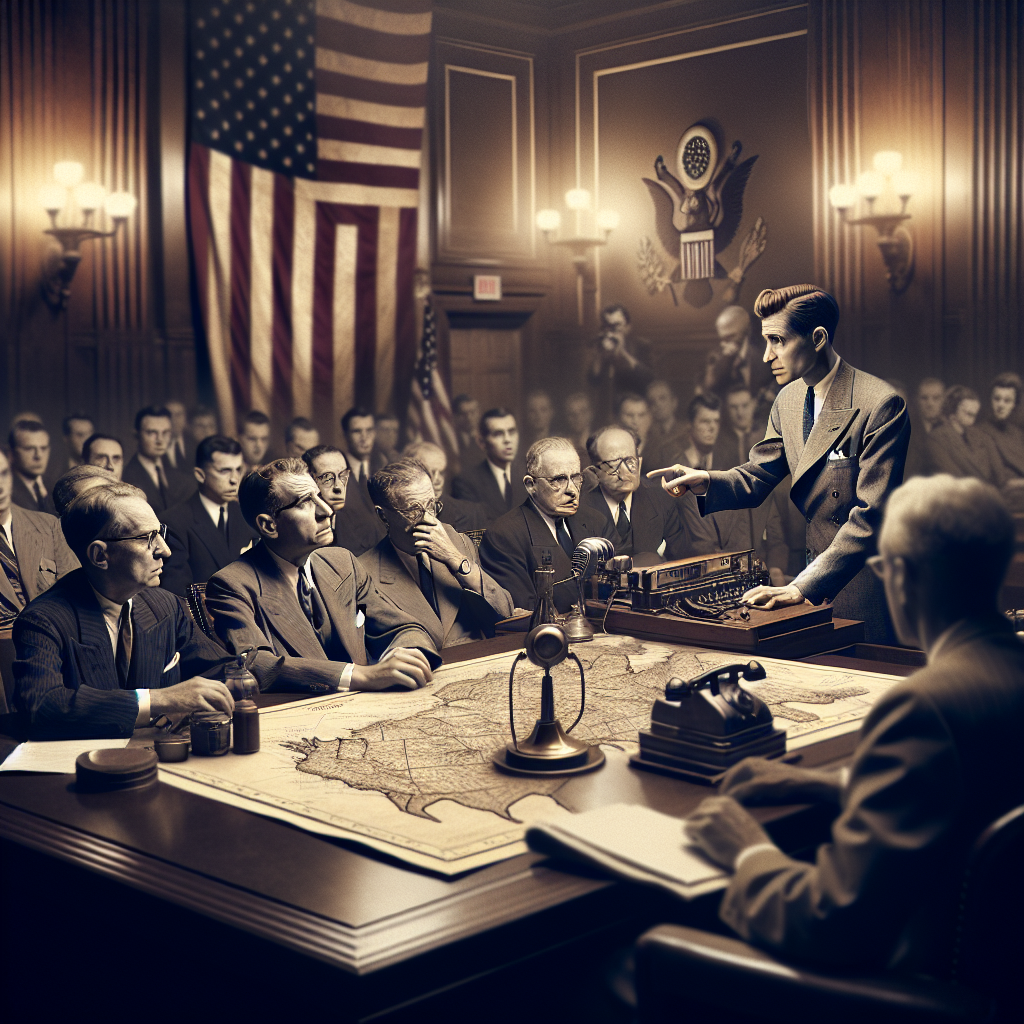
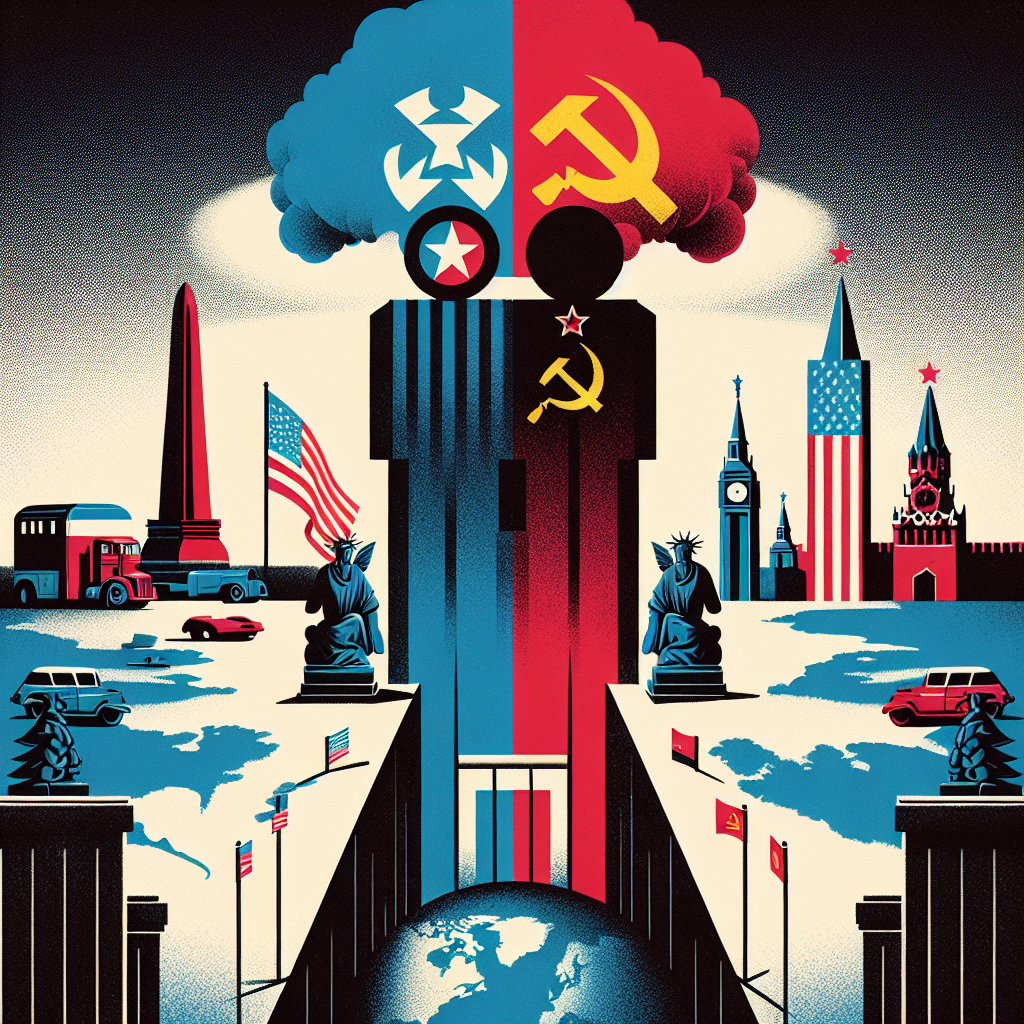
On February 9, 1950, Senator Joseph McCarthy of Wisconsin told a Republican women's club in Wheeling, West Virginia, that he had in his hand a list of 205 known communists working in the State Department. The number changed in subsequent speeches. No list was ever produced. No communists were ever identified through his investigations who had not already been identified through other means. None of that mattered, because McCarthy had located something real: a pervasive, bipartisan fear of communist infiltration that had been building since the Soviet atomic bomb test of 1949 and the fall of China to Mao's forces that same year. He rode that fear for four years.
McCarthyism — the use of accusation as weapon, evidence as irrelevance, and institutional fear as enforcement mechanism — predated McCarthy and survived him. The House Un-American Activities Committee had been investigating alleged communist influence in Hollywood since 1947, producing the Hollywood Ten and a blacklist that destroyed careers without trial. The Loyalty Review Board required federal employees to prove their innocence of vague charges. Julius and Ethel Rosenberg were executed in 1953 for passing nuclear secrets to the Soviets. The atmosphere of suspicion was institutional before McCarthy amplified it and remained after his censure.
McCarthy's downfall came in the Army-McCarthy hearings of 1954, televised nationally, in which Army counsel Joseph Welch finally asked the question millions of viewers had been thinking: "Have you no sense of decency, sir?" McCarthy had none visible, and the cameras showed it. The Senate censured him in December 1954. He died in office in 1957, of alcohol-related causes. The word he gave to a period of American life outlasted him — a generic descriptor for any campaign of political persecution through accusation — and the institutions of political repression he had exploited were dismantled slowly and unevenly over the decades that followed.
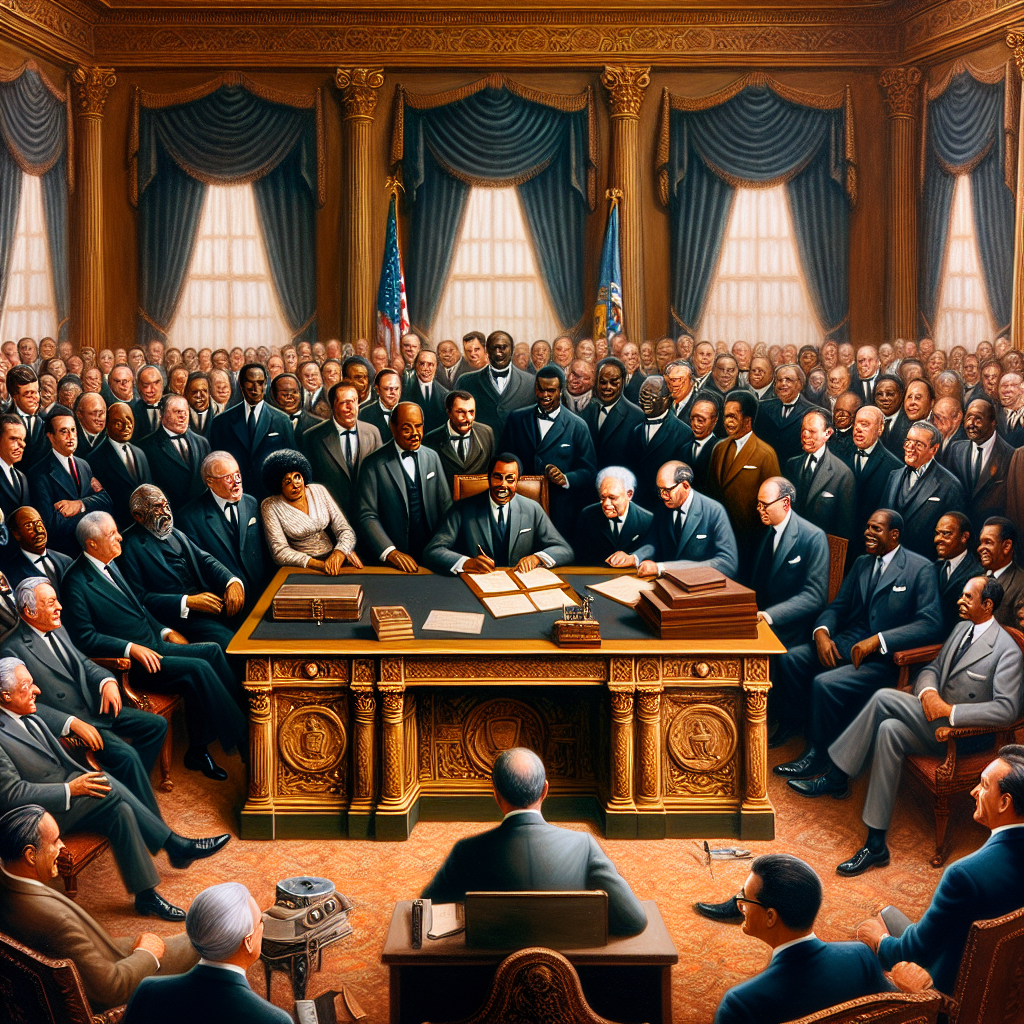
| Peak Period | 1950–1954 |
| Key Figure | Senator Joseph McCarthy (R-Wisconsin) |
| Senate Censure | December 2, 1954 |
| Key Body | House Un-American Activities Committee (HUAC), active 1938–1975 |
| Hollywood Blacklist | Hundreds of artists blacklisted; Hollywood Ten imprisoned |
| Rosenbergs | Julius and Ethel Rosenberg executed for espionage, June 19, 1953 |
| Downfall | Army-McCarthy Hearings, spring 1954 — televised nationally |
| Years | 1950–1954 |
| Location | Washington, D.C. |