Richard Nixon
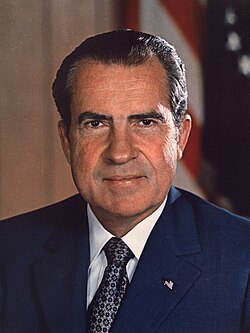
Richard Nixon is the most psychologically complex figure in the American presidency, a man of genuine accomplishment and catastrophic self-destruction whose political career traced a parabola so extreme that it strains the narrative conventions designed to contain it. He was red-baited his way to Congress in 1946, became Eisenhower's vice president at 39, lost the 1960 presidential election to Kennedy by the narrowest popular margin of the century, lost the 1962 California governorship and told the press it wouldn't have Nixon to kick around anymore, and then won the presidency six years later in one of the most stunning political comebacks in American history. He had more political lives than anyone since Andrew Jackson, and he used the last one to end his career in the only presidential resignation in American history.
The policy record is genuinely substantial and genuinely strange. Nixon opened diplomatic relations with China in 1972, ending 23 years of hostility in a week of summitry that only an anti-communist with Nixon's credentials could have engineered without being destroyed by his own party. He ended the draft and established the all-volunteer military. He signed the Clean Air Act, the Clean Water Act, and created the Environmental Protection Agency — achievements that would be impossible for any Republican president today. He withdrew from Vietnam, slowly and at enormous cost in lives, under the rubric of "Vietnamization." He imposed wage and price controls, took the country off the gold standard, and proposed a guaranteed minimum income that was more generous than anything a Democratic president has proposed since.
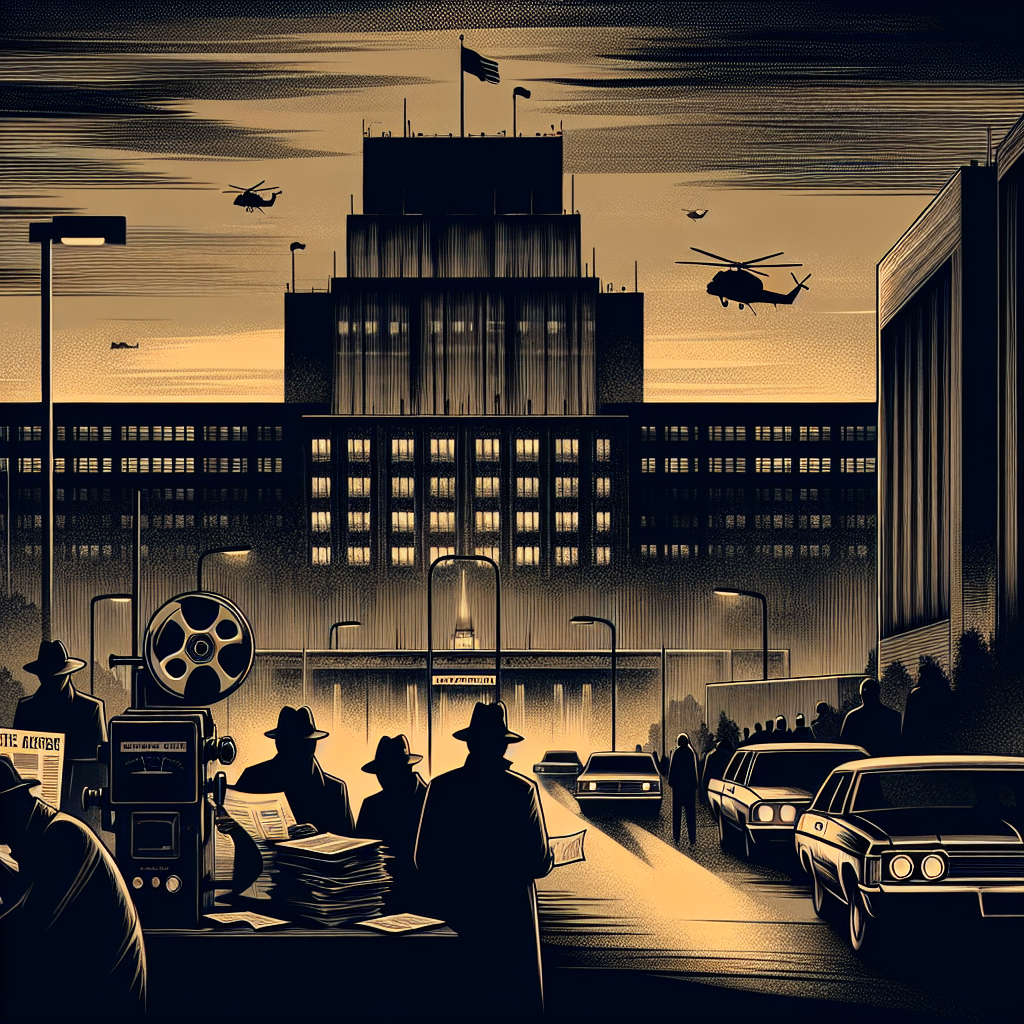
The Watergate break-in of June 17, 1972 — a bungled burglary of the Democratic National Committee's offices by operatives connected to Nixon's reelection campaign — would have been a minor embarrassment had Nixon not covered it up. The cover-up, directed from the Oval Office and captured on Nixon's own secret taping system, revealed a president who used the CIA, FBI, and IRS as instruments of political persecution and who obstructed justice with the same systematic energy he brought to everything else. The House Judiciary Committee approved three articles of impeachment in July 1974; Nixon resigned on August 9 before the full House could vote. Gerald Ford pardoned him a month later. The pardon may have cost Ford the 1976 election. The question of whether the pardon was right has never been resolved to anyone's satisfaction, which is fitting for a presidency that resolved almost nothing cleanly.

| Born | January 9, 1913 — Yorba Linda, California |
| Died | April 22, 1994 — New York City |
| Term | January 20, 1969 – August 9, 1974 |
| Party | Republican |
| Vice Presidents | Spiro Agnew (1969–73); Gerald Ford (1973–74) |
| Preceded by | Lyndon B. Johnson |
| Resignation | August 9, 1974 — only presidential resignation in history |
| Pardoned by | Gerald Ford, September 8, 1974 |
| Years | 1913–1994 |
| Location | Yorba Linda, California |