The Civil War: Causes, Battles, and Key Figures
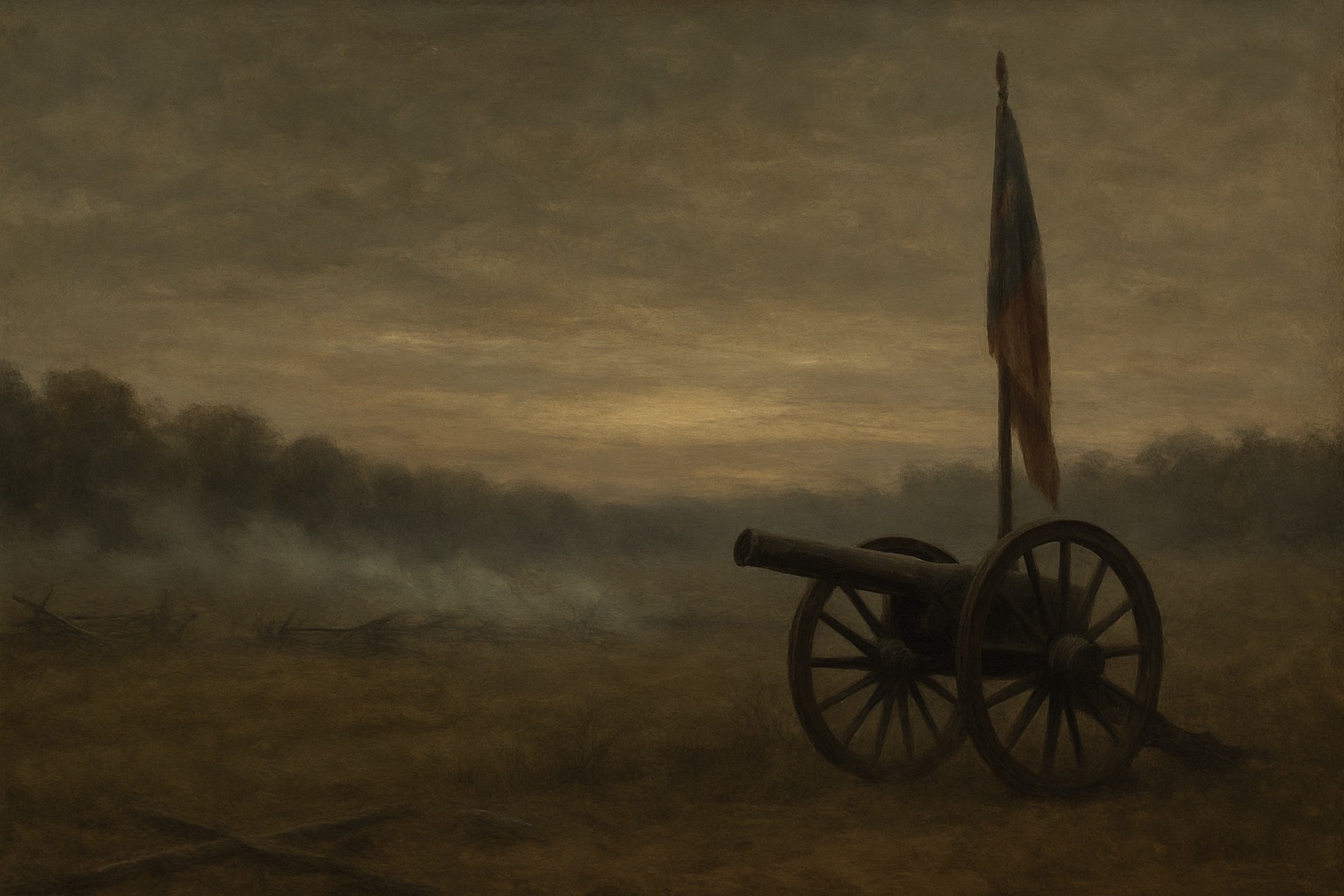
The Civil War was not an accident of 1861. It was the violent settlement of a question the founders had left open for four generations: whether a nation built on the proposition that all men are created equal could keep nearly four million people in bondage. When the slave states seceded rather than accept a president opposed to slavery's expansion, the argument moved from the Senate floor to the battlefield — and 750,000 Americans did not come home.
This guide works through the war in layers: the overview, the causes that made it nearly inevitable, the generals and presidents who led it, the battles that decided it, the words and orders that gave it meaning, and the uneasy peace that followed. Each links to a full account. Together they trace how a war to preserve the Union became a war to end slavery — and why its questions outlived the fighting.
Start here for the war in full - its causes, its course, and its consequences in a single account. The sections that follow break that story into its parts.
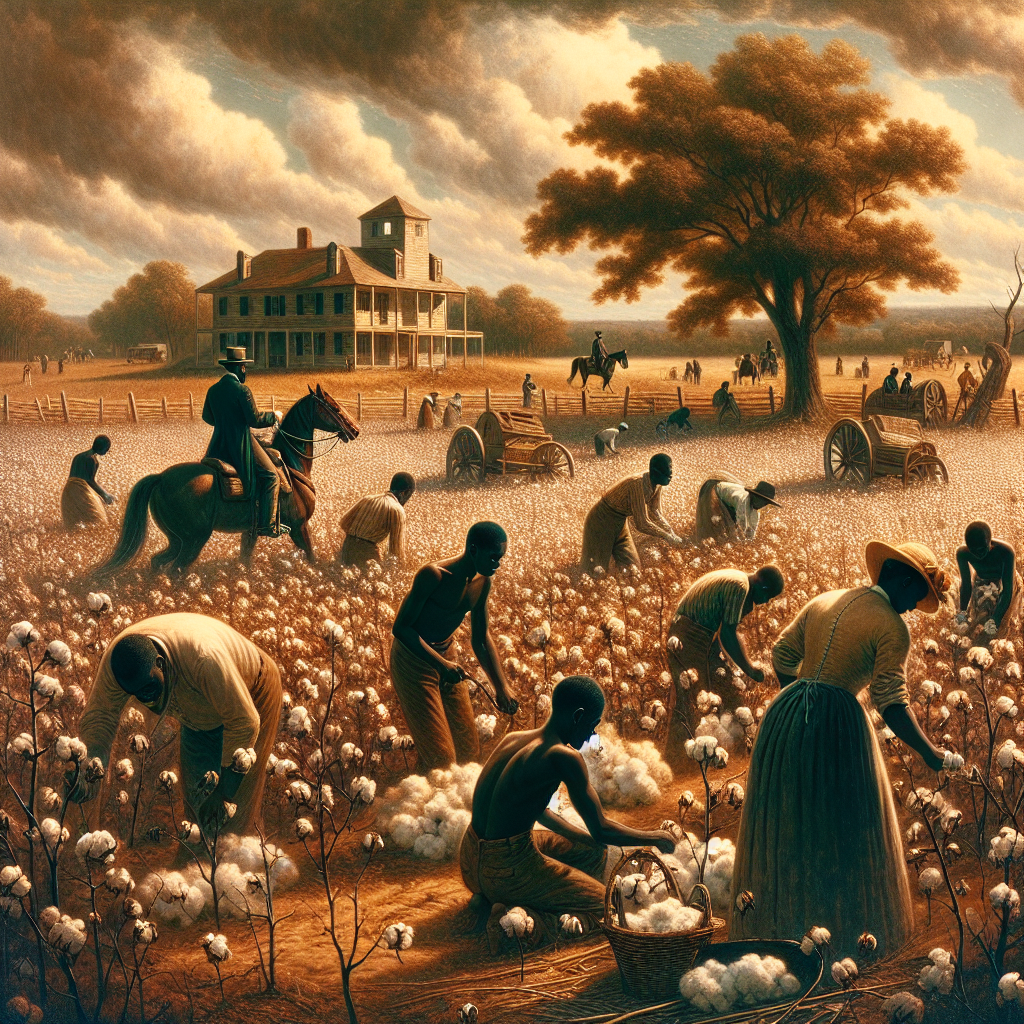
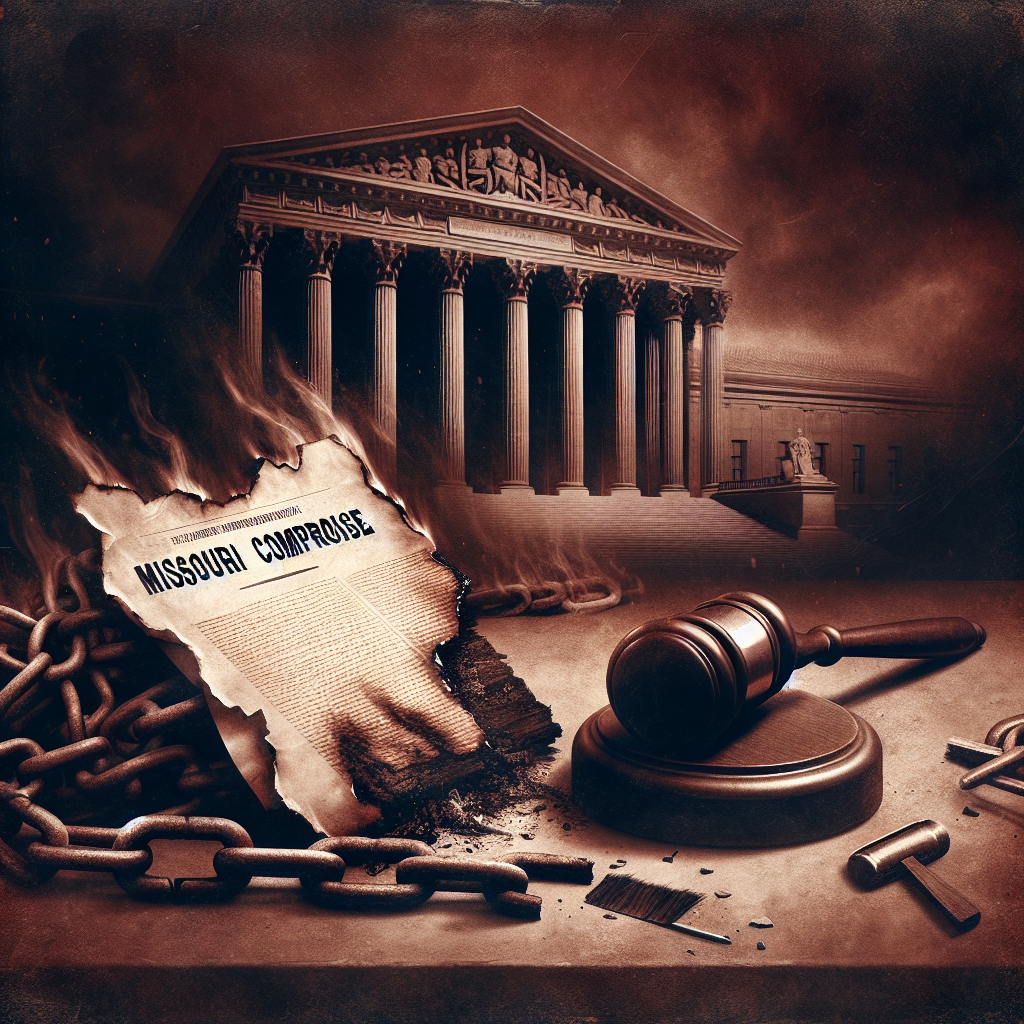
The war was decades in the making. These entries trace the slow collapse of every compromise meant to hold slavery's expansion in check, until the election of an antislavery president drove the Southern states to secede.

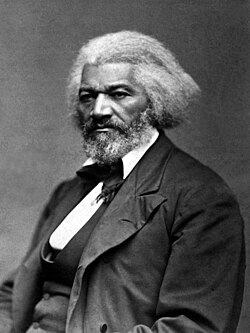
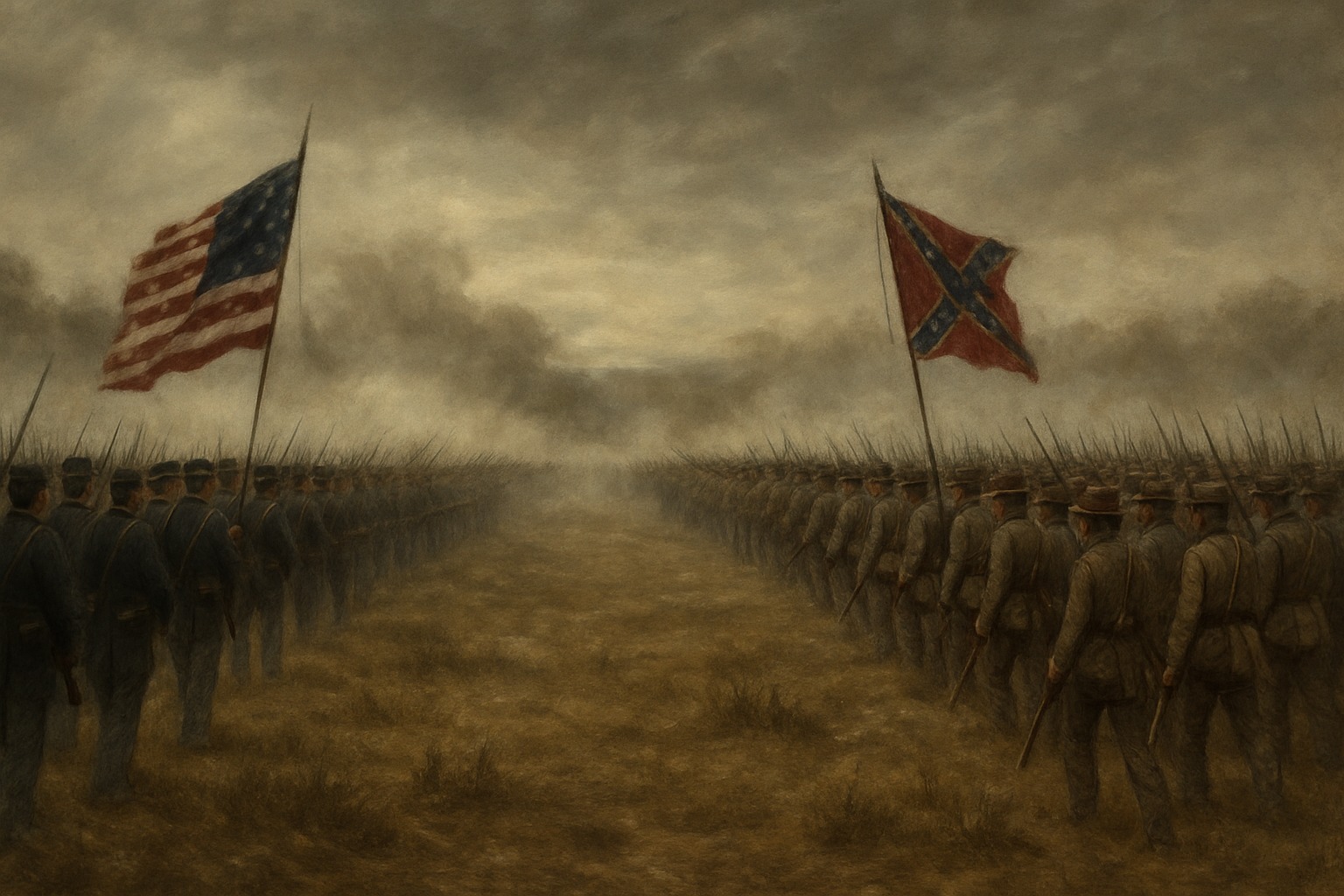
Wars are shaped by the people who lead them. Here are the presidents who set the war's aims and the generals on both sides who tried to win it - the rival commands whose decisions determined how long the fighting lasted and how it ended.
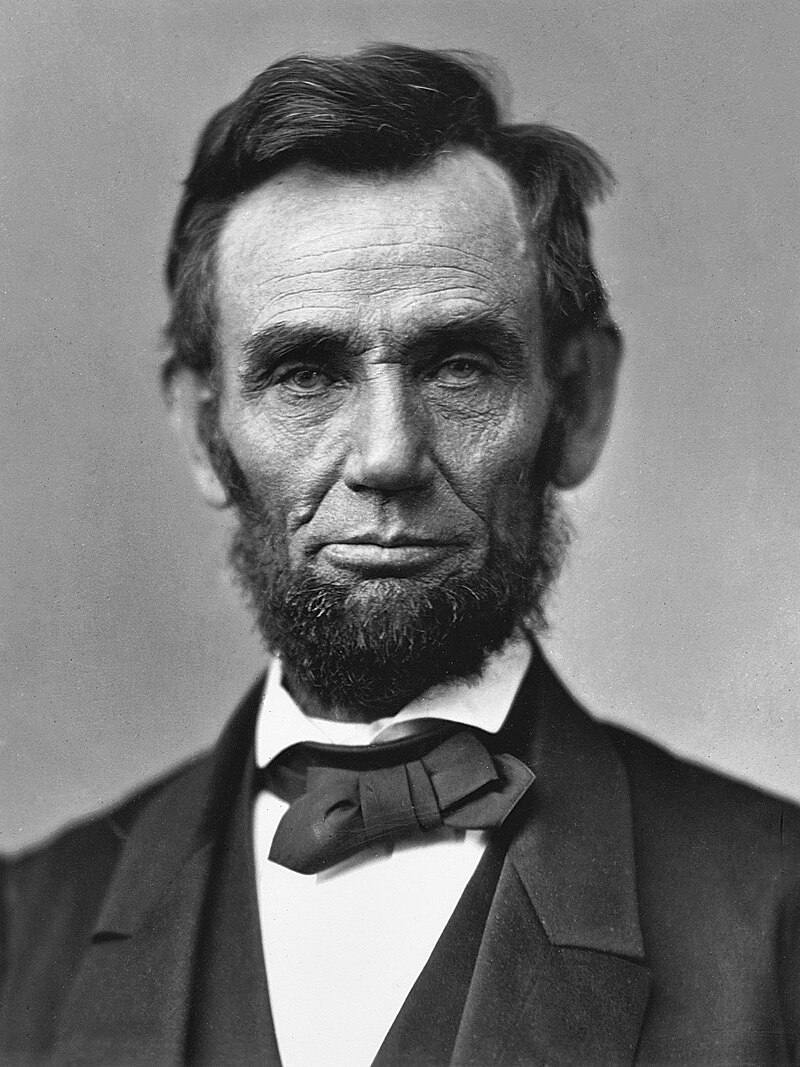
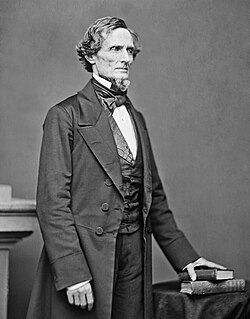
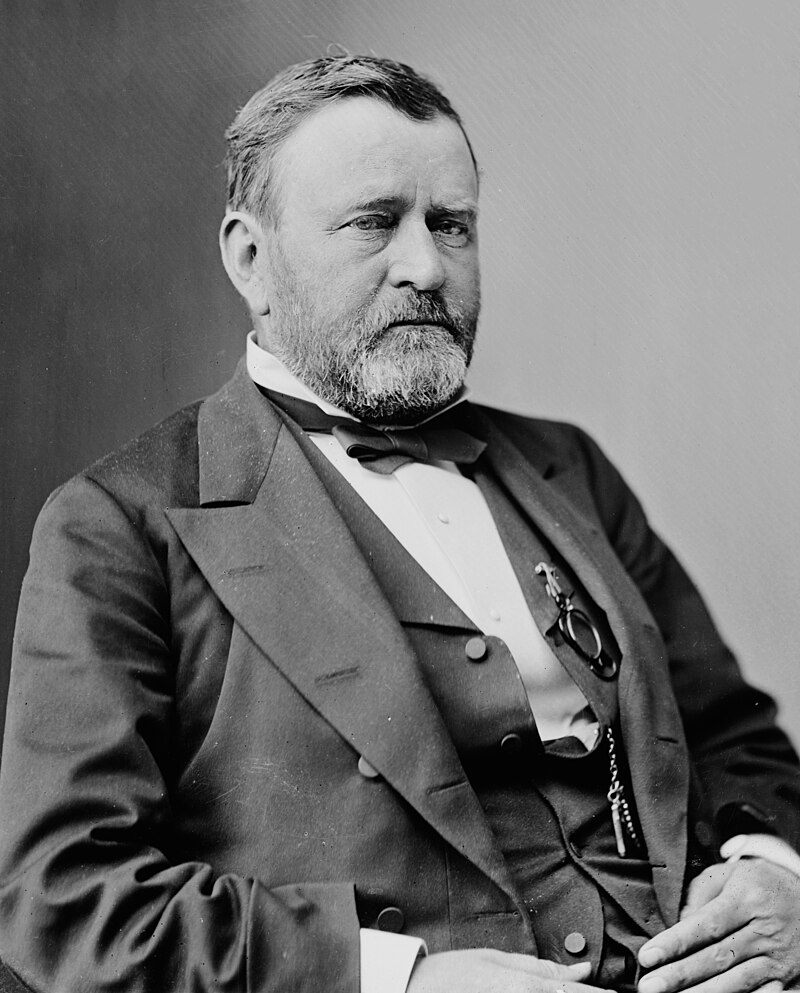
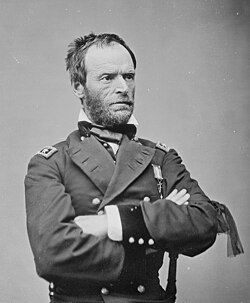
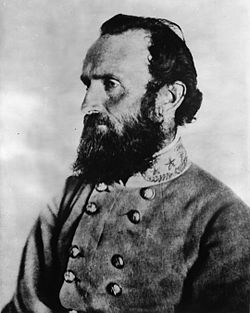
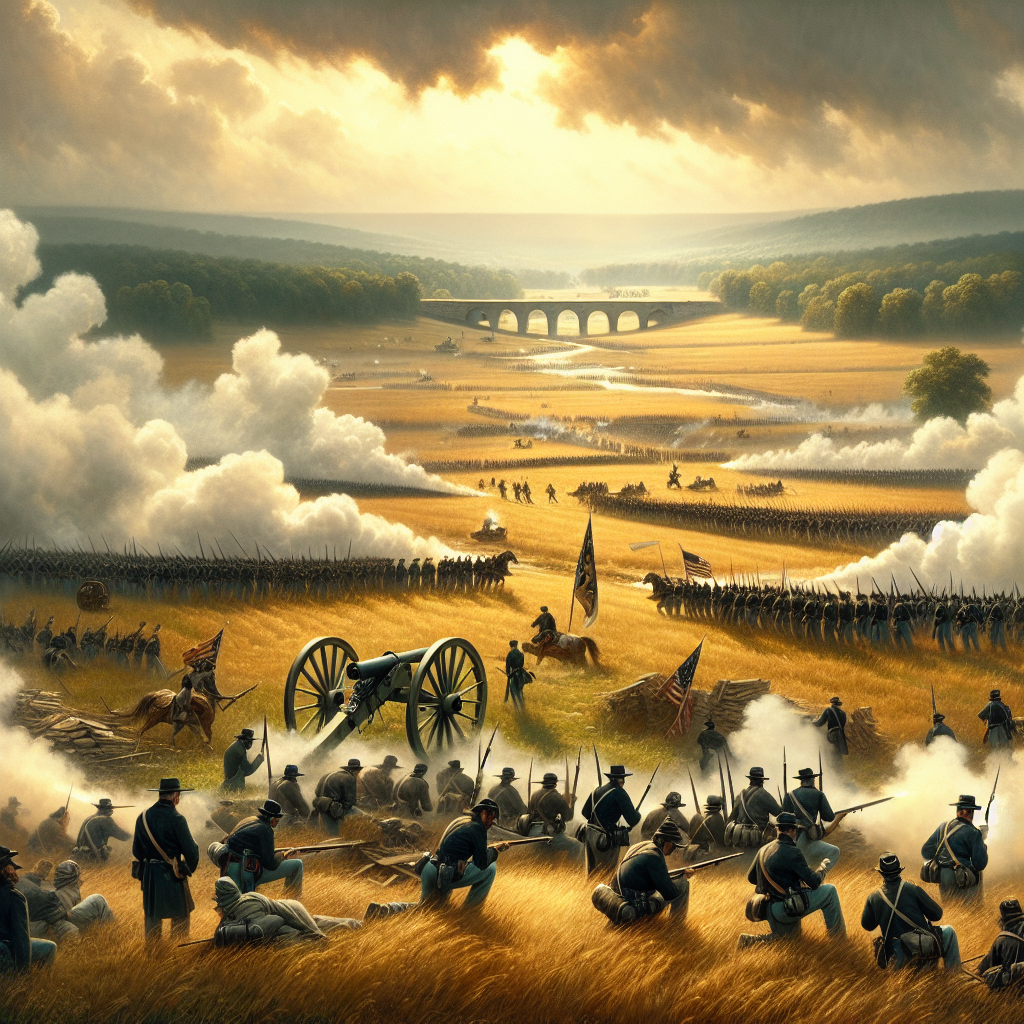
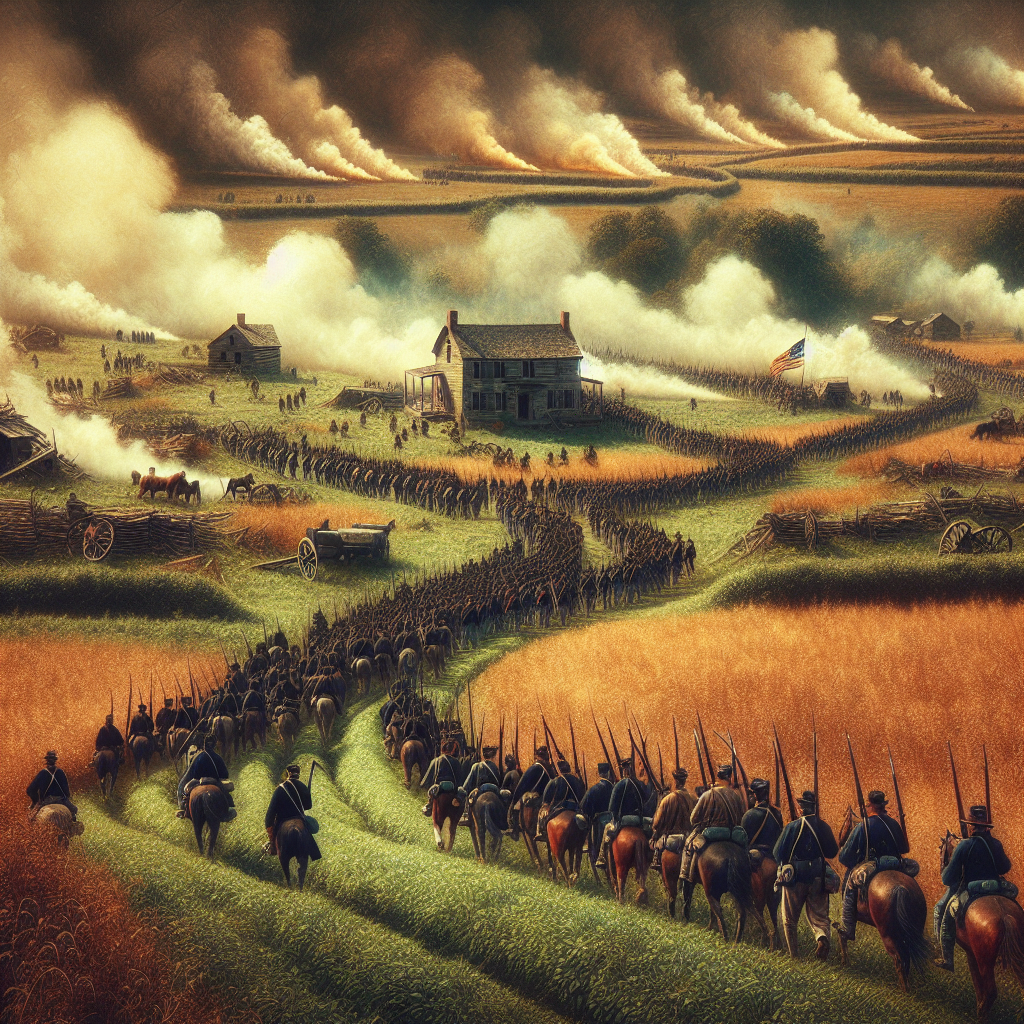
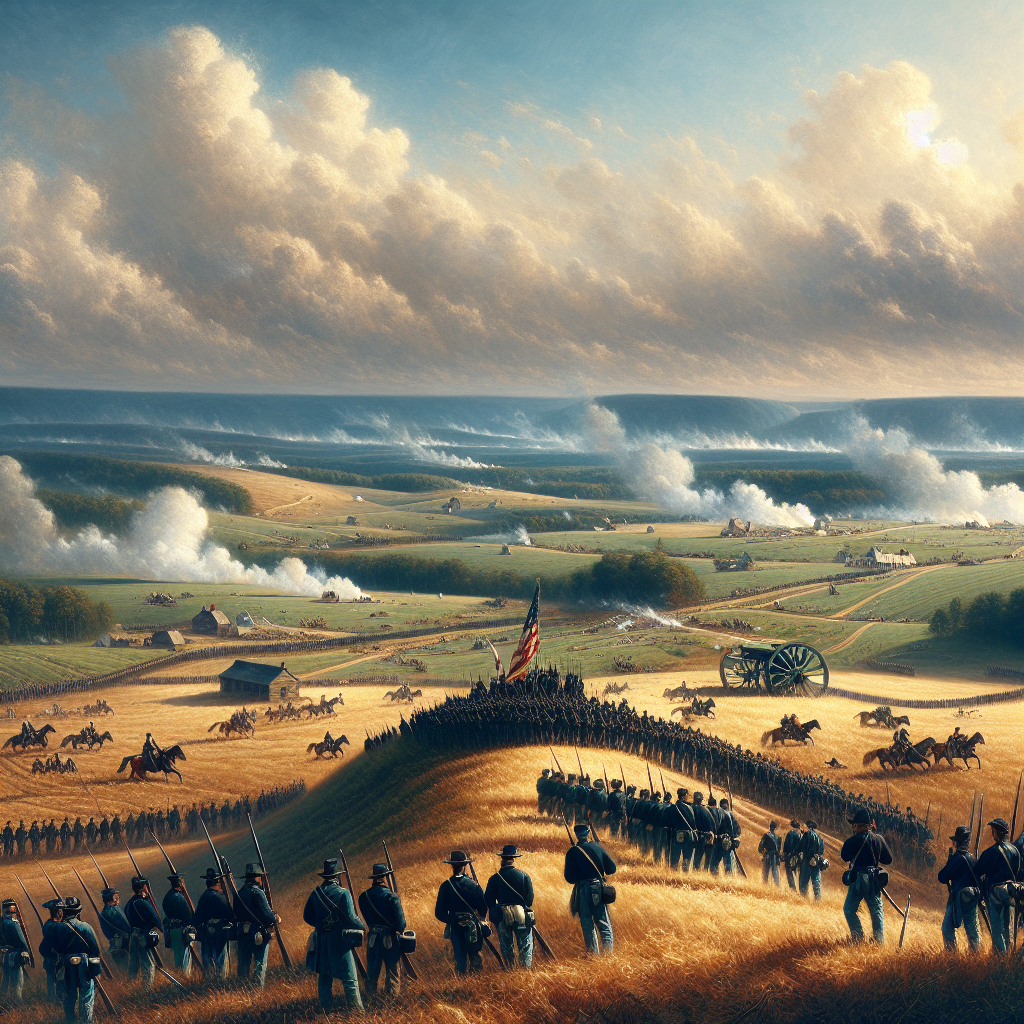
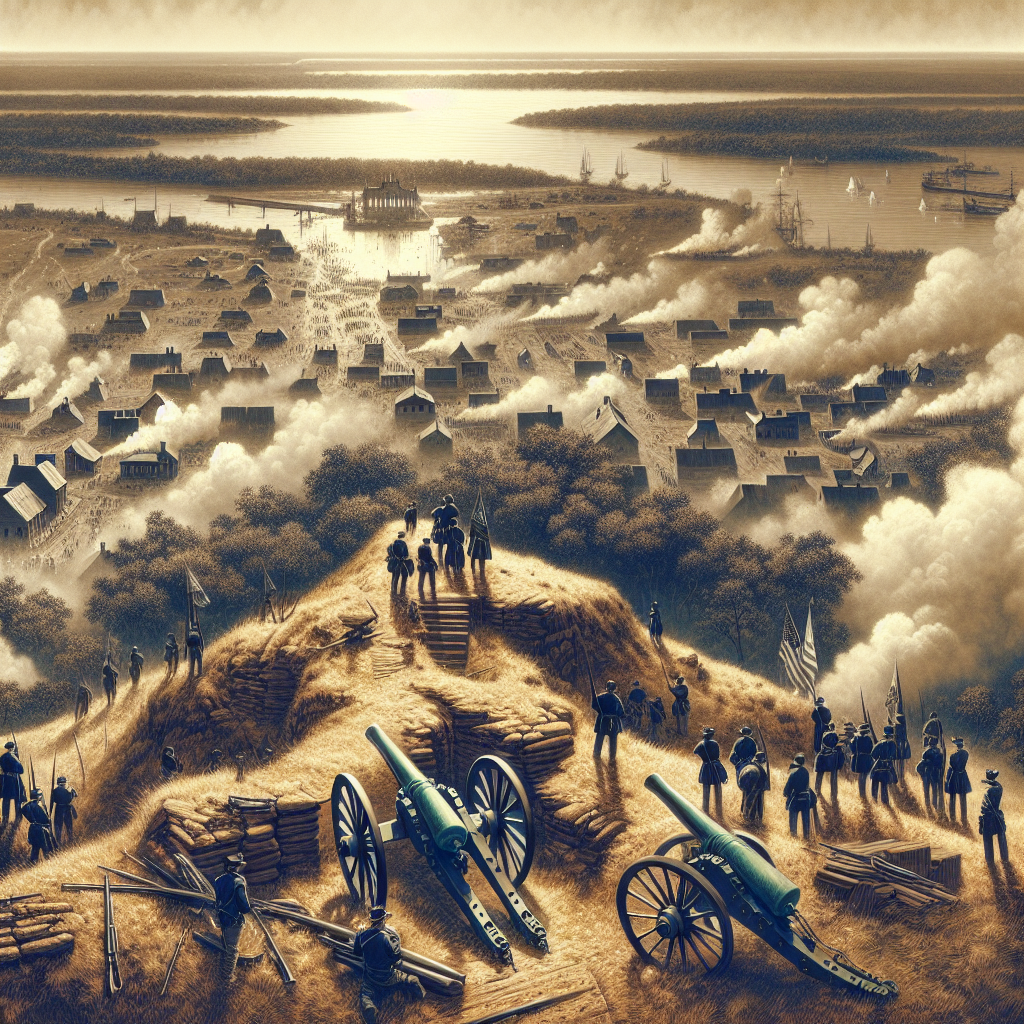
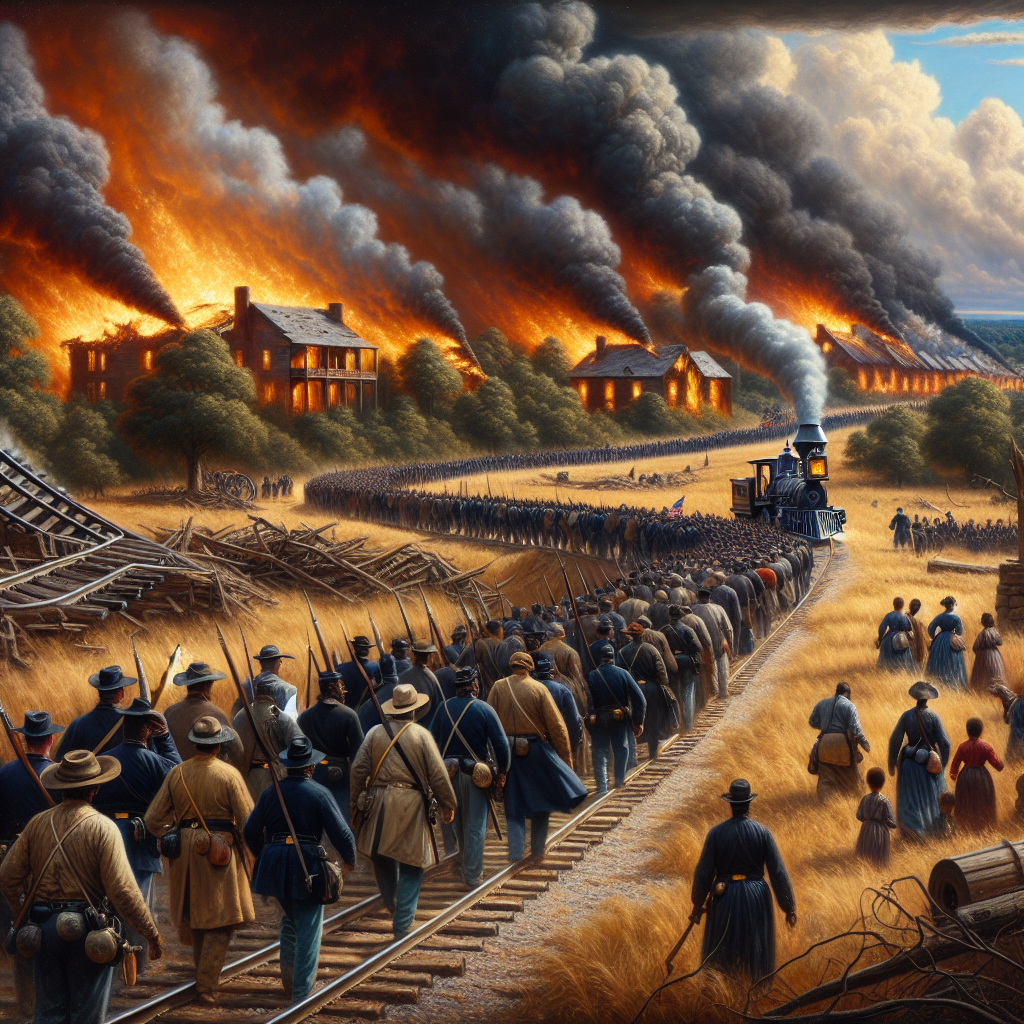
The war was decided on its battlefields. These were the engagements that turned the tide - the costliest days, the failed invasions, and the campaigns that finally broke the Confederacy's ability to fight.
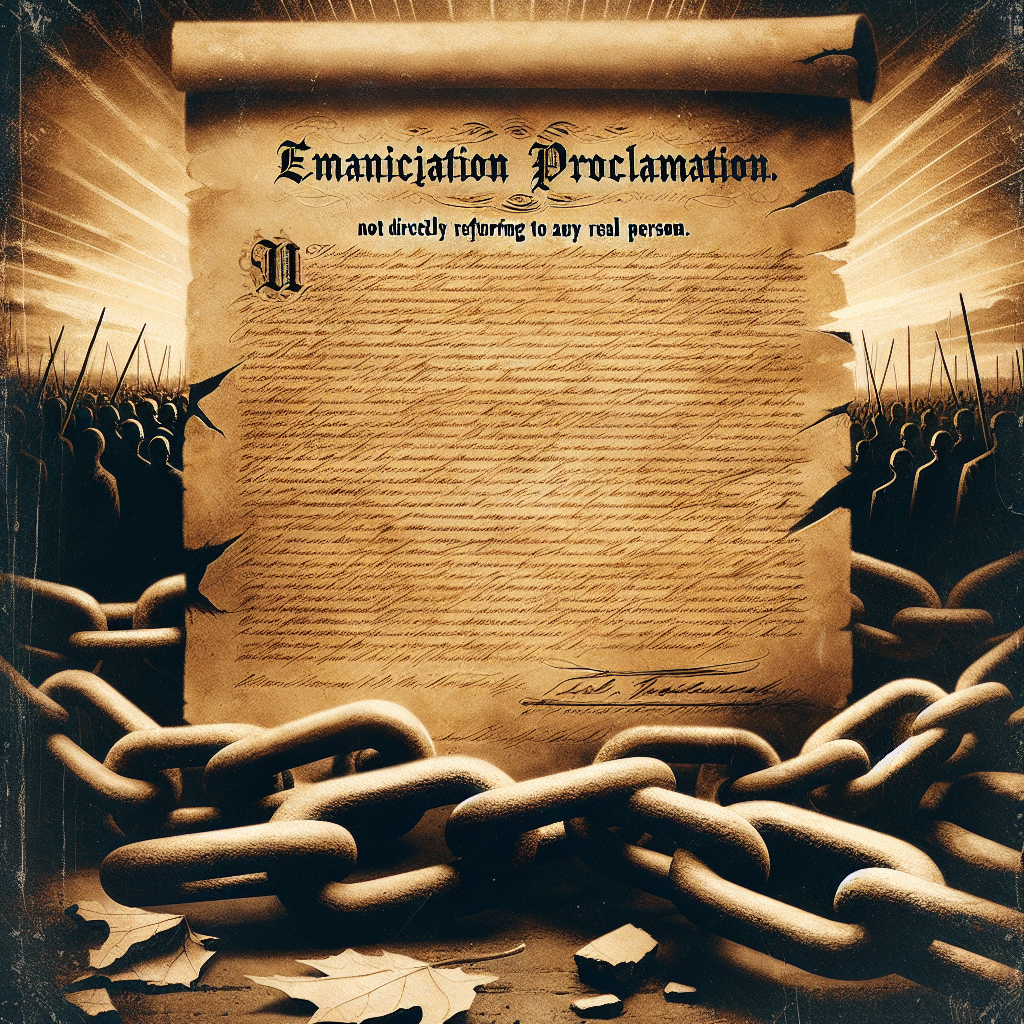
What began as a war to preserve the Union became a war to end slavery. The documents and declarations here mark that shift - the moment the conflict acquired a moral purpose that outlasted the fighting.
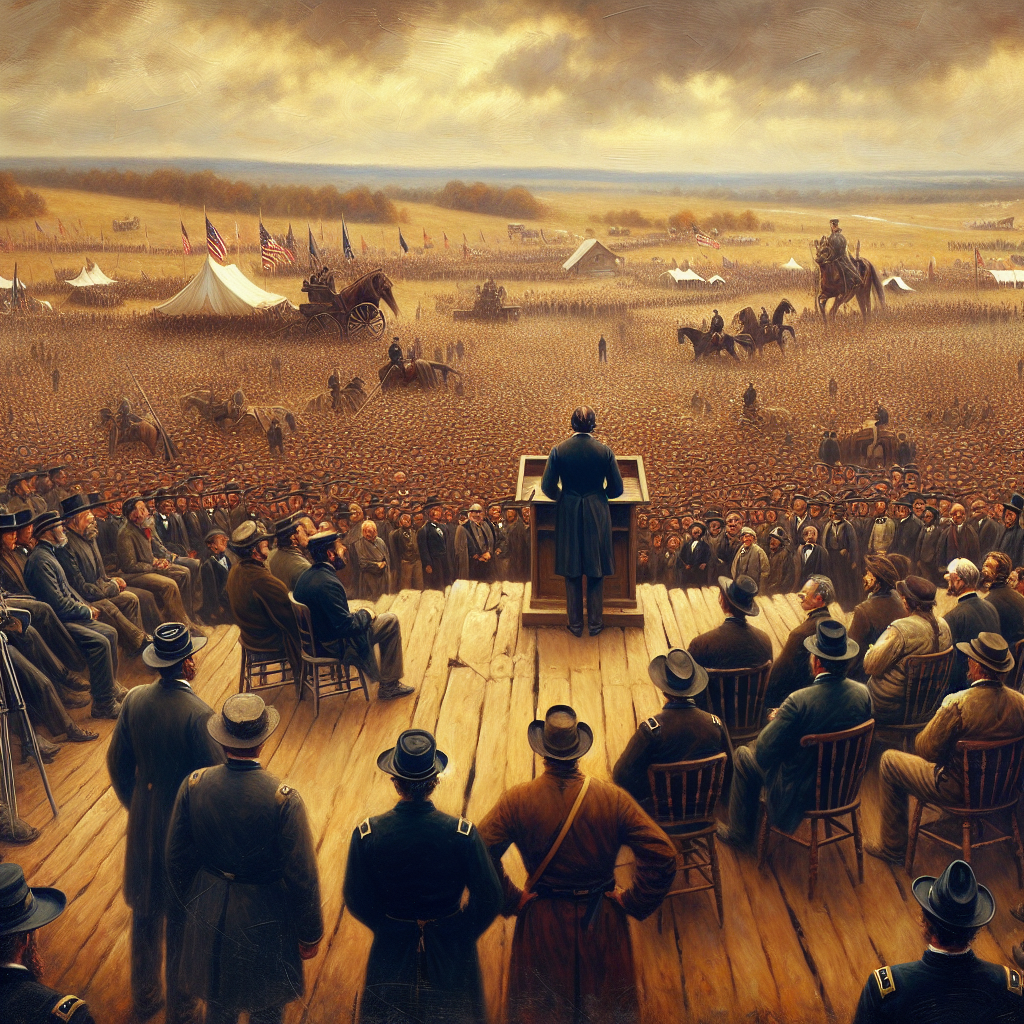
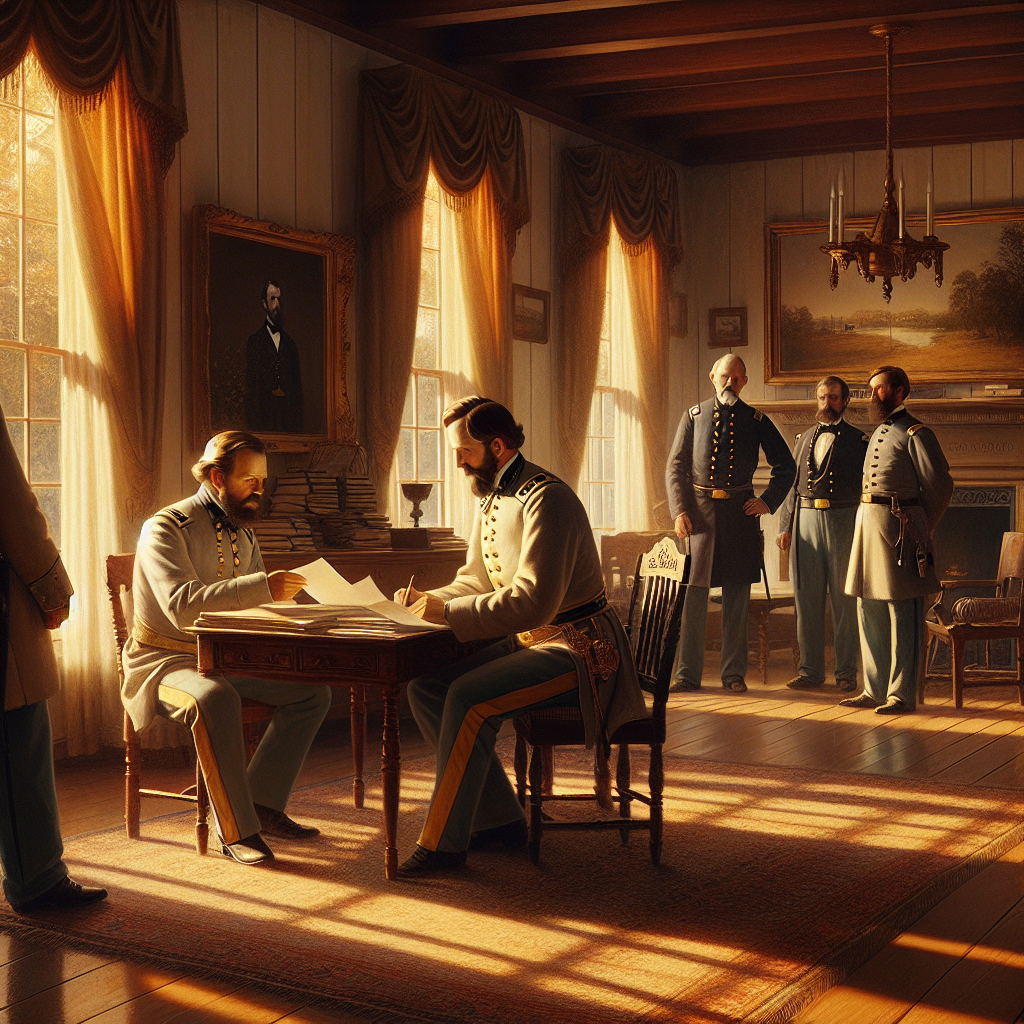
Surrender ended the war but not its questions. These entries cover the collapse of the Confederacy, the assassination that followed almost immediately, and the long, contested effort to rebuild the South and define freedom for the people it had enslaved.
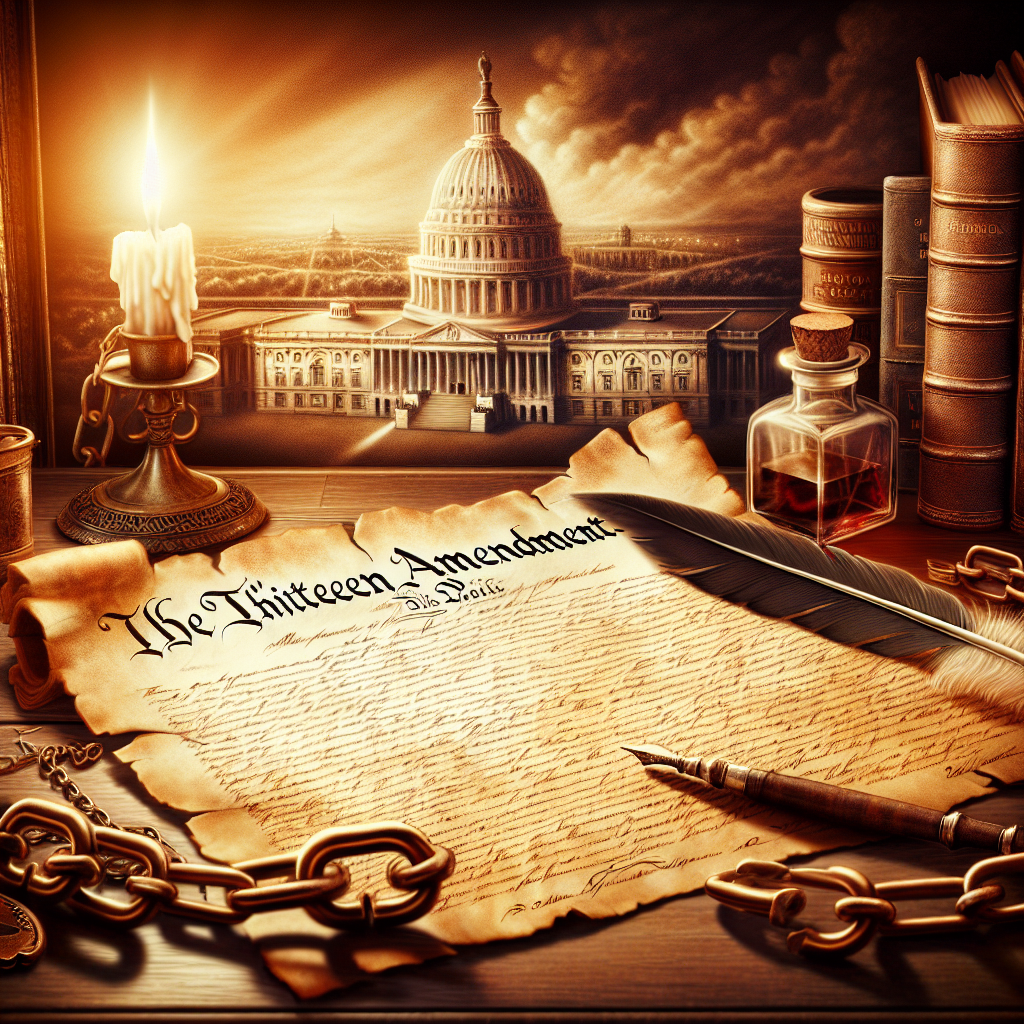
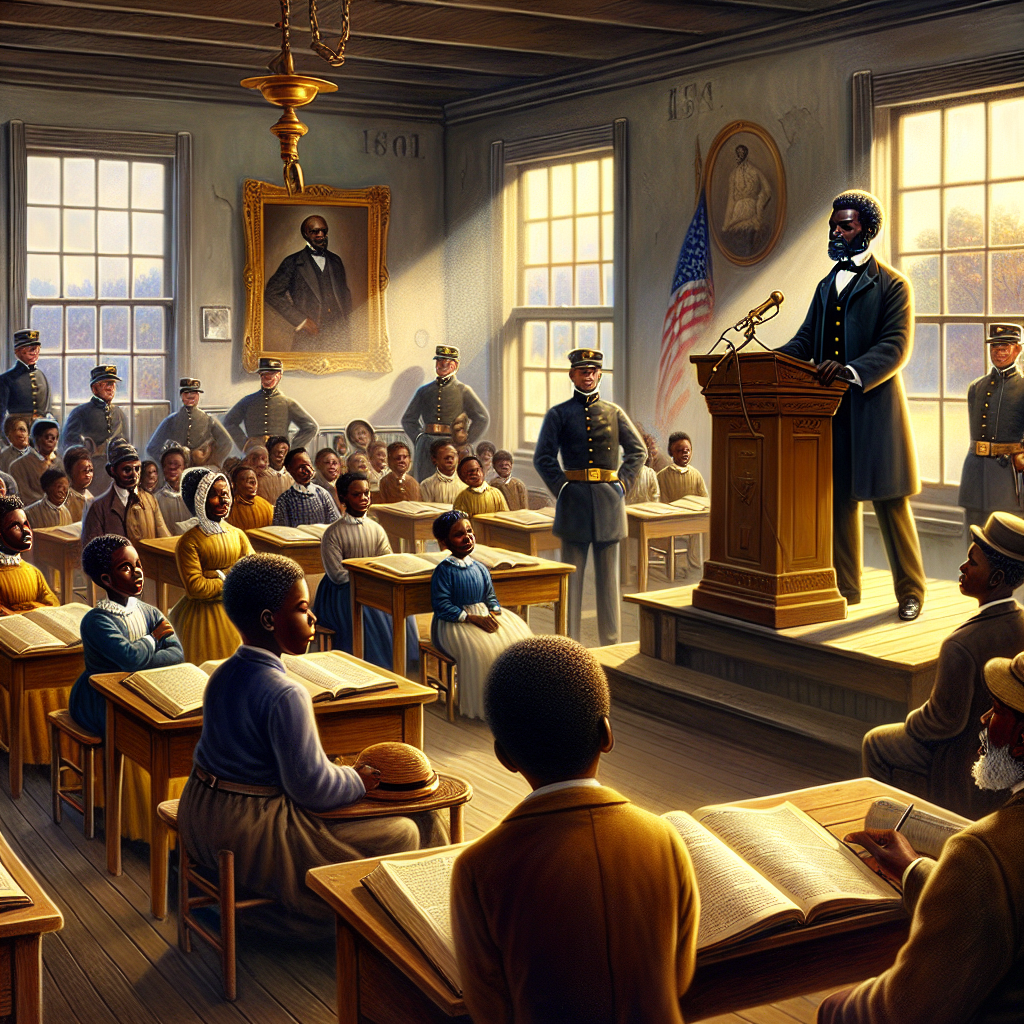
The Civil War sits inside a longer story of American conflict — see every U.S. war and major conflict — and its aftermath runs straight into Reconstruction and the long fight over civil rights.