America and Spain: Empire, Florida, and 1898
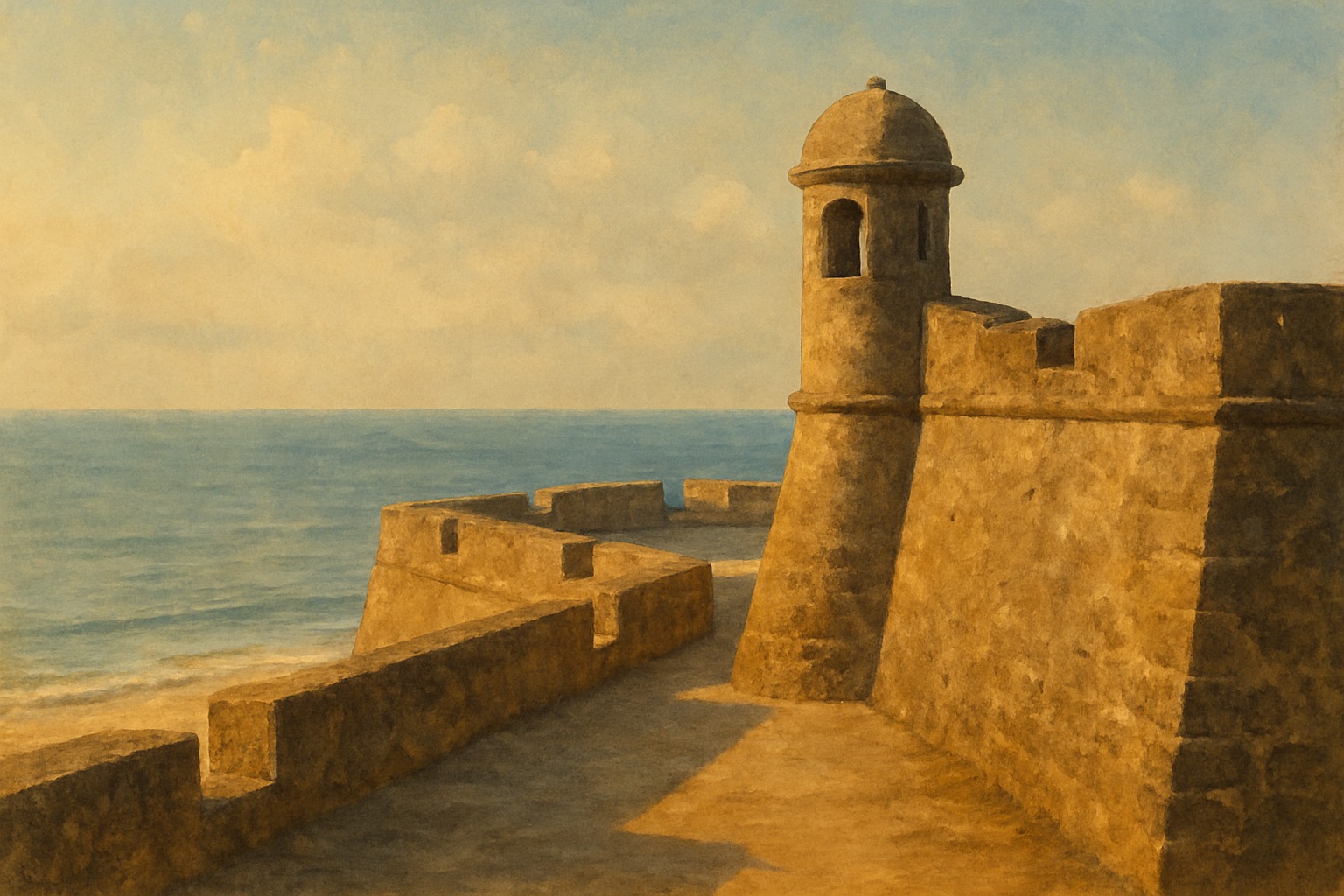
Spain was the first European power in much of what became the United States, and the last to be pushed out of the hemisphere by it. Its presence runs from the oldest city in the country through the place names of the Southwest, and the American relationship with Spain is a long arc from inheritance to rivalry to conquest — ending in 1898 with the United States dismantling the remains of the Spanish empire.
This guide follows that arc: Spanish colonial America, the borderlands and the cession of Florida, and the war of 1898 that ended Spanish power in the Americas. Each entry links to a full account.
Start here for the long, often-overlooked relationship between the two nations - from Spain's American empire to the war that ended it. The sections that follow trace it in order.
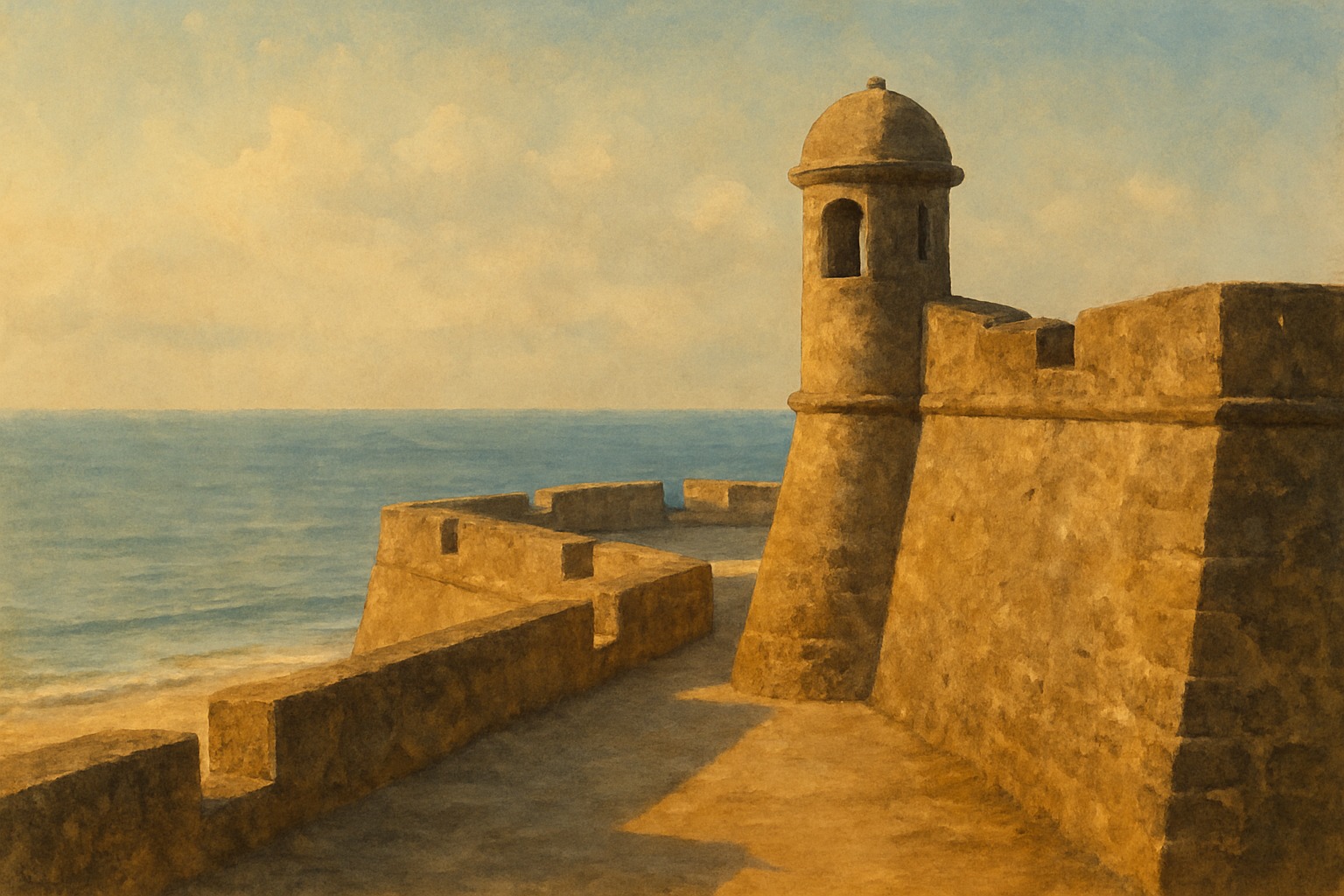
Spain was in America long before the United States existed. Its empire stretched across much of what is now the American South and West, leaving a deep imprint that long predates the English colonies.
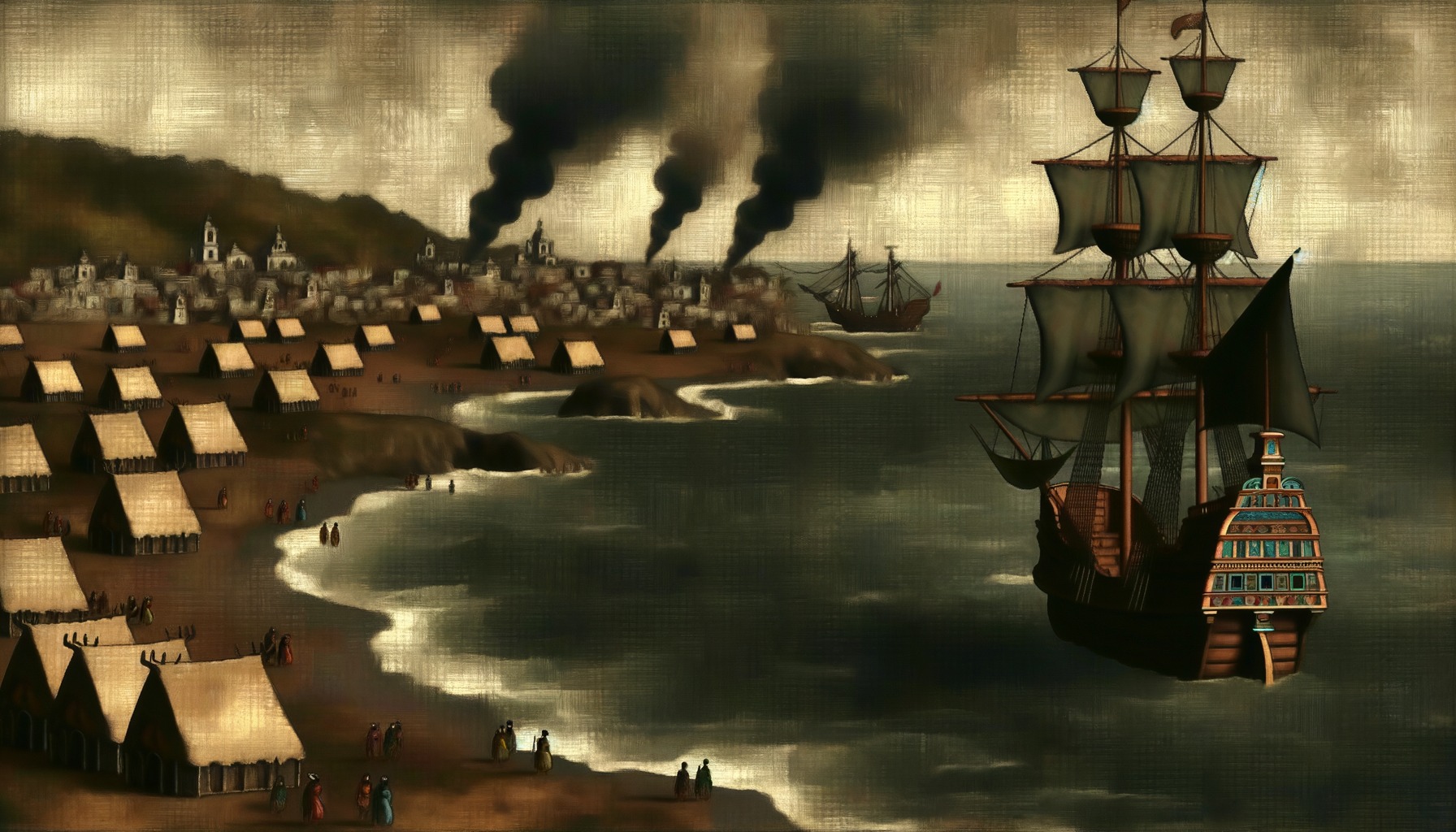
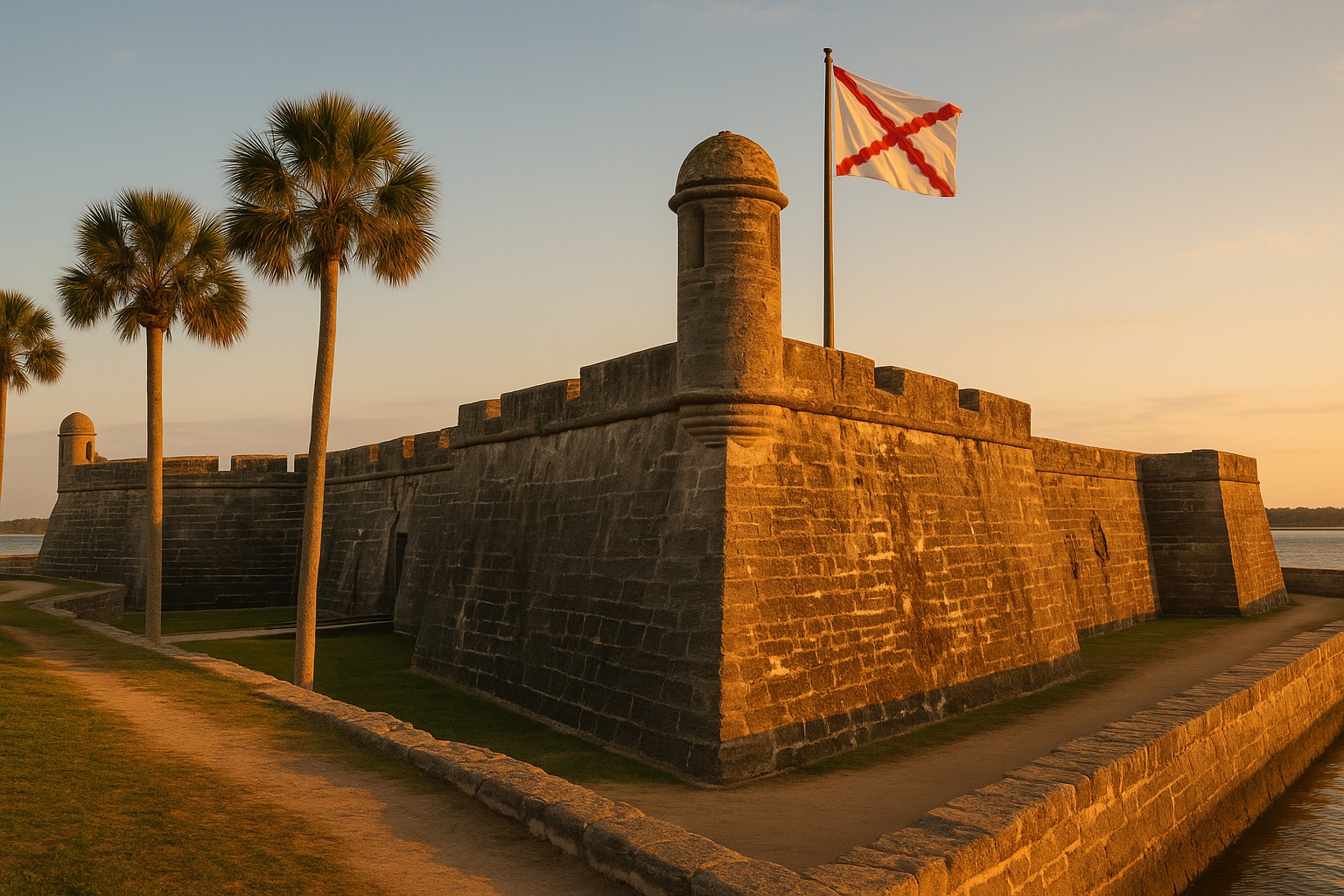
As the young United States expanded, it pressed against Spanish territory. These entries cover the negotiations and pressures that transferred Florida and defined the boundary between the two empires.
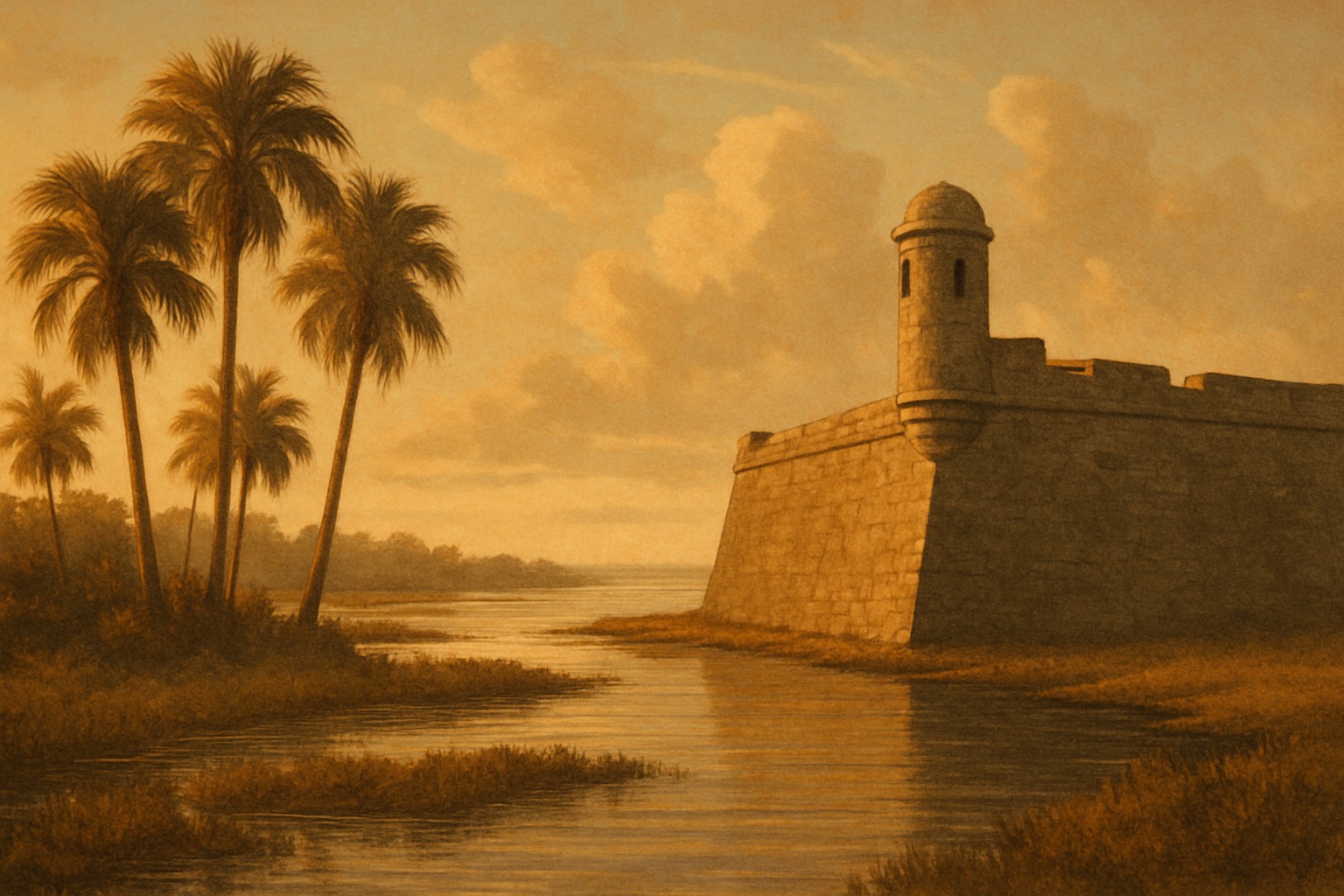
The relationship culminated in a short, decisive war. The conflict of 1898 ended Spain's empire in the Americas and announced the United States as an imperial power in its own right.
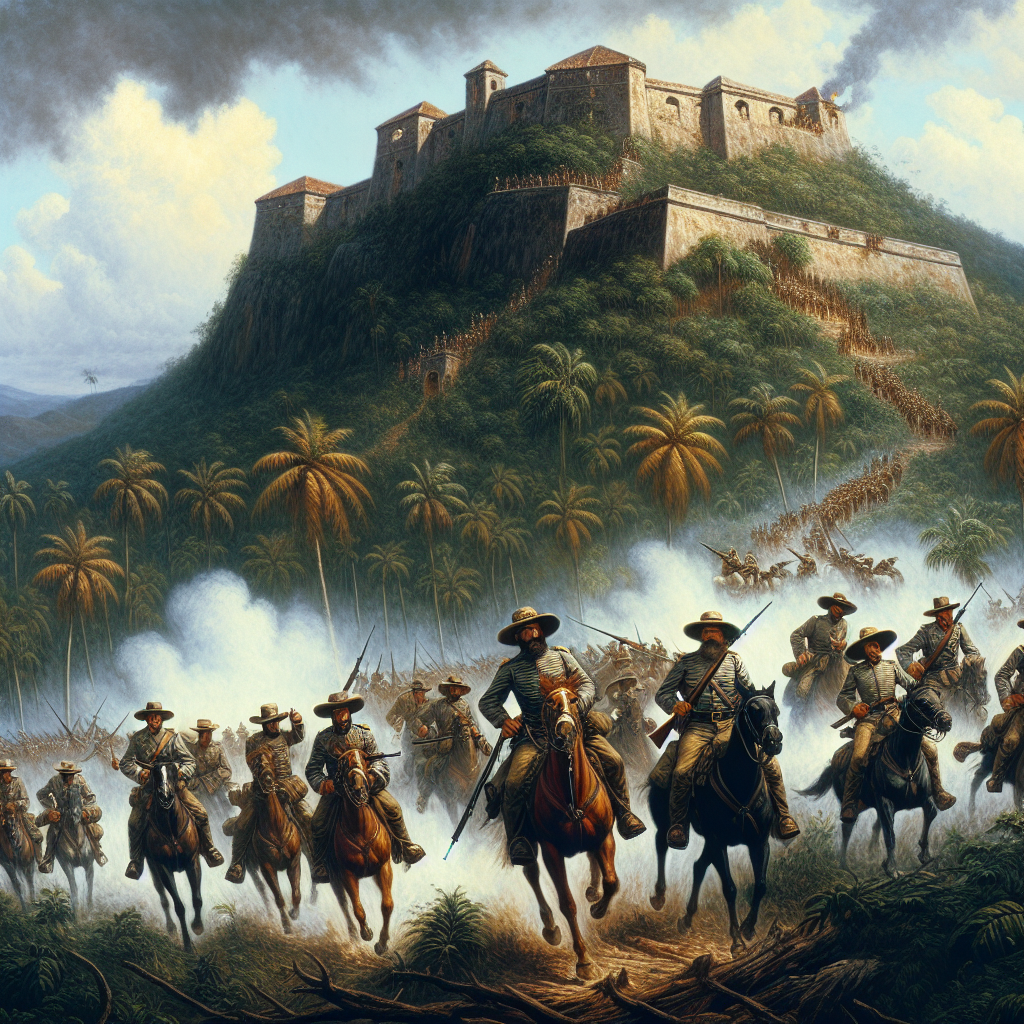
The 1898 war announced the United States as an imperial power — a turn that echoes through America and China and the wider story of America's wars.