America and China: Exclusion, Cold War, and Rapprochement
The American relationship with China has run from the docks to the summit. In the nineteenth century the United States welcomed Chinese labor and then slammed the door shut on it; in the twentieth it fought two wars shaped by Chinese power and then, in a single startling week, reopened relations with a handshake in Beijing. Few relationships have swung so far between exclusion and engagement.
This guide follows that arc: the era of trade and exclusion, the two Cold War conflicts that ran through China, and the rapprochement that reshaped the balance of power. Each entry links to a full account.
Start here for the full arc of the relationship - from trade and exclusion to Cold War enmity and a wary partnership. The sections that follow trace it in order.
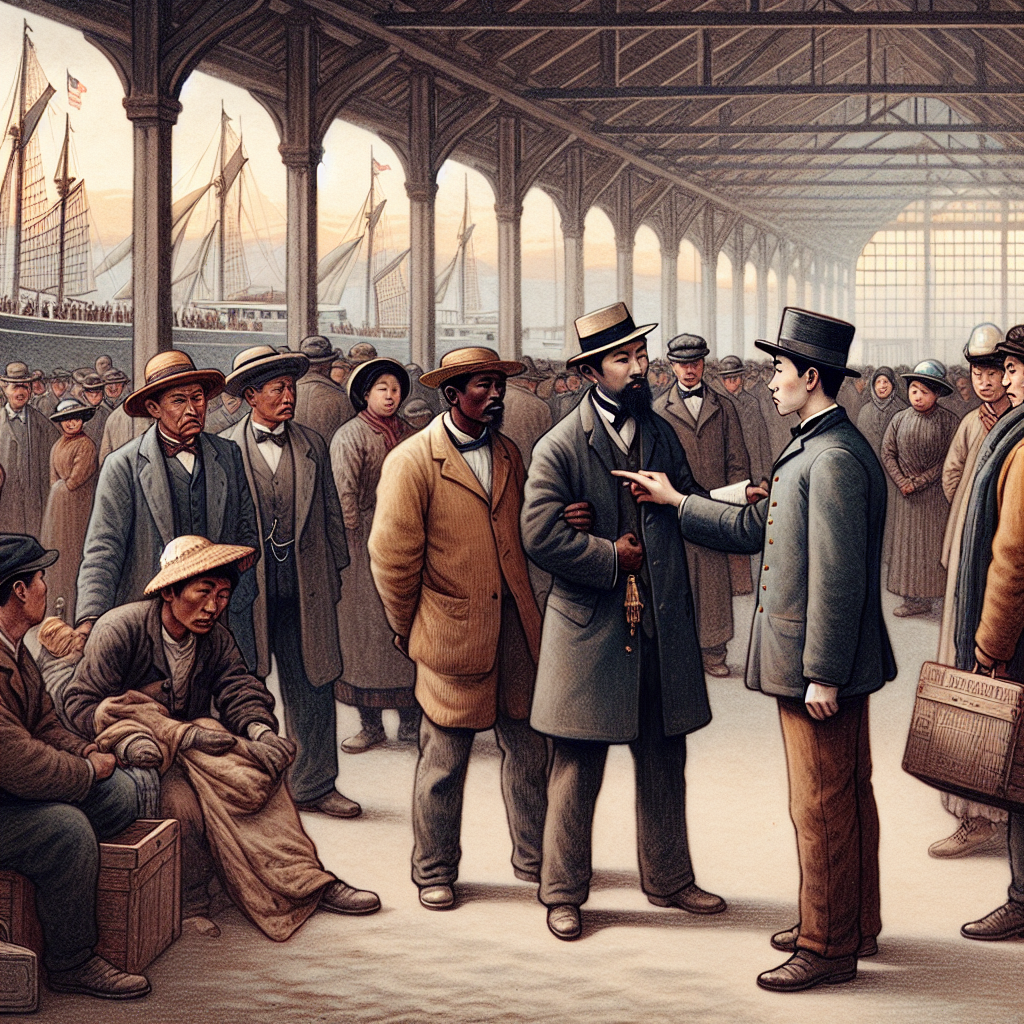
The relationship began with commerce and quickly turned to exclusion. American demand for Chinese goods coexisted with laws that barred Chinese people from immigrating - a contradiction that shaped the early relationship.
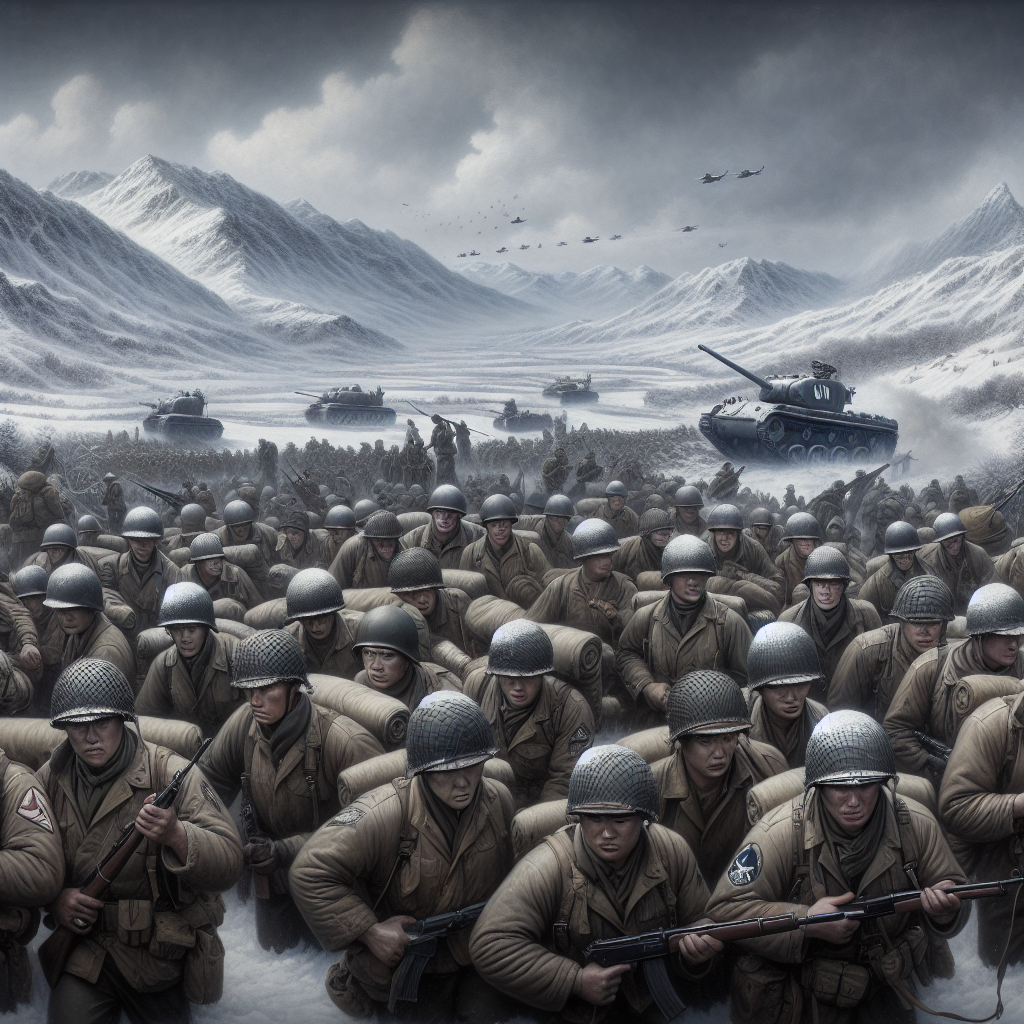
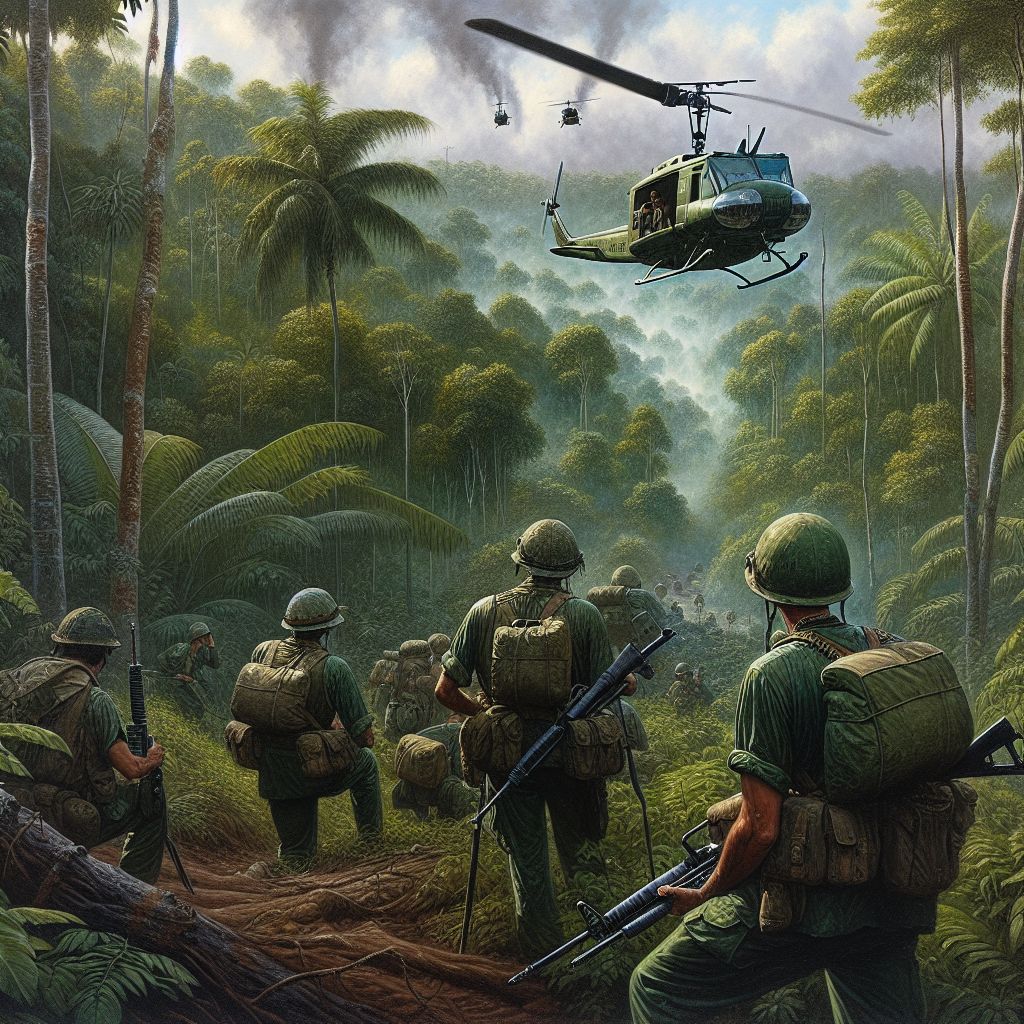
After China's communist revolution, the two nations fought twice without ever declaring war on each other - in Korea and in Vietnam - as China backed the very enemies the United States was fighting.
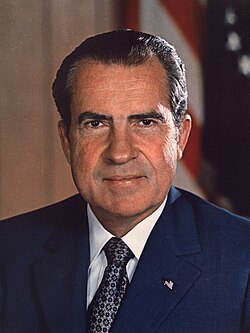
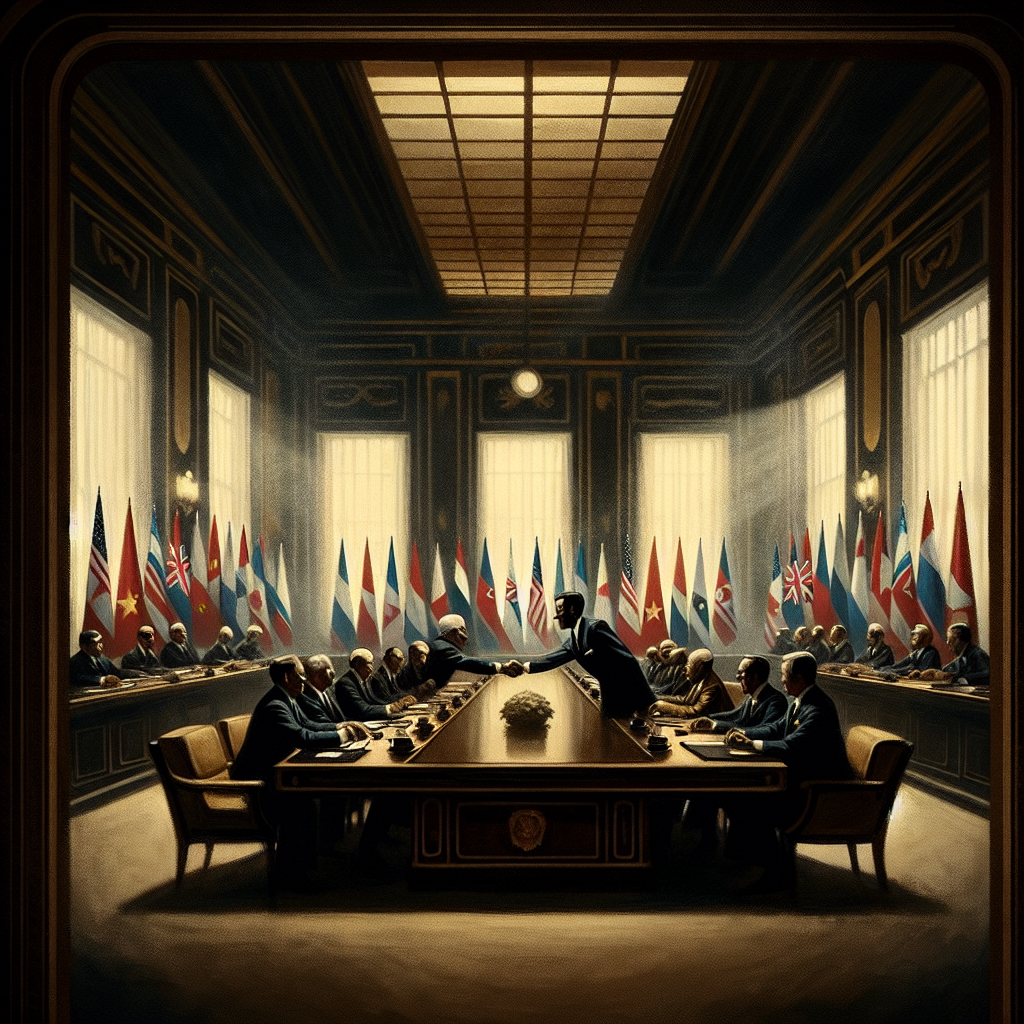
Then, abruptly, the enemies talked. A surprise opening reestablished relations and remade the strategic map of the Cold War - the beginning of the complex partnership and rivalry that defines the relationship now.
China's opening was a move in the larger contest traced in America and Russia, and the wars here run through every U.S. war and major conflict.