U.S. Presidents in Order
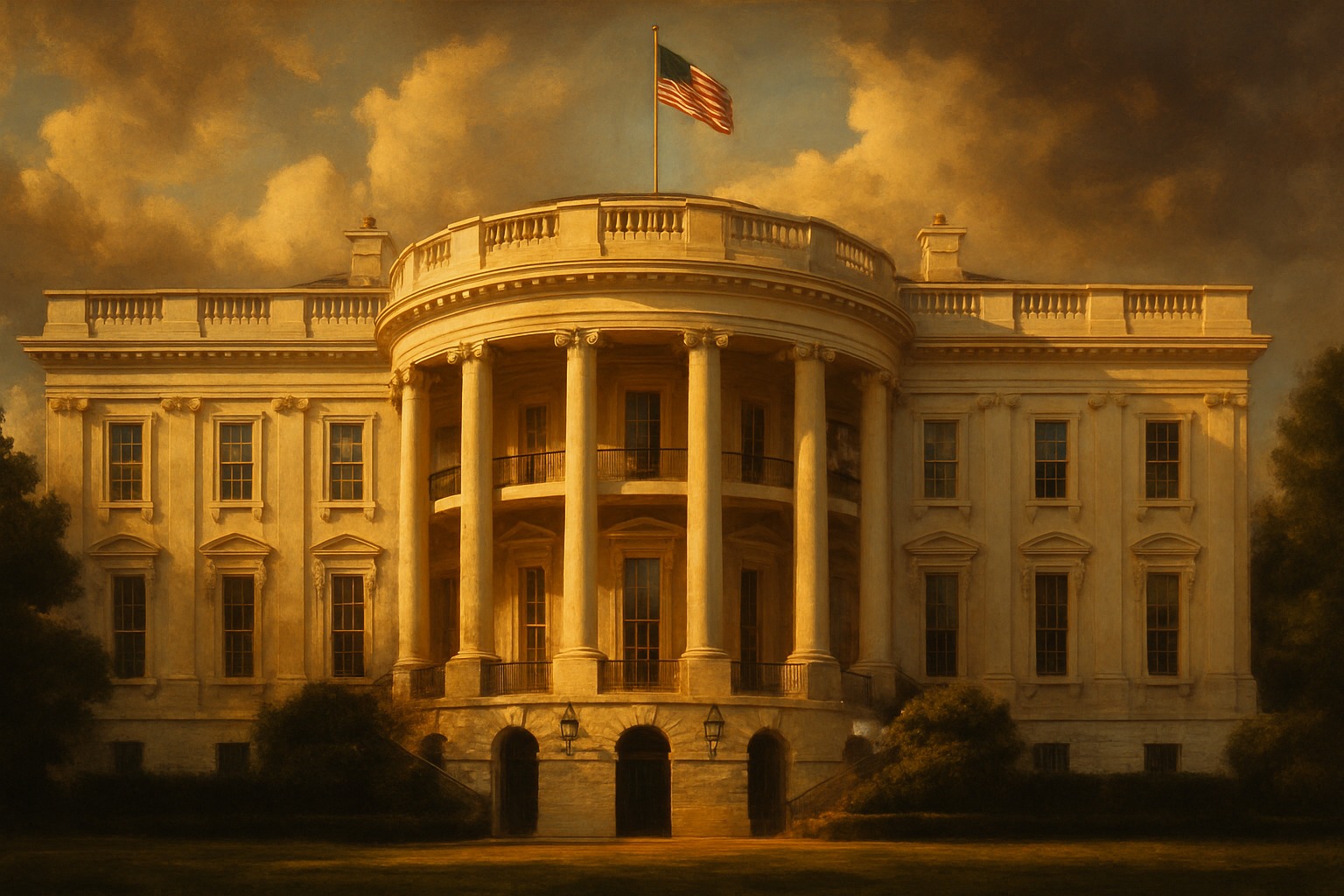
The office George Washington accepted in 1789 had no real precedent and almost no defined powers. Everything since has been improvisation, argument, and accumulation — a job that has expanded from a part-time executive of a fragile republic into the most scrutinized position on earth. Reading the presidents in order is the fastest way to watch that change happen.
This list runs by presidential number, one through forty-seven. There are forty-seven presidencies but only forty-five people: Grover Cleveland and Donald Trump each served two non-consecutive terms, so each is counted twice in the numbering and once here. Every name links to a full account on BriefHistory; the one-line note explains why that presidency mattered.
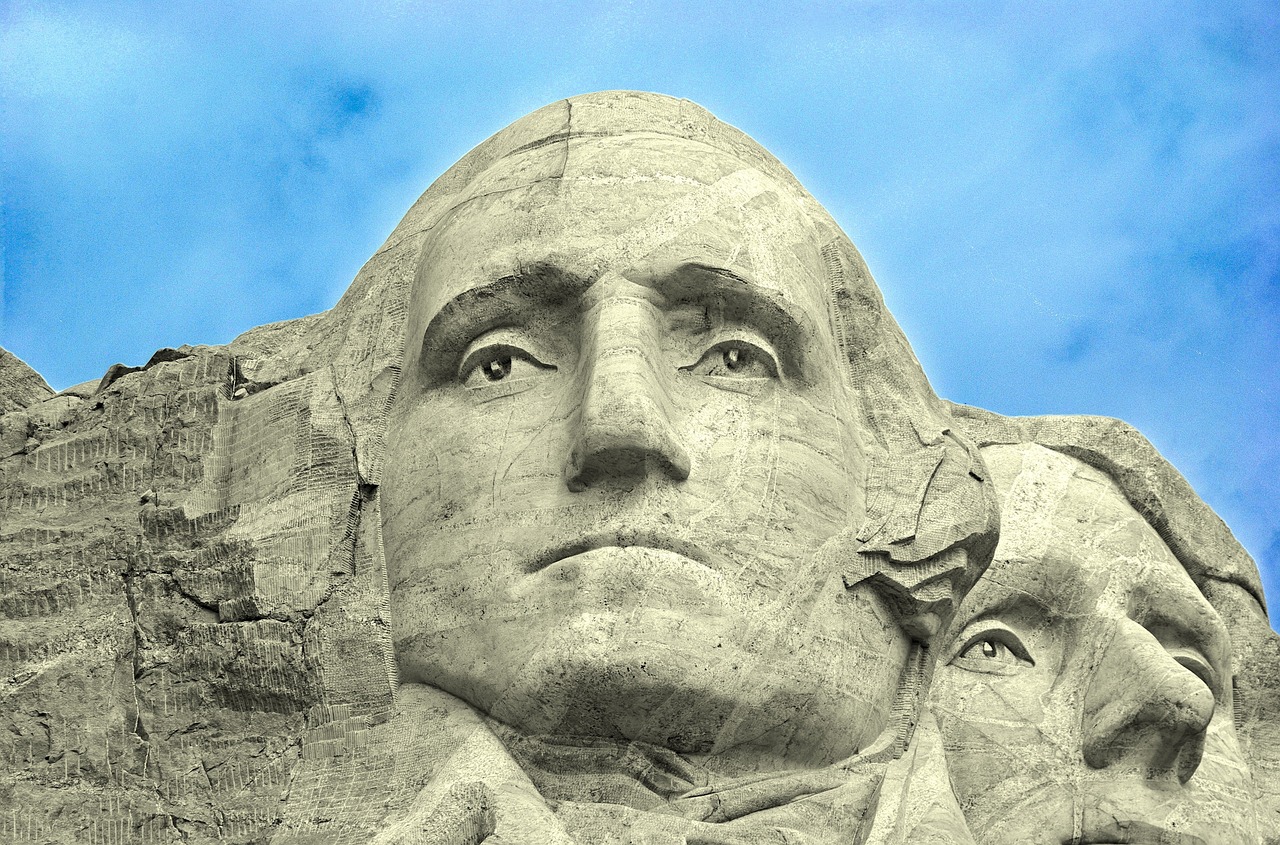
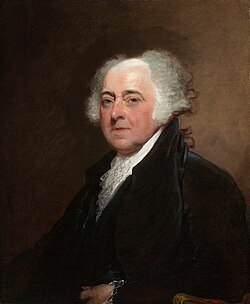
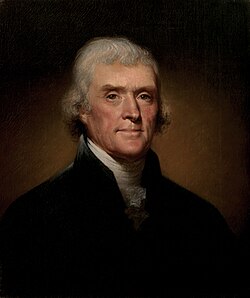
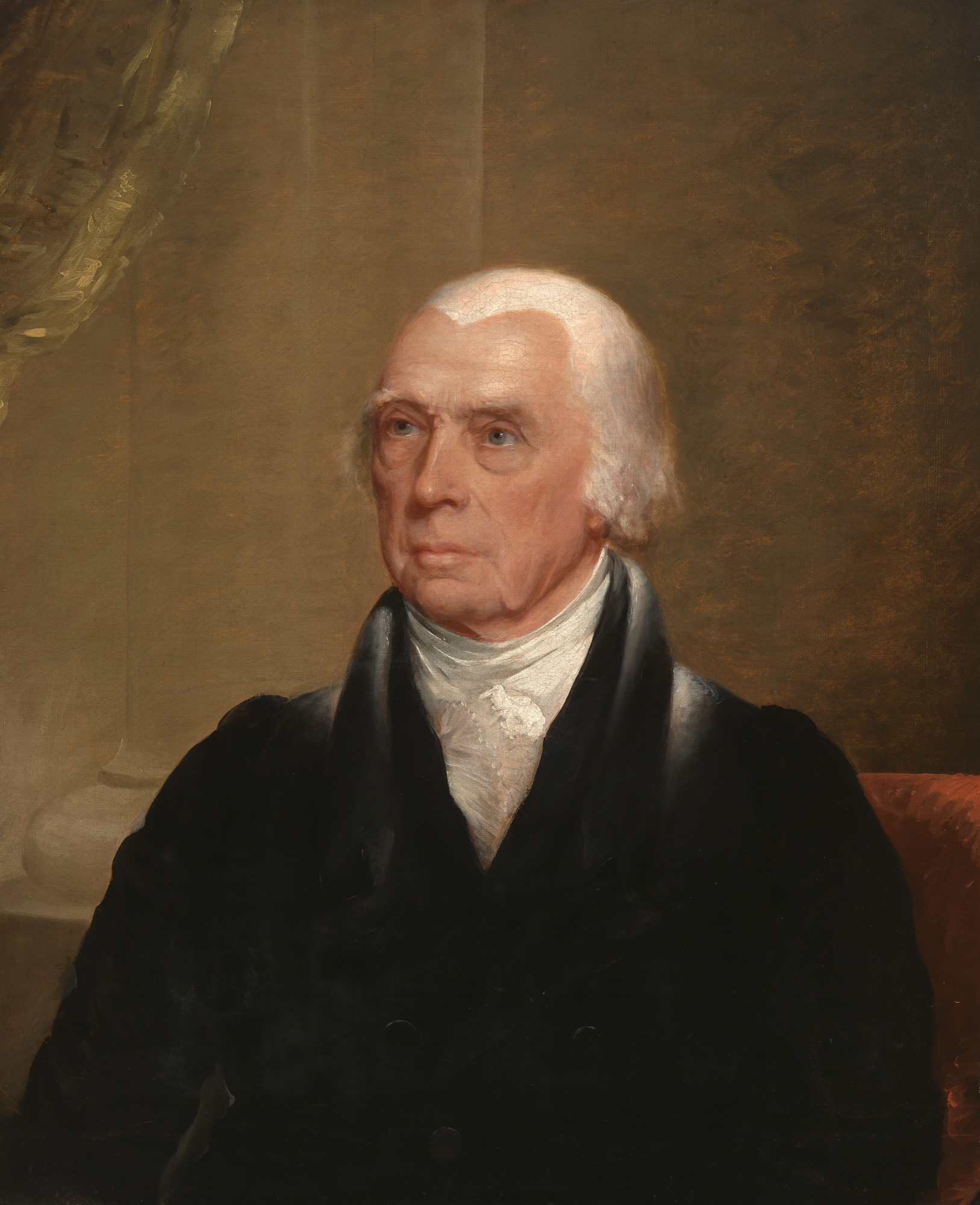
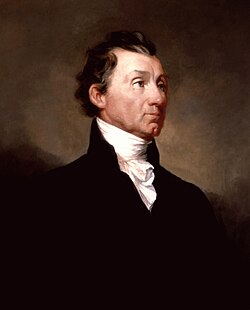
The first six presidents were inventing the office as they held it. Nothing about the job was settled - how a president should be addressed, how much he could do without Congress, whether he should step down at all. These men set the precedents that hardened into rules, and the early split between those who wanted a strong national government and those who feared it runs straight through their administrations.
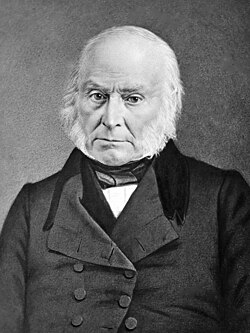
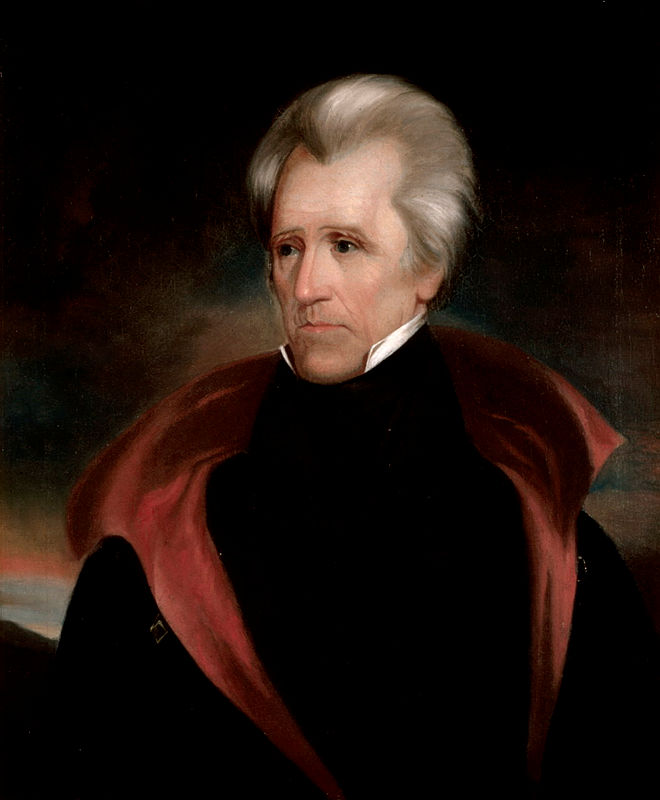
With Andrew Jackson the presidency became a popular office, claimed on behalf of the common man and wielded with a force the founders had not imagined. The presidents of these decades presided over rapid expansion westward and an argument over slavery that grew harder to contain with every new state - a tension their compromises postponed rather than resolved.
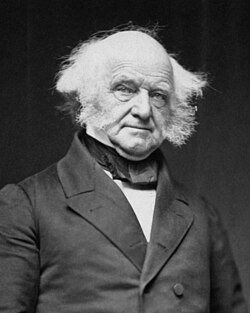
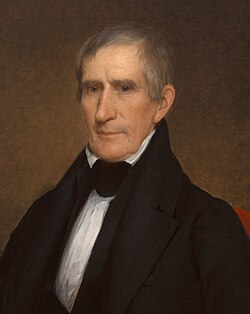
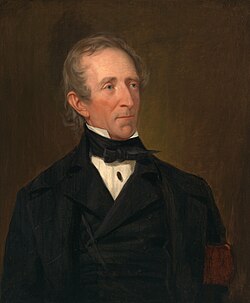
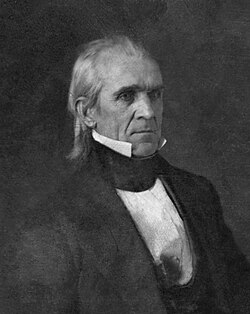
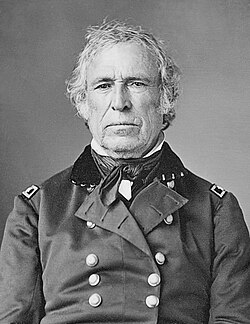
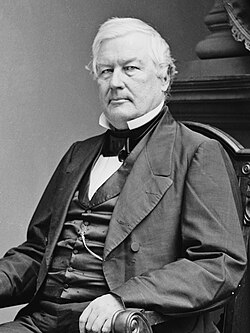
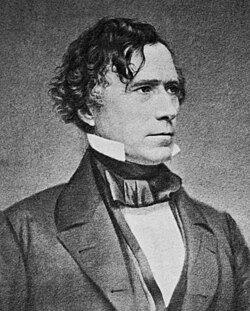

Here the office met its gravest test. Lincoln stretched presidential power to hold the Union together and end slavery, and the men who followed him inherited the wreckage - the unfinished, bitterly contested work of rebuilding the South and defining what freedom would actually mean.
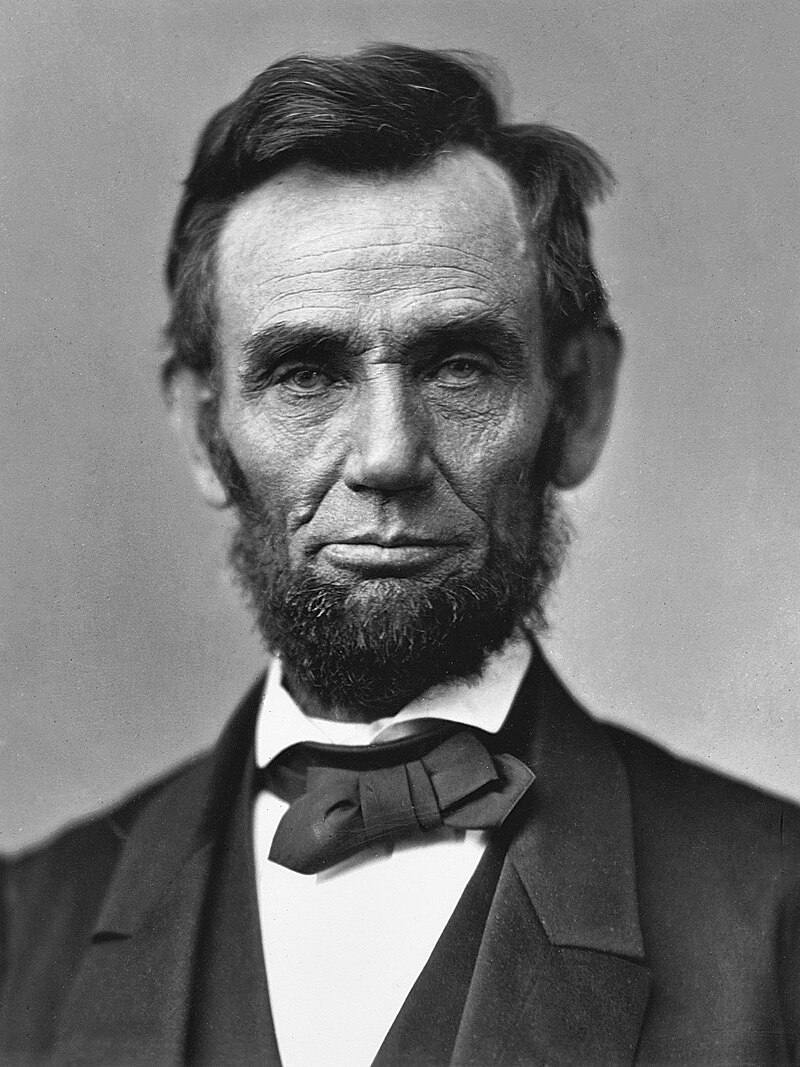
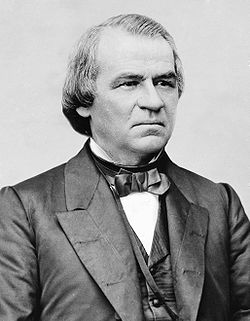
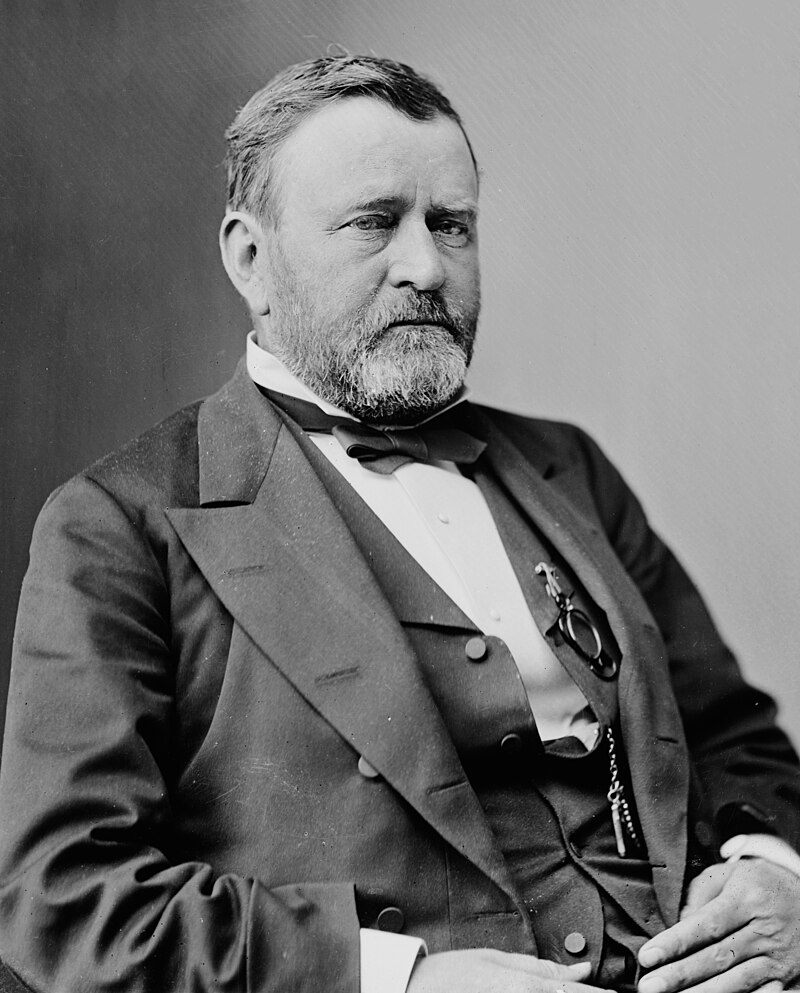
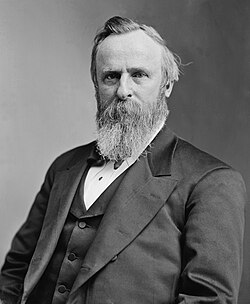
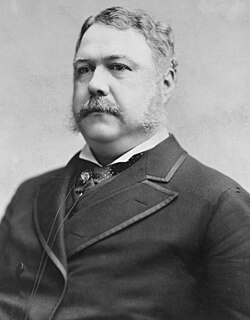
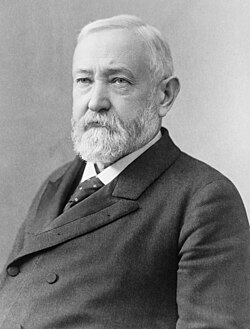
For a generation after Reconstruction the presidency receded behind a Congress and an industrial economy that dwarfed it. These were mostly one-term figures presiding over an age of railroads, monopolies, and patronage - remembered less for what they did in office than for the forces gathering around it.

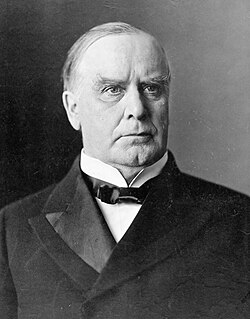
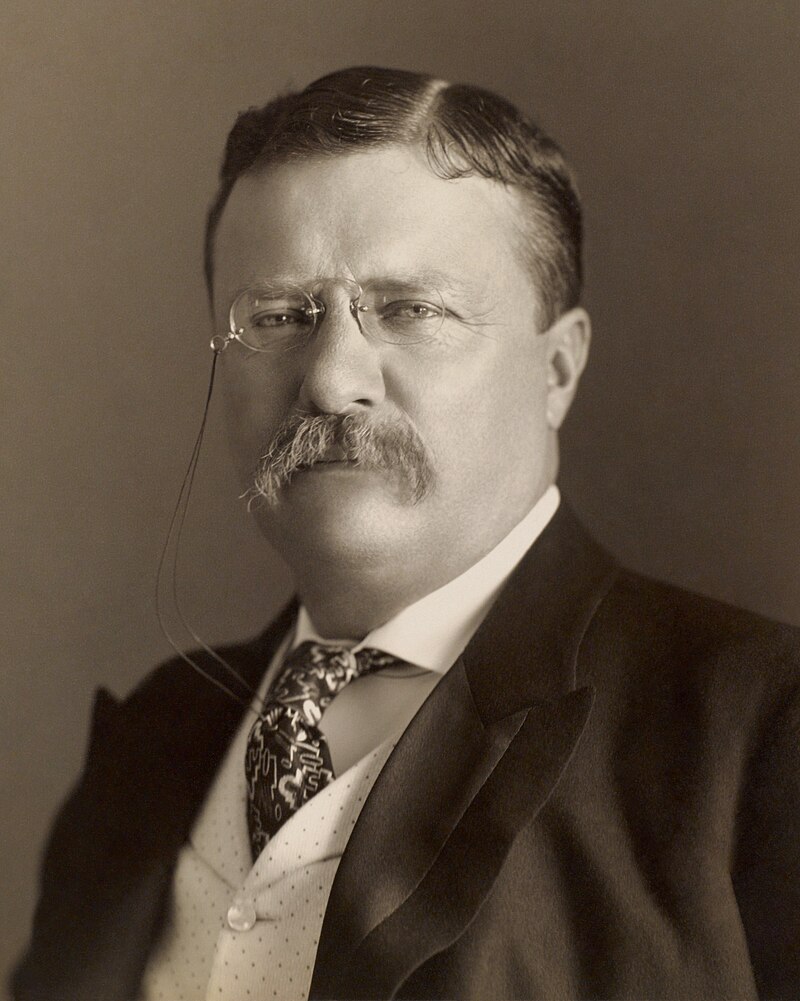
The modern, activist presidency takes shape here. Theodore Roosevelt and Woodrow Wilson turned the office outward - toward reform at home and a new role on the world stage - before the decade after World War I pulled the country back toward business and isolation.

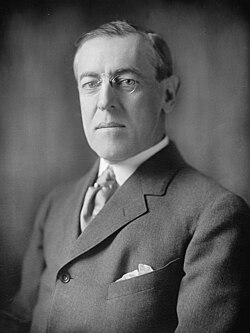
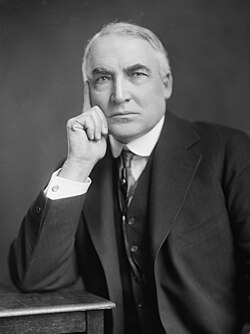
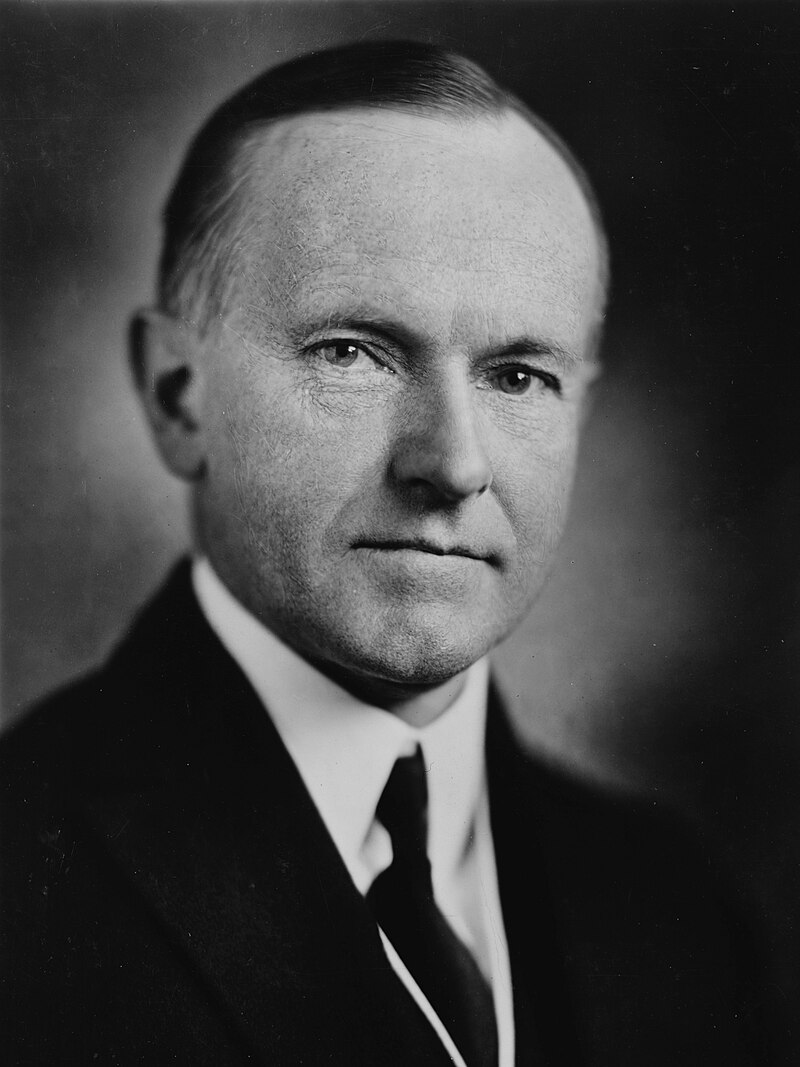
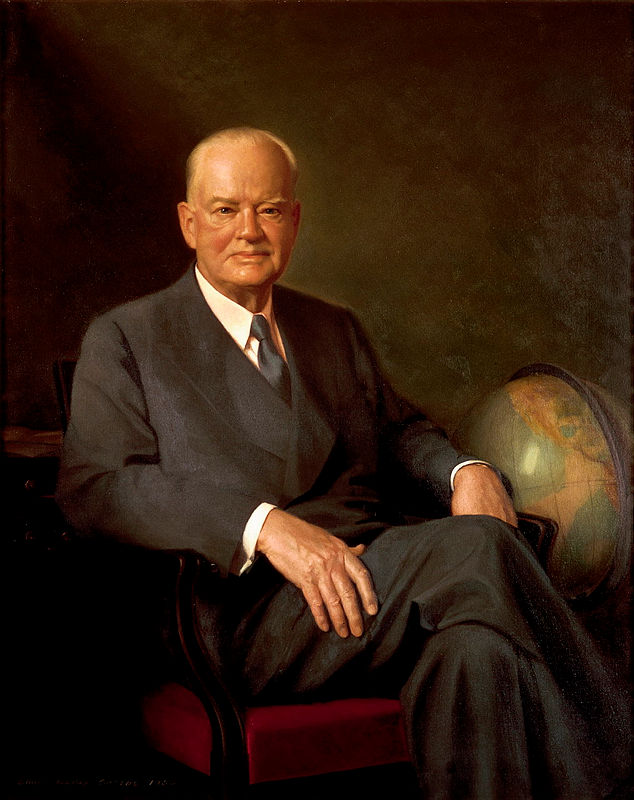
Crisis remade the office again. Franklin Roosevelt's response to the Depression and the Second World War expanded federal and presidential power permanently, and his successors governed a country that was now a superpower locked in a long standoff with the Soviet Union.
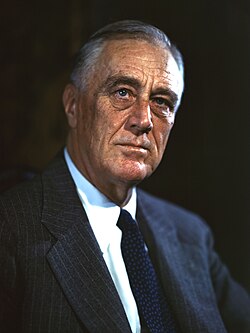
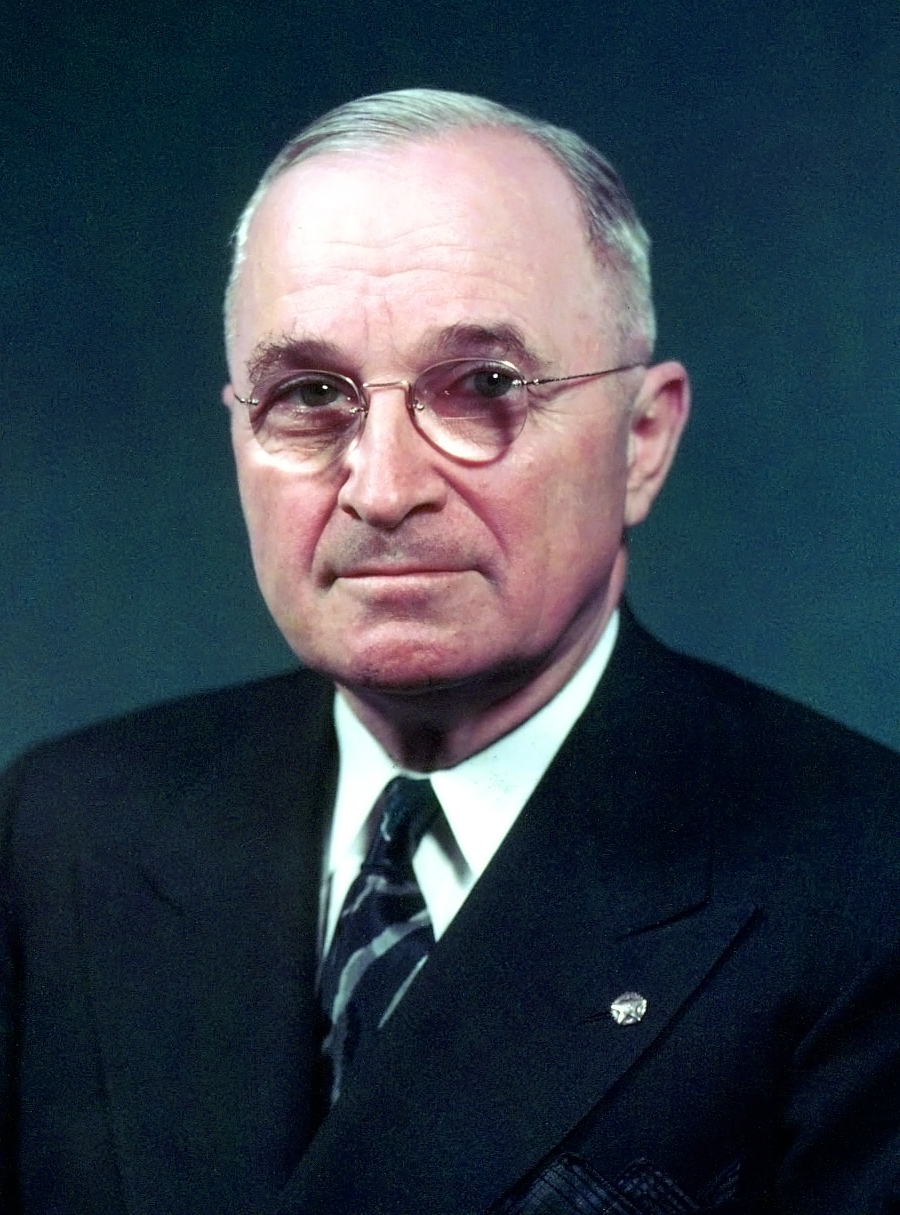
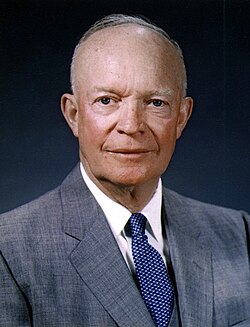
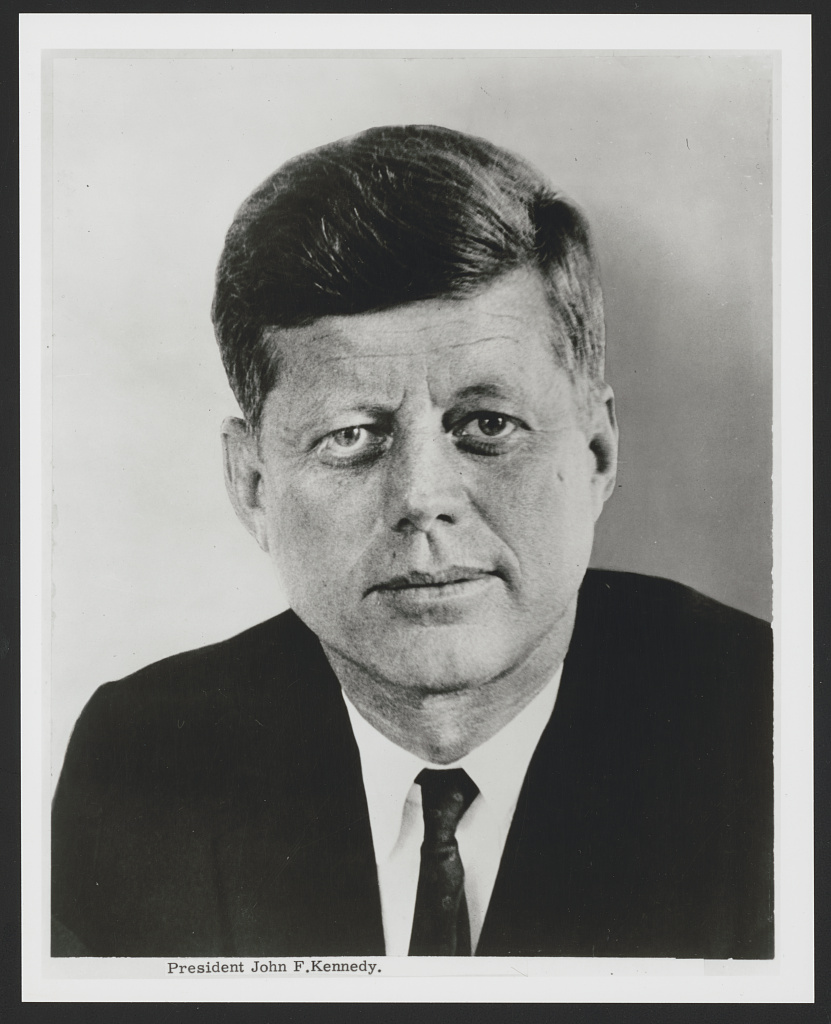
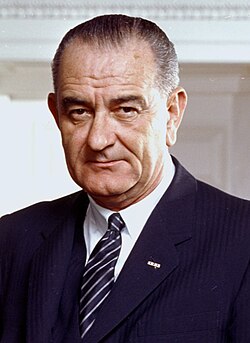
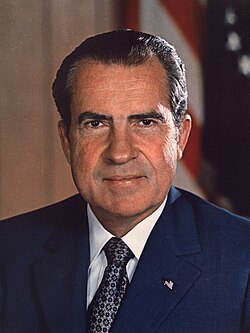
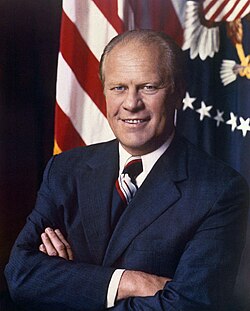
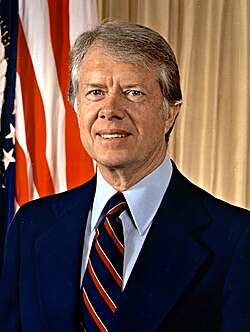
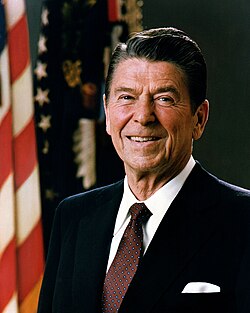
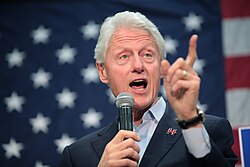
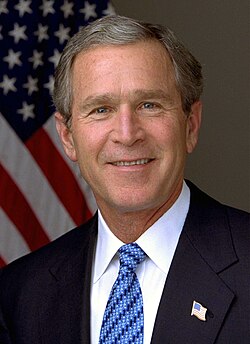
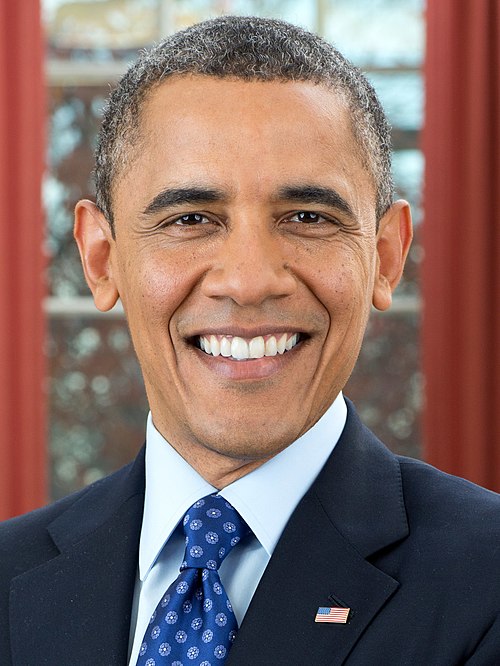
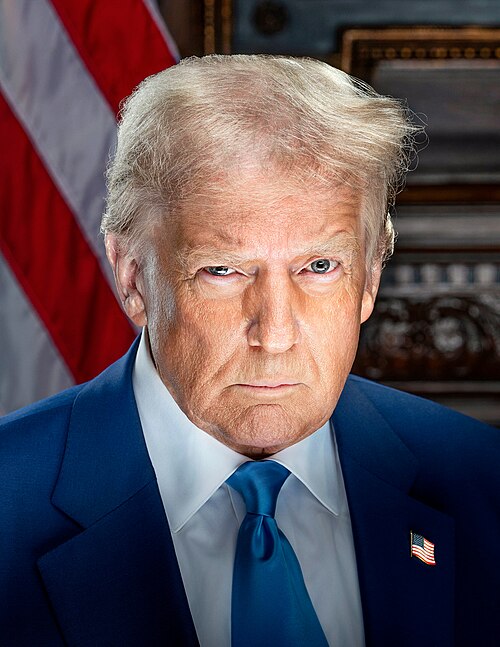
The recent presidents have operated in an era of mass media, partisan division, and constant scrutiny - an office more powerful and more constrained than ever, judged in real time and contested at every turn.
For the document that created the office and the rules every president has tested, read the guide to the founding documents and the entry on the U.S. Constitution.